Electric Propulsion for Sailboats
Electric propulsion on sailboats has moved from science project to production reality in the last five years. The math still doesn't work for everyone — a Pacific crossing under motor is not happening on batteries anytime soon — but for coastal cruisers, weekend sailors, and boats where silence, zero fuel, and regen under sail matter, the technology is genuinely ready. Here's the honest state of things.
Sailboat Atlas may earn a commission from qualifying purchases made through links on this page, at no extra cost to you.
When electric makes sense
Electric propulsion is the right answer if you: motor less than 100 nm at a time, sail primarily coastal or inland waters, want silent motoring in and out of anchorages, or already have a big solar / lithium system that under-utilizes its capacity when at anchor. It's the wrong answer if you regularly deliver the boat under power over multi-day passages or you cruise in areas without reliable shore power.
Range is a battery problem, not a motor problem
A 10 kW motor sipping 3 kW at cruise (5 knots) will run for roughly 3 hours off a 10 kWh battery. That's 15 nm — enough to get in and out of most anchorages, but not enough to power through a weather window. Real electric cruisers run 20–40 kWh banks and accept that motoring is for maneuvering, not passage-making.
Regen is real, but earn it under sail
A modern regen-capable inboard produces 5–15A at 48V at typical sailing speeds — call it 240–720W. Over a 12-hour sailing day that's 3–9 kWh back into the bank, enough to cover the typical daily house load with margin. This is the actually-interesting number that makes serious cruisers reconsider diesel: a well-tuned electric-drive sailboat is energy-positive on a good sailing passage.
Our picks

Torqeedo Cruise 10.0 R
Best outboard-mount electric drive
The Cruise 10.0 R is the electric outboard that works — proven on Corsair trimarans, Sun 2500s, and small keelboats where a 15 hp Yamaha would otherwise live. Pair it with a 5–10 kWh 48V bank and solar, and you have a genuinely silent, maintenance-free propulsion system for coastal daysailing. Not for offshore passages; the range/weight math doesn't work yet at that scale.
- Power
- 10 kW input / ~9.9 hp equivalent thrust
- Voltage
- 48V system
- Weight
- 39.5 kg
- Typical price
- $8,000–$9,000 (motor only)
Pros
- Genuine bolt-on replacement for a 15–20 hp outboard on a small cruiser or daysailer
- Integrated GPS and range calculator — the display tells you your actual remaining range at current throttle
- German engineering; parts and firmware support have been consistently good for a decade
Cons
- Requires a 48V lithium bank sized for real range — the motor is only half the total spend
- Not appropriate as a primary drive for anything above ~26 feet or displacement over ~4,000 lb
Oceanvolt SEA 10 kW SD Inboard
Best inboard replacement for mid-size cruisers
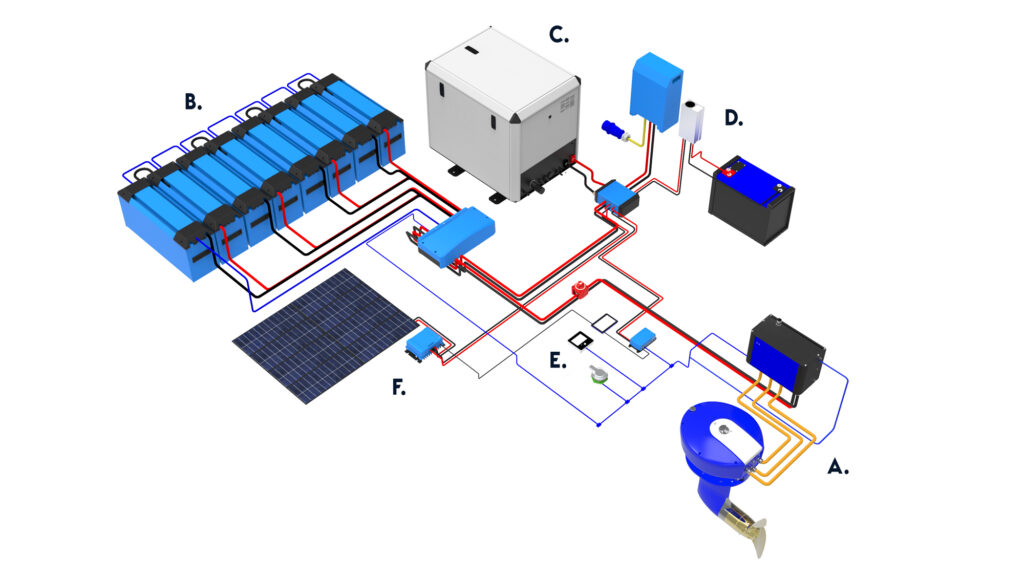
Oceanvolt is what serious cruisers install when they've decided to eliminate diesel from the boat entirely. The regen story is real — a well-tuned Oceanvolt system on a 40-foot boat sailing at 7 knots produces enough amps to run the fridge and autopilot indefinitely, effectively making passages energy-positive. Whether that's worth $50k+ total system cost is a personal call, but the technology finally works.
- Power
- 10 kW continuous, 15 kW peak
- Voltage
- 48V system
- Regen
- Yes — meaningful regen under sail at hull speed
- Typical price
- $18,000–$22,000 (motor + controller)
Pros
- Actual bolt-in replacement for Volvo/Yanmar 15–30 hp diesel with matching sail-drive interface
- Regenerative charging under sail produces real amps (5–15A at 48V at cruising speeds)
- Finnish engineering with a strong track record on production boats (Baltic, X-Yachts commissioning)
Cons
- Total system cost including 20+ kWh lithium bank often crosses $50,000 — this is a lifestyle choice, not a value play
- Range is real but limited; long-distance motoring under power alone requires a genset or extreme battery capacity
ePropulsion Navy 6.0 EVO
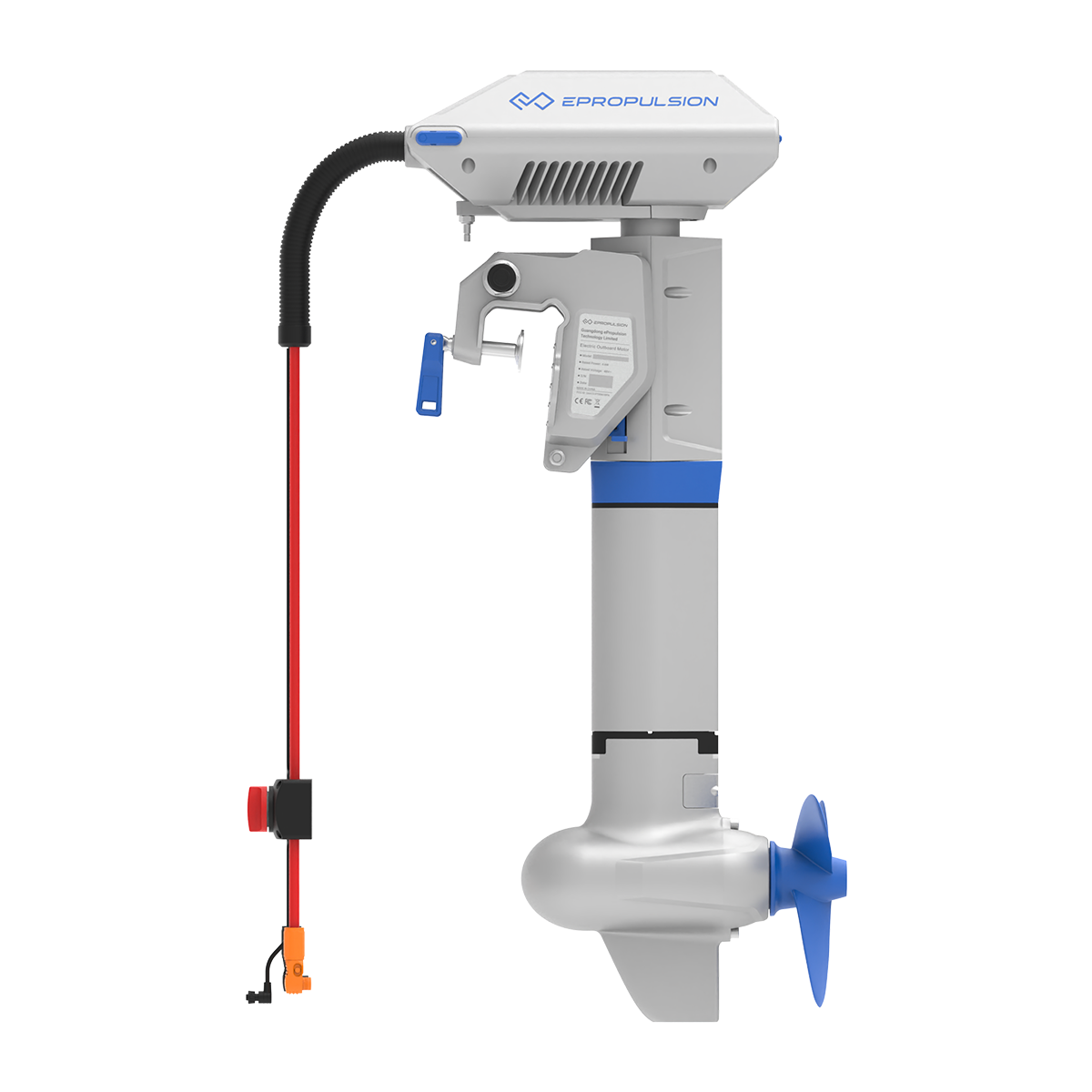
Best value electric outboard for tenders and daysailers
ePropulsion has closed most of the gap with Torqeedo in performance while staying meaningfully cheaper. For a tender outboard or a daysailer's primary drive in a well-connected cruising area (US East Coast, Med, Australia), it's the smart-money buy. In remote grounds — French Polynesia, Patagonia — the Torqeedo's better parts network is worth the premium.
- Power
- 6 kW / ~9.9 hp equivalent
- Voltage
- 48V (integrated battery available)
- Weight
- 27.5 kg
- Typical price
- $4,500–$5,500
Pros
- Substantially cheaper than Torqeedo for similar rated performance
- Integrated-battery option makes it a genuinely portable dinghy outboard replacement
- Improving quickly — the EVO generation is a real step up from earlier ePropulsion units
Cons
- Support network still developing outside Asia-Pacific; parts availability is patchy in remote cruising grounds
- Software polish and diagnostics are noticeably behind Torqeedo
How to choose
Boat under 26 feet, daysailer/weekender: Torqeedo Cruise or ePropulsion Navy outboard with a 5 kWh 48V bank. Mid-size cruiser (30–42 feet), coastal focus, ready to spend: Oceanvolt SEA with a 20+ kWh bank and regen enabled. Offshore passage-maker: keep the diesel, add a big solar/LFP system, and reconsider in five years.
Frequently asked questions
What happens if the battery dies mid-passage?
Same as running out of diesel: you sail. That's why electric on a sailboat is more forgivable than on a powerboat — the fallback is always the sails. That said, plan your battery reserve like you plan diesel reserve: at least 30% margin beyond your worst-case leg.
Can I combine electric with a diesel genset?
Yes — this is called a serial hybrid, and it's what Oceanvolt and Fischer Panda systems offer. You get the silence and simplicity of electric drive for normal use plus unlimited range via the genset. It's more complex and expensive than either pure electric or pure diesel, but it's the honest answer for cruisers who want both.
Related guides
 Propulsion
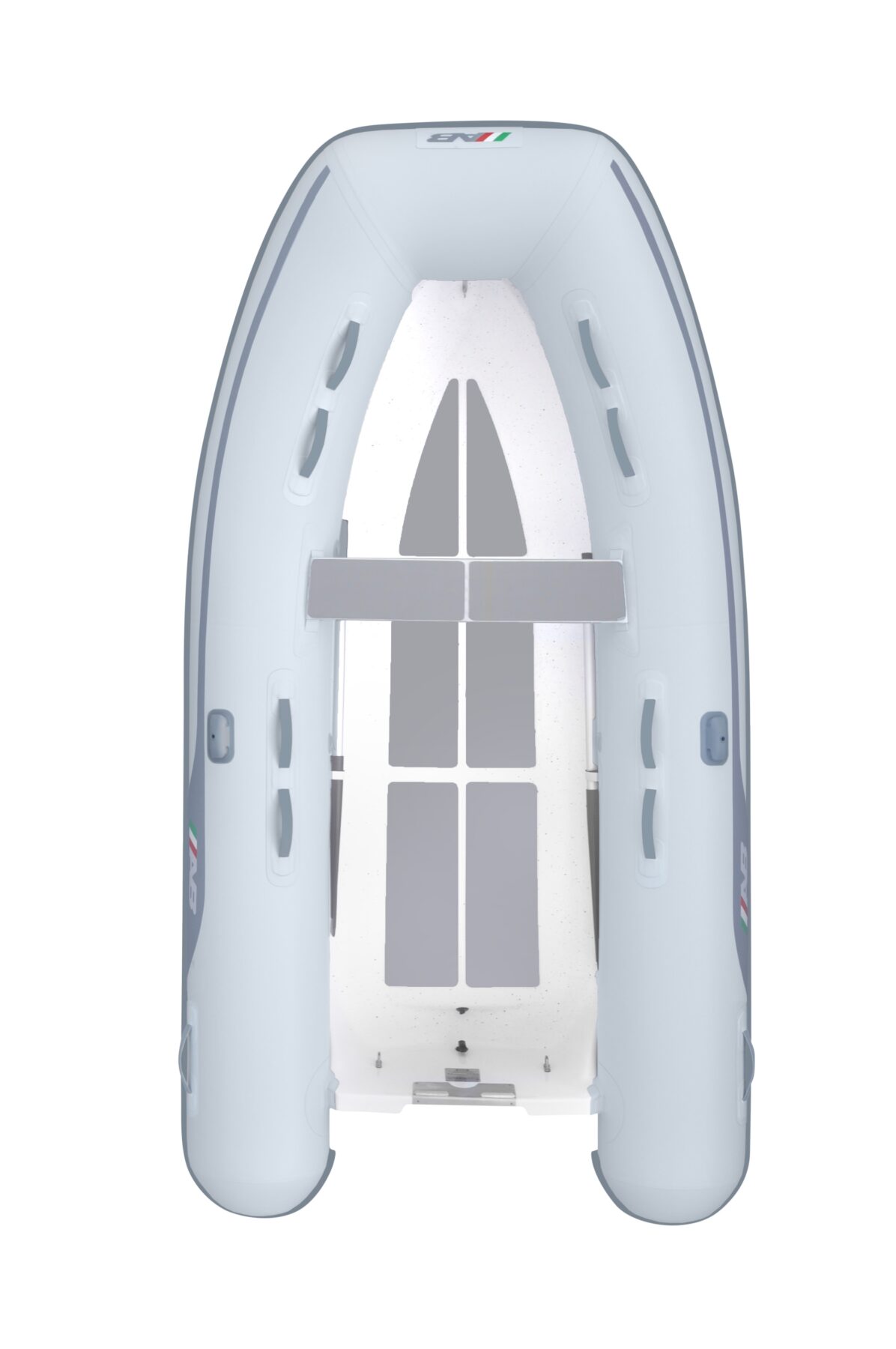
Best Dinghies and Outboards for Cruising
RIBs, rollups, and outboards compared — how to pick the right dinghy and motor for your boat and cruising style.
 Propulsion
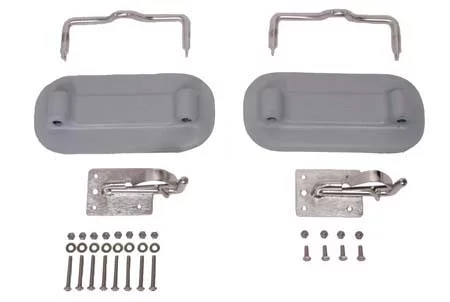
Sailboat Davits
Davit systems for cruising sailboats — Kato, Weaver, Garhauer, and stern-arch options.
 Propulsion
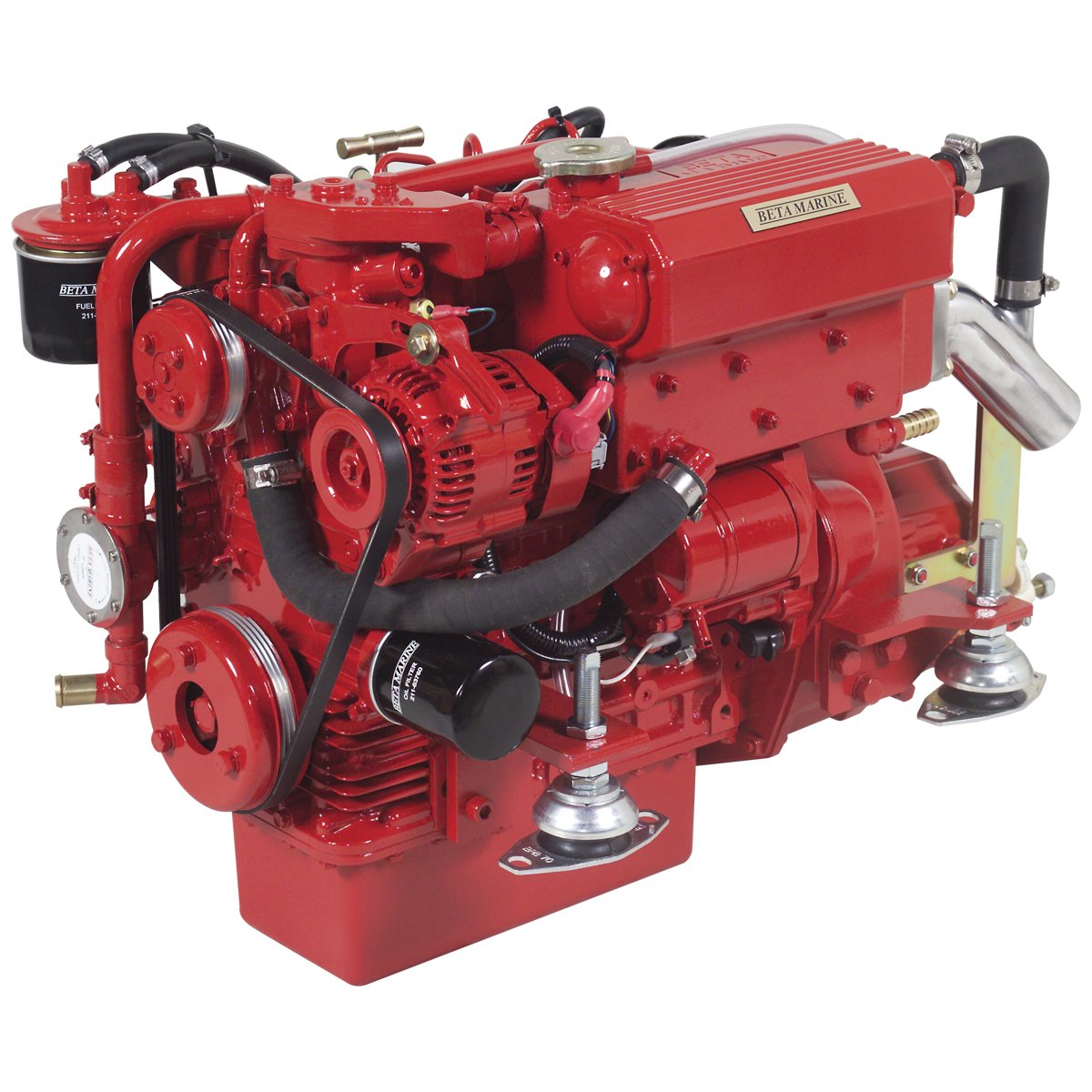
Sailboat Repowering: Beta vs Yanmar vs Volvo Penta
Sizing horsepower, real installation costs, saildrive vs shaft, and how Beta Marine, Yanmar and Volvo Penta actually compare.
Looking for more gear guides? Browse all our gear recommendations or the full guides index.