Best Dinghies and Outboards for Cruising
On a cruising sailboat, your dinghy is your car. Here's how to choose the right hull-and-outboard combination — and the ones we'd buy today.
Sailboat Atlas may earn a commission from qualifying purchases made through links on this page, at no extra cost to you.
How to choose
Match dinghy to boat size and storage
A rough rule: dinghy length should be about a quarter of your boat's LOA. A 40 ft cruiser wants a 10 ft dinghy; a 32 ft daysailer is better served by an 8 ft rollup. Just as important is where the dinghy lives when you're offshore — davits, foredeck chocks, or deflated in a locker each drive different design choices.
Hypalon vs. PVC
Hypalon tubes cost more but survive tropical UV for a decade; PVC tubes are half the price and last 3–5 years in strong sun. If you cruise anywhere warmer than the mid-Atlantic, Hypalon pays back its premium in avoided replacements.
Outboard sizing
A dinghy that won't plane makes you a slow, wet target for every wake in the harbor. For a 10 ft RIB with 2–3 aboard, 9.9–15 hp is what you need to plane reliably; 6 hp will keep you at displacement speed. Undersize the outboard only if you truly value the weight savings more than the on-water experience.
Best dinghies
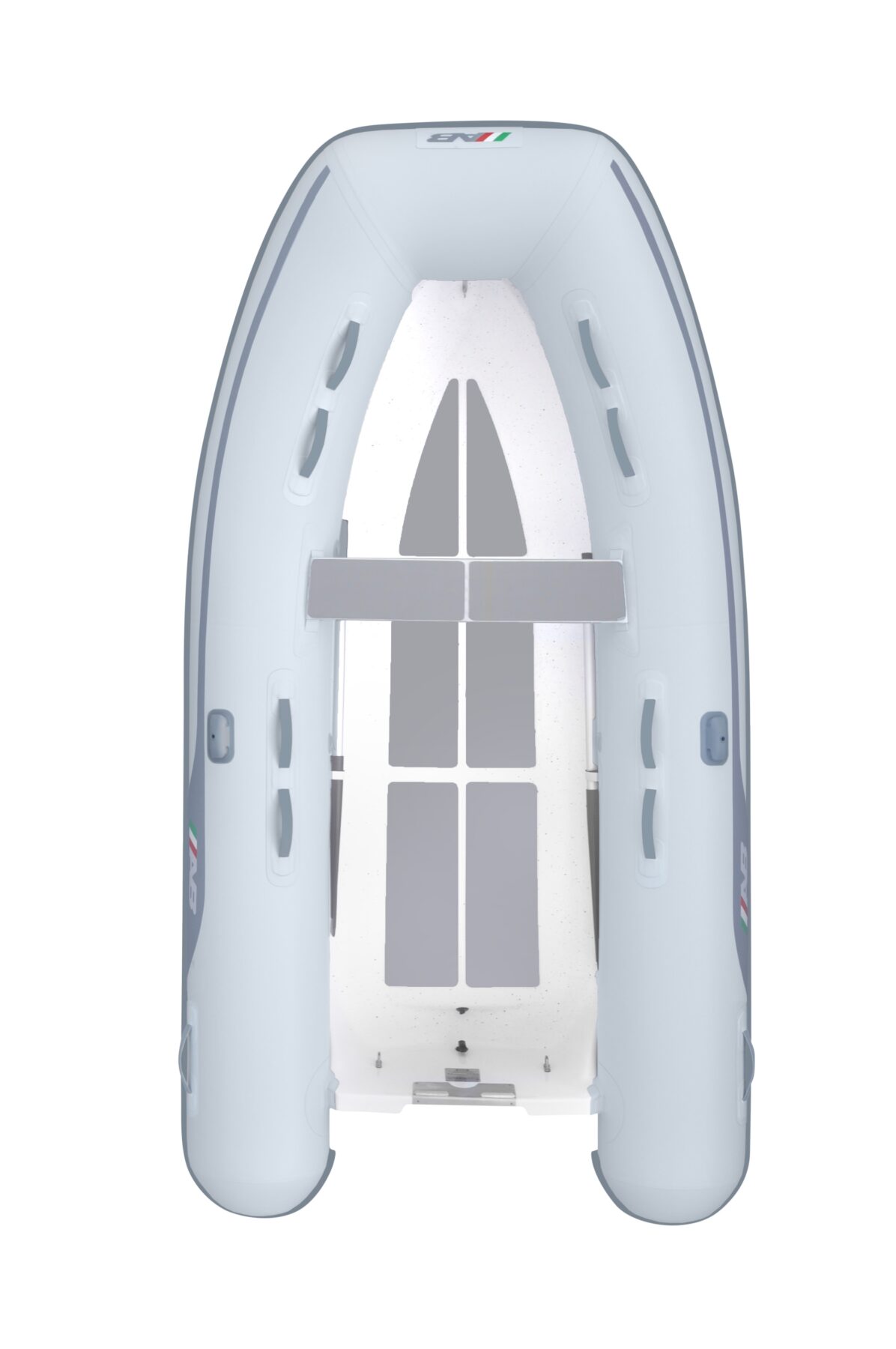
AB Inflatables Ventus 10 VL
Best overall cruising RIB
The Ventus 10 VL is what cruising couples end up with after burning through two or three cheaper dinghies. Hypalon tubes actually survive tropical sun; the deep-V hull planes cleanly with a modest outboard and doesn't beat you up in chop; and the whole thing is designed to live on davits or a foredeck for years. It's expensive, but amortized over a decade of daily use — and considering the dinghy is your car on a cruising boat — it's the pick that keeps making sense.
- Length
- 10 ft 4 in — sweet spot for 40–48 ft cruisers
- Capacity
- 5 adults / 950 lbs
- Weight
- 125 lbs (hull only)
- Typical price
- $4,500–$5,500
Pros
- Hypalon tubes rated for tropical UV; realistic 10+ year life in the sun
- Deep-V fiberglass hull planes cleanly with 15 hp and stays dry in chop
- Well-designed lifting points and towing eyes — davit-friendly out of the box
- AB's dealer network in the Caribbean and Med is excellent for repairs
Cons
- Expensive next to PVC-tube alternatives, and Hypalon repair is a specialist job
- Heavier than PVC dinghies of the same size — matters if you hoist on davits often
- Fiberglass hull is more prone to gel-coat damage on rocky beach landings
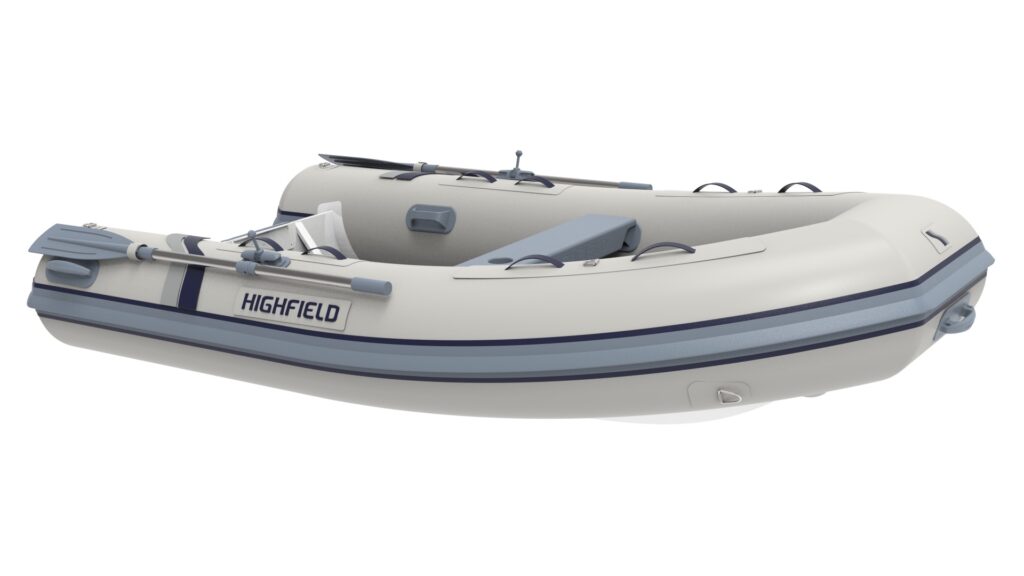
Highfield Ultralite 310
Best lightweight aluminum-hull dinghy
Highfield's aluminum-hull dinghies solve the single biggest problem with cruising RIBs: weight. A 70-lb hull with a 45-lb 9.9 hp outboard is genuinely liftable by two people onto standard davits without a hydraulic system. That opens up dinghy choice on 38–45 ft cruisers where a full fiberglass RIB would overload the davits. If your boat is at the smaller end of cruising size or you don't want to install heavy-duty davits, this is the dinghy to buy.
- Length
- 10 ft 2 in
- Capacity
- 4 adults / 880 lbs
- Weight
- 70 lbs (hull only) — dramatically lighter than fiberglass RIBs
- Typical price
- $3,800–$4,600
Pros
- Aluminum hull is roughly half the weight of comparable fiberglass RIBs — a big deal for davit-lifting
- Impact-resistant aluminum shrugs off beach landings and coral bumps that would gel-coat a glass hull
- Hypalon tubes; same UV story as AB
- Planes with 8–9.9 hp thanks to the low weight
Cons
- Aluminum can develop paint chalking in salt over years; cosmetic more than functional
- Slightly noisier under way than a fiberglass hull
- Less common on the used market, so resale takes patience
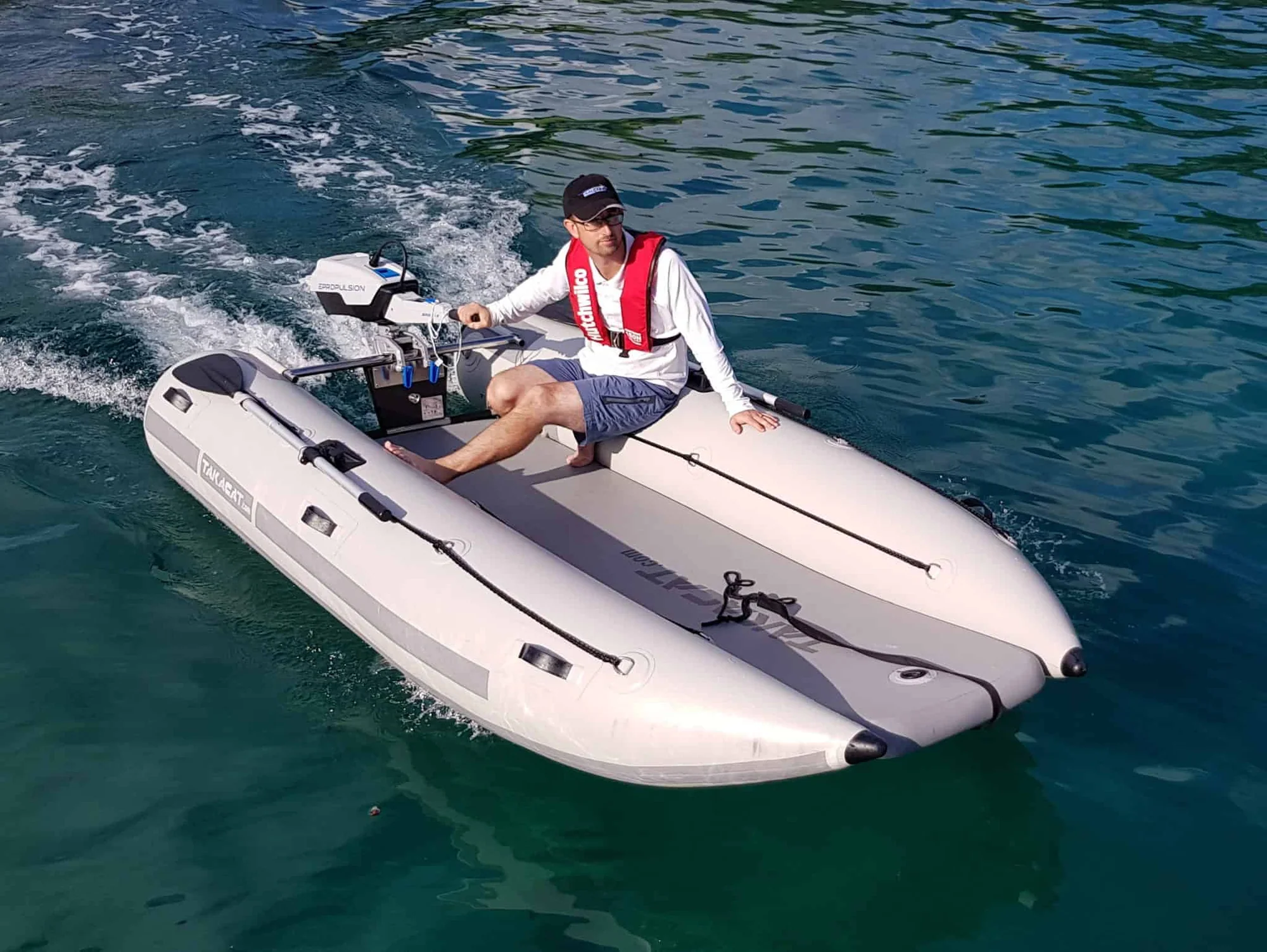
Takacat T340LX
Best stowable / rollup dinghy
The Takacat is the dinghy for boats without davits. On a 35 ft cruiser where a hard RIB is impossible to stow, the T340 gives you 90% of the on-water experience in a package you can pack in a locker for offshore passages. The catamaran hull design is genuinely more efficient than a traditional inflatable, and 6 hp is enough to plane it with two aboard. If your boat can't take a permanent dinghy, this is the answer — but if you have davits, buy a proper RIB.
- Length
- 11 ft 2 in inflated, rolls to a duffel-sized package
- Capacity
- 4 adults / 660 lbs
- Weight
- 62 lbs
- Typical price
- $2,800–$3,400
Pros
- Truly rollable — packs into a size that fits in a cockpit locker on smaller boats
- Open-transom catamaran hull design planes efficiently with just 6 hp
- No davits required; ideal for boats under 40 ft that need to stow the dinghy on deck
- Surprisingly dry ride for an inflatable-floor design
Cons
- Not as durable as a rigid-hull RIB against pier and coral abrasion
- Inflating and deflating for every stow is a real chore compared to davit-lifting a RIB
- Open transom takes water when loaded heavily or stopped in a following sea
Best outboards
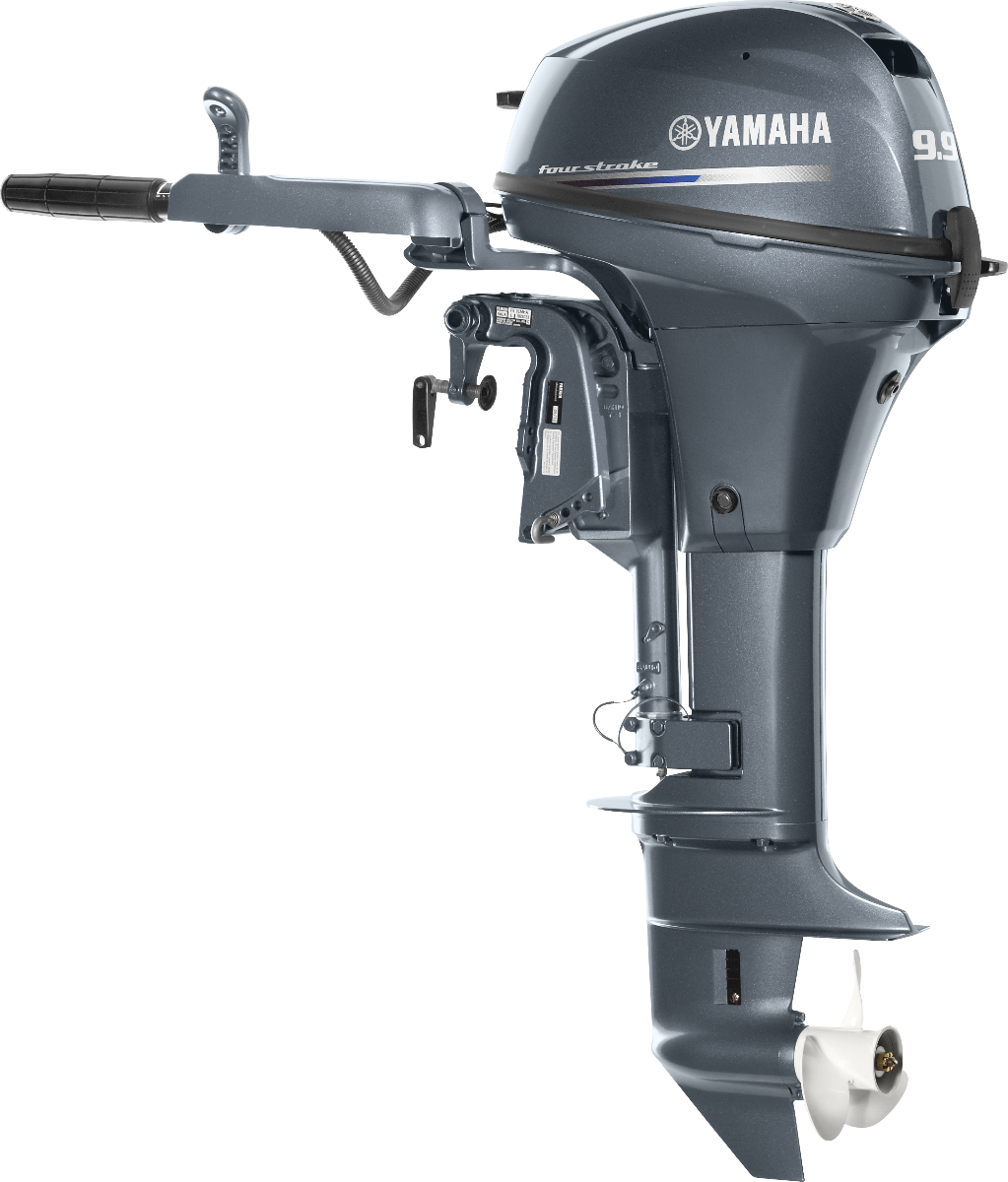
Yamaha F9.9 SMHB (2-stroke portable)
Best overall cruising outboard
The Yamaha 9.9 4-stroke is the outboard everyone eventually buys. It's not the cheapest, lightest, or most powerful — but it starts every time for a decade, sips fuel, and can be serviced anywhere in the world. For a cruising dinghy that gets used 200+ times a year, buying anything else is usually false economy. If your dinghy can carry the weight, this is the default recommendation.
- Power
- 9.9 hp 4-stroke
- Fuel
- External tank; ~0.6 gal/hr at cruise
- Weight
- 88 lbs — right at the ceiling of what two people can lift onto a stern rail
- Typical price
- $3,200–$3,800
Pros
- Yamaha reliability is legendary — 15+ years of daily use is normal with basic maintenance
- 9.9 hp planes a 10 ft RIB with 2–3 aboard, and pushes a heavier dinghy at hull speed all day
- Parts and service available in virtually every cruising destination in the world
- Fuel-efficient 4-stroke — big deal in remote areas where gas is expensive and scarce
Cons
- Heavier than 2-stroke equivalents of the same power
- 88 lbs is a serious lift for one person — many cruisers install a small crane or motor bracket
- 4-stroke oil changes add a small maintenance task 2-strokes don't have

Honda BF6 (portable 4-stroke)
Best lightweight outboard
For a couple with a lightweight dinghy who values a one-person lift, the Honda BF6 is the ideal outboard. It's not powerful enough to plane a fully loaded RIB, but it pushes a Takacat or lightweight rollup at hull speed all day, and lifts onto a stern rail without the winch-and-block choreography a 9.9 requires. Undersize your dinghy and match it with a BF6, and daily life on the boat gets noticeably easier.
- Power
- 6 hp 4-stroke
- Fuel
- Internal tank (1 L) + external option
- Weight
- 60 lbs — genuinely one-person liftable
- Typical price
- $2,000–$2,400
Pros
- Light enough for one person to lift onto a stern rail bracket single-handed
- Honda 4-stroke reliability rivals Yamaha; parts network is nearly as good
- Efficient enough that a 1 L internal tank runs 45 minutes at cruise
- Quiet — noticeably quieter than 2-stroke competitors, which matters at anchor
Cons
- 6 hp doesn't plane larger dinghies with 3+ aboard — a real limitation for family cruising
- Internal-tank-only variant limits range; the external-tank version costs more
- Displacement speeds only in chop with load
Torqeedo Travel 1103 CS (electric)
Best electric outboard
The Torqeedo Travel 1103 is the electric outboard that finally works for cruisers who value silence and simplicity over range. On a lightweight dinghy going ashore in calm anchorages, the range is fine and the silence is genuinely wonderful — you can hear conversations from the beach, birds, the water. In current, chop, or on long runs to distant beaches, a gas 9.9 will still leave it behind. Best used as a primary outboard on a small daysailer or as a secondary electric option on a cruising boat with plenty of charging capacity.
- Power
- Equivalent to ~3 hp gas, integrated 915 Wh lithium battery
- Range
- 10+ nm at slow speed, ~1 hr at full throttle
- Weight
- 39 lbs total (motor + battery)
- Typical price
- $2,600–$3,000
Pros
- No fuel to store, no oil to mix, no carbs to clean — genuinely maintenance-free
- Integrated battery is field-swappable and USB-chargeable in emergencies
- Silent operation transforms morning coffee-runs and evening returns
- Legal in the growing list of anchorages that ban gas outboards
Cons
- Range and speed limitations are real — this is not a dinghy for windy conditions or fighting current
- Battery replacement cost after 5–7 years is significant
- Charging on-board requires solar or generator capacity you may not have to spare
Frequently asked questions
Do I need a hard bottom or is inflatable-floor enough?
If you'll plane with an outboard, a rigid hull (RIB) or aluminum hull is worth the weight. Inflatable-floor dinghies work fine at displacement speed but flex too much to plane efficiently with load.
2-stroke or 4-stroke outboard?
4-stroke everywhere new outboards are legal (which is most of the world now). Lighter, cheaper 2-strokes still exist on the used market but fuel efficiency, noise, and emissions all favor 4-stroke for cruising use.
How do I keep the dinghy from being stolen?
Lift it out of the water every night in high-theft anchorages; use a stainless cable and lock through the outboard clamp screws and the dinghy handles otherwise. Register your outboard and photograph the serial number.
More gear guides
Related guides
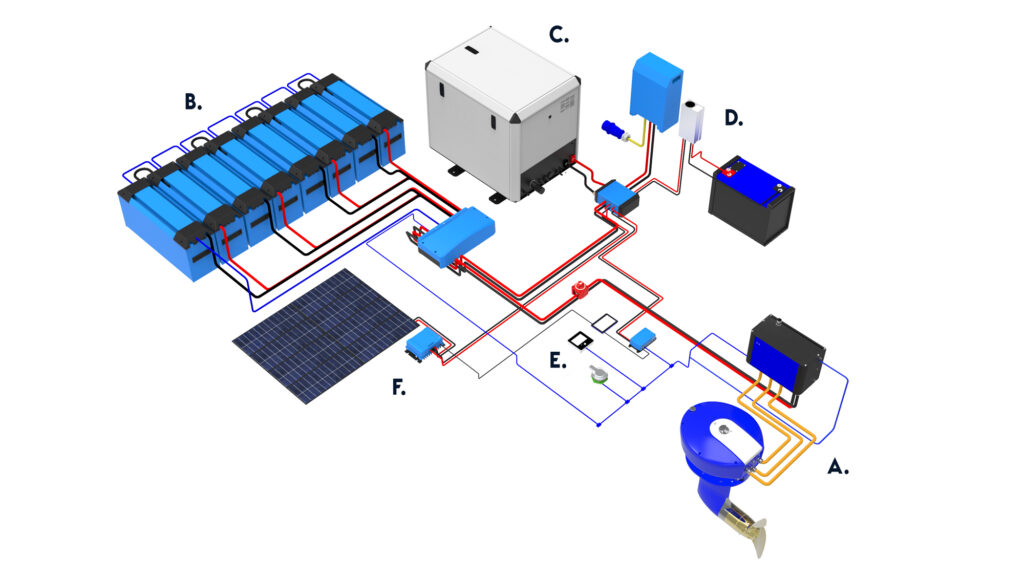 Propulsion
Electric Propulsion for Sailboats
When electric propulsion makes sense on a sailboat, how to size batteries and regen, and the electric drive systems worth buying.
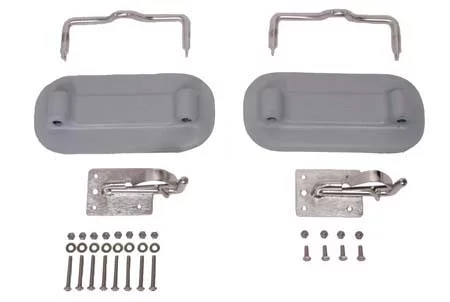 Propulsion
Sailboat Davits
Davit systems for cruising sailboats — Kato, Weaver, Garhauer, and stern-arch options.
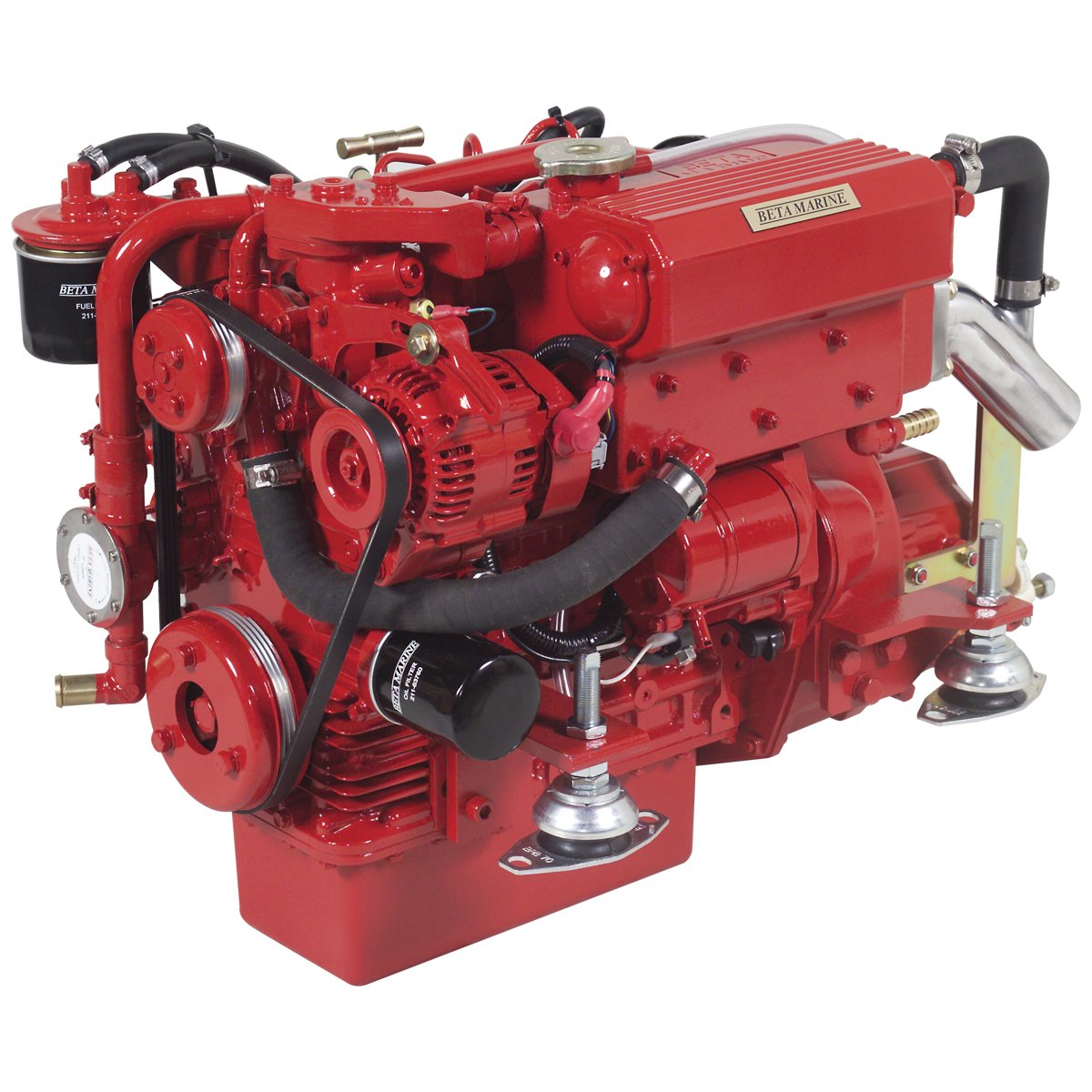 Propulsion
Sailboat Repowering: Beta vs Yanmar vs Volvo Penta
Sizing horsepower, real installation costs, saildrive vs shaft, and how Beta Marine, Yanmar and Volvo Penta actually compare.
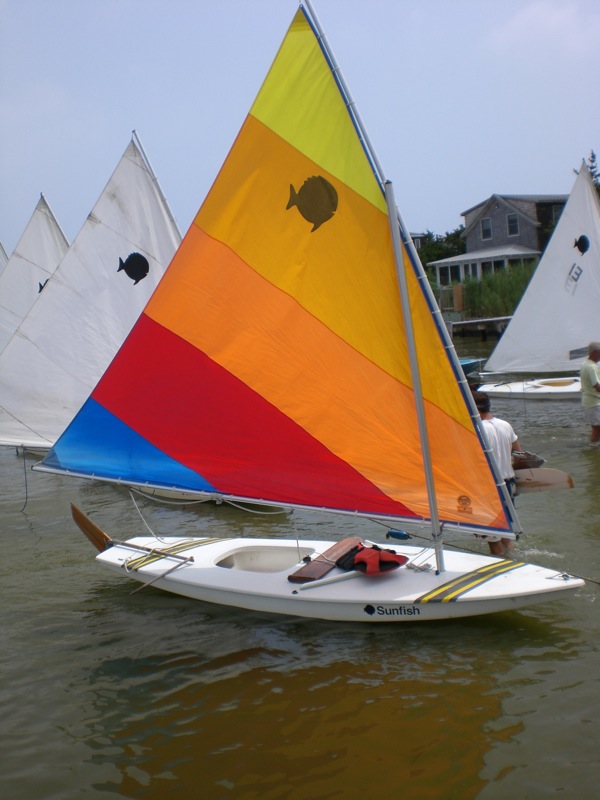 Boats
BoatsBest Small Sailboats for Beginners
Dinghies, daysailers and a pocket cruiser compared — what each teaches, real downsides and first-season costs.