Best Small Sailboats for Beginners
If you're learning alone, buy a Sunfish: one sail, no systems, and cheap enough that mistakes don't matter. If a whole family is learning together, buy a Catalina 16.5 or a Flying Scot — both are stable, forgiving, and big enough that nobody is perched on a rail. Sailors who want to become genuinely skilled should start on a Laser/ILCA, and anyone whose real ambition is small-boat cruising should look at the West Wight Potter 19. This guide explains what separates these boats, what each one teaches, what your first season actually costs, and how to avoid the classic first-boat mistakes.
Sailboat Atlas may earn a commission from qualifying purchases made through links on this page, at no extra cost to you.
Dinghy or daysailer: which teaches you more
Small sailboats split into two families, and they teach differently.
A dinghy is unballasted and light. It responds to every shift in wind and every movement of your weight, which means feedback is instant and honest. Sheet in too hard and the boat tells you immediately; sit in the wrong place and it heels. Dinghy sailors learn wind awareness, sail trim, and balance faster than anyone else, and they learn it in hours rather than seasons. The cost is that dinghies capsize — routinely, and as part of the process.
A daysailer is heavier, beamier, and often carries a small ballasted centreboard or a stub keel. It won't capsize in ordinary conditions, it seats several people, and it stays dry. It teaches the same principles more slowly and more comfortably, and it is what most families should actually buy, because a boat that everyone enjoys gets sailed every weekend while a boat that dumps beginners in cold water sits on its trailer.
There is also the beach catamaran path, of which the Hobie 16 is the classic: fast, exciting, launched off sand, and best for people who want thrill first and technique second.
Sail plan: why one sail is easier than two
A single-sail (cat-rigged) boat like a Sunfish or Laser has one sail, one halyard, and one sheet. Everything a beginner needs to understand — angle to the wind, sheet tension, weight placement — is visible in one object. Nothing competes for attention.
A sloop adds a jib in front of the mast. That introduces the slot between the two sails, jib sheets that must be released and trimmed on every tack, and a second person to coordinate with. It's more to learn, but it's also the rig on essentially every keelboat you'll ever sail afterwards, so learning it on a stable 16-footer transfers directly.
Practical advice: if only you are learning, take the single sail. If you're learning as a pair or a family, take the sloop — the jib gives the second person a job, and shared tasks keep everyone engaged.
A spinnaker (the large downwind sail) is a later addition. Boats like the Flying Scot support one, which means you can add a genuinely new skill without changing boats.
Capsize, recovery, and why it matters more than you think
Every beginner on a dinghy will capsize. Planning for it is the difference between a funny story and a bad day.
Standard dinghy recovery: let go of the sheets, swim to the centreboard, stand on it, and use your weight to lever the boat upright while staying with it. On a Sunfish or Laser this takes under a minute once you've practised. Practise deliberately in warm, shallow, protected water before you need to do it for real.
Catamarans are different. A Hobie 16 that goes fully inverted ("turtles") is genuinely hard to right without a righting bag or line and two people who know the sequence — the mast fills and the hulls sit high. Anyone buying a beach cat as a first boat should learn and practise this specifically.
Ballasted boats like the Potter 19 don't capsize in ordinary conditions, which is a large part of their appeal for nervous beginners and for anyone sailing in cold water where immersion is a real risk rather than an inconvenience.
Regardless of boat: wear the life jacket rather than stowing it, sail with someone who can see you, and keep the first few outings in light air. Nothing damages a new sailor's confidence like a first day in 20 knots.
What a first season actually costs
The boat is often the smallest number. A usable second-hand Sunfish or Laser can be $500 to $2,500. A Flying Scot or Catalina 16.5 in good order with a trailer generally runs $3,000 to $12,000 depending on age.
Then add: a trailer with sound bearings, tyres, and lights (a bad trailer can cost as much as a cheap boat to make roadworthy); sails, which are the most commonly worn-out item and are easily $600–$1,500 for a new main on a small boat; a launching dolly if you're beach launching; storage, whether a driveway, a club yard, or a dry-sail rack; and safety gear.
Costs a beginner usually forgets: club membership (often the best value in sailing, because it comes with a ramp, storage, and people who'll teach you), insurance (cheap at this size but worth having), and cover or tarp to keep UV off the boat between sails.
The good news is what you don't pay: no marina slip, no engine servicing, no haul-out, no antifouling. A small sailboat is by far the cheapest way to sail regularly, and it is why many experienced sailors keep a dinghy long after they've bought a bigger boat.
First-season budget breakdown
Here is where the money actually goes in a first season, using typical used-market ranges. The dinghy column assumes a Sunfish or older Laser; the daysailer column assumes a Catalina 16.5 or Flying Scot.
| Item | Dinghy path | Daysailer path |
|---|---|---|
| The boat | $500–$2,500 | $3,000–$12,000 |
| Trailer (roadworthy) | Often none needed — a dolly is $300–$600 | $500–$1,500 if not included |
| Sails, if the old ones are tired | $300–$800 | $600–$1,500 |
| Safety gear (life jackets, whistle, paddle, bailer, VHF or phone case) | $150–$400 | $150–$400 |
| Club membership or storage | $200–$800 / year | $200–$800 / year |
| Insurance | $100–$300 / year | $100–$300 / year |
| Cover or tarp | $100–$300 | $100–$300 |
| Lessons (optional, recommended) | $200–$500 | $200–$500 |
All-in, a realistic first season on a dinghy runs roughly $1,000–$4,000; a daysailer with a trailer runs roughly $5,000–$15,000. These are broad typical ranges, not quotes — condition, location, and whether a trailer is included swing them more than anything else.
The two places beginners overspend are a boat that is bigger than they need and a "bargain" that needs sails and a trailer. The place they underspend is lessons — a weekend of instruction is worth a season of trial and error.
Buying used: what to check on a small sailboat
Nearly every good first boat is a used boat. Five things determine whether it's a bargain or a project.
Hull moisture and soft spots. Press the deck around fittings and the mast step. Soft, spongy areas mean a wet core, which is the one repair that can exceed the boat's value. Older Lasers are known for waterlogged hulls — a boat that weighs noticeably more than spec has taken on water.
Sails. Hold them to the light. Crispness means life left; limp, stretched cloth with a tired leech means you're buying new sails soon. Price accordingly rather than walking away.
Rigging and fittings. Check for corrosion at the mast base, cracked plastic blocks, worn shackles, and frayed halyards. All cheap, but they add up and they're all needed before the first sail.
Centreboard or daggerboard. Look for delamination, cracks, and a trunk that isn't split. On swing boards, check the pivot.
The trailer. Spin the wheels, look at the tyre date codes, test the lights, and check the bunks aren't rotten. Then look at the frame for rust, especially if the boat has been launched in salt water.
The first-boat buying checklist
Print this and take it to every viewing. A boat that fails any of the first five items is a project, not a bargain — walk away or reprice it as one.
- Sail it first. Ten minutes on the water reveals sticky centreboards, leaking bailers, and rigging that doesn't run. If the seller won't rig it, ask yourself why.
- Press the deck and mast step. No soft or spongy areas anywhere — a wet core can cost more than the boat.
- Hold the sails to the light. Crisp cloth has life left; limp and stretched means pricing in a new suit.
- Check the board and its trunk. No delamination, no cracks, no split trunk, and a swing board that pivots freely.
- Inspect the trailer properly. Bearings, tyre date codes, lights, bunks, and frame rust — especially on salt-water boats.
- Confirm the paperwork. A title or bill of sale in the seller's name, and a hull number that matches it.
- Confirm support exists. An active local fleet or a builder still making parts — both matter more than a low price.
- Budget the whole season, not the boat. Boat plus trailer, sails, safety gear, storage, and club fees — use the budget table above before you negotiate.
Step by step: from zero to your first season
The order matters. Most beginners start at step 4 and skip the steps that save the money.
- Spend a month at a club first. Sail their boats, take a weekend course, and find out what you actually enjoy before you own anything. This is the cheapest education in sailing.
- Decide dinghy or daysailer. Learning alone: dinghy. Learning as a family or couple: daysailer. Want to race seriously: Laser/ILCA. Want to sleep aboard: Potter 19.
- Set a total budget. Use the breakdown above and include trailer, sails, and gear — then hold 10% back for the surprises every used boat has.
- Shop the local fleet. Ask at the club who is selling. Fleet boats are usually maintained, fairly priced, and come with free advice for years afterwards.
- Inspect with the checklist. Bring someone who sails if you can. Reprice for tired sails and a tired trailer rather than walking away from an otherwise good boat.
- Do the first outings in light air. Five to ten knots, protected water, someone who can see you. Practise capsize recovery deliberately on a warm day before you need it.
- Sail every weekend of the first season. Consistency is what turns a purchase into a skill — and it's the real test of whether you bought the right boat.
Common first-boat mistakes
Buying too big. The most common error by a wide margin. A 25-footer sounds more capable, but rigging, docking, and maintenance overhead means it gets sailed a fraction as often as a dinghy that lives on a dolly.
Buying a project. A cheap boat needing sails, rigging, and a trailer is not cheap, and the work happens instead of sailing. Buy the boat that's ready.
Ignoring the local fleet. Buy what your nearest club sails. A fleet means free coaching, spare parts, someone to sail against, and a much easier resale.
Starting in too much wind. Learn in 5–10 knots. Everything makes sense at that speed and nothing does at 20.
When you're ready for a bigger boat, our trailerable sailboats guide is the natural next step, and types of sailboats explains how the categories fit together.
Our picks
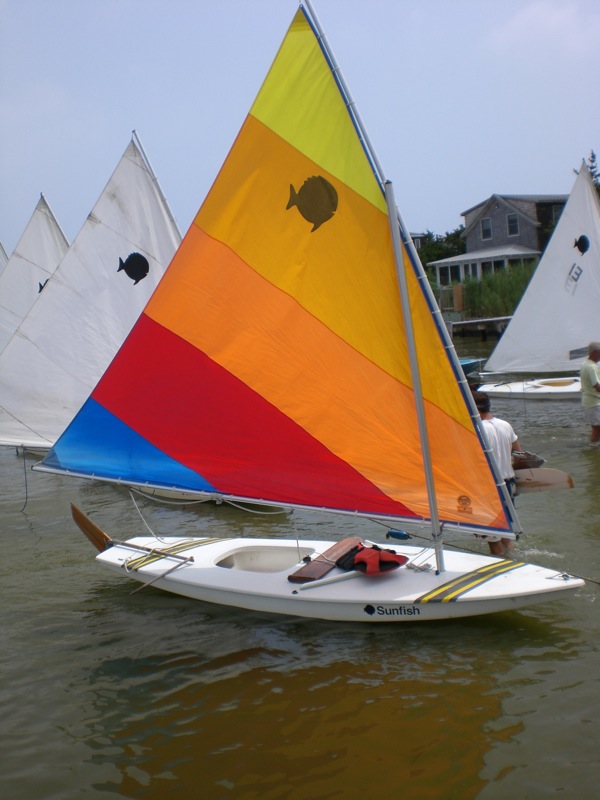
Sunfish
Best first sailboat for one adult or a parent and child
More people have learned to sail on a Sunfish than on any other boat, and the reason is that it removes every distraction. There is one sail to trim, no jib to coordinate, no winches, and no engine — so a beginner spends the whole session learning wind, balance, and steering rather than managing systems. It capsizes easily and rights easily, which is exactly the feedback loop a new sailor needs. Buy one if you're learning alone or teaching a child; move on when you want to sail with two people and stay dry.
- LOA
- 13' 9"
- Hull weight
- ~120 lb
- Rig
- Single lateen sail, ~75 sq ft
- Crew
- 1–2
Pros
- One sail, one halyard, one sheet — the simplest possible introduction to how sailing works
- Light enough for one person to cartop and drag down a beach without a trailer
- Enormously popular for decades, so used boats are cheap and parts are still made
Cons
- You will get wet: there is no cockpit to speak of and no protection at all
- The lateen rig is inefficient upwind, so habits learned here need adjusting on a modern rig later
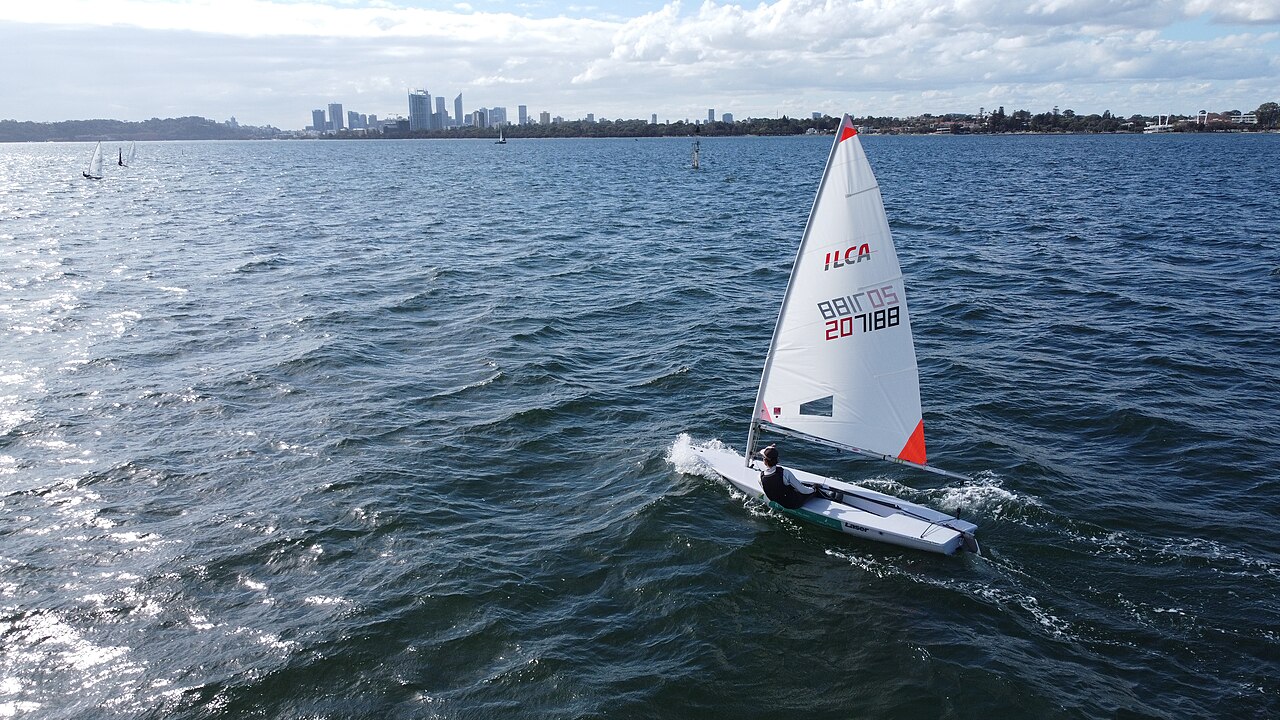
Laser / ILCA Dinghy
Best for learning to sail properly and racing
If your goal is to become genuinely good rather than merely competent, the Laser (now ILCA) is the fastest path. Every input shows up immediately in boat speed, so bad habits don't hide, and the class is so large that you can find racing and coaching nearly anywhere. The rig options matter more than people realise: the ILCA 4 and 6 make the boat manageable for lighter or younger sailors on the same hull, so it grows with the sailor. It is not the relaxing choice — but nothing teaches faster.
- LOA
- 13' 10"
- Hull weight
- ~130 lb
- Rigs
- ILCA 4 / 6 / 7 (interchangeable)
- Crew
- 1
Pros
- Three interchangeable rig sizes let the same hull suit a lightweight teenager or a full-grown adult
- The world's largest one-design racing class — there is a fleet almost everywhere, which accelerates learning enormously
- Extremely responsive: it teaches sail trim and body position faster than any forgiving boat can
Cons
- Physically demanding — hiking hard for an hour is real exercise, and the boat punishes bad technique
- Unforgiving of mistakes: you will capsize repeatedly while learning, which suits some people and not others
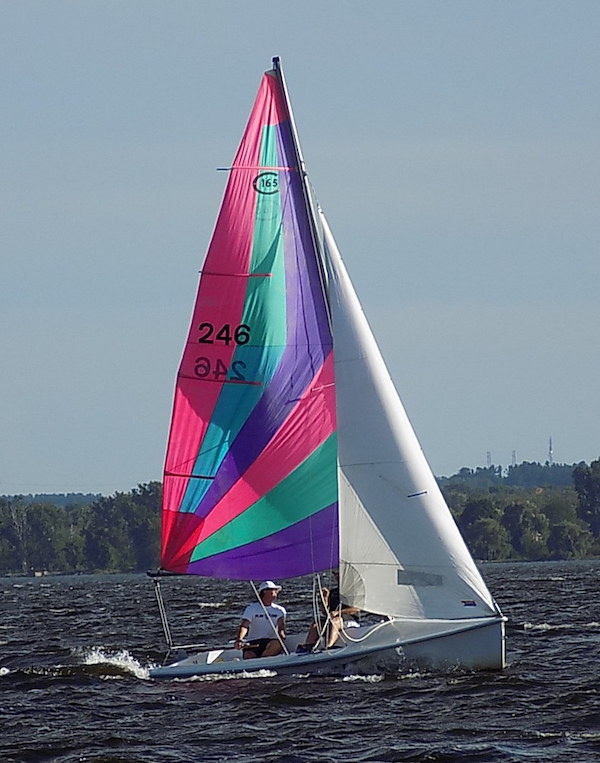
Catalina 16.5
Best beginner boat for a family day sail
The Catalina 16.5 is the boat to buy if the whole household is learning together. It's big enough that four people fit without anyone perching, stable enough that a first capsize is unlikely, and rigged as a conventional sloop so everything you learn transfers directly to a keelboat later. The trade against a dinghy is engagement — it won't teach you as much as quickly, and you need a trailer and a ramp. For most families that is exactly the right compromise: the boat that gets used every weekend beats the boat that teaches faster.
- LOA
- 16' 4"
- Hull weight
- ~410 lb (centreboard)
- Rig
- Sloop — main and jib
- Crew
- Up to 4
Pros
- Big, dry cockpit that seats a family — the most comfortable boat here for a casual afternoon
- Main-and-jib sloop rig teaches the sail interactions you'll use on every larger boat
- Stable and forgiving; the centreboard version launches from almost any ramp
Cons
- Too heavy to move without a trailer, unlike a cartoppable dinghy
- Slow and undemanding compared with a Laser, so it teaches less about fine trim

Flying Scot
Best beginner boat that you won't outgrow
The Flying Scot is the answer for people who don't want to buy twice. It is beamy and stable enough that a nervous beginner will relax within an afternoon, roomy enough to take three friends, and supported by a one-design class strong enough that the same boat will still be interesting when you're racing it competitively five years later. The spinnaker option adds a whole skill set without changing boats. Its weight is the honest downside: this is a trailer-and-ramp boat, not something you throw on a roof rack.
- LOA
- 19' 0"
- Hull weight
- ~850 lb
- Rig
- Sloop with spinnaker option
- Crew
- 2–4
Pros
- Exceptionally stable for a centreboard boat — very hard to capsize, which builds beginner confidence fast
- Large active one-design fleet, so the same boat works for casual family sailing and serious club racing
- Simple, durable construction and a builder still supporting the class after decades
Cons
- Heavy for a dinghy — you need a trailer and a proper ramp, and it's a two-person job on land
- Not fast; it rewards good tactics rather than athletic sailing
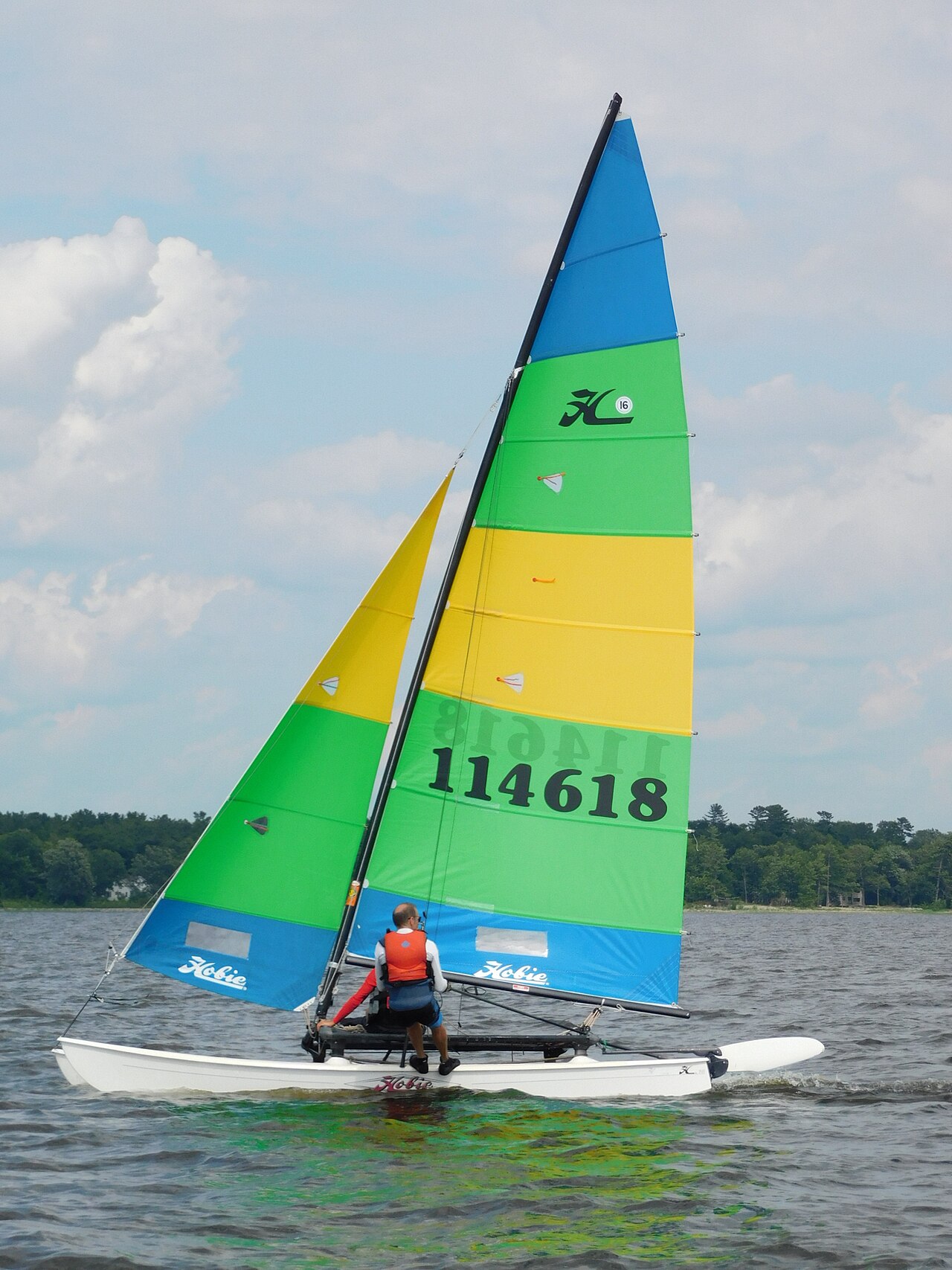
Hobie 16
Best beginner boat for speed and fun
The Hobie 16 is the boat that makes teenagers want to keep sailing. It's fast enough to be thrilling in 12 knots, launches straight off a beach, and teaches crew coordination because it genuinely needs two people working together on the trapeze and sheets. The honest caution is capsize recovery: a Hobie that turtles takes real technique and often a righting bag to bring back, so learn the procedure deliberately in warm shallow water before you need it. Not the best boat for learning precise trim — the best boat for enjoying the process.
- LOA
- 16' 7"
- Weight
- ~320 lb
- Type
- Beach catamaran
- Crew
- 2
Pros
- Genuinely exciting — flying a hull is achievable within a few sessions and is the reason people fall in love with sailing
- Beach launchable with no ramp or trailer needed in the water, and no centreboard to manage
- Huge worldwide class with cheap used boats and easy parts
Cons
- Capsizes are harder to recover than on a dinghy, and can turtle — you need a righting system and a plan
- Asymmetric hulls and no daggerboards mean it points poorly upwind compared with a good monohull dinghy
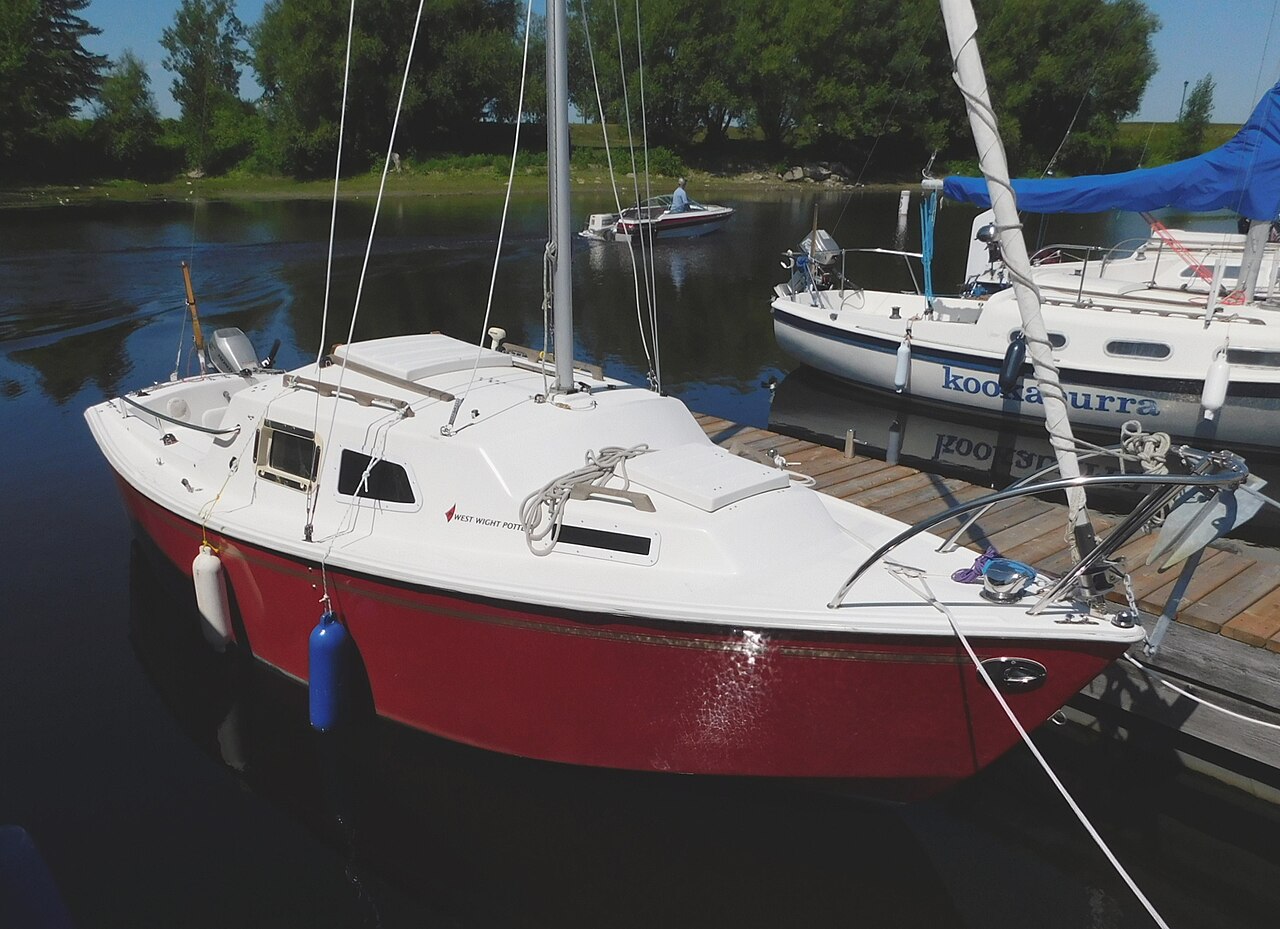
West Wight Potter 19
Best beginner boat you can sleep on
For beginners whose real goal is small-boat cruising rather than dinghy sailing, the Potter 19 skips a step. It is ballasted so it behaves like a small keelboat, has a cabin you can sleep two in, and draws under a foot with the board up so shallow bays and beaches are fair game. It won't teach you the fine feel a dinghy does, and it isn't fast — but it will let a new sailor build confidence, anchor for the night, and start actually cruising within a season. That combination is rare below 20 feet.
- LOA
- 18' 9"
- Displacement
- ~1,225 lb
- Draft (board up)
- ~11 in
- Crew
- 2–4 day, 2 overnight
Pros
- Ballasted and built with sealed flotation, so it is stable and famously hard to sink
- A real cabin with two berths turns a day sail into an overnight adventure
- Light enough to tow with a modest vehicle and shallow enough to beach
Cons
- Slow, and the hard-chine hull pounds noticeably in a short chop
- Cabin is camping-grade — sitting headroom, a portable head, and a cooler
How to choose
| Boat | Typical used price | Best for | Crew |
|---|---|---|---|
| Sunfish | $500–$2,500 | Simplest possible start | 1–2 |
| Laser / ILCA | $1,500–$6,000 | Skill building and racing | 1 |
| Catalina 16.5 | $4,000–$12,000 | Family day sailing | Up to 4 |
| Flying Scot | $5,000–$18,000 | Stability plus club racing | 2–4 |
| Hobie 16 | $1,500–$8,000 | Speed and beach launching | 2 |
| West Wight Potter 19 | $6,000–$18,000 | Overnighting and pocket cruising | 2–4 |
Prices are broad used-market ranges and swing with condition, sails, and whether a sound trailer is included.
Under $2,500: A Sunfish or an older Laser hull. The cheapest genuine sailing available, and you'll learn more per dollar than on anything else.
$3,000–$10,000: A Catalina 16.5 or a good used Flying Scot. This is the range where a family boat with a usable trailer becomes realistic.
$10,000+: A newer Flying Scot with a spinnaker, or a West Wight Potter 19 if sleeping aboard is the goal. Both are boats you can keep for a decade.
One last piece of advice: before buying anything, join the nearest club and sail their boats for a month. You'll learn what you actually enjoy, and you'll usually find a well-maintained boat for sale within the fleet at a fair price.
Frequently asked questions
What is the easiest sailboat to learn on?
A single-sail dinghy like a Sunfish is the easiest to understand because there's only one sail to trim and nothing else to manage. If you want stability over simplicity, a wide daysailer like a Flying Scot or Catalina 16.5 is harder to capsize and more comfortable for learning with others aboard.
Should a beginner start on a dinghy or a keelboat?
Dinghies teach faster because they respond instantly and punish mistakes visibly — you learn wind, trim, and balance in hours rather than seasons. Keelboats are more forgiving and more comfortable. Many sailors do both: dinghy for skill, keelboat for the day out.
How much should a first sailboat cost?
Used Sunfish and older Lasers frequently sell for $500–$2,500. Daysailers like a Flying Scot or Catalina 16.5 run roughly $3,000–$12,000 depending on age and trailer. Budget separately for a trailer in good order, sails (the most commonly worn-out item), and safety gear.
Do I need lessons, or can I teach myself?
You can teach yourself the basics on a forgiving dinghy in protected water, but a few lessons compress months of trial and error into a weekend — especially capsize recovery, right-of-way rules, and reefing. A local club with an active fleet is often the cheapest and best route.
What size sailboat is manageable single-handed as a beginner?
Anything under about 20 feet with a simple rig. A single-sail dinghy is the easiest; a small sloop with a self-tacking or small jib is next. Above 20 feet, docking and rigging start requiring more planning than a first-time sailor usually wants.
What safety gear does a small sailboat need?
Life jackets worn (not stowed), a whistle, a paddle, a bailer, a throwable flotation device, and a handheld VHF or phone in a waterproof case. On any boat that leaves protected water, add an anchor with adequate rode and tell someone your plan.
Related guides
 Boats
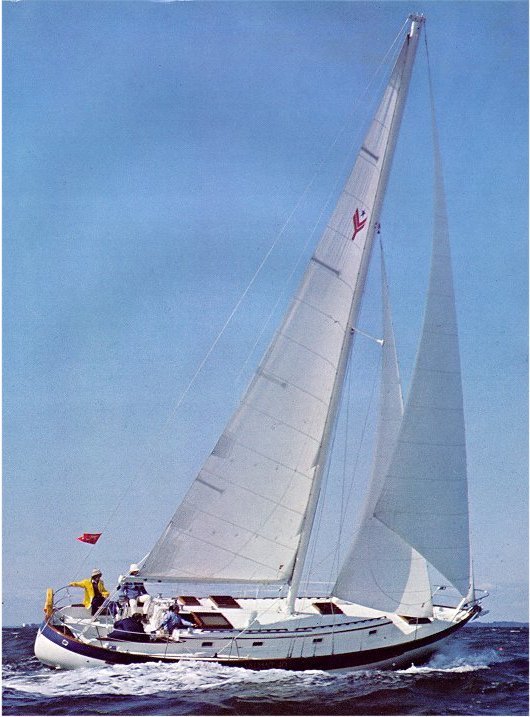
BoatsBest Bluewater Sailboats Under 40 Feet
Eight proven offshore cruisers under 40 feet compared — hull form, build quality, real weaknesses and refit costs.
 Boats
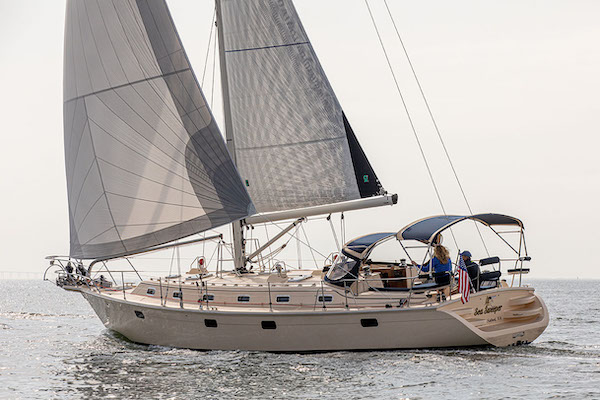
BoatsBest Liveaboard Sailboats
Monohulls and catamarans compared for full-time living — space, running costs, comfort at anchor and systems.
 Boats
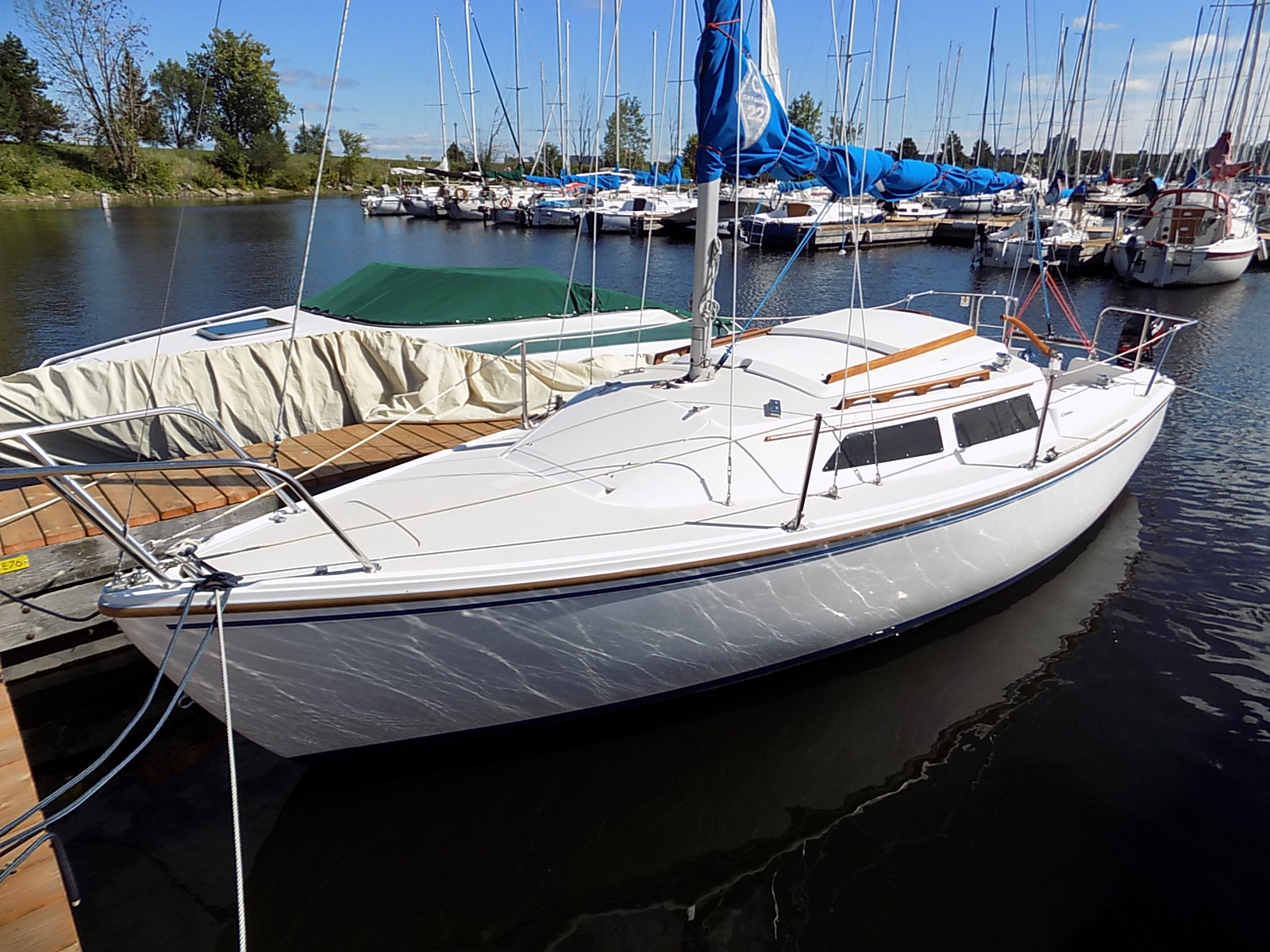
BoatsBest Trailerable Sailboats
Tow weights, ramp setup time, keel types and five trailer sailers worth owning, from Catalina 22 to Corsair 760.
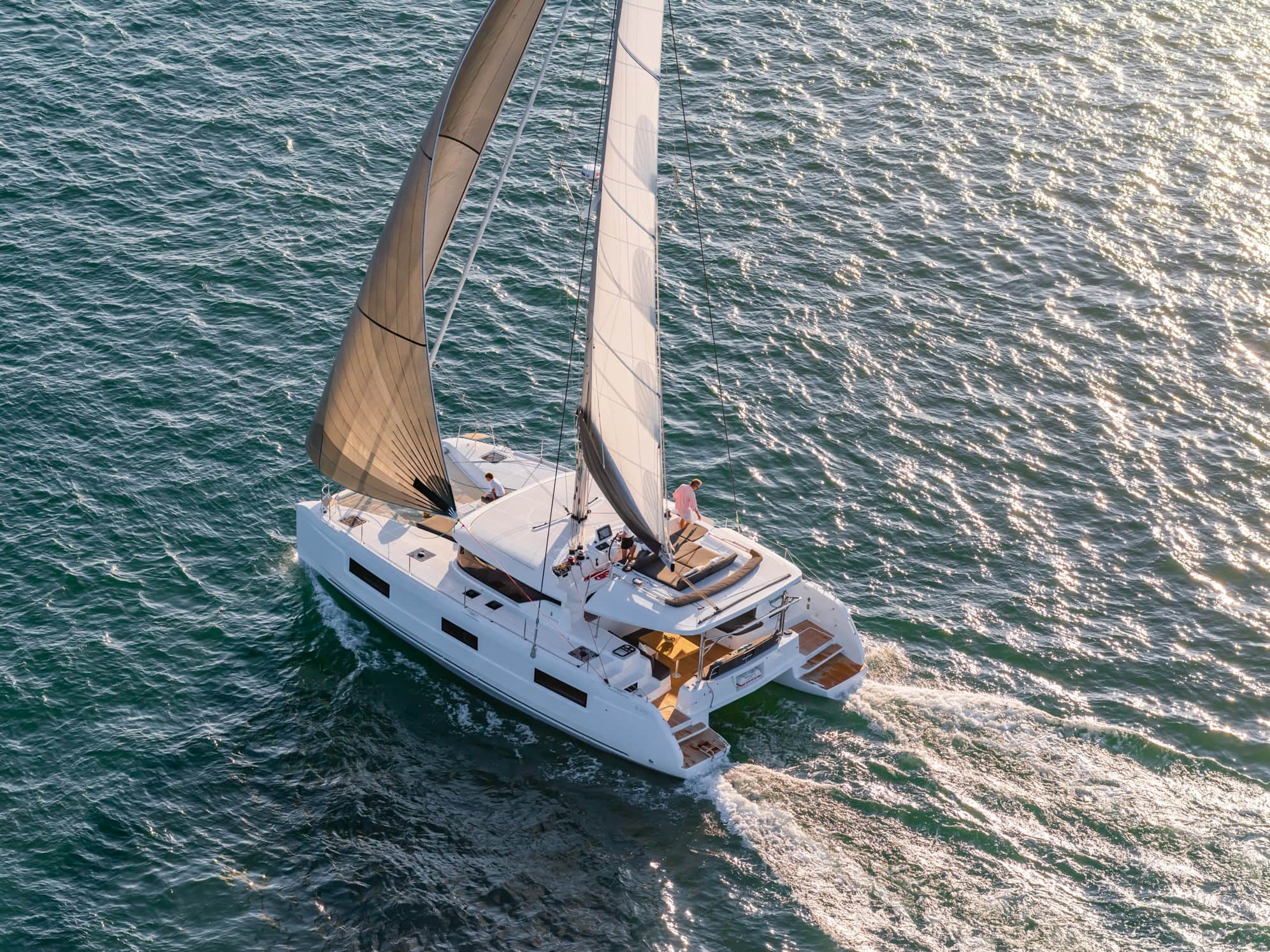 Boats
BoatsBest Liveaboard Catamarans: 7 Top Picks (2026)
The Lagoon 46 suits most families; couples should start with the Astréa 42. All 7 compared, with real running costs.
Looking for more gear guides? Browse all our gear recommendations or the full guides index.