Best Trailerable Sailboats
For most people the Catalina 22 is the best trailerable sailboat you can buy — light enough for an ordinary tow vehicle, simple to rig, and supported by an enormous used market. If you want to sleep aboard on a smaller budget, take the West Wight Potter 19; if you want speed, the Corsair 760 folding trimaran is in another league. Trailer sailing removes the two costs that stop most people owning a boat — the slip and the haul-out — but it introduces a different constraint: how long it takes to get from the parking lot to the water. This guide covers tow weights and legal limits, keel types, realistic rigging times, and five boats worth owning.
Sailboat Atlas may earn a commission from qualifying purchases made through links on this page, at no extra cost to you.
How to work out what your vehicle can actually tow
Boat listings quote dry hull weight, which is never the number that matters. The figure to use is the fully loaded trailer weight: hull, trailer, outboard, batteries, ground tackle, sails, fuel, water, and everything you leave in the lockers. As a rough rule, add 40–60% to the advertised dry displacement.
A West Wight Potter 19 at 1,225 lb dry is realistically 2,000–2,200 lb on the road with a trailer and gear — genuinely towable by many mid-size crossovers. A Catalina 22 at 2,250 lb dry is 3,500–4,000 lb loaded, which needs a proper SUV or light pickup rated well above that figure. Never tow at your vehicle's maximum rating; leave headroom for hills, crosswinds, and braking.
Also check tongue weight (aim for roughly 10% of the total on the hitch), your trailer's axle rating, and whether you need trailer brakes — required above a threshold weight in most jurisdictions. Bearings and tyres are the two things that strand trailer sailors on the roadside; service them annually and carry a spare hub kit.
Legal width, height, and why 8'6" defines the class
The 8-foot-6-inch beam limit for permit-free towing in most US states is the invisible line that shapes every boat in this category. It is why trailerable monohulls stop at roughly 26 feet: beyond that, designers must either narrow the boat until the interior stops working or accept a permit, escort requirements, and route restrictions.
Multihulls dodge the rule mechanically. A Corsair folding trimaran sails at 17+ feet of beam and folds to just over eight for the road, which is how it delivers multihull performance in a trailerable package. Nothing similar exists for cruising catamarans, which is why you don't see trailerable cats.
Height matters too. With the mast down in its crutch and the boat on a trailer, most trailer sailers sit 9–11 feet tall — fine for highways, occasionally a problem for older garages and drive-throughs. Measure before you build storage plans around it.
Swing keel, centreboard, water ballast, or fixed keel
The keel decision determines where you can launch, how the boat sails, and what will need maintenance.
Swing keel. A ballasted keel that pivots into a trunk. Great draft flexibility, good stability once down. The pivot bolt, lifting cable, and winch are wear items, and replacing them usually means dropping the keel — budget for it on any older boat.
Centreboard. An unballasted board in a ballasted shoal keel or stub. Simpler and lighter than a swing keel, less righting moment. Common on boats like the Com-Pac range.
Water ballast. Used by MacGregor: you tow empty and fill a tank once afloat. Brilliant for tow weight, but the ballast must be filled before sailing, every time — this is a procedure, not a preference.
Fixed keel. Best sailing performance and nothing to maintain, at the cost of needing a deeper ramp and more care launching. Sensible if the boat lives in a slip and only trailers a couple of times a year.
Rigging time is the number that decides how often you sail
Ask any owner who sold their trailer sailer why, and the answer is almost never performance — it is that rigging took too long to bother on a short-notice afternoon.
A conventional stayed rig on a 22-footer means stepping the mast (usually with a gin pole or a helper), connecting shrouds and forestay, tensioning, running halyards, bending on sails, fitting the rudder and outboard, and rigging sheets. First few times that is an hour. With a practised routine and everything pre-marked, 25–30 minutes.
Hinged-mast systems change the maths. Com-Pac's Mastendr and similar setups let a single person raise and lock the rig in a few minutes, and a self-tending jib removes the sail-handling step entirely. If your sailing happens in three-hour windows, that difference is worth more than a knot of boat speed.
Practical habits help regardless of boat: pre-mark halyard and shroud settings, keep a laminated rigging checklist in the cabin, leave sails bent on where storage allows, and rig everything you can in the parking lot before you block the ramp.
Outboards, ground tackle, and the gear that actually matters
Most trailer sailers use a 4–9.9 hp outboard on a transom bracket. Go for long shaft — a short-shaft motor ventilates the moment you meet a chop, which is exactly when you need it. Electric outboards now make sense on the lightest boats and on lakes with gas restrictions; our electric propulsion guide covers the range maths.
Ground tackle is where trailer sailers are most often under-equipped. A small boat still needs a modern anchor with enough chain to set it; see our anchor guide and chain and rode guide for sizing. A windlass is unnecessary at this size — a 15 lb anchor comes up by hand.
For electronics, keep it simple: a handheld GPS and a handheld VHF cover safety and navigation without a wiring project, and both come off the boat with you at the end of the day, which matters when the boat sits in a driveway.
Common mistakes when buying a trailer sailer
Buying the boat and forgetting the trailer. A tired trailer with seized bearings, rotten bunks, and dead lights can cost a meaningful fraction of the boat's price to put right. Inspect it as carefully as the hull.
Ignoring the keel mechanism. On swing-keel boats, ask when the pivot bolt and cable were last replaced. "Original" on a 30-year-old boat is a repair you will be making.
Overestimating the tow vehicle. Towing at the limit is unpleasant and unsafe. Work from loaded weight and leave margin.
Choosing on cabin photos. A slightly roomier cabin is worth far less than a rig you can raise alone in ten minutes. Optimise for how often you'll go sailing, not how the interior looks at a boat show.
Our picks
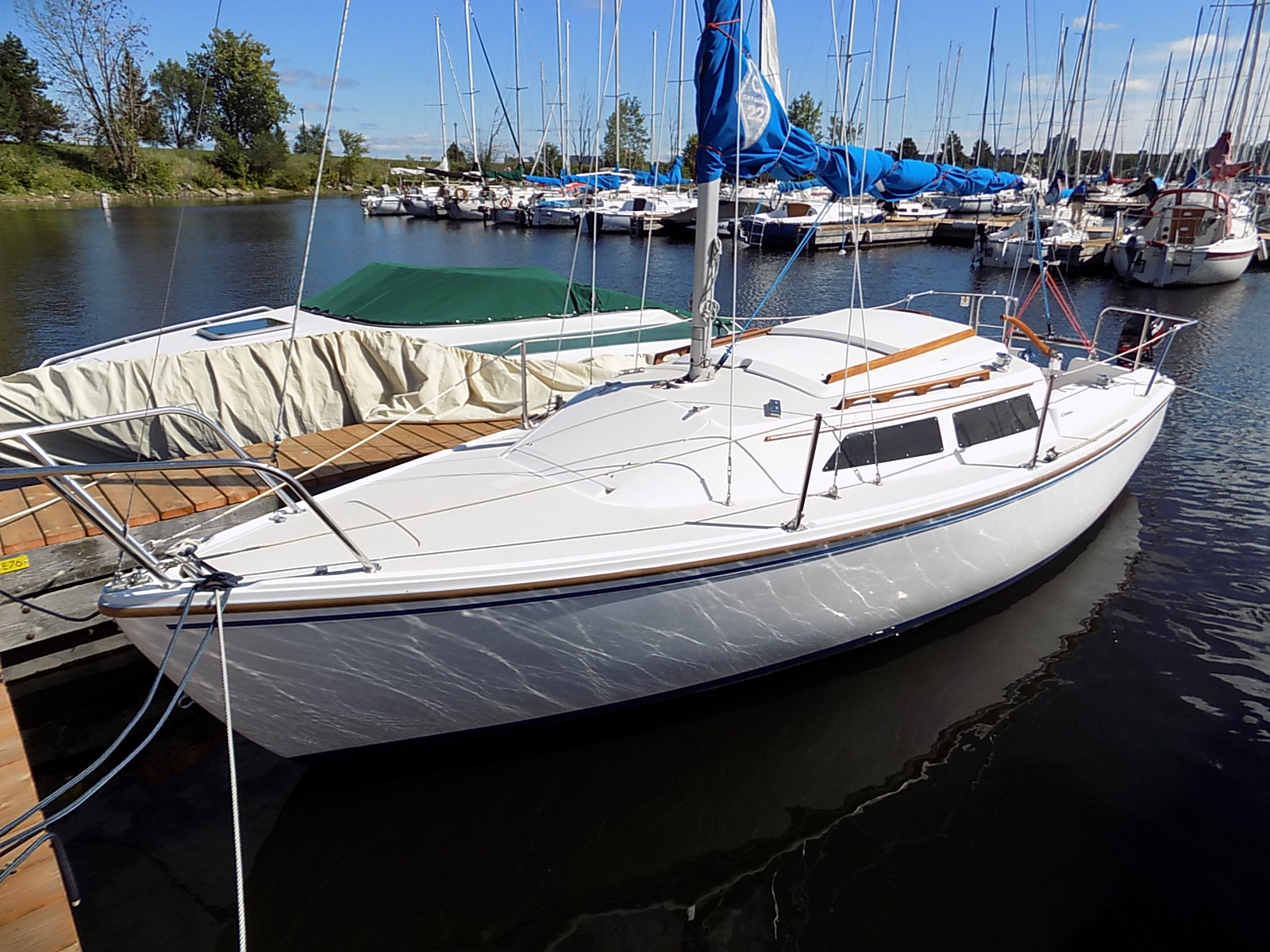
Catalina 22
Best all-round trailerable sailboat
The Catalina 22 is the default answer for a reason: it is light enough to tow behind an ordinary vehicle, simple enough to rig alone, forgiving enough to learn on, and common enough that a replacement rudder or a used mainsail is a phone call away. Buy the swing-keel version if you sail shallow lakes and use ramps; buy the fixed wing keel if you leave the boat in a slip most of the season and want less to maintain. Either way, inspect the keel pivot and cable carefully on any boat over 20 years old — it is the single most common expensive surprise.
- LOA
- 21' 6"
- Beam
- 7' 8" — legal on any highway
- Displacement
- ~2,250 lb
- Keel
- Swing keel or fixed fin/wing
Pros
- More than 15,000 built, so used boats are everywhere and parts, sails, and advice are trivially easy to find
- Light enough for a mid-size SUV or small truck, and rigs single-handed in well under an hour with practice
- Swing-keel version draws about two feet up, which turns almost any ramp and shallow lake into cruising ground
Cons
- Swing-keel pivot bolts and cables are a known wear point and are a nuisance to service with the boat on a trailer
- Cabin headroom is sitting-only — this is a weekender for two, not a boat to live on
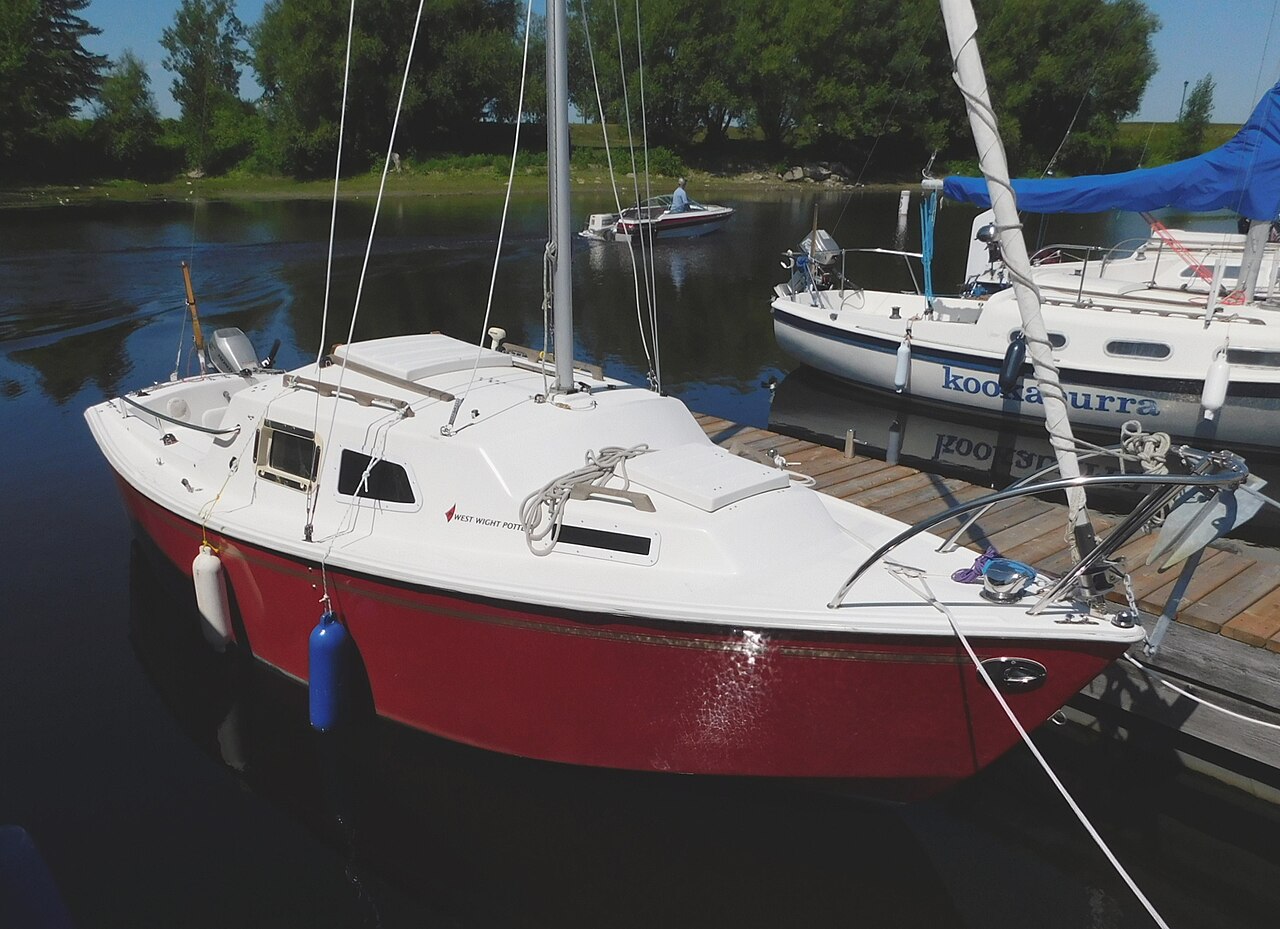
West Wight Potter 19
Best small trailer sailer for overnighting
The Potter 19 is what you buy when the trailer matters more than the sailing. It is light enough that towing is a non-event, shallow enough to launch off a beach, and built with enough flotation that it has a genuine reputation for being unsinkable — several have made notable coastal passages far outside what the size suggests. In exchange you accept a boat that is slow and bumpy upwind in a chop. For a family that wants to explore lakes, bays, and coastal shallows and sleep aboard occasionally, it is hard to beat on cost or convenience.
- LOA
- 18' 9"
- Draft (board up)
- ~11 in
- Displacement
- ~1,225 lb
- Designer / year
- Herb Stewart, 1971
Pros
- Extremely light — a small crossover can tow it, and one person can move it around a driveway
- Genuinely unsinkable by design with sealed flotation, which changes how relaxed you feel with kids aboard
- Draws under a foot with the board up, so beach launching and gunkholing are practical, not theoretical
Cons
- Hard-chine hull with a small rig means it is slow and pounds in a short chop
- Cabin is a shelter with two berths, not a cruising interior — expect camping standards
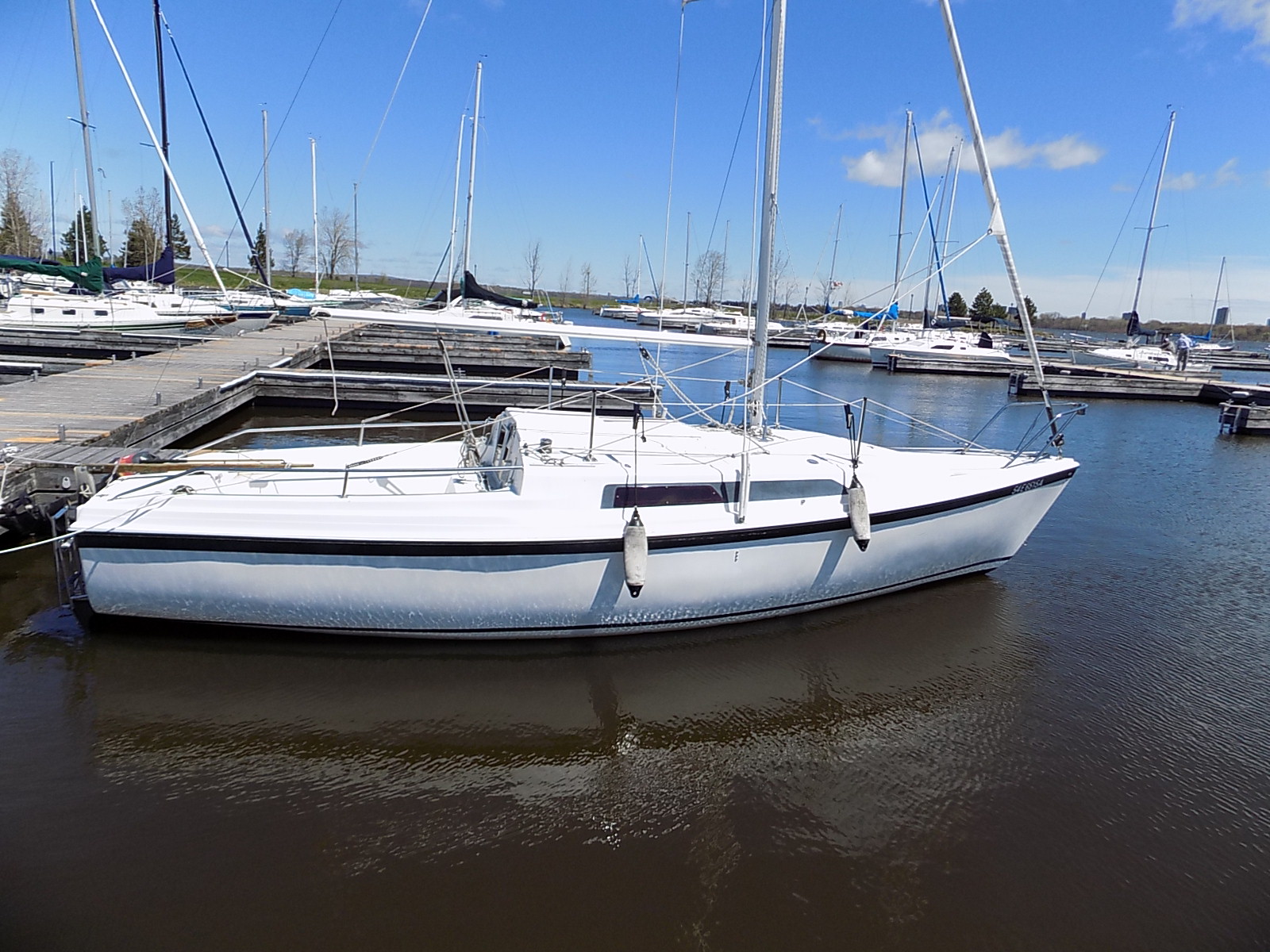
MacGregor 26
Best trailerable for motoring as well as sailing
The MacGregor 26 is a compromise boat, and understanding the compromise is the whole decision. It is a motorsailer that trailers easily, not a sailboat that happens to have an outboard: fill the ballast tank and it sails adequately, empty it and hang a 50 hp outboard and it planes like a runabout. For families who want to cover distance quickly, tow behind a modest vehicle, and sail when the wind cooperates, nothing else offers the same package. Sailors who care about pointing and feel will be disappointed — and everyone should treat the ballast procedure as a hard rule rather than a suggestion.
- LOA
- 25' 10"
- Beam
- 7' 10"
- Displacement
- ~2,350 lb (empty)
- Feature
- Water ballast, planing hull (M/X models)
Pros
- Water ballast empties for towing, so a 26-foot boat tows at roughly the weight of a 22-footer
- With a large outboard the M and X models plane at 15–20 knots — genuinely useful for reaching distant anchorages
- Big cabin for the length, with room for a family to overnight
Cons
- Sailing performance is mediocre: the light hull and modest keel mean poor upwind ability compared to a proper ballasted trailer sailer
- Must be sailed with ballast filled and crew weight managed; the boats have a poor safety record when handled carelessly
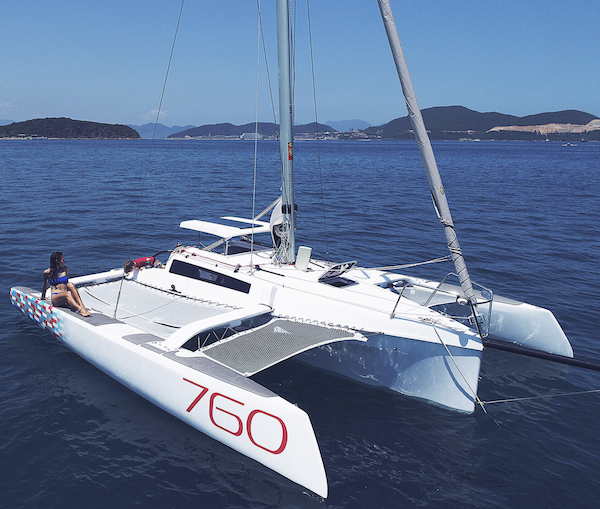
Corsair 760
Best trailerable for speed
If the appeal of a trailerable boat is sailing rather than camping, the Corsair 760 is the one that will keep you grinning. Folding trimarans give you multihull speed and stability without the beam penalty that makes cruising cats impossible to trailer, and the setup at the ramp is a genuinely quick operation once you've done it a few times. The trade is money and interior space: you pay performance-boat prices for a cabin that is functional rather than comfortable. Choose it if day sailing fast and the occasional overnight is the plan, not if the family wants a floating cottage.
- LOA
- 24' 11"
- Beam (folded)
- ~8' 2"
- Displacement
- ~2,200 lb
- Type
- Folding trimaran
Pros
- Genuinely fast — sustained double-digit speeds are normal, and the boat will outrun cruising monohulls twice its length
- Folding amas let a 17-foot-wide trimaran trailer at legal width and fit a normal slip
- Very stable at rest and extremely shallow with the board up, so beaching and shallow anchorages are easy
Cons
- Costs several times what a comparable-length monohull trailer sailer does, new or used
- Accommodation is minimal for the length — the volume goes into the wing decks and floats, not the cabin
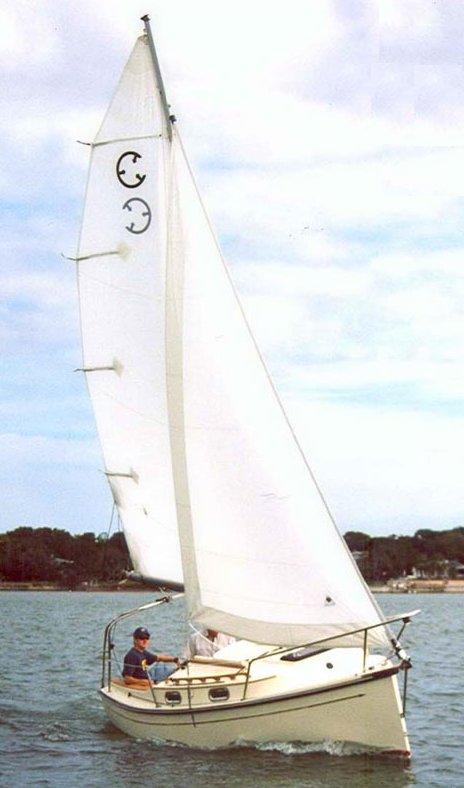
Com-Pac Eclipse 18
Best trailer sailer for quick, easy setup
The reason people abandon trailer sailing is the ramp: an hour of rigging in a parking lot kills the spontaneous Saturday sail. Com-Pac's hinged-mast system directly attacks that problem, and the Eclipse 18 pairs it with a self-tending jib so that going sailing is close to as easy as launching a powerboat. It is not fast and it is not roomy, but if the deciding factor is how many times per season you actually get on the water, the setup time matters more than any performance number. Ideal for retirees, single-handers, and anyone whose sailing window is a few hours long.
- LOA
- 17' 11"
- Displacement
- ~1,500 lb
- Keel
- Shoal keel/centreboard
- Feature
- Mastendr hinged-mast rig
Pros
- Hinged mast system means one person can raise the rig in a couple of minutes without a crane or a helper
- Beautifully finished for a small production boat, with a self-tending jib that makes tacking a one-hand job
- Small, ballasted, and forgiving — a good boat to learn on and an easy one to single-hand
Cons
- Small rig and modest sail area mean it is undercanvassed in light air
- Tiny cabin: fine for gear and a sheltered nap, marginal for a night aboard two adults
How to choose
| Boat | Typical price | Best for | Dry weight |
|---|---|---|---|
| Catalina 22 | $3k–$15k used | All-round weekending | ~2,250 lb |
| West Wight Potter 19 | $6k–$18k | Lightest tow, beach launching | ~1,225 lb |
| MacGregor 26 | $10k–$30k | Sail and power in one | ~2,350 lb empty |
| Corsair 760 | $90k–$150k | Speed | ~2,200 lb |
| Com-Pac Eclipse 18 | $15k–$28k | Fastest setup, single-handing | ~1,500 lb |
Prices are broad used-market ranges and vary sharply with condition, trailer quality, and included outboard — treat them as planning figures.
Under $10,000: A sound Catalina 22 with a decent trailer and a running outboard. The most sailing per dollar available anywhere, and every part is still obtainable.
$10,000–$30,000: A newer Potter 19, a Com-Pac Eclipse 18 for painless setup, or a MacGregor 26 if you want to cover distance under power as well as sail.
$90,000+: A Corsair folding trimaran. You are buying performance, not accommodation, and it is worth it only if fast sailing is the actual goal.
Whichever you choose, do one full dry-run rigging session in a driveway before your first launch. Discovering a missing clevis pin at the top of a busy ramp is the traditional introduction to trailer sailing, and it is entirely avoidable.
Frequently asked questions
What is the largest sailboat you can legally trailer?
In most US states the limit without a permit is 8 feet 6 inches of beam, which in practice caps you at around 26 feet of monohull. Folding trimarans get around the beam rule by retracting their floats. Height and total towing weight are the other real constraints — check your tow vehicle's rated capacity including the trailer, motor, and gear, not just the hull weight.
How heavy a tow vehicle do I need for a trailerable sailboat?
A 19-foot boat around 1,200–1,500 lb plus a trailer is within reach of many mid-size crossovers. A 22-footer at 2,200–2,500 lb dry becomes 3,500+ lb loaded, which needs a proper SUV or light truck. Always work from the loaded weight — water, batteries, outboard, ground tackle, and gear add several hundred pounds.
How long does it take to rig a trailer sailer at the ramp?
Realistically 30–60 minutes the first several times, dropping to 20–30 with practice on a conventional stayed rig. Boats with hinged-mast systems like Com-Pac's Mastendr cut that to under 15 minutes. Setup time is the biggest predictor of how often a trailer sailer actually gets used.
Swing keel, centreboard, or fixed keel?
Swing keels and centreboards give shallow draft for ramps and thin water but add pivot bolts, cables, and trunks to maintain. Fixed keels are simpler and sail better but need a deeper ramp and more careful launching. If you'll leave the boat in a slip most of the season, take the fixed keel; if you tow every weekend, take the board.
Can you sleep on a trailerable sailboat?
On most of them, yes — but at camping standards. Expect sitting headroom, a portable head, and a cooler rather than a fridge. Boats in the 22–26 foot range with a pop-top or raised cabin are the ones where a weekend aboard stops feeling like a chore.
What does it cost to own a trailerable sailboat?
This is the real appeal: no marina slip, no annual haul-out, and storage in a driveway or a cheap yard. Ongoing costs are trailer maintenance (bearings, tyres, lights), outboard servicing, sails eventually, and insurance that is a fraction of a keelboat policy.
Related guides
 Boats
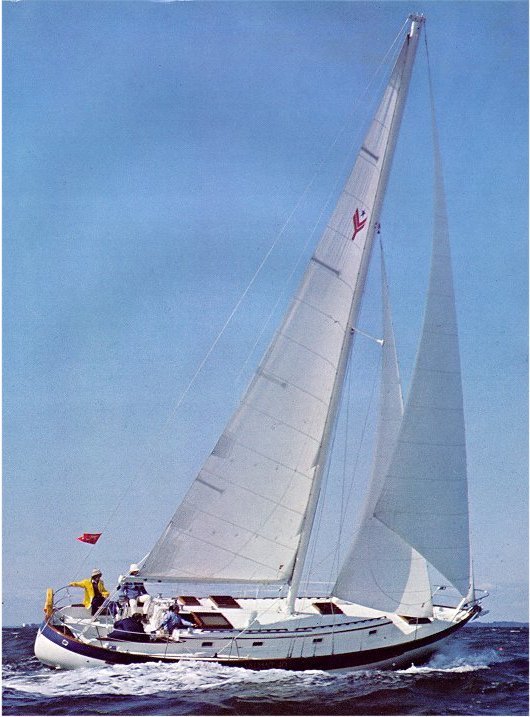
BoatsBest Bluewater Sailboats Under 40 Feet
Eight proven offshore cruisers under 40 feet compared — hull form, build quality, real weaknesses and refit costs.
 Boats
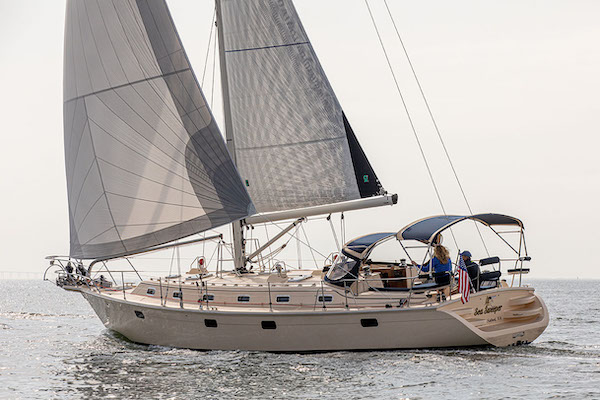
BoatsBest Liveaboard Sailboats
Monohulls and catamarans compared for full-time living — space, running costs, comfort at anchor and systems.
 Boats
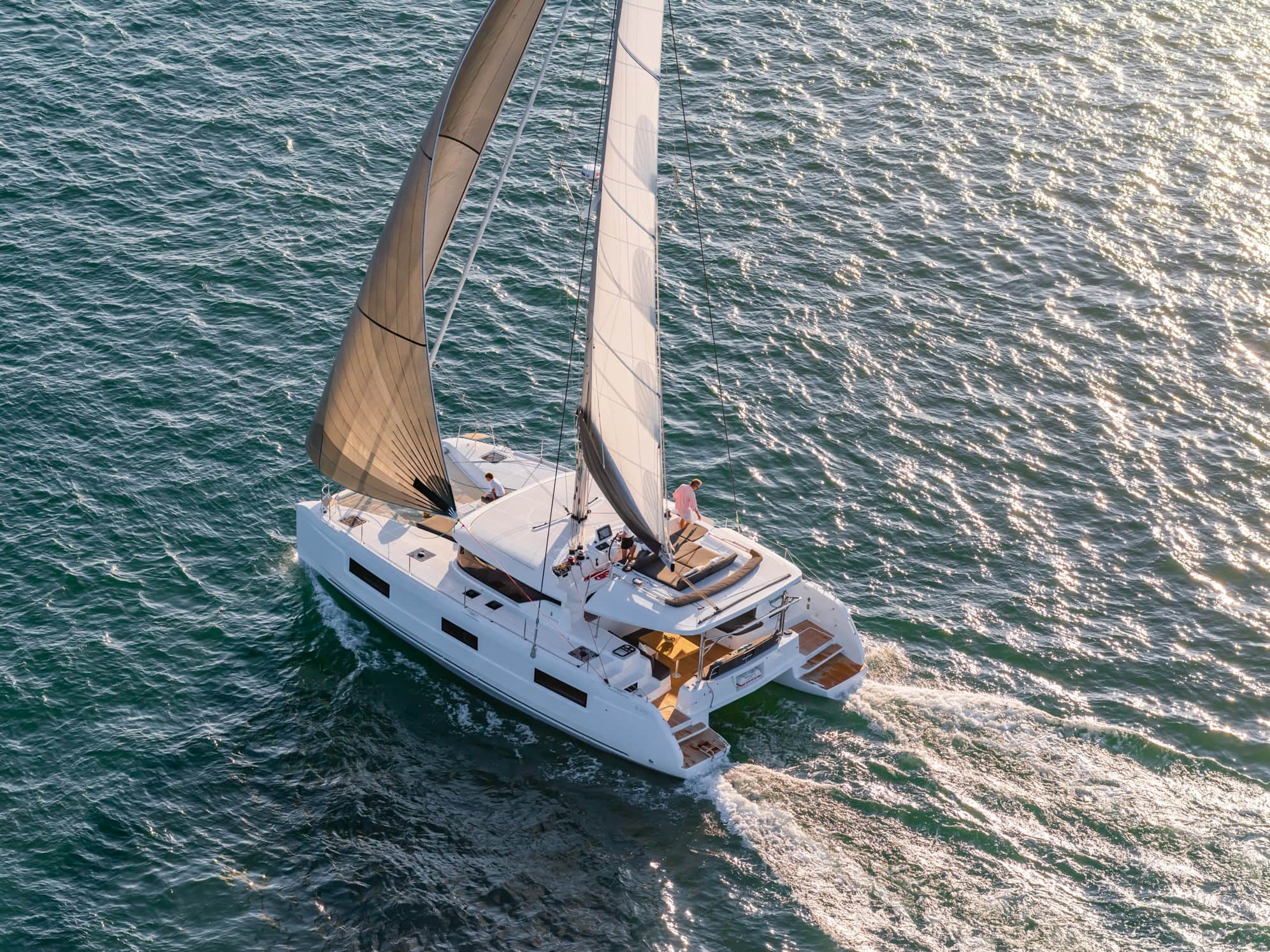
BoatsBest Liveaboard Catamarans: 7 Top Picks (2026)
The Lagoon 46 suits most families; couples should start with the Astréa 42. All 7 compared, with real running costs.
 Boats
BoatsBest Small Sailboats for Beginners
Dinghies, daysailers and a pocket cruiser compared — what each teaches, real downsides and first-season costs.
Looking for more gear guides? Browse all our gear recommendations or the full guides index.