Anchor Chain and Rode
The anchor gets all the attention, but the chain does most of the actual work. A properly sized chain with a well-designed snubber holds a boat in conditions where an oversized anchor on a light chain will drag every time. Here's how to size chain and rope, why grade matters, and what a good snubber system looks like.
Sailboat Atlas may earn a commission from qualifying purchases made through links on this page, at no extra cost to you.
How much chain, and how much rope?
For serious cruising, the modern standard is all-chain to the boat length, with a rope backup tail of 200+ feet for the rare deep anchorage. A boat that's 40 feet long anchors comfortably in 5:1 scope in 20 feet — that's 100 feet out. In blow-outs you want 7:1 in 40 feet, or 280 feet of rode. So: minimum 250 feet of chain for the primary rode, with rope tail for the exceptional depths. Under-length rodes are the number-one avoidable anchoring failure.
Chain grade — G3, G4, G7, or European calibrated?
G4 (high-test) galvanized in the correct diameter is the right chain for almost every cruising sailboat, and it's what your windlass gypsy is likely calibrated for. G7 is stronger and lighter but requires a matching gypsy. G3 (proof-coil) is heavy and weak — skip it for serious cruising. European calibrated chain (Aqua7, Maggi) is metric-sized and popular in Europe; great chain, but confirm windlass compatibility.
The snubber is not optional
A chain rode without a snubber transmits every wave load directly to the windlass and the bow roller — both of which are designed to lift chain vertically, not absorb repeated shock loading. A 20–30 foot nylon snubber (3-strand nylon, sized for the boat) attached with a proper stainless chain hook takes the shock, protects the windlass, and quiets the boat dramatically at anchor.
Our picks
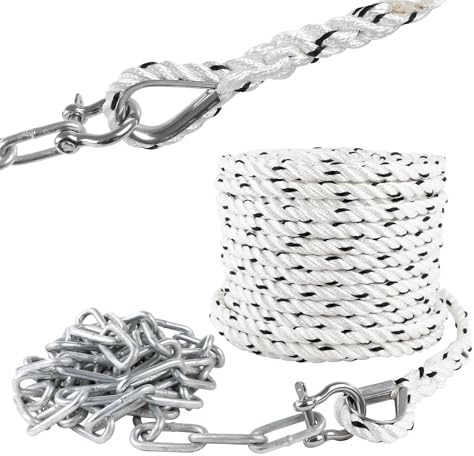
Acco G4 High-Test Anchor Chain
Best all-around galvanized chain
For 90% of cruising sailboats, G4 galvanized in 5/16 or 3/8 inch is the right chain. Don't buy stronger unless your windlass and gypsy are matched — most windlasses are sized for G4 and won't feed G7 correctly. Do buy the full boat length of chain (or minimum 100 feet plus 200 feet of rope) — a rode with too much rope in it holds a fraction as well in blow-outs.
- Grade
- G43 (high-test) galvanized steel
- Common sizes
- 5/16 in and 3/8 in for cruisers 32–50 ft
- Working load
- 5/16 G4: 3,900 lb WLL / 15,600 lb breaking
- Typical price
- $8–$12 per foot at 5/16 in
Pros
- Widely available, US-made, and easy to source replacement links or matching pre-galvanized
- Galvanizing lasts 8–12 years in typical use before re-galvanizing or replacement
- Higher strength-to-weight than proof-coil (G30) — a smaller chain can carry the same load
Cons
- Zinc coating eventually fails at the links — inspect and re-galvanize when white oxide dominates
- Rusts fast in tropical anchorages if fresh-water rinse is inconsistent

Maggi Aqua7 High-Test Chain
Best for weight-conscious cruisers
Weight in the anchor locker is bow weight, and bow weight is comfort at sea. Switching from 5/16 G4 to 8 mm Aqua7 saves roughly 40 lb on a 200-foot rode — noticeable in pitching, and worthwhile if you can afford the premium and match the gypsy. Popular on performance cruisers and multihulls where every kilogram forward matters.
- Grade
- G70 high-test galvanized
- Sizes
- 8 mm / 10 mm European calibrated
- Working load
- 8 mm Aqua7: ~2,900 lb WLL / 11,700 lb breaking
- Typical price
- $14–$18 per foot at 8 mm
Pros
- Same strength as 5/16 G4 at ~30% less weight — meaningful for bow weight and range under motor
- Italian-calibrated chain that runs cleanly over Lofrans and Lewmar European-spec windlasses
- Excellent galvanizing quality; owner reports of long service life are consistent
Cons
- Requires a matching G70-rated windlass gypsy (Lofrans and Lewmar make them)
- Higher price per foot than G4, and thinner links show wear at the chain hook sooner
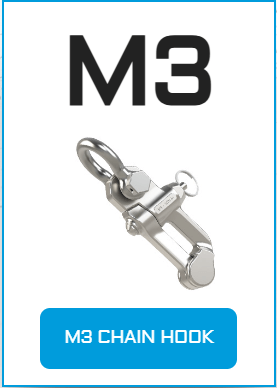
Mantus Stainless Chain Hook
Best chain hook for the snubber
The chain hook is the least-glamorous, most-important part of a snubber system. A cheap hook that pops off in a blow means your nylon snubber is now trailing loose while the chain takes the full shock loading through the windlass — this is how windlass gypsies get destroyed. Mantus makes the hook worth trusting.
- Material
- 316L stainless, one-piece cast
- Chain sizes
- 5/16 in and 3/8 in versions
- Working load
- Rated to full chain WLL
- Typical price
- $45–$70
Pros
- Won't fall off the chain even when the snubber goes slack — the persistent problem with rolling hitches and cheap hooks
- One-piece cast construction; no weld failures to worry about
- Fits standard calibrated chain cleanly
Cons
- More expensive than a rolling hitch made from nylon line (which is free)
- Overkill for coastal weekenders who rarely anchor overnight
How to choose
Coastal cruiser, 32–40 feet: 250 feet of 5/16 G4 galvanized, 30 feet of 3-strand nylon snubber (5/8 or 3/4 inch), Mantus stainless chain hook, and a proper backing plate under the bow cleat. Bluewater cruiser: same, but consider stepping to 3/8 G4 or 10 mm Aqua7 for the reserve strength on the rare survival anchoring event. Performance cruiser or multihull where bow weight matters: Aqua7 8 mm to save 40+ lb over G4 5/16.
Frequently asked questions
Can I re-galvanize old chain instead of replacing it?
Yes, and it's cost-effective at roughly 40% the price of new chain. But confirm the chain still passes visual inspection — pitting, thinning at links, or any deformation means replace, not re-galvanize. Most galvanizers can turn a full rode in a week.
Do I need a chain counter?
For serious cruising, yes. Painting marks on chain (5m red, 10m yellow, etc.) works in daylight but is useless at 3 AM in a squall. A calibrated windlass counter (Lewmar, Lofrans, Muir) reads out feet or meters deployed and pays back its $200 cost the first time you anchor in a new spot in the dark.
Related guides
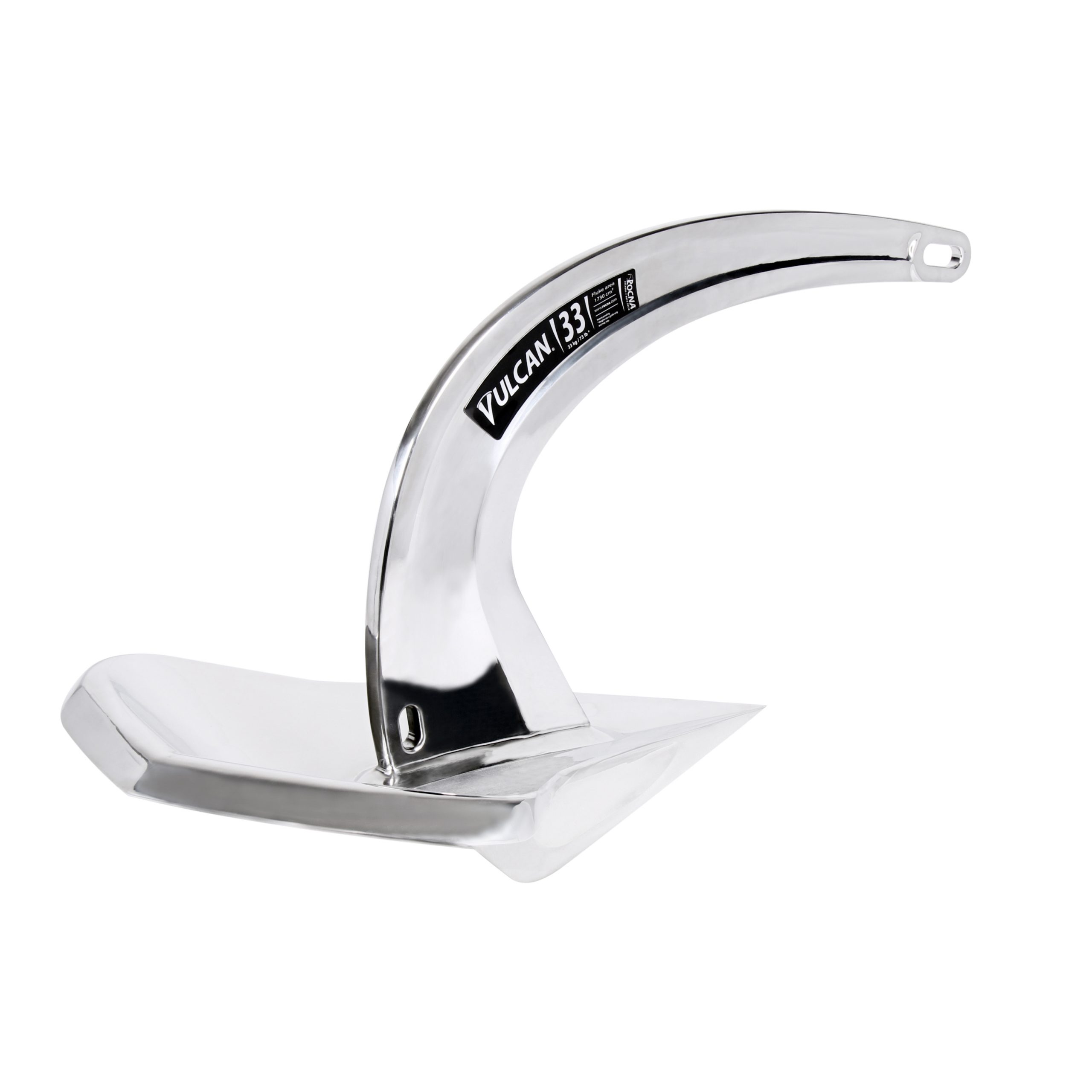 Anchoring
Best Anchors and Windlasses for Sailboats
Modern anchor and windlass picks that hold hard and lift reliably — Rocna, Mantus, Spade, Lewmar, Maxwell.
 Anchoring
Storm Anchors: A Second Anchor Setup That Holds
How to size, rig and deploy a second (storm/kedge) anchor: holding power, seabeds, scope in 40+ knots, snubbers and dinghy deployment.
 Anchoring
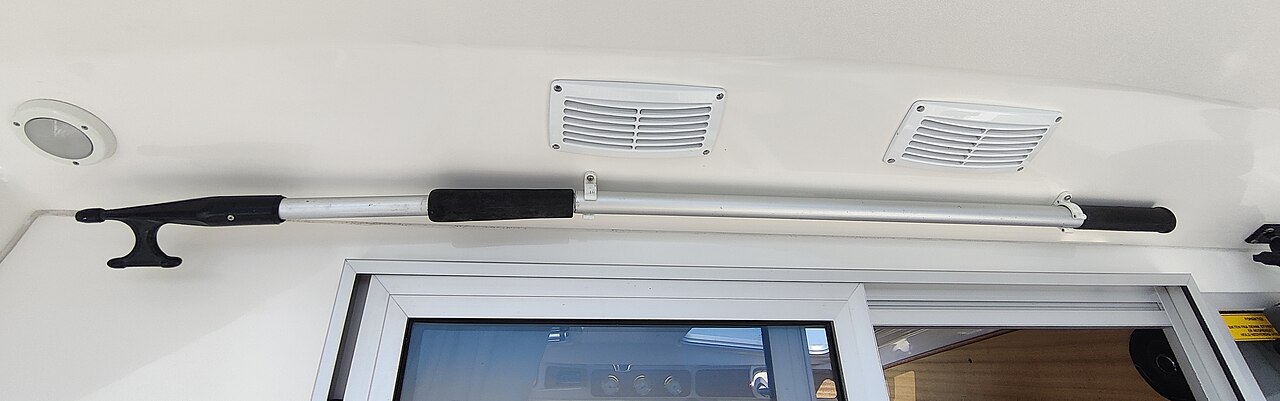
Best Boat Hooks: Telescoping Hooks for Docking
Length, locks, hook shapes and floating designs for docking and mooring pickups.
 Anchoring
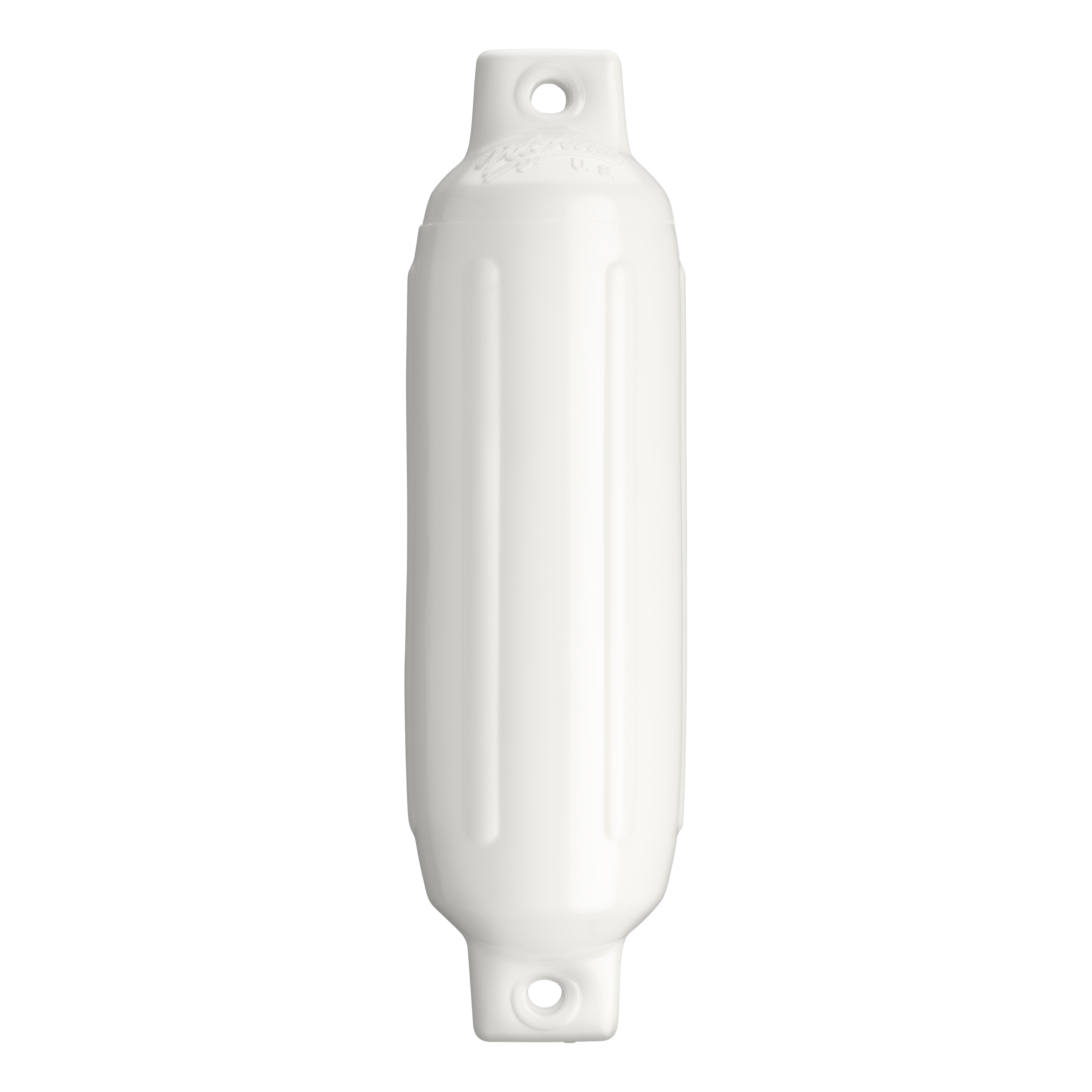
Best Boat Fenders for Sailboats
Fender sizing by boat length, cylindrical vs ball vs flat fenders, hanging height, lines and top picks.
Looking for more gear guides? Browse all our gear recommendations or the full guides index.