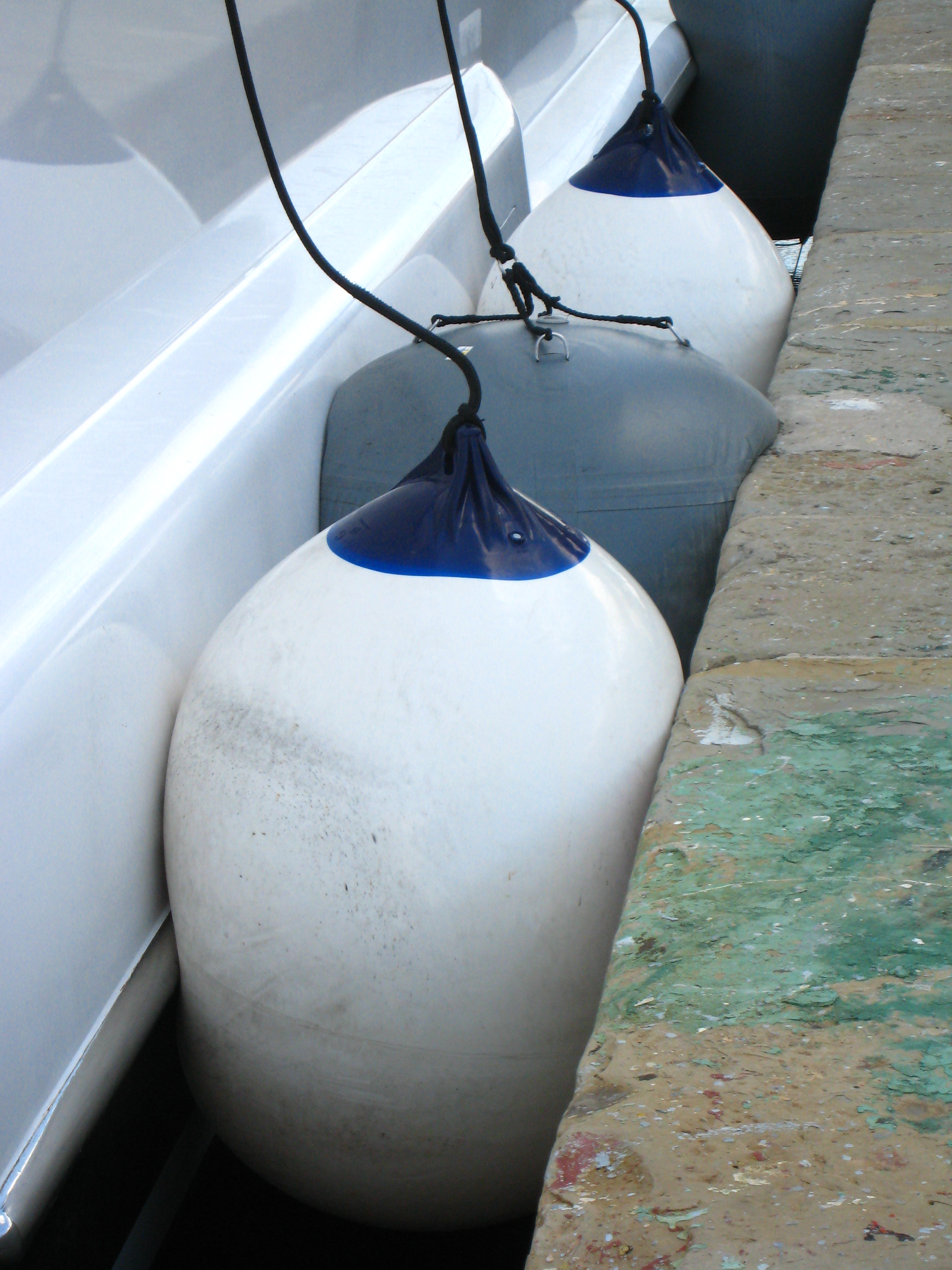
Best Boat Fenders for Sailboats
The best boat fenders for a sailboat are the ones that stay between your hull and the dock when the boat moves. For a sheltered home berth, start with properly sized cylinders such as the Polyform G-series or Taylor Made Big B. Add a large ball for rafting, a flat pad for an awkward rubbing point, or a deflatable AERE when storage limits the diameter you can carry.
This is a specification-based shortlist, not a claim of impact testing. Size, displacement, dock geometry, and line handling matter more than brand loyalty. Here is how to build a useful set without filling every locker with the wrong shapes.
Sailboat Atlas may earn a commission from qualifying purchases made through links on this page, at no extra cost to you.
What size boat fenders do I need by LOA and displacement?
Length overall is a starting filter, not a load rating. A light 28-foot daysailer in a quiet basin and a heavily loaded 28-foot cruiser against a tidal quay do not present the same problem. Displacement increases the energy that must be controlled during movement; windage, current, and available compression space also matter. There is no reliable universal pounds-of-displacement-to-fender-diameter conversion.
As initial shopping bands for sheltered berths, consider roughly 6–8-inch cylinders for 20–25-foot sailboats, 8–10 inches for 25–35 feet, and 10–12 inches or larger for 35–45 feet. These are conservative comparison ranges, not manufacturer approvals or protection guarantees. Match the exact product chart, move up for heavy displacement or exposure, and ask the marina what works at that berth.
Diameter supplies separation and room to compress; length helps keep the cushion across the contact zone as the boat moves vertically. Carry enough to cover the maximum-beam area and vulnerable sections fore and aft, plus a spare. Fix inadequate spring lines and excessive boat movement before expecting larger fenders to solve everything. The same whole-system approach applies to anchor chain and rode selection.
Are cylindrical, ball, or flat fenders best for sailboats?
Cylinders are the default for everyday marina use: they distribute several cushions along the working side and are relatively easy to hang, relocate, and store. Two-end or center-hole models can be rigged horizontally where appropriate. A ball offers useful stand-off at one spot, especially between boats with different hull shapes, but it can roll out of the gap unless its position is controlled.
Flat foam pads solve a different problem. Their broad face resists rolling and their stackable shape helps in a shallow locker, but a thin pad has limited compression travel. Use one where its face remains supported and aligned with the rubbing surface. Do not substitute a thin pad for a large primary fender just because both products are marketed for the same boat length.
Against piles or an uneven wall, consider a properly rigged fender board outside two suitable fenders: hull, fenders, board, then dock. The board spreads contact and bridges gaps that individual fenders might slip into. Smooth the edges, secure the board independently, and check its behavior through the tide. It must not become a loose lever or expose fasteners to the hull.
How much should you inflate fenders, and how high should they hang?
Air-filled vinyl fenders should not feel like rigid tires. Follow the model’s pressure and diameter instructions using a suitable low-pressure gauge or its specified circumference check. Polyform’s inflation guide describes approximately 2 PSI and a wall that depresses about a quarter inch under light hand pressure; Taylor Made specifies 2 PSI for Big B. Do not transfer that setting to an AERE or another fabric model.
Use the correct adapter, inflate gradually, and inspect after major temperature changes. A fender inflated in cool weather can become firmer in direct sun. Excess pressure reduces compliance; insufficient pressure can leave too little separation. Inspect the valve for leaks and reinstall caps or screws according to the maker’s instructions rather than overtightening plastic parts.
Hang the fender across the actual contact zone. A floating pontoon usually calls for a lower position than a high quay, but neither has a universal waterline setting. Check with crew aboard and normal cruising load. At a fixed wall, tide can move the hull out of the protected band; monitor it or change the arrangement. Recheck the first few wakes instead of assuming a static setup will stay put.
Which fender lines and hitches work best?
Choose supple line that fits the ropehold and is comfortable to adjust when wet. For many small and midsize sailboat fenders, roughly 3/8-inch line is a practical starting point, but the eye size and manufacturer’s instructions take priority. Allow enough length for your freeboard and attachment point, with spare tail for securing. Replace stiff, sun-damaged, or badly chafed line.
A round turn and two half hitches is a useful rail attachment; a clove hitch is quick to adjust but should be backed up because changing load can loosen it. Keep tails clear of the water and propeller. With a center-hole fender, use suitable stopper knots or the manufacturer’s arrangement so the line cannot pull through. Test the knot against the opening before relying on it.
Use an appropriate strong attachment, ideally low enough to avoid unnecessary leverage on lifelines. Do not assume a lightly supported guard wire can take sustained sideways fender loads. Secure and separate lines so a fender can be repositioned without disturbing the dock lines. During a landing, move a spare ahead of the contact point; never put a hand, foot, or leg between boat and dock.
Are fender covers worth it, and where should you store fenders?
Covers can quiet squeaking and reduce direct vinyl rubbing, particularly on carefully finished topsides. They are maintenance items, not an abrasion guarantee: salt crystals and sand trapped in fabric can become an abrasive layer. Rinse them, dry them when practical, and remove them for inspections. Use mild cleaning products approved for the fender material rather than aggressive solvents.
Measure locker openings before buying a complete set. An inflated ball that fits the locker’s interior may not pass through its lid. Rail baskets free space but must not obstruct sheets, visibility, boarding, or emergency access. Secure fenders for passage so they cannot drag, escape, or foul running rigging. Keep at least one immediately accessible rather than burying every cushion below cruising stores.
Deflatable fabric fenders help when you only need large cushions occasionally, but budget for a compatible pump, time to inflate, and a clean storage bag. Inspect seams, fittings, valves, and covers during routine maintenance. Include replacement lines and covers in your sailboat ownership costs, alongside other berth equipment, rather than treating protection as a one-time purchase.
Our picks
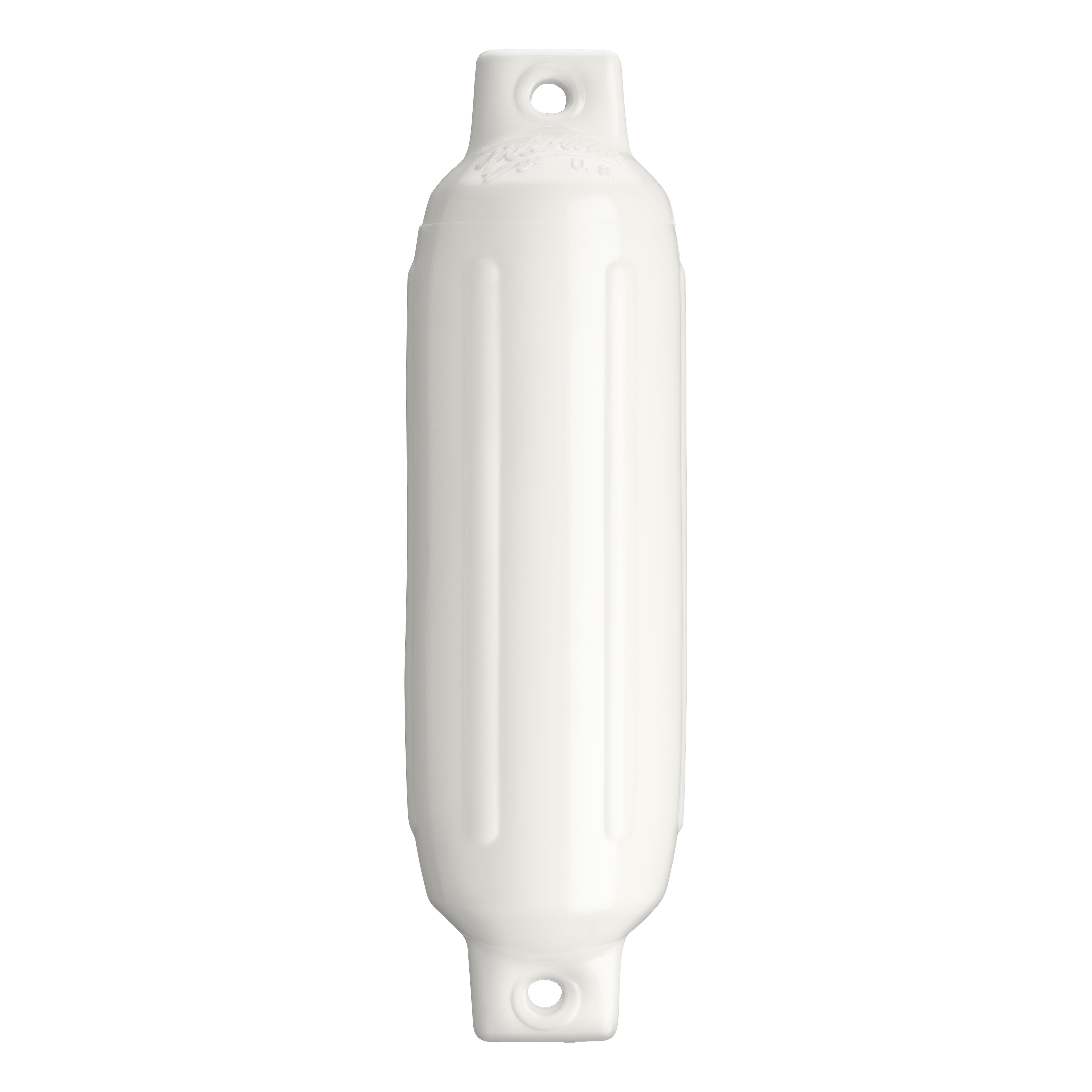
Polyform G-series
Best everyday choice for a protected marina berth
Start here if you want a conventional set of fenders for weekend sailing and a sheltered home slip. The G-series offers practical cylindrical protection without requiring a special deployment routine. Choose the actual diameter for your hull and berth, rather than buying the smallest size that mentions your boat length. For a heavier cruising boat, compare a larger G-series size with other heavy-duty ranges before committing. The product photograph shows the family’s small G-1 model; dimensions listed here refer to G-4 and G-5, not that pictured size.
- Shape
- Ribbed cylinder with end ropeholds
- G-4 dimensions
- 16.5 × 55.9 cm, diameter × length
- G-5 dimensions
- 22.4 × 68.1 cm, diameter × length
- Intended use
- Trailered boats and permanent protected moorings
Pros
- Useful size range for small and midsize sailboats
- Reinforced ropeholds support straightforward deployment
- Ribbed body suits routine dockside handling
Cons
- Large sizes consume considerable locker space
- Protected-mooring positioning is not a promise of suitability for exposed surge
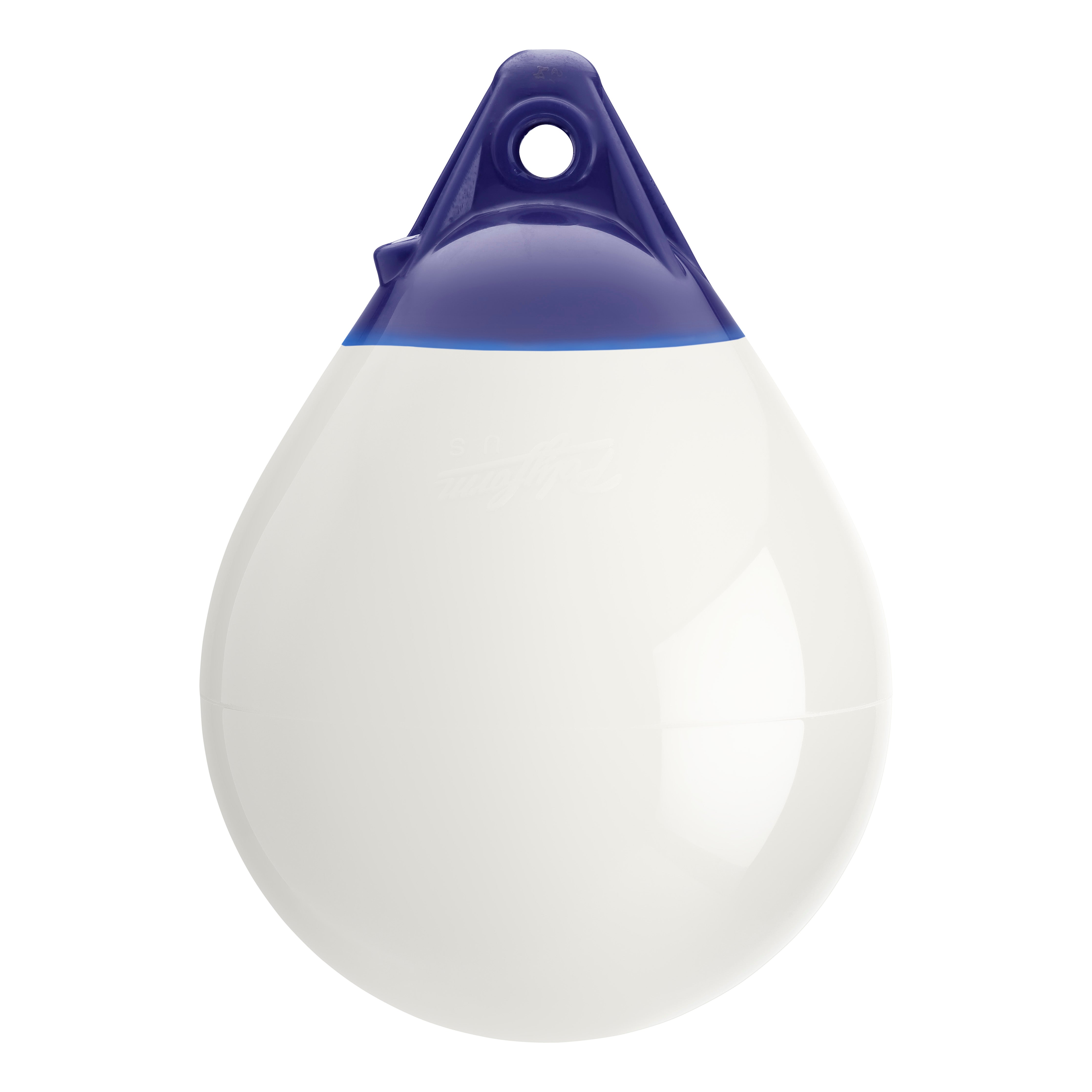
Polyform A-series ball fender
Best supplemental cushion for rafting and awkward contact points
A ball fender is the addition I would consider before buying yet another small cylinder. Hang it where the hull’s widest point meets a neighboring boat, or keep it ready for a crew member to position ahead of a gentle landing. It is not a substitute for reducing approach speed or setting spring lines. Nor does one large ball protect an entire topside. The photograph shows an A-0; larger A-series models offer different dimensions, so confirm the selected model rather than ordering from a generic family photograph.
- Shape
- Rounded buoy-style fender
- Attachment
- Single reinforced ropehold
- Sizing
- Multiple models; select by inflated diameter
- Inflation
- Polyform low-pressure valve; follow its inflation guide
Pros
- Large diameter provides useful stand-off at a selected contact point
- Easy to move as a roving fender before contact
- Rounded shape accommodates changing contact angles
Cons
- Awkward to stow inflated in a small cockpit locker
- Can roll or lift out of position if poorly hung
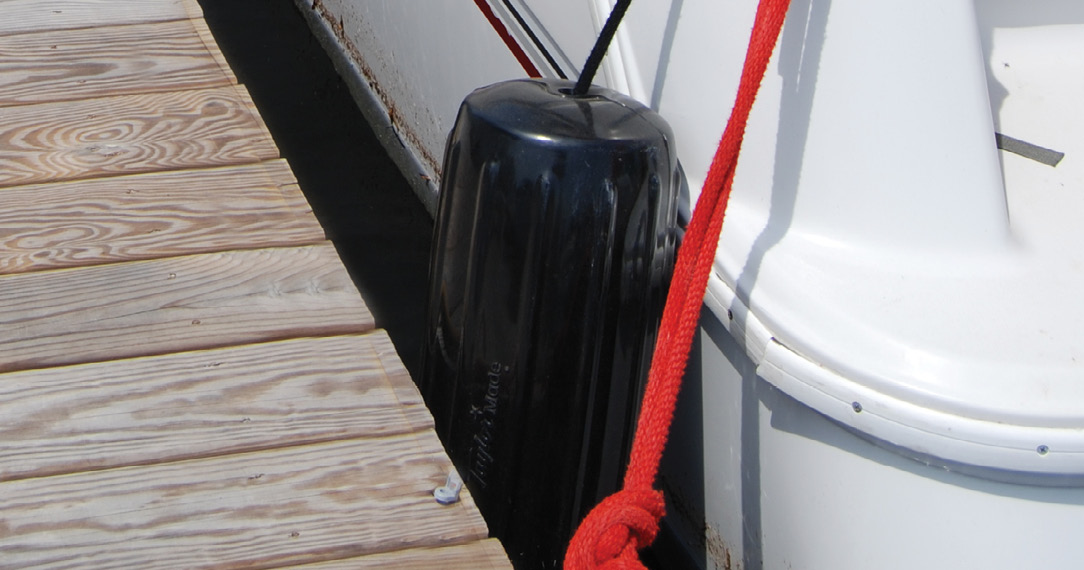
Taylor Made Big B
Best center-hole cylinder for flexible hanging arrangements
The Big B is a sensible upgrade when your docking routine requires more than one hanging arrangement. A line through the center tube lets you suspend it vertically or support it horizontally with both ends controlled. That flexibility helps at awkward berth edges, although a fender board is often more dependable against widely spaced pilings. Taylor Made’s boat-length chart is explicitly a minimum recommendation: its 8-by-20-inch model is listed for 25–35-foot boats, but displacement, exposure, and the real contact surface should still drive your final choice.
- Construction
- Seamless marine-grade vinyl with molded ribs
- Example sizes
- 8 × 20 in or 10 × 26 in, diameter × length
- Center tube
- 3/4 in hole; accepts rope up to 5/8 in
- Recommended inflation
- 2 PSI; rubber football-needle valve
Pros
- Center tube allows vertical or horizontal rigging
- Several diameters suit different hulls and berths
- Needle inflation fitting is easy to source
Cons
- Center-hole rigging needs properly sized stopper knots
- Horizontal placement alone cannot solve every piling or tide problem
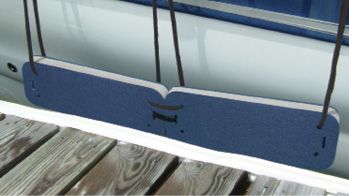
Taylor Made Modular Flat Fender
Best supplemental pad where rolling and storage are problems
A flat pad is useful when the problem is a specific rubbing area rather than a need for maximum separation. It stacks neatly, cannot lose air, and is convenient as a spare for an awkward low dock. Its limited thickness is also its main compromise: do not assume that a broad face provides the same compression travel as a much larger air-filled fender. Choose it to complement your main set, particularly where a cylinder keeps rolling away, and check that the pad stays between the hull and the actual dock edge.
- Material
- Closed-cell EVA foam
- Small model
- 20 × 8 × 2 in
- Other sizes
- 24 × 12 × 3 in and 36 × 12 × 3 in
- Inflation
- None; solid foam construction
Pros
- Flat shape resists the rolling of a cylindrical fender
- No valve or inflation maintenance
- Pads stack neatly and can be linked with the maker’s strap
Cons
- Thin profile offers less stand-off than a large cylinder
- Not a universal replacement for primary fenders in heavy surge
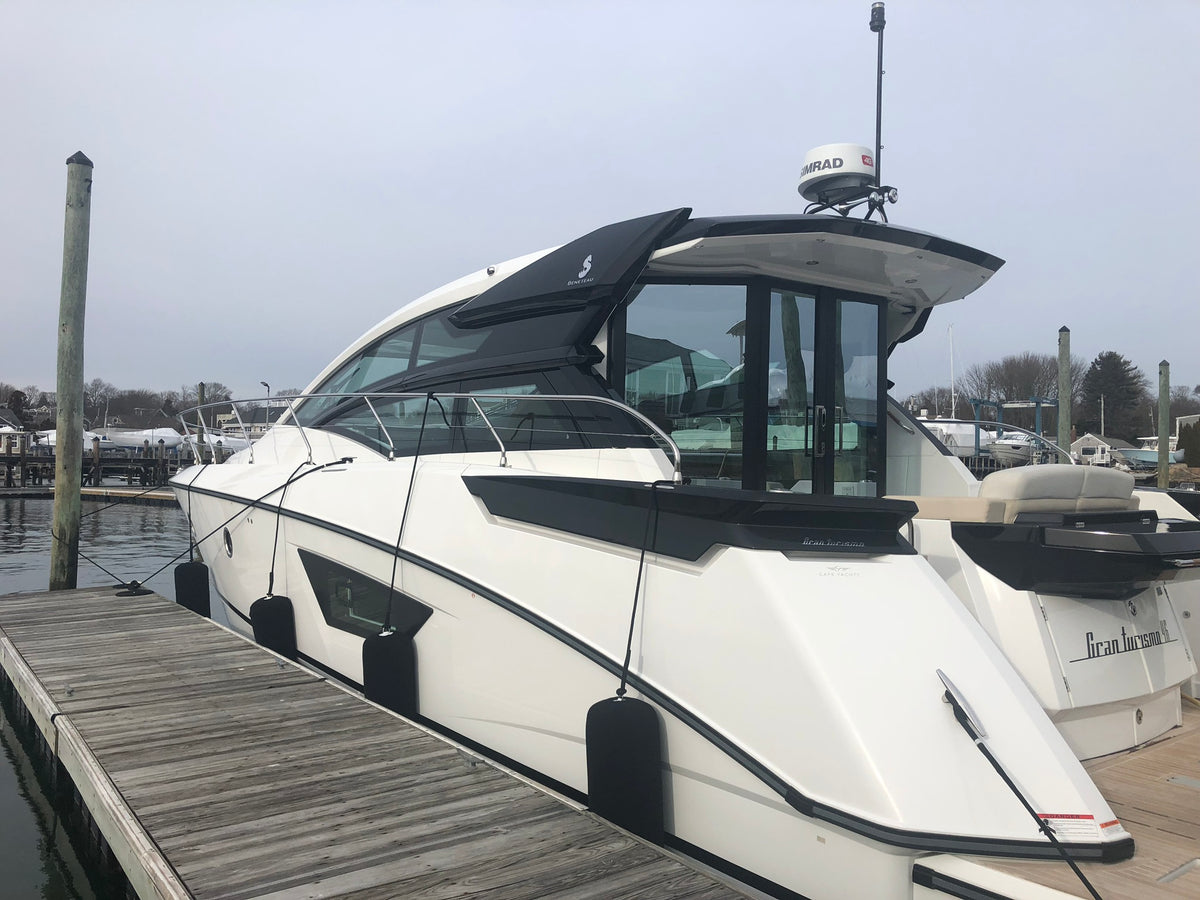
AERE inflatable fender
Best large supplemental fender for space-conscious cruisers
AERE makes sense when you want a substantial rafting or visiting-marina fender but cannot dedicate a whole locker to it year-round. Deflate it for passage, then inflate and rig it before entering close quarters. Keep ordinary ready-to-use fenders aboard for an unexpected landing; a packed inflatable is not an instant response tool. Check the exact model’s instructions for pressure, pump adapter, and attachment limitations. The linked seller lists multiple sizes and colors, with availability varying by variant, so confirm stock and the complete pump-and-cover cost before ordering.
- Example sizes
- 10 × 26 in and 12 × 29 in, diameter × length
- Body
- PVC-coated high-denier polyester fabric
- Attachment
- Stainless-steel D-ring at both ends
- Valve
- Halkey-Roberts-style rapid inflation/deflation valve
Pros
- Deflates for storage between trips
- Large-diameter options without permanent inflated storage bulk
- End fittings support flexible deployment
Cons
- Needs a compatible pump and time to deploy
- Fabric needs protection from sharp hardware and abrasive surfaces
How to choose
Buy for the hardest normal berth you actually use, not an imagined perfect dock. The comparison below describes roles rather than ranking unlike shapes by an unsupported impact score. Product-family photos are illustrative; check the selected size before checkout.
| Pick | Primary role | Storage trade-off |
|---|---|---|
| Polyform G-series | Protected-berth everyday cylinders | Bulky as diameter increases |
| Polyform A-series | Rafting and selected contact points | Rounded shape is awkward inflated |
| Taylor Made Big B | Flexible center-hole rigging | Full-size cylinders need space |
| Taylor Made Modular Flat | Supplemental anti-roll pad | Stacks well; limited thickness |
| AERE inflatable | Large occasional-use cushion | Packs down; requires inflation |
Budget tiers: essentials, mixed sets, and storage upgrades
Essential budget: prioritize enough correctly sized conventional cylinders, sound lines, and the right inflation fitting. A smaller complete-looking kit can be a false economy if its diameter is inadequate. Compare per-fender costs and whether lines are actually included; multi-packs are not automatically better value.
Midrange mixed set: add a larger ball or a center-hole cylinder where it solves a specific contact problem. Clean covers and a suitable board may be more useful than replacing every existing fender. Keep serviceable cushions as movable spares instead of discarding them solely to match colors.
Premium storage-led setup: consider a large AERE with its pump, appropriate cover, and ready-to-deploy conventional backups. These are relative spending tiers, not live price quotes: size, material, shipping, and accessories change the total substantially. Request a quote for the exact configuration and confirm variant availability.
Finally, fenders are only one layer of protection. Practice a slow approach, prepare spring lines, check chafe, and leave enough separation for changing conditions. For the corresponding ground-tackle decisions, see our guide to anchors and windlasses; neither docking cushions nor an anchor should be chosen from boat length alone.
Specification references: Polyform G-series, Taylor Made Big B, Modular Flat Fenders, and the linked AERE seller. Hero source: Tiesse, Wikimedia Commons. Product photos supplied by the respective manufacturer or retailer.

Frequently asked questions
What size boat fenders do I need for a 30-foot sailboat?
An approximately 8-inch cylindrical fender is a useful starting point for a sheltered berth, not a universal specification. Taylor Made lists its 8 × 20-inch Big B for 25–35-foot boats as a minimum recommendation. Heavy displacement, swell, or rough dock faces justify larger fenders and a berth-specific assessment.
How many fenders should a sailboat carry?
Three deployed on the working side plus a movable spare is a practical starting arrangement for many small cruising sailboats. Longer hulls, rafting, and exposure can require more. Position them at actual contact points rather than spacing them evenly for appearance.
Are round or cylindrical boat fenders better?
Cylinders provide convenient everyday coverage along a dock. A ball supplies greater stand-off at a particular point but is harder to store inflated. A mixed set is often more useful than choosing only one shape, especially for rafting or unfamiliar berths.
How hard should I inflate my fenders?
Follow the exact manufacturer and model instructions. Taylor Made specifies 2 PSI for Big B; Polyform’s guide describes about 2 PSI, circumference checks, and a wall that yields under light thumb pressure. Those values are not a universal setting for fabric inflatables or other brands.
Should fenders touch the water?
Set the height for the contact surface, not the waterline. A low floating dock may require a low position, while a high wall requires a higher one. Avoid leaving fenders floating where they can ride up, and reassess after boarding, loading, tide changes, or wake.
Do fender covers prevent scratches?
A clean, correctly fitted cover can reduce rubbing and squeaking, but trapped grit can abrade gelcoat. Rinse and inspect covers regularly, especially after touching a dirty quay, and remove them periodically to check the underlying fender and valve.
Related guides
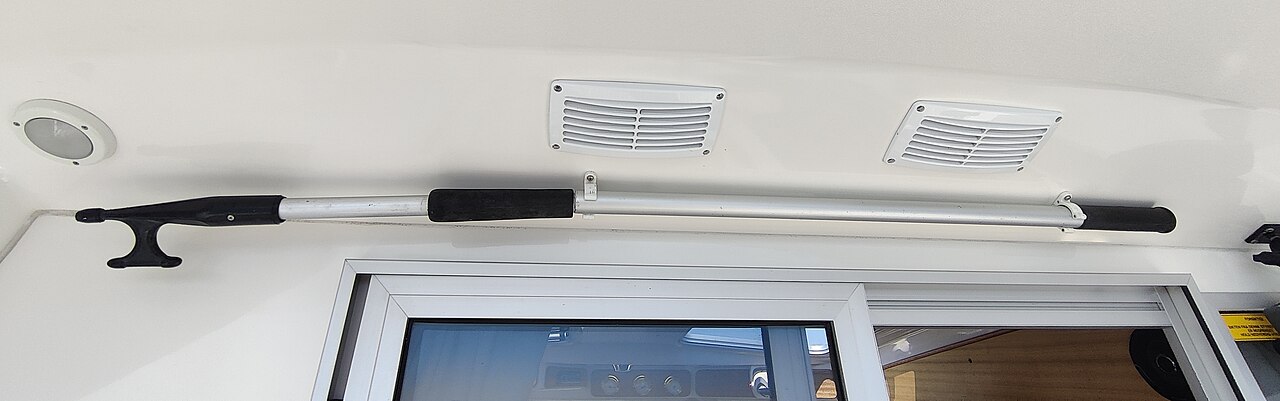 Anchoring
Best Boat Hooks: Telescoping Hooks for Docking
Length, locks, hook shapes and floating designs for docking and mooring pickups.
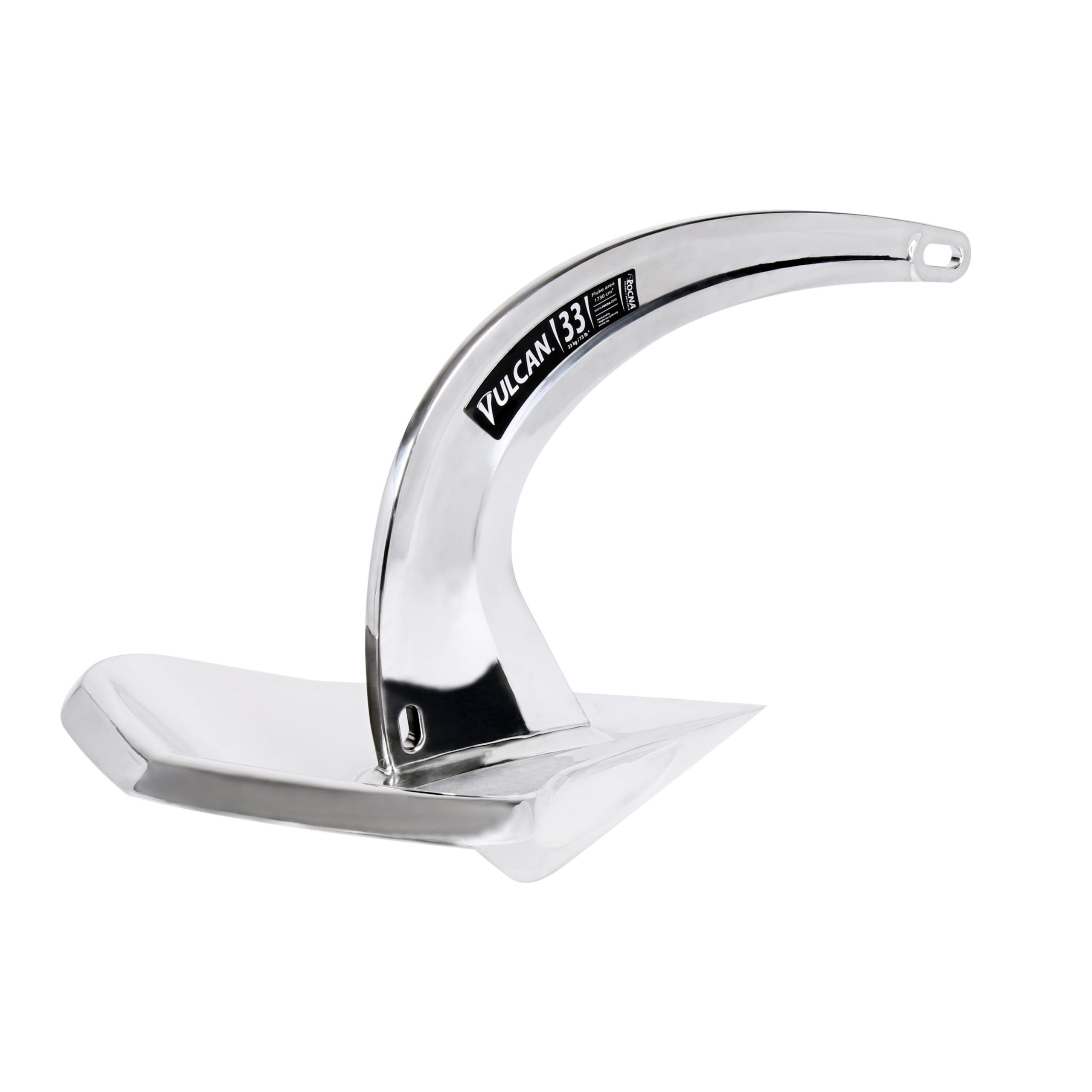 Anchoring
Best Anchors and Windlasses for Sailboats
Modern anchor and windlass picks that hold hard and lift reliably — Rocna, Mantus, Spade, Lewmar, Maxwell.
 Anchoring
Anchor Chain and Rode
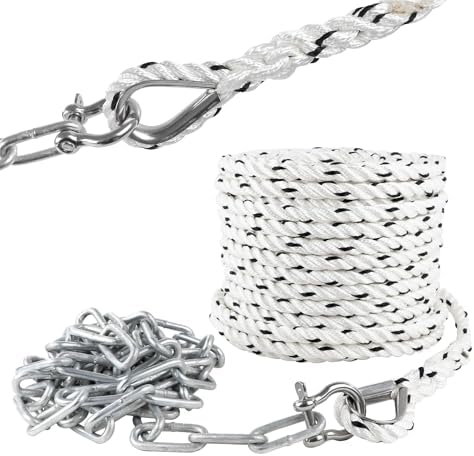
How to size, grade, and rig anchor chain and rode — G4, G7, calibrated European chain, snubbers, and chain hooks.
 Anchoring
Storm Anchors: A Second Anchor Setup That Holds
How to size, rig and deploy a second (storm/kedge) anchor: holding power, seabeds, scope in 40+ knots, snubbers and dinghy deployment.
Looking for more gear guides? Browse all our gear recommendations or the full guides index.