Sailboat Furling Systems
Furling gear is the single biggest reason short-handed cruising is comfortable in 2026. Done right, you can reef the main and jib from the cockpit in minutes, at any point of sail, without leaving the wheel. Done wrong, you have expensive extrusions on deck that jam in exactly the conditions you needed them to work. Here's how the three main furler types compare, and the units worth installing.
Sailboat Atlas may earn a commission from qualifying purchases made through links on this page, at no extra cost to you.
Headsail furlers: universal, mature technology
Every modern cruiser has a headsail furler. The two dominant players (Harken and Selden) are both excellent; Facnor and Profurl are strong second-tier choices. The failure modes are almost always installation-related (halyard wrap, line routing) rather than product defects. Get a rigger to install and you'll forget you have one for 15 years.
In-mast furling: convenient, controversial
In-mast furling puts the mainsail inside the mast — one-line reefing, no flaked sail on the boom, easy short-handed. The trade-offs are real: vertical battens (or no battens) mean less roach and less power; jam-in-the-mast is a genuine emergency that requires going aloft; and weight aloft is significantly higher. Great for coastal cruisers who prioritize simplicity; a real liability offshore where a jammed main becomes a survival problem.
In-boom furling: the compromise pick
In-boom furling keeps a full-roach mainsail (with horizontal or vertical battens) and rolls it into the boom on a mandrel. You lose vang articulation but keep sail performance and — critically — the failure mode is a hanging sail you can drop to deck, not a jammed extrusion. For couples cruising short-handed above 40 feet, this is what we'd fit new.
Our picks
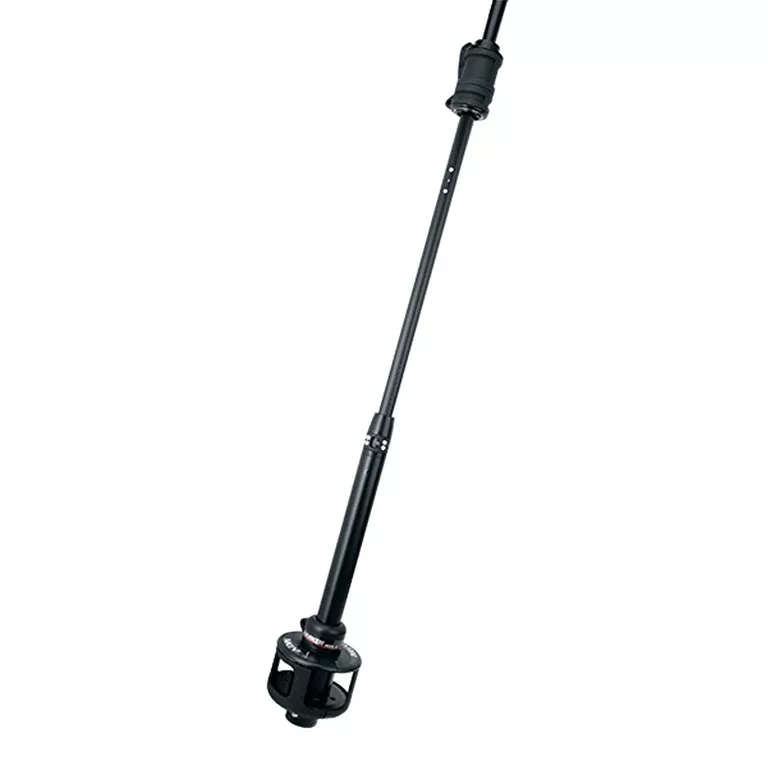
Harken MKIV Unit 1 Headsail Furler
Best headsail furler for boats up to ~38 ft
The MKIV is what most riggers install by default because it just works and keeps working. The Torlon bearing design was a genuine improvement over ball bearings — no periodic teardown, no salt-water rinse ritual. If you're picking a furler for a 30-something cruiser and you don't want to think about it again for 15 years, this is the boring correct answer.
- Boat length
- 26–38 ft
- Max wire size
- 9/32 in (7 mm)
- Bearings
- Torlon roller bearings, sealed
- Typical price
- $2,800–$3,400
Pros
- The industry reference for headsail furlers — proven on hundreds of thousands of boats
- Torlon bearings run smoothly for years without lubrication or teardown service
- Deep parts availability worldwide — every rigger stocks Harken
Cons
- Premium price versus Facnor and Profurl, sometimes without a functional edge for casual cruisers
- Foil sections are proprietary; if you damage one, you're buying from Harken, not a substitute

Selden Furlex 200S
Best furler for European production yachts
If your boat came with a Selden Furlex, replacing it with Harken is possible but expensive — Selden's system is well-engineered and long-lived. When it's time for a rebuild, buy the Selden rebuild kit and be done in an afternoon. It's cheaper than switching brands, and the halyard-swivel design is arguably slightly better than Harken's for cruisers who don't want to think about anti-wrap wraps.
- Boat length
- 26–40 ft
- Max wire size
- 7 mm
- Halyard
- Integrated halyard swivel with anti-wrap
- Typical price
- $2,400–$2,900
Pros
- Standard fit on Beneteau, Bavaria, Jeanneau, Dehler — replacement parts fit exactly
- Halyard swivel design is genuinely well-thought-out for anti-wrap
- Swedish build quality; Selden aluminum extrusions are among the best in the industry
Cons
- Support network in North America is thinner than Harken's
- Line-drive configuration is more restrictive to reroute than Harken's
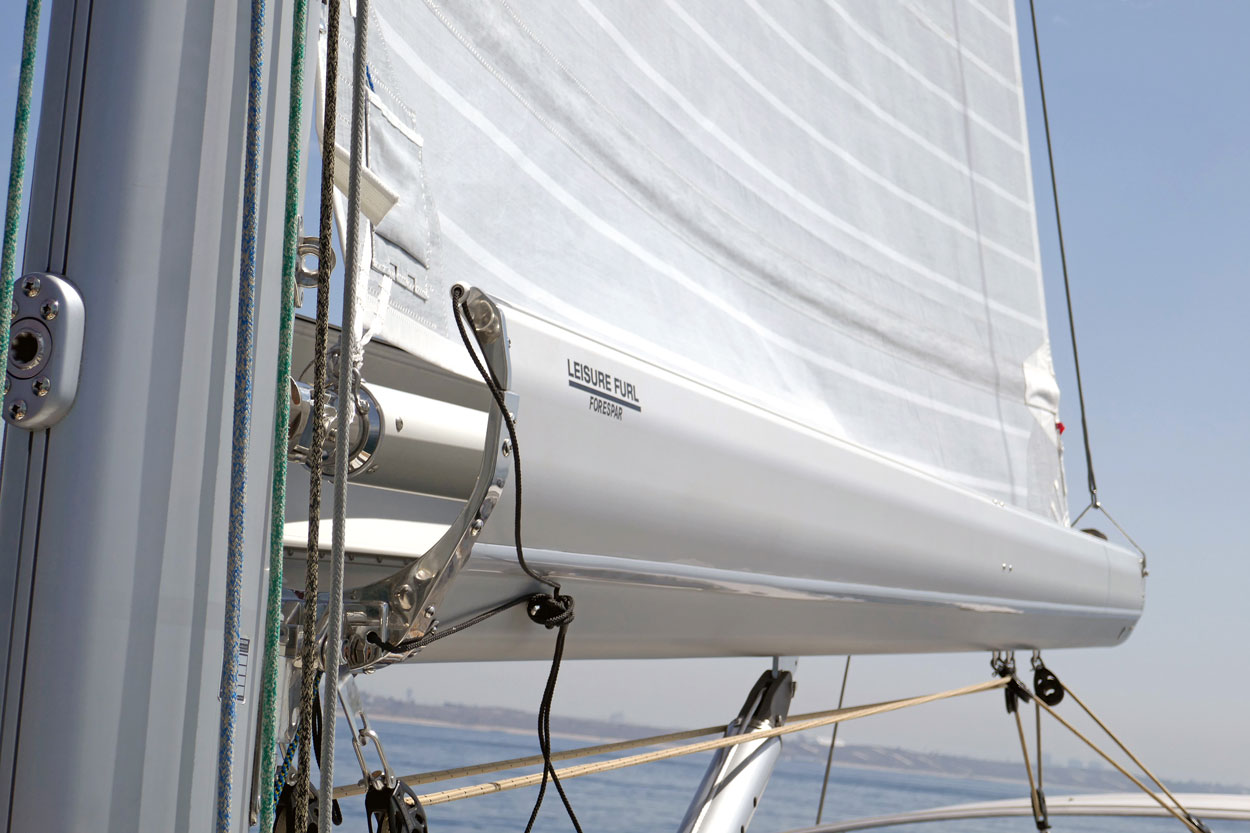
Leisure Furl In-Boom Furling System
Best in-boom furler (safer than in-mast)
In-boom furling is the sensible choice when short-handed reefing matters and you want to preserve mainsail performance. The tradeoff versus in-mast is real: you keep sail shape and roach, but you lose vang adjustment and add complexity to the boom. For most cruising couples above 40 feet, this is the setup we'd specify over in-mast every time.
- Boat length
- 36–70 ft (multiple sizes)
- Sail type
- Full-battened mainsail with vertical battens
- Boom angle
- Fixed 87° to mast for proper furl
- Typical price
- $18,000–$45,000 depending on boat
Pros
- Keeps sail area and roach comparable to a standard main — no meaningful performance loss
- Failure mode is a hanging main you can drop to deck, not a jammed sail inside the mast
- Genuine push-button reefing at any angle of sail
Cons
- The boom must sit at a fixed angle to the mast — no dropping the vang or reshaping the leech
- Expensive to install and requires a matched full-batten mainsail
- Adds significant weight aloft compared to a standard boom
How to choose
Coastal weekender under 38 feet: Harken MKIV headsail furler, hank-on storm jib, standard slab-reefing main. Cruising couple 40–50 feet: Harken or Selden headsail plus Leisure Furl in-boom. Offshore passage-maker: headsail furler plus fully-battened main with two or three deep reefs — skip in-mast entirely.
Frequently asked questions
Can I retrofit in-boom furling onto my existing mast?
Usually yes, but the boom, mainsail, and rigid vang all have to be replaced or modified. Budget the full boom + sail + install at $25,000+ for a 40-footer. Selden also makes conversion kits for their existing masts.
Is in-mast furling as bad as offshore sailors say?
It's a compromise, not a disaster. Modern in-mast systems (Selden, Sparcraft) work reliably in normal use. The problem is the tail risk: when they jam offshore in 30+ knots, the consequences are severe. If you sail primarily coastal and prioritize convenience, it's fine. Offshore, most experienced cruisers avoid it.
Related guides
- Sails & Rigging
Best Sailing Gloves for Line Handling and Racing
Short, long and full-finger sailing gloves compared for grip, durability and dexterity.
 Sails & Rigging
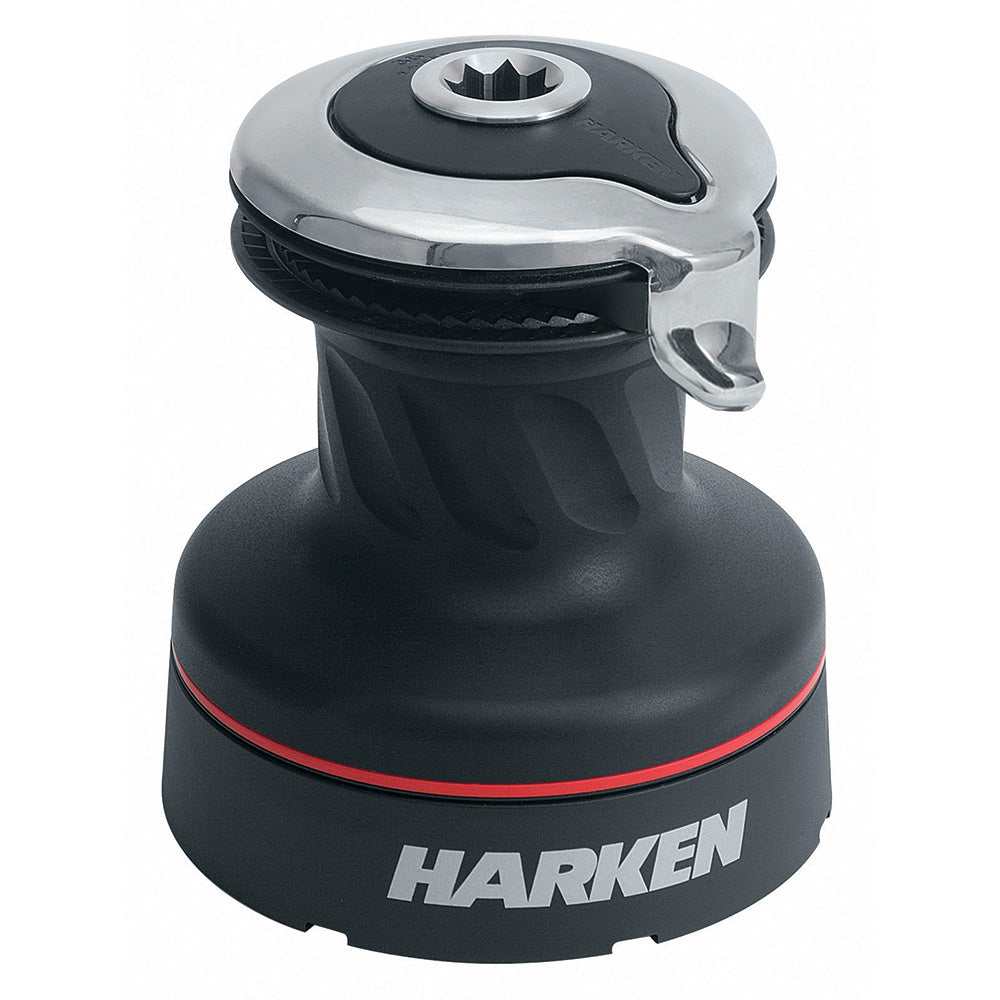
Sailboat Winches: Manual, Self-Tailing, and Electric
How to size and choose sailboat winches — Harken, Lewmar, Andersen, and electric winches.
 Sails & Rigging
Sailboat Standing Rigging: Wire, Rod, and Synthetic
Standing rigging replacement guide — 1x19 wire, rod, Dyneema, terminal types, and when to re-rig.
 Sails & Rigging
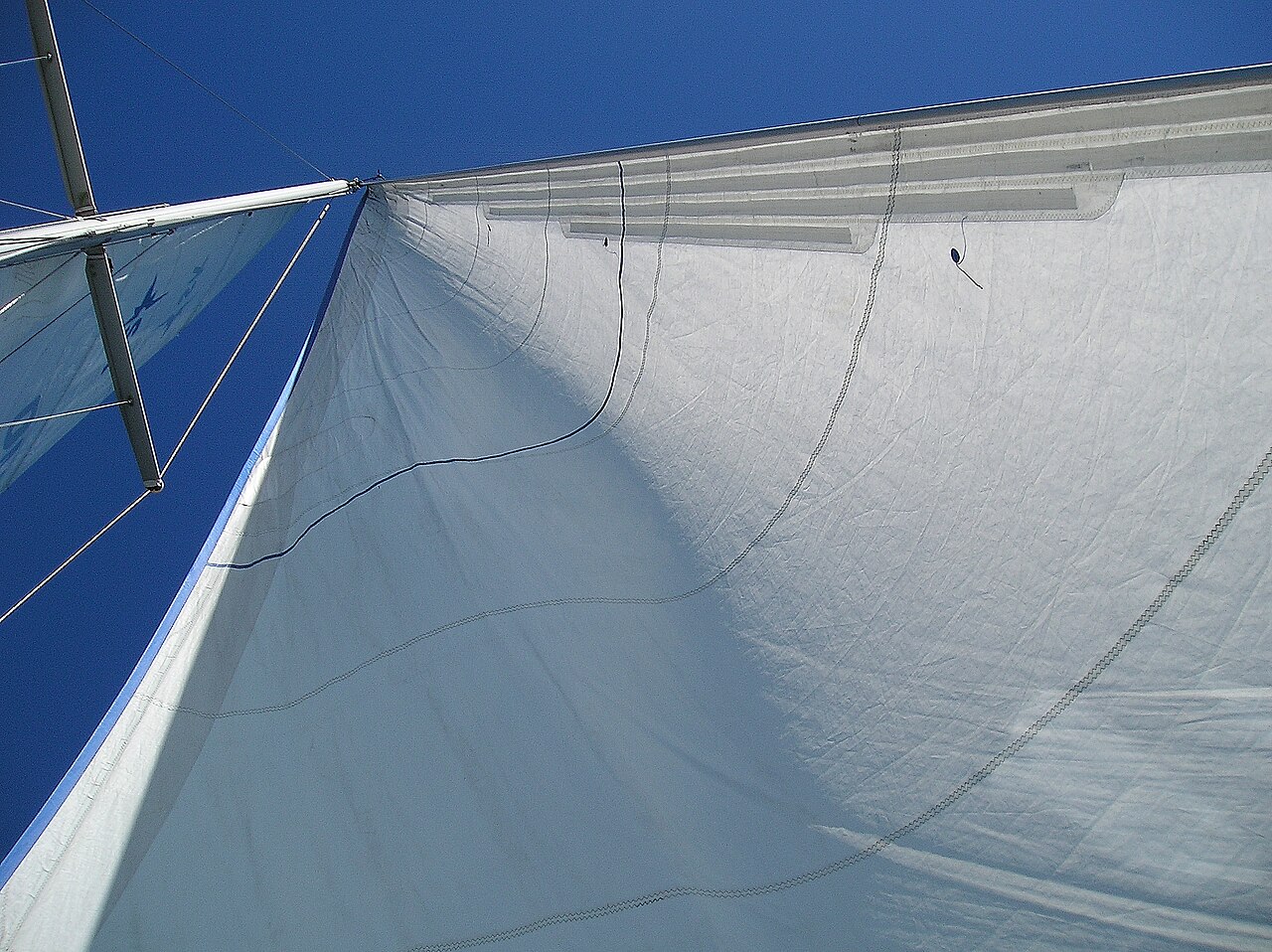
Sail Materials: Dacron vs Laminate vs Membrane
How sail cloth fails, what Dacron, laminate and moulded membrane sails really cost per season, and how to order well.
Looking for more gear guides? Browse all our gear recommendations or the full guides index.