Sailboat Winches
Winches are the interface between your muscles and the sails. On a well-set-up cruising boat you don't notice them; on a poorly-set-up boat you fight them every time the wind pipes up over 15 knots. Sizing, self-tailing, and — increasingly — electric operation are the three decisions that define whether short-handed sailing is comfortable or exhausting.
Sailboat Atlas may earn a commission from qualifying purchases made through links on this page, at no extra cost to you.
Sizing: power ratio matters more than size
Winch sizing is a function of sail area and the crew's strength — a 40-footer with a big genoa needs more mechanical advantage than a 40-footer with a self-tacking jib. Rule of thumb: primaries should give a 40:1+ ratio for a 130% genoa on a 40-footer. Manufacturer sizing charts are conservative; if you sail short-handed or in windy areas, go one size up.
Self-tailing is not optional
A non-self-tailing winch requires one crew to tail the line while another grinds. On a modern short-handed cruiser, that's a non-starter. Every primary and cabin-top winch on a cruising boat should be self-tailing. The line-diameter range of the stripper matters — check that your halyards and sheets fall inside it.
When electric makes sense
Electric winches shine when the boat is short-handed and the loads are big — reefing a 45-footer's mainsail under 20+ knots, or hoisting the anchor rode's last 50 feet after a week at anchor. For weekend day-sailors on 35-footers, they're a luxury. For cruising couples on 45+ footers, they're closer to essential.
Our picks
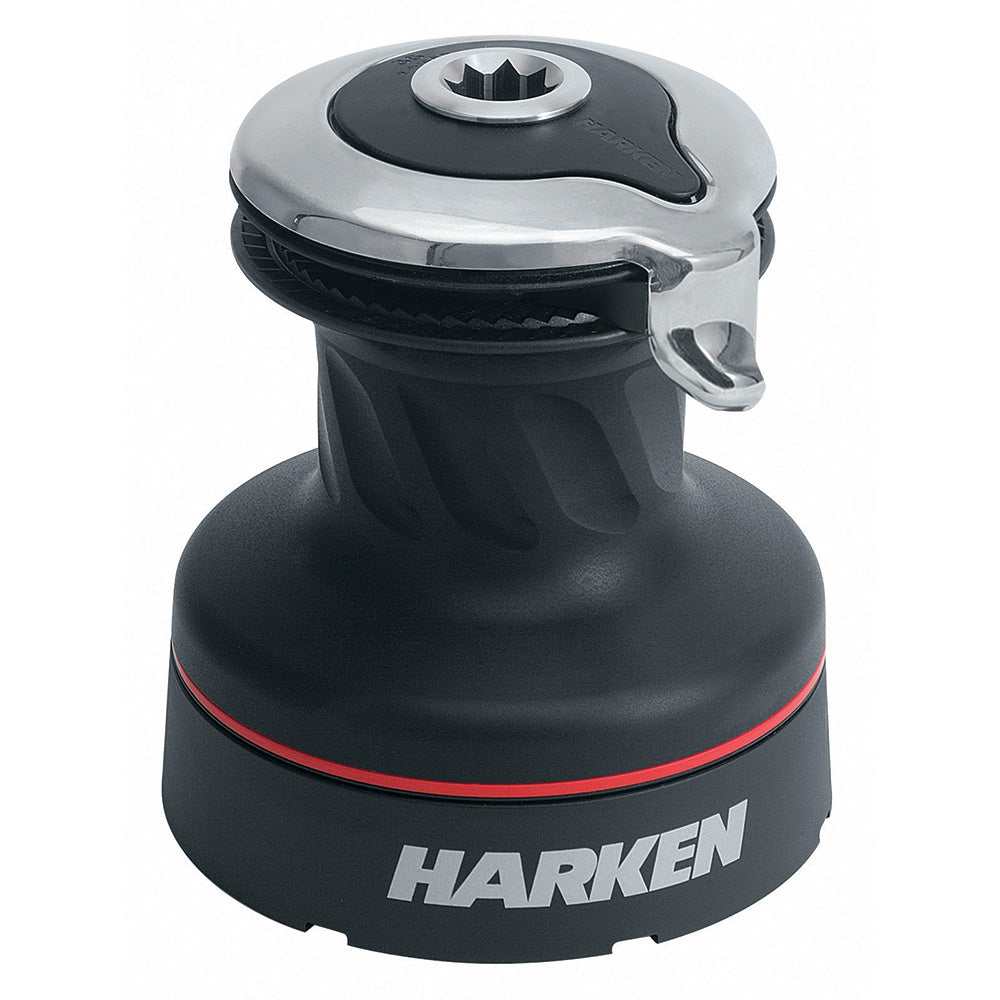
Harken Radial Self-Tailing Two-Speed (40.2 STA)
Best all-around primary winch
If a rigger asks what winch to fit, they'll say Harken and be done with it. The Radial line has been in production long enough to be genuinely mature, service kits are available worldwide, and the drum shape works with both wire and modern textile halyards. Not the cheapest, not the lightest, but the one you buy when you're not going to think about winches again for 20 years.
- Power ratio
- 40:1 approx at second gear
- Boat length
- 32–40 ft primary; 40+ ft secondary
- Material
- Anodized aluminum drum, chrome-plated bronze internals
- Typical price
- $1,600–$1,900 each
Pros
- The industry reference for a reason — smooth, strong, serviceable, ubiquitous
- Parts fit and interchange across decades of Harken production
- Self-tailing jaw grips modern high-modulus lines without slippage
Cons
- Premium price versus Lewmar and Andersen for equivalent capacity
- Chrome-plated bronze internals are heavier than titanium options and slightly less rebuild-friendly
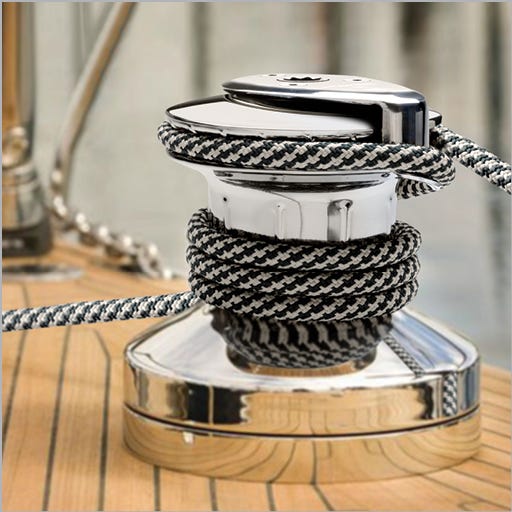
Andersen 46ST Full Stainless Winch
Best stainless self-tailing winch
Andersen is what serious voyagers specify when they've decided the boat is going to have grandkids someday. The stainless drum doesn't oxidize, the internals don't gall, and the ribbed drum design has stayed unchanged because it works. Overkill for coastal cruisers; correct for anyone crossing oceans in a boat they intend to keep.
- Power ratio
- 45:1 approx at second gear
- Boat length
- 36–44 ft primary
- Material
- Full 316 stainless drum and body
- Typical price
- $2,600–$3,100 each
Pros
- Full stainless construction is nearly impervious to salt corrosion — genuinely last-decades gear
- Ribbed drum grips modern lines without needing the aggressive knurling other winches use
- Danish engineering with excellent build quality and long service intervals
Cons
- Substantially more expensive than aluminum equivalents
- Heavier than aluminum, which matters if you're stacking multiple winches on the cabin top
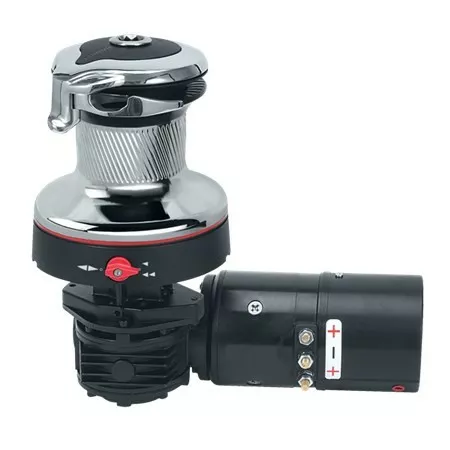
Harken Rewind Electric Winch (Rewind 46.2)
Best electric winch for short-handed cruising
Electric winches are the single biggest quality-of-life upgrade for cruising couples over 45 feet. The Rewind's ability to ease under power, not just trim, means a single crew can drop the main under load safely — no wrestling with a stuck reefing line while the wind pipes up. Not cheap, but if you're specifying a new boat or refitting an aging one, budget for one primary electric.
- Power ratio
- 46:1 gear ratio, electric at any speed
- Direction
- Bidirectional — powered ease AND trim
- Motor
- 24V DC (12V version available)
- Typical price
- $8,500–$11,000 including motor and control
Pros
- Bidirectional operation is genuinely game-changing for short-handed cruising — eases as well as trims
- One-button reefing from the cockpit; drop the main under load without a second crew
- Same Harken serviceability once you get past the electric motor
Cons
- Massive premium over manual winches, and installation includes running a 24V circuit and reinforcing the deck
- The motor is a service item; expect a rebuild every 8–12 years
- You need proper battery capacity — an electric winch can draw 60+ amps at 24V under load
How to choose
Coastal cruiser 30–38 feet: Harken 40.2 STA primaries, Harken 35.2 cabin-top for halyards. Bluewater cruiser 40–50 feet: Andersen 46/52 primaries in full stainless, Harken cabin-tops for halyards. Short-handed cruising couple over 45 feet: consider one electric primary or a single electric halyard/reefing winch on the cabin top — the highest-ROI single upgrade available for short-handed sailing.
Frequently asked questions
Can I upgrade to electric later, or do I need to plan now?
You can retrofit, but you'll be running a 12V or 24V cable through the deck and reinforcing the winch pad. Plan now if there's any chance you'll want it in five years — the wiring is much cheaper before the headliner is finished.
How often should winches be serviced?
Annually, minimum. A full teardown, degrease, inspection, and re-grease with winch-appropriate grease (not general marine grease — that's too tacky) takes about an hour per winch and prevents the pawl-spring failures that lead to slipping under load. This is a job any owner can do with the service manual.
Related guides
- Sails & Rigging
Electric Winch Conversion for Sailboats
Converting sailboat winches to electric — kit vs new winch, wiring and battery demands, safety, and the best options compared.
 Sails & Rigging
Best Sailing Gloves for Line Handling and Racing
Short, long and full-finger sailing gloves compared for grip, durability and dexterity.
 Sails & Rigging
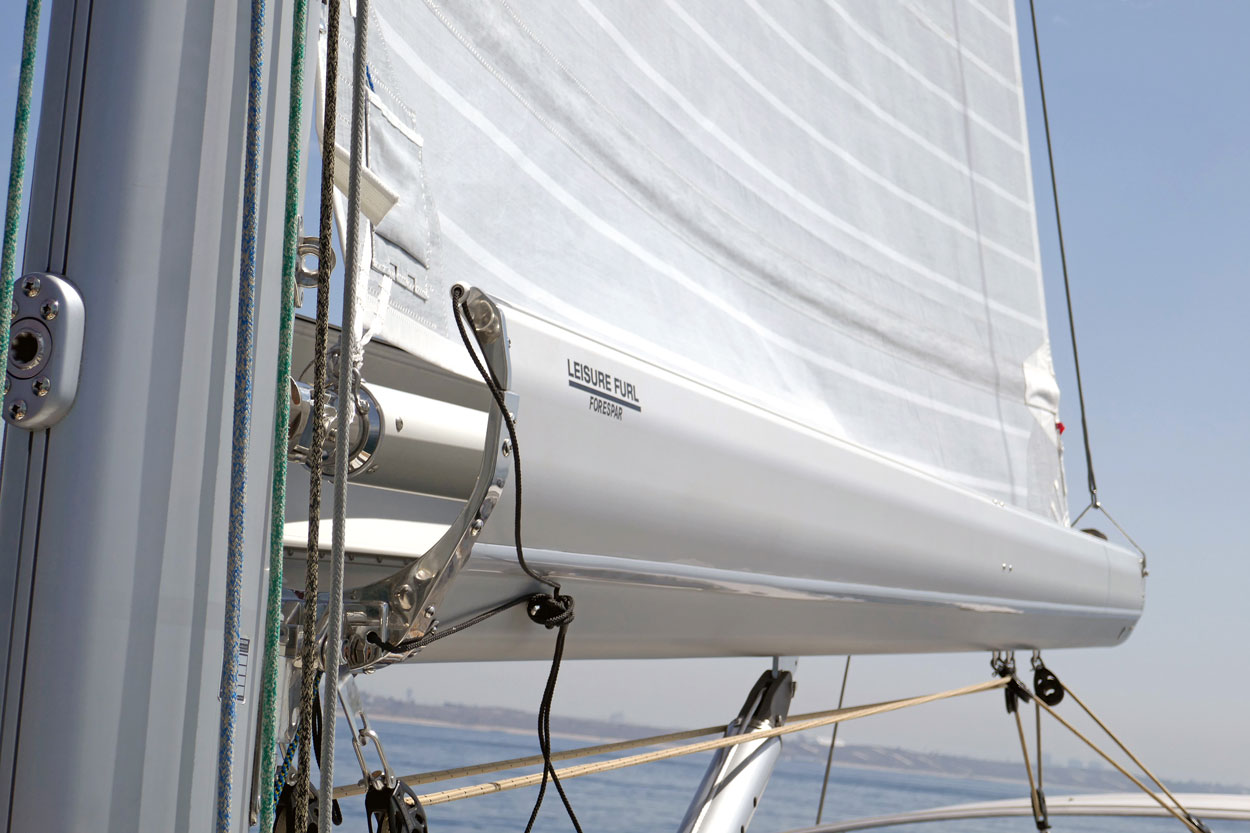
Sailboat Furling Systems: Headsail, In-Mast & In-Boom
Headsail furlers, in-mast, and in-boom furling systems compared — trade-offs, top picks, and what to install today.
 Sails & Rigging
Sailboat Standing Rigging: Wire, Rod, and Synthetic
Standing rigging replacement guide — 1x19 wire, rod, Dyneema, terminal types, and when to re-rig.
Looking for more gear guides? Browse all our gear recommendations or the full guides index.