Sailboat Standing Rigging: Wire, Rod, and Synthetic
Standing rigging is one of the highest-consequence, lowest-glamour systems on a sailboat. Get it right and you never think about it. Get it wrong and you lose the mast. Every offshore cruiser eventually faces the re-rig question — here's how to think about wire vs. rod vs. synthetic, when to replace, and what the numbers actually mean.
Sailboat Atlas may earn a commission from qualifying purchases made through links on this page, at no extra cost to you.
When to re-rig
Insurance underwriters typically require standing rigging replacement at 10–12 years for offshore-rated coverage; coastal cruisers can reasonably go 12–15 years on well-maintained 1x19 wire before failure risk climbs steeply. Rod rigging can last 15–20 years but requires die inspection at similar intervals. Any visible crack at a terminal, any strand break, or any suspicious rust weep is grounds for immediate replacement of that stay.
1x19 wire vs. rod rigging
1x19 stainless wire is the standard for cruisers: cheap, universally available, easy to inspect (broken strands show). Rod rigging is stiffer, lower drag, and slightly stronger for the same diameter — worth it on race boats and larger performance cruisers, unnecessary on a typical 40-foot production boat. Rod is also harder to replace in remote locations because rod-head machines are less common than swagers.
Terminals: swage, mechanical, or synthetic
Swaged terminals (rolled onto the wire under massive pressure) are strongest and cheapest, but can't be inspected internally and can't be repaired — cut them off and re-swage. Mechanical terminals (Sta-Lok, Norseman, Hi-MOD) can be assembled with hand tools and reused, at 2–3x the cost. For anything blue-water, mechanical is worth every dollar.
Our picks
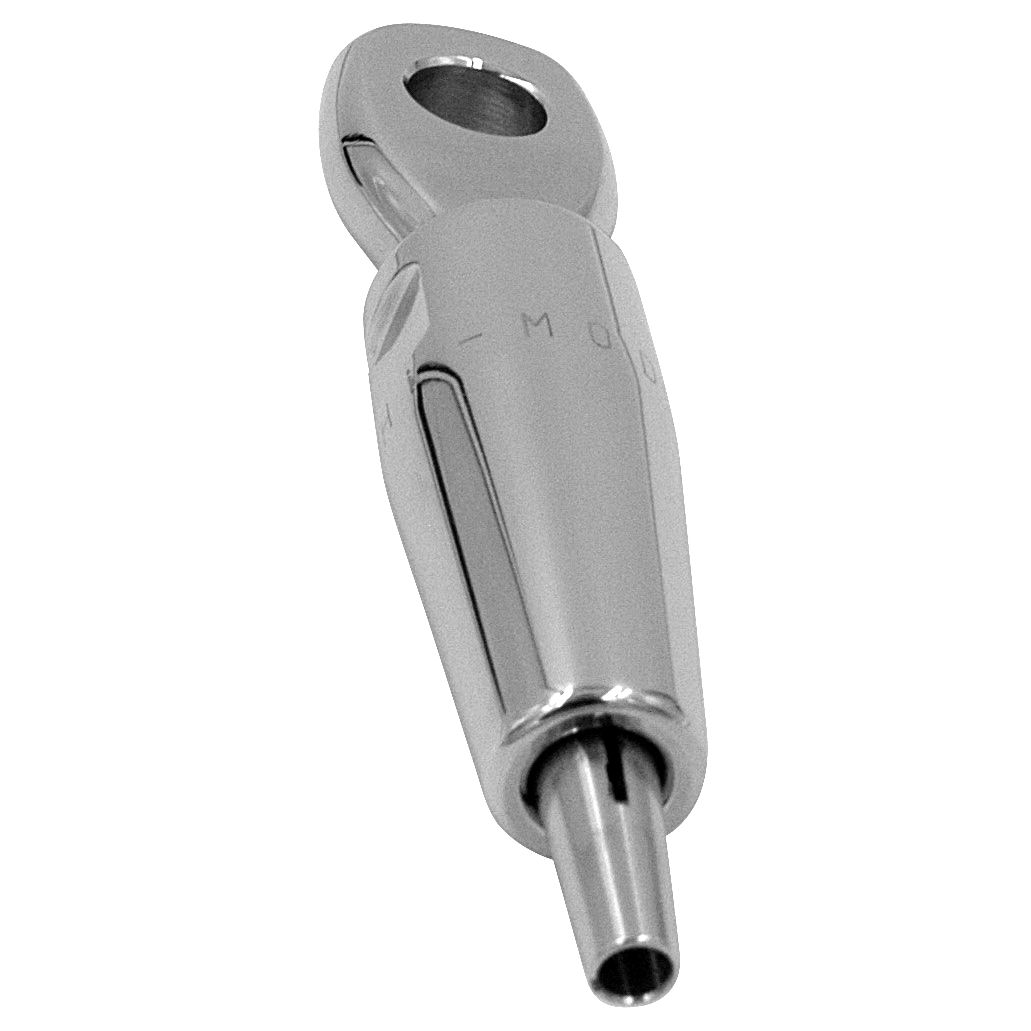
Hayn Hi-MOD Compression Terminals
Best DIY-friendly rigging terminals
Hi-MODs (and the similar Sta-Lok / Norseman families) are what serious cruising sailors specify because they can be inspected, reused, and replaced in Fiji as easily as in Fort Lauderdale. A properly installed Hi-MOD is as strong as a swage — the ABYC and Rig Rite testing is unambiguous. Skip these for a coastal weekender; specify them for anything that will leave sight of land.
- Wire sizes
- 1/8 in through 1/2 in 1x19
- Type
- Reusable mechanical compression
- Working load
- Matches wire — 100% breaking strength when properly installed
- Typical price
- $80–$180 per terminal
Pros
- Owner-installable with basic tools — no swage press required
- Reusable: cut off, replace, redo in remote cruising grounds
- Full breaking-strength rating when torqued to spec, per ABYC testing
Cons
- Substantially more expensive than swaged terminals per fitting
- Larger diameter at the terminal — check masthead crane and turnbuckle clearances before ordering

Loos & Co. Professional Rig Tension Gauge
Best rig tuning tool
If you own a boat, you should own a rig tension gauge. Rigs go slack over a season, and the difference between a well-tuned rig and a saggy one is measurable in speed, sail life, and — critically — the fatigue life of your terminals. Ten minutes with a Loos gauge every spring and after any big blow is one of the highest-ROI maintenance habits in sailing.
- Wire sizes
- 3/32 to 3/8 in (multiple models: PT-1, PT-2, PT-3)
- Read type
- Direct pounds and % breaking load
- Build
- Anodized aluminum, ships in fitted case
- Typical price
- $120–$240 depending on size
Pros
- The industry-standard tool — every rigger uses one
- Reading in % of breaking load, not just pounds, makes tuning intuitive across wire sizes
- Well-built enough to last decades of owner use
Cons
- Model must match your wire size — don't buy the wrong PT number
- Owner mistakes still happen (measuring the wrong stay, not compensating for windage) — the tool doesn't replace understanding tuning
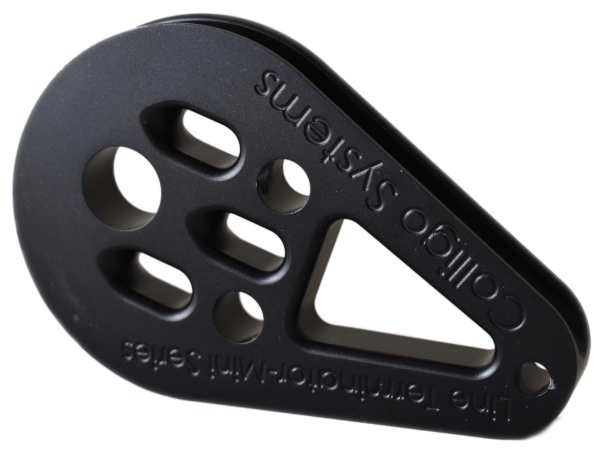
Colligo Marine Dynex Dux Standing Rigging
Best synthetic standing rigging
Synthetic standing rigging is genuinely mainstream on performance cruisers and multihulls now. The weight savings aloft translate to less rolling at anchor and a more comfortable motion under sail — an underrated quality-of-life benefit. UV is the real service-life question; specify Colligo's cover treatments and inspect annually. For a fast cruiser over 40 feet, Dux is worth the premium; for a traditional monohull, wire is still fine.
- Material
- Heat-stretched Dyneema SK75/SK78
- Weight vs wire
- ~70% lighter than equivalent-strength stainless
- Service life
- 10 years typical (UV-limited)
- Typical price
- Full rig $6,000–$18,000 depending on boat
Pros
- Dramatic weight-aloft savings — real performance and comfort improvement, especially on multihulls
- Owner-splice-and-inspect friendly; no swage machines required
- Does not fatigue — failure mode is UV degradation, not internal broken strands
Cons
- 10-year service life vs. 15–20 years for well-maintained stainless
- Sunlight is the enemy; every stay needs Dyneema-appropriate UV protection
- Insurance adjusters and surveyors still occasionally push back — carry documentation
How to choose
Coastal cruiser, 10-year-old boat, no obvious issues: budget a full re-rig with 1x19 wire and swaged terminals at your next haul-out — call it $5,000–$8,000 on a 35-footer. Bluewater cruiser planning a serious voyage: 1x19 wire with Hi-MOD or Sta-Lok mechanical terminals so you can inspect and replace in remote ports. Performance-focused 40+ footer where weight aloft matters: Dyneema/Dux with the Colligo hardware system.
Frequently asked questions
Can I re-rig one stay at a time?
You can, but you shouldn't. If one 12-year-old stay fatigued to failure, the others are the same age and material — replace them all at once. The labor to un-tune and re-tune the rig is the same for one stay or twelve.
Do I need a rigger, or can I DIY?
The wire itself can be owner-installed if you use mechanical terminals — that's the point of Hi-MOD/Sta-Lok. Rig tuning and pre-tension you can also do yourself with a Loos gauge. The only jobs a rigger is strictly required for are swaging and going aloft to inspect the masthead.
Related guides
 Sails & Rigging
Best Sailing Gloves for Line Handling and Racing
Short, long and full-finger sailing gloves compared for grip, durability and dexterity.
 Sails & Rigging
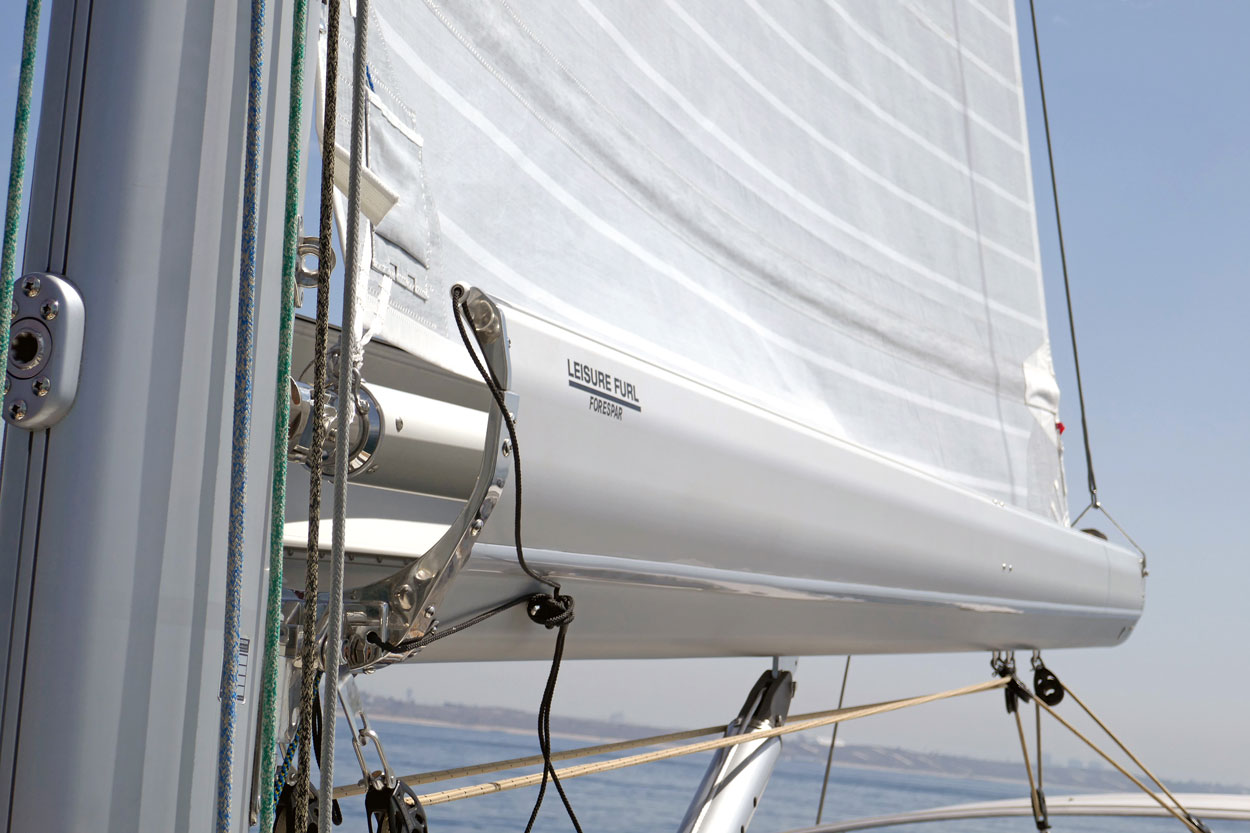
Sailboat Furling Systems: Headsail, In-Mast & In-Boom
Headsail furlers, in-mast, and in-boom furling systems compared — trade-offs, top picks, and what to install today.
 Sails & Rigging
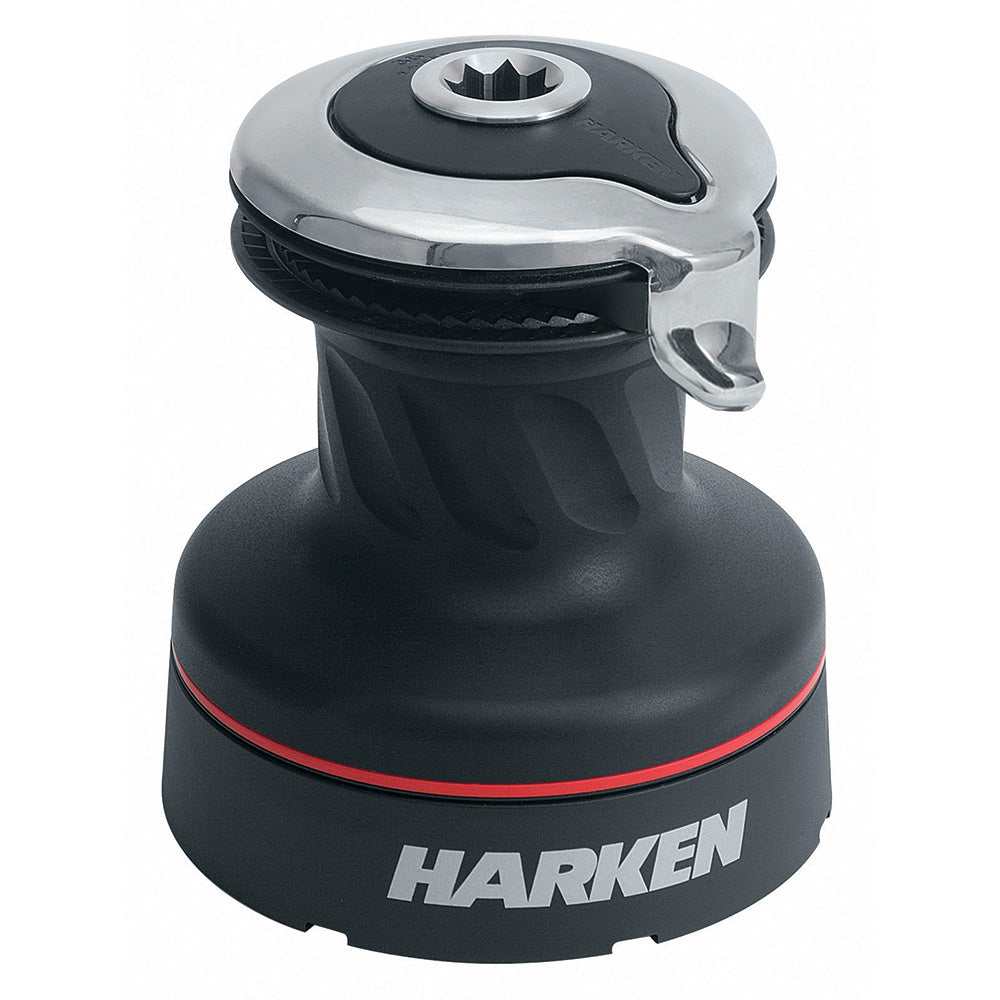
Sailboat Winches: Manual, Self-Tailing, and Electric
How to size and choose sailboat winches — Harken, Lewmar, Andersen, and electric winches.
 Sails & Rigging
Sail Materials: Dacron vs Laminate vs Membrane
How sail cloth fails, what Dacron, laminate and moulded membrane sails really cost per season, and how to order well.
Looking for more gear guides? Browse all our gear recommendations or the full guides index.