AIS Transponders for Sailboats
AIS is the single most effective collision-avoidance tool ever added to a small sailboat. A transponder makes you visible to every commercial ship's watch officer at 15+ nautical miles; a receiver lets you see them and plan avoidance long before they're a risk. Here's how the different classes compare, and what to install today.
Sailboat Atlas may earn a commission from qualifying purchases made through links on this page, at no extra cost to you.
Class A vs Class B vs Class B SOTDMA
Class A is required for commercial vessels — 12.5W, high update rate, priority timing. Class B (the original standard, sometimes called CSTDMA) was the recreational answer at 2W with slower updates. Class B SOTDMA is the modern recreational standard: 5W transmit, faster updates, better priority handling. Any new transponder purchased today should be Class B SOTDMA — the older 2W units are obsolete for offshore work.
Antenna: dedicated or shared?
A dedicated masthead VHF antenna for AIS gives the best transmit range. An antenna splitter lets you share your existing VHF antenna between the radio and the transponder without a noticeable performance loss on either — a good splitter (em-trak SA-1, Vesper equivalent) costs about $200 and is the right answer for most cruisers.
Display and integration
AIS is only useful if you can see the targets. Every modern chartplotter (Garmin, B&G, Raymarine, Simrad) displays AIS targets and calculates CPA/TCPA. Feed the transponder via NMEA 2000 to the plotter and you're done. Also enable AIS on your VHF (or use an AIS-capable VHF like the Standard Horizon Matrix line) for redundant display in case the plotter dies.
Our picks
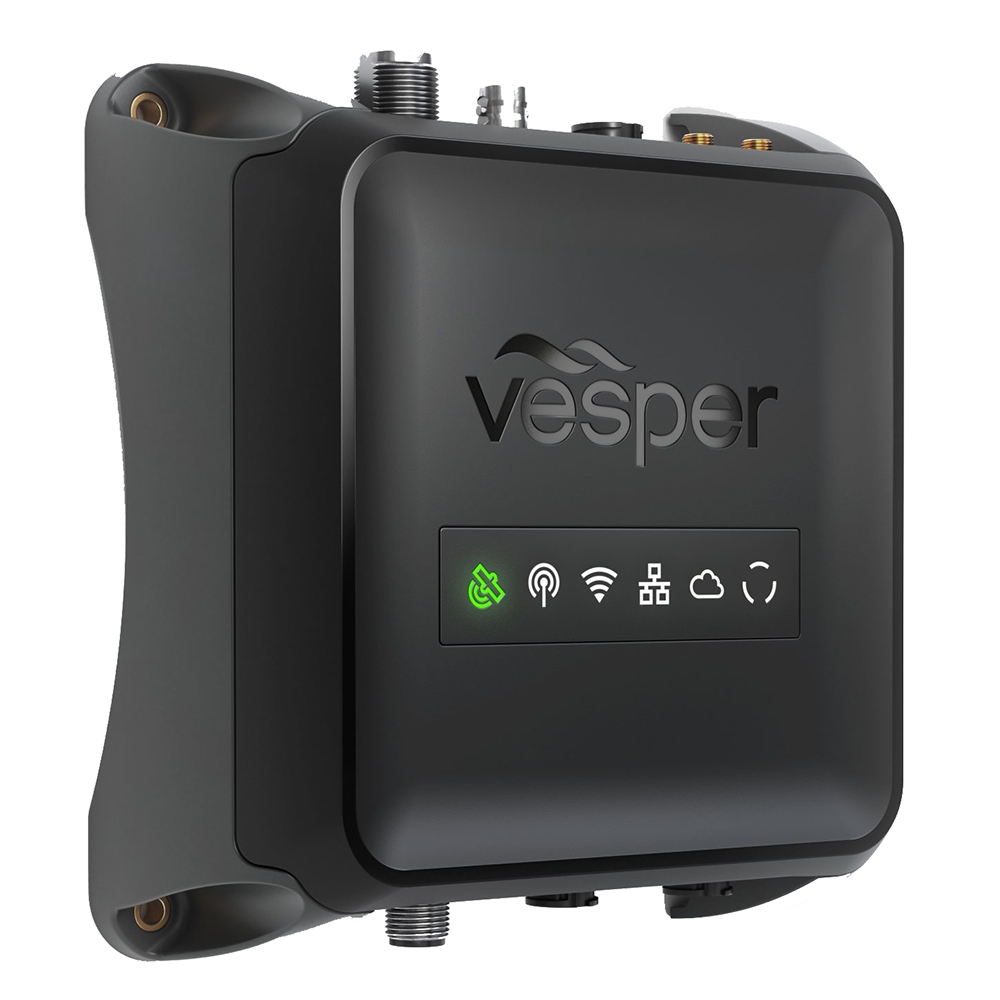
Vesper Cortex M1 (VHF + AIS Class B Transponder + Anchor Alarm)
Best all-in-one VHF/AIS/monitoring platform
The Cortex is the AIS/VHF platform that recognizes what boat owners actually want: fewer black boxes, more integration. The Class B SOTDMA transmitter is the modern standard — 5W of transmit power means you're visible to commercial traffic at real ranges, not just the 2–3 nm the older class B units delivered. Add the remote-monitoring hub and you can watch battery voltage and anchor drag from a bar ashore. Not cheap, but the best product in this category by a real margin.
- AIS
- Class B SOTDMA transponder (5W)
- VHF
- 25W transmit, integrated DSC
- Extras
- Anchor alarm, weather, remote monitoring via smartphone
- Typical price
- $1,800–$2,200 including hub and one handset
Pros
- Only unit that combines VHF, AIS transponder, and remote boat monitoring in one platform
- 5W SOTDMA gives faster position updates than the older 2W CSTDMA class B units — you show up sooner on commercial ships' displays
- Remote monitoring (anchor drag, battery voltage, bilge alarms) via cellular / satellite is genuinely useful
Cons
- Premium price for what could be three separate components
- New Zealand company; support and service networks smaller than Icom or Garmin globally
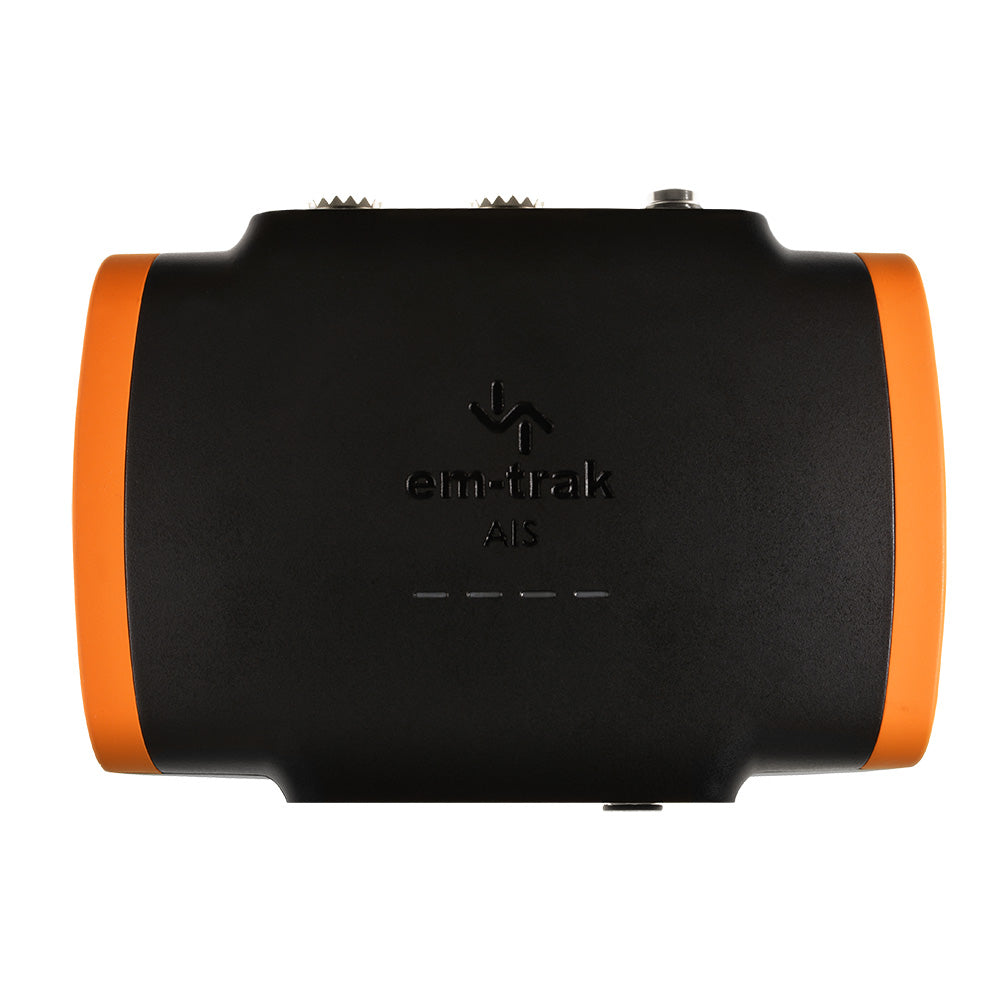
em-trak B953 Class B SOTDMA Transponder
Best standalone AIS transponder
For a boat with a good chartplotter and a working VHF, the B953 is the sensible AIS transponder purchase. You get modern 5W transmit performance, universal interfaces, and no gimmicks. Combined with an em-trak SA-1 antenna splitter (roughly $200) it uses the boat's existing VHF antenna cleanly. This is the pragmatic answer for the majority of cruising boats.
- AIS class
- Class B SOTDMA (5W)
- Interfaces
- NMEA 0183, NMEA 2000, USB, WiFi
- Antenna
- Splitter compatible for shared VHF antenna
- Typical price
- $700–$900
Pros
- Modern 5W SOTDMA — you show up on commercial displays at real ranges
- Broad interface support means it plays with any existing chartplotter
- British engineering, well-priced for the tier, strong support network
Cons
- No integrated display — needs a chartplotter or tablet to be useful
- Antenna splitter costs extra and can degrade both VHF and AIS reception if cheap — spec a good one
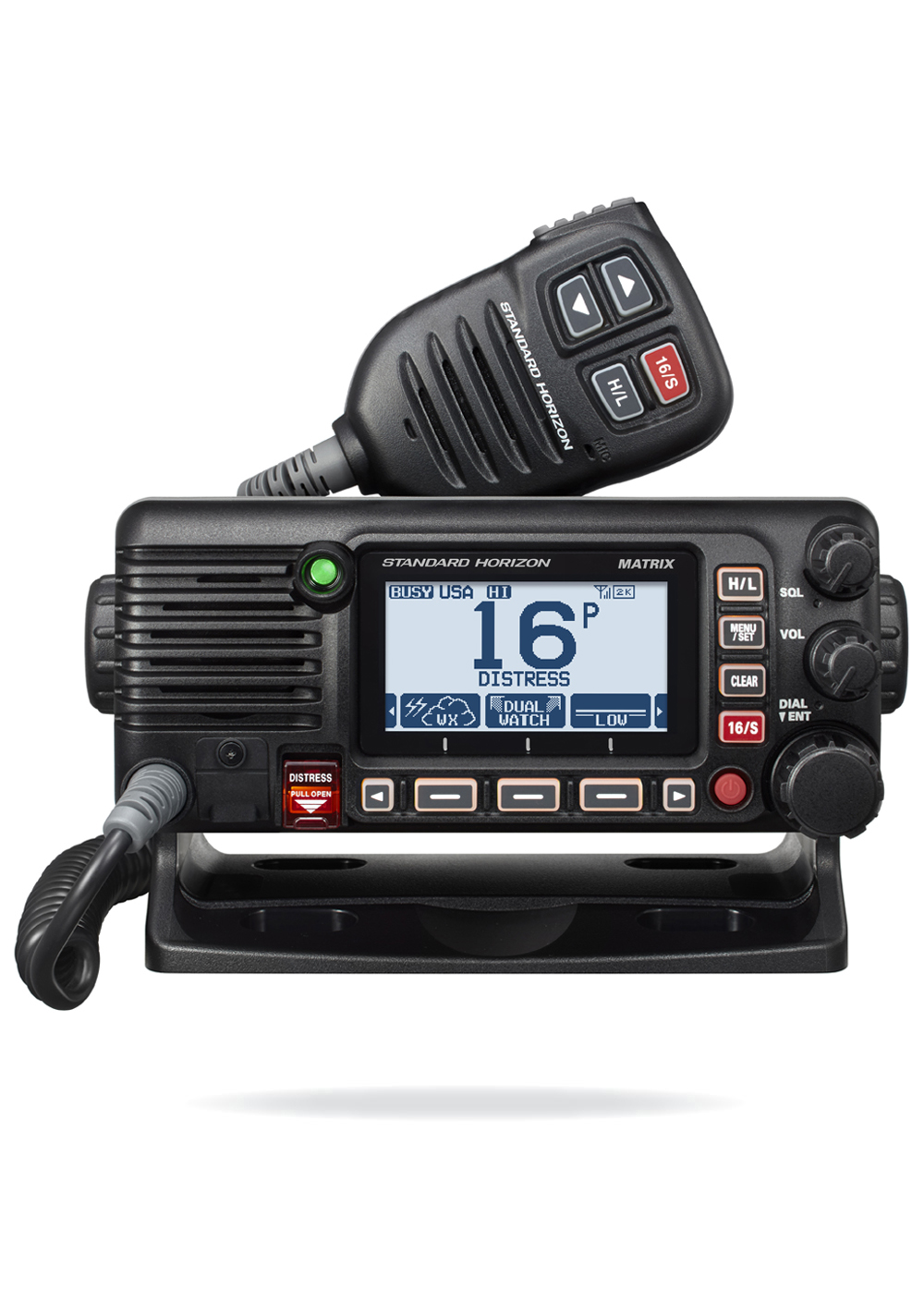
Standard Horizon GX2400GPS Matrix AIS+
Best VHF with integrated AIS receiver (RX only)
If your primary goal is to see commercial traffic on your own display for collision avoidance, and you don't care about being seen by them, the GX2400GPS is the value pick. It doesn't replace a transponder for safety-through-visibility, but it delivers real situational awareness at a fraction of the cost. Good stepping stone; upgrade to a transponder when the budget allows.
- VHF
- 25W with integrated DSC and GPS
- AIS
- Dual-channel receiver (not a transmitter)
- Extras
- NMEA 2000, LAN networking, integrated foghorn
- Typical price
- $450–$550
Pros
- One-box VHF and AIS receiver for well under half the cost of a transponder
- Excellent VHF performance and one of the loudest fixed-mount speakers in the class
- AIS-target display and CPA/TCPA alarms are surprisingly capable for a receive-only unit
Cons
- Receive only — you see other boats, they don't see you unless they have AIS displays fed by their radar
- Not a substitute for a transponder if your goal is being seen by commercial traffic
How to choose
Coastal weekender who wants situational awareness: Standard Horizon GX2400GPS receive-only — you see traffic, and one purchase covers VHF and AIS. Cruiser doing coastal and offshore passages: em-trak B953 Class B SOTDMA transponder plus a good VHF splitter. Boat where you want one modern platform to replace everything: Vesper Cortex — expensive but genuinely best-in- class.
Frequently asked questions
Do commercial ships actually see Class B?
Yes — Class B (including the older CSTDMA) has been visible on every modern commercial ship's ECDIS for over a decade. Some watch officers filter out Class B in busy waters, which is why Class B SOTDMA (with its priority-timing and 5W power) is a real safety upgrade — it stays visible in high-traffic areas.
Do I need an MMSI?
Yes. Both VHF DSC and AIS require an MMSI number to identify your vessel. In the US it's free from BoatUS or Sea Tow for non-international users; for international sailing you need one through your national radio licensing authority.
Related guides
- Navigation
Best VHF Radios for Sailboats
Fixed-mount and handheld VHF radios with DSC, GPS and AIS — how to choose, install, and register an MMSI.
 Navigation
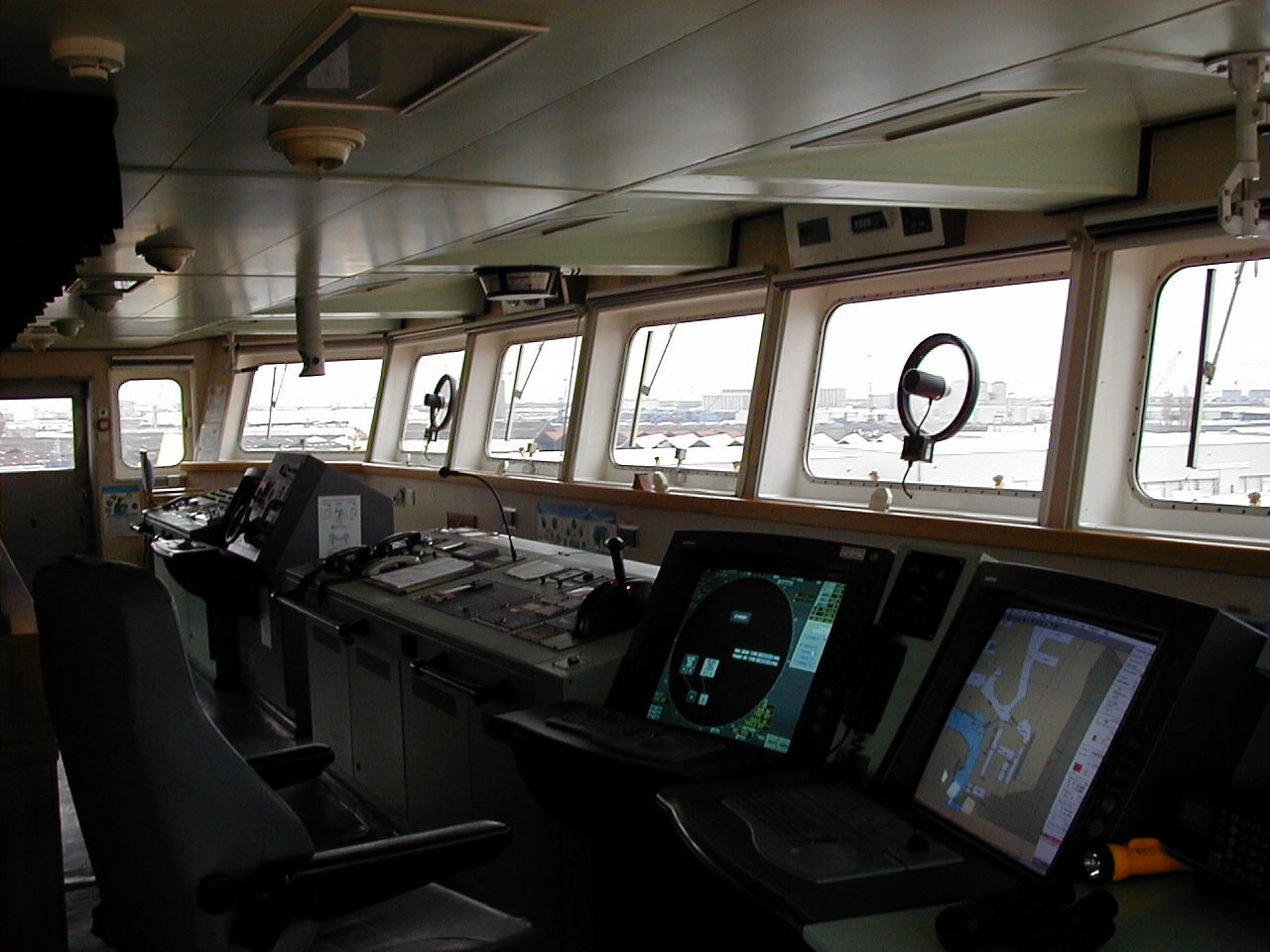
Radar vs AIS vs Thermal: Avoiding Collisions
What radar, AIS and thermal cameras each see and miss at sea, and how to combine them for a real watchkeeping system.
 Navigation
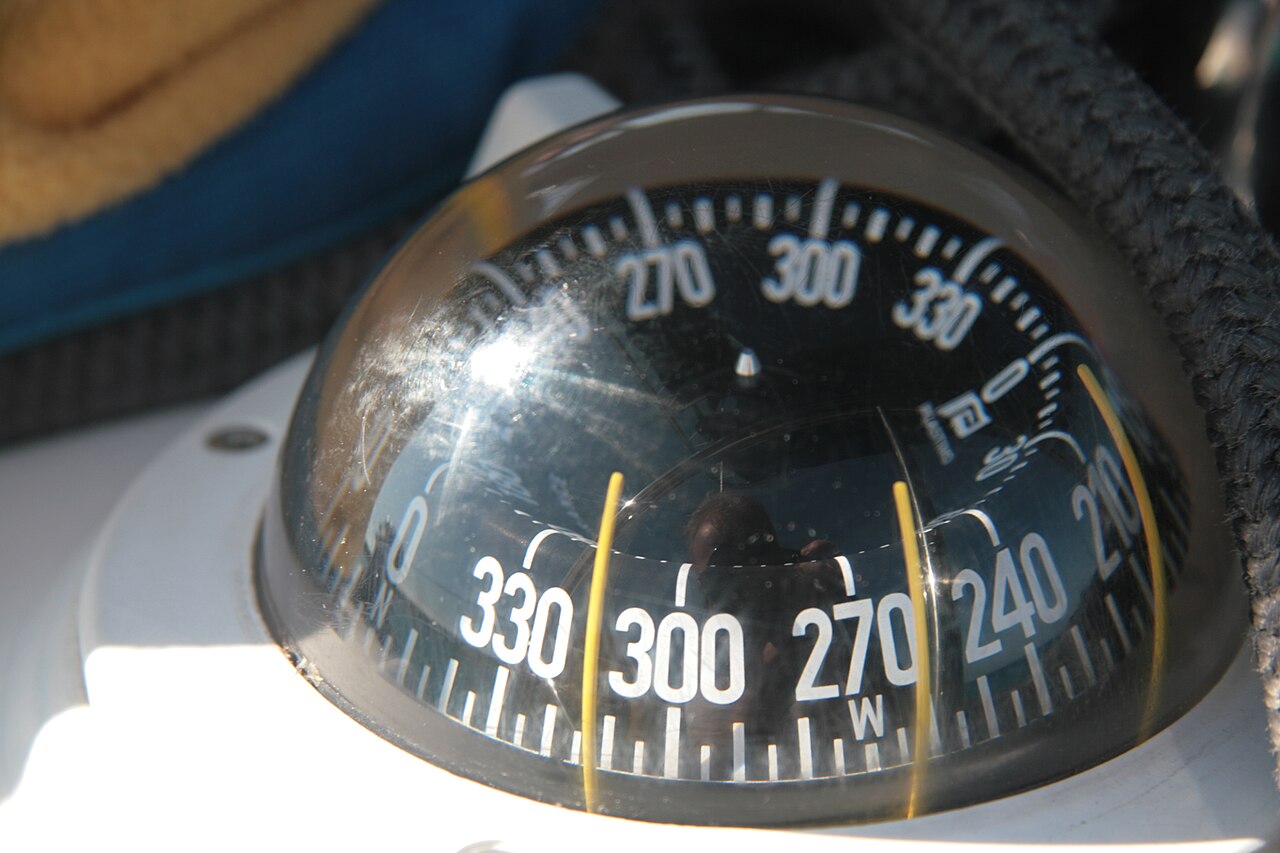
Best Boat Compasses: Steering and Handheld Picks
Card size, heel, mounting, lighting and deviation: choosing a magnetic compass for a sailboat.
 Navigation
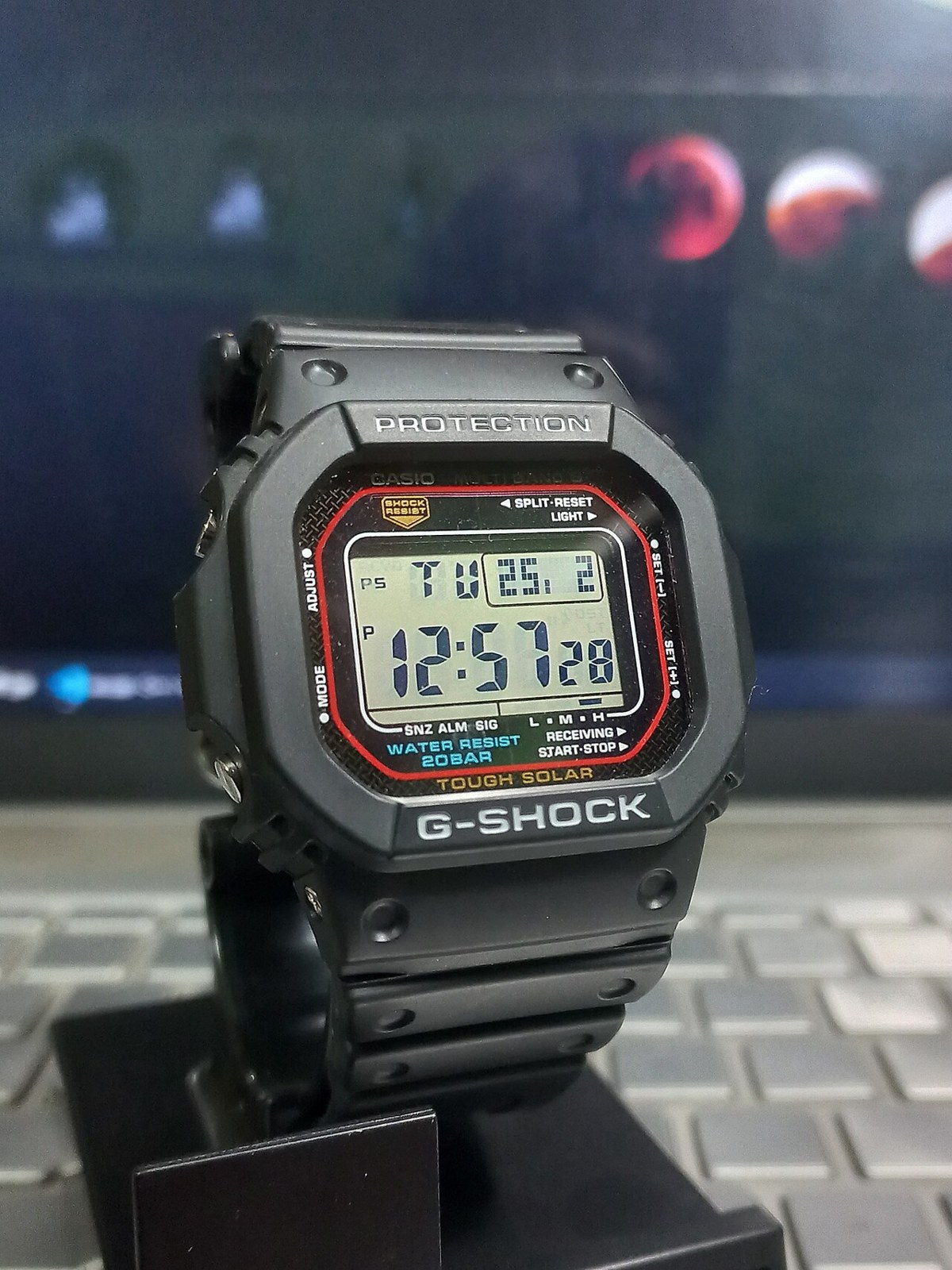
Sailing Watches: Race Timers and Cruising Choices
Countdown controls, water resistance, readability and battery care: choosing a practical watch for racing and cruising.
Looking for more gear guides? Browse all our gear recommendations or the full guides index.