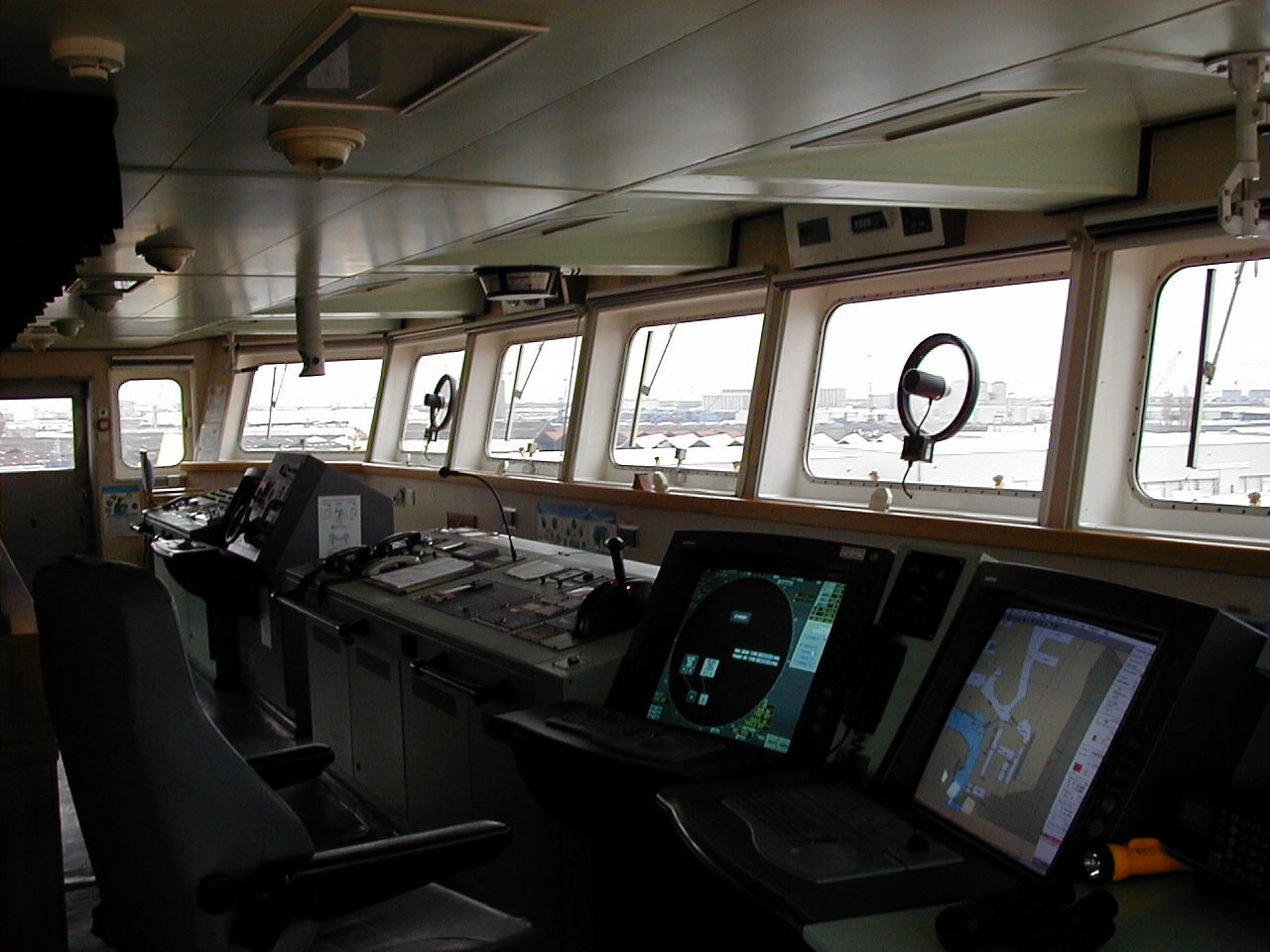
Radar vs AIS vs Thermal: Avoiding Collisions
Radar, AIS, and thermal (or low-light) cameras solve overlapping but genuinely different parts of the same problem: knowing what's out there before it's close enough to matter. None of them is a complete answer on its own, and none of them relieves a boat of the obligation, under COLREGs Rule 5, to maintain a proper lookout "by sight and hearing as well as by all available means." This guide compares what each technology actually sees, what each one misses, and how to combine them sensibly on a coastal or offshore sailboat without either overspending or leaving an obvious gap. For a deeper look at either core technology on its own, see our radar buyer's guide and our AIS transponder guide.
Sailboat Atlas may earn a commission from qualifying purchases made through links on this page, at no extra cost to you.
What AIS actually sees — and what it never will
AIS (Automatic Identification System) works by having each equipped vessel broadcast its own position, course, speed, and identity over VHF data channels, which nearby AIS receivers pick up and plot. SOLAS carriage rules require AIS on most vessels over 300 gross tons on international voyages and many smaller commercial vessels, which is why AIS is so effective for spotting ships, ferries, and larger commercial traffic well before they're visually identifiable.
The catch is built into the definition: AIS only shows vessels that are transmitting. Small fishing boats, unlit skiffs, most recreational powerboats, kayaks and paddleboards, floating containers, deadheads, marine mammals, and any vessel with its transponder switched off or malfunctioning are all completely invisible to it. In coastal fishing grounds or crowded anchorage approaches, the majority of the actual traffic around you may not be on AIS at all — treating an empty AIS display as an empty sea is a genuine and well-documented way to be surprised.
What radar sees — and where it struggles
Radar doesn't care whether a target is cooperating; it sends out a pulse and looks for whatever bounces back, which means it can, in principle, detect anything from a supertanker to an unlit mooring ball to a rain squall. That non-cooperative detection is exactly what makes it the right complement to AIS rather than a redundant system.
In practice, radar performance depends heavily on the target and the conditions. A low-freeboard fiberglass sailboat or a small aluminum skiff presents a small, often fluctuating radar cross section, and can be genuinely hard to distinguish from sea clutter in anything above light chop. Rain and sea clutter suppression settings help, but they also risk suppressing the exact small, close-in return you're trying to see. Modern solid-state Doppler radars like the Fantom or Halo lines improve on this by coloring targets based on their closing or opening motion relative to your own vessel, which helps a tired watchkeeper pick out a real moving threat from static clutter — but no radar fully solves the small-target problem. See our full sailboat radar guide for how the current generation of solid-state units compare.
What thermal and low-light cameras add
Thermal cameras image temperature differences rather than radar reflectivity or an AIS broadcast, which lets them pick out things neither of the other two technologies handles well: a person in the water, a swimming animal, warm engine exhaust from an otherwise dark boat, or a low, non-metallic hazard silhouetted against cooler water at night. Low-light (image-intensifying) cameras like the Sionyx Nightwave work differently — amplifying ambient starlight or moonlight into a visible-color image rather than reading heat — and are particularly good for general navigation in darkness, spotting unlit channel markers, moored boats, or shoreline hazards. Neither gives you a range, bearing, or closing-speed readout the way radar or AIS does; they're purely imaging aids that make a human lookout's eyes better in the dark, not tracking instruments in their own right.
Building a realistic threat model for your kind of sailing
The right combination of these tools depends heavily on where and when you actually sail. A coastal daysailer mostly out in daylight, in areas with heavy small-craft and fishing traffic, gets the most value from radar and a strong lookout discipline, since most of the real hazards nearby will never be on AIS. A boat doing regular offshore passages spends much more time in open water where the dominant traffic is large, AIS-equipped commercial vessels — there, a good AIS transponder with CPA/TCPA alarms does most of the practical work, with radar as the backstop for squalls, other yachts, and non-transmitting traffic.
Night passages are where all three technologies earn their keep simultaneously: AIS for identifying and hailing ships at long range, radar for tracking anything nearby that isn't transmitting, and a thermal or low-light camera for the final visual confirmation task a human eye alone struggles with in darkness — spotting an unlit boat, a swimmer, or a debris field close aboard. None of this changes the underlying legal obligation: Rule 5 of the COLREGs requires every vessel to maintain a proper lookout by sight and hearing as well as by all available means appropriate to the prevailing circumstances, and Rule 7 requires proper use of radar, including at long range, to obtain early warning of risk of collision and to avoid over-reliance on any one piece of equipment.
MARPA/ARPA target tracking vs. AIS CPA/TCPA alarms
AIS transponders calculate closest point of approach (CPA) and time to closest point of approach (TCPA) directly from the course and speed each vessel broadcasts about itself — accurate, but only for vessels that are transmitting. MARPA (Mini Automatic Radar Plotting Aid, the small-craft version of full ARPA) does the equivalent calculation from radar returns instead, tracking any target the radar can hold a lock on regardless of whether it carries AIS. Running both overlaid on one chartplotter, as most modern MFDs support, gives you two independent CPA/TCPA calculations that can cross-check each other — useful since each system fails differently, and a target that both systems agree is a genuine risk is far more trustworthy than either alone.
Being seen vs. seeing: reflectors, transponders, and lights
Every technology covered so far helps you see hazards, but half of collision avoidance is making sure other vessels see you. A Class B AIS transponder puts your position directly on other AIS-equipped vessels' displays; a passive radar reflector improves the odds that your boat produces a usable return on their radar; and properly functioning, COLREGs-compliant navigation lights remain the baseline requirement regardless of what electronics you carry. None of these guarantees visibility — passive reflectors have well-documented gaps depending on heel angle and orientation, and AIS only helps against vessels actively watching their own AIS display — which is why cruising boats in busy waters typically carry more than one of these layers rather than relying on a single method of being seen.
Guard zones, alarms, and watchkeeping for shorthanded crews
A shorthanded or singlehanded crew can't maintain a continuous physical watch the way a fully crewed vessel can, which makes automated alarms a genuine safety tool rather than a convenience. A radar guard zone alarm sounds when any target enters a defined range and bearing box around the boat; an AIS CPA/TCPA alarm sounds when a transmitting vessel's projected closest approach crosses a set threshold. Neither alarm replaces a watch — both can be defeated by a target that never enters the guard zone until it's very close, or by a non-transmitting vessel that AIS simply never sees — but together they meaningfully extend how long a fatigued or single-handed watchkeeper can safely go between visual scans, provided the scan itself still happens on a strict schedule.
Power budget: what these systems cost you on a passage
None of these systems are power-free, and running all of them continuously on a small house bank for a multi-day passage is a real budgeting question. AIS transceivers are the cheapest to run, typically well under half an amp at 12V continuously. Solid-state radar domes draw meaningfully more — often several amps while transmitting, more in high-power or Doppler modes — which is why many cruisers run radar on a timed transmit cycle (say, a sweep every few minutes) overnight rather than continuously, accepting a small gap in coverage for a large power saving. Thermal and low-light cameras generally sit in a modest, low-single-digit-amp range, closer to a radar in standby than a radar actively transmitting. Add these draws to your passage power budget alongside autopilot, nav lights, and refrigeration before assuming everything can run around the clock.
Our picks
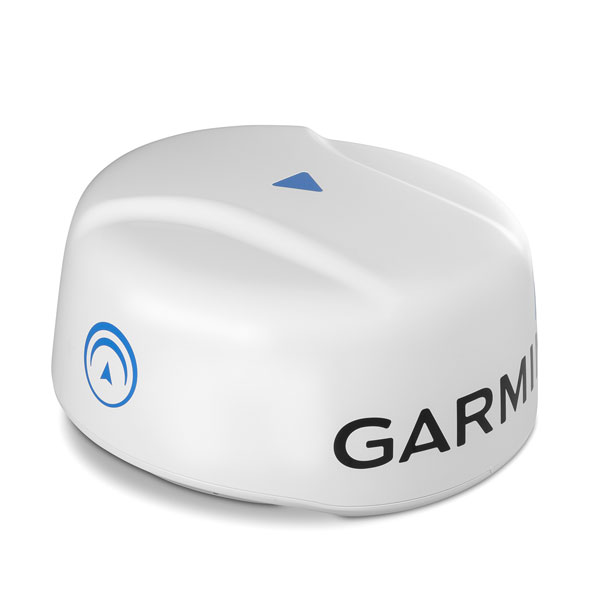
Garmin GMR Fantom 18x
Best solid-state Doppler radar for overlaying on AIS targets
A dome radar is the only one of these technologies that reliably sees targets that aren't cooperating at all: an unlit mooring buoy, a squall line, a drifting log, or a fishing boat that's simply turned its AIS off. The Fantom 18x's Doppler mode is a genuine usability upgrade over older radars — it shades a closing target orange and an opening one green right on the display, which cuts down on how much MARPA plotting a shorthanded watchkeeper has to do manually. It doesn't replace AIS, since it can't tell you a name, course, or speed the way a transponder can; the two are complementary layers, not competitors.
- Type
- 18" solid-state pulse compression dome, 50W
- Doppler
- MotionScope colors approaching vs. receding targets
- Rotation
- Up to 60 RPM for faster target refresh
- Range
- Overlaps AIS range on most coastal and offshore passages
Pros
- Doppler coloring makes a closing target — a fishing boat with no AIS, a squall cell — visually obvious without reading numbers
- Solid-state design draws far less standby power than an older magnetron radar, so leaving it on overnight is realistic
- Overlays cleanly on a compatible Garmin chartplotter alongside AIS targets in one picture
Cons
- Still struggles to hold a solid return on a low-freeboard fiberglass boat or a kayak in any sea state
- Requires a compatible chartplotter and, for a mast-mounted dome, a real installation project — not a plug-in accessory
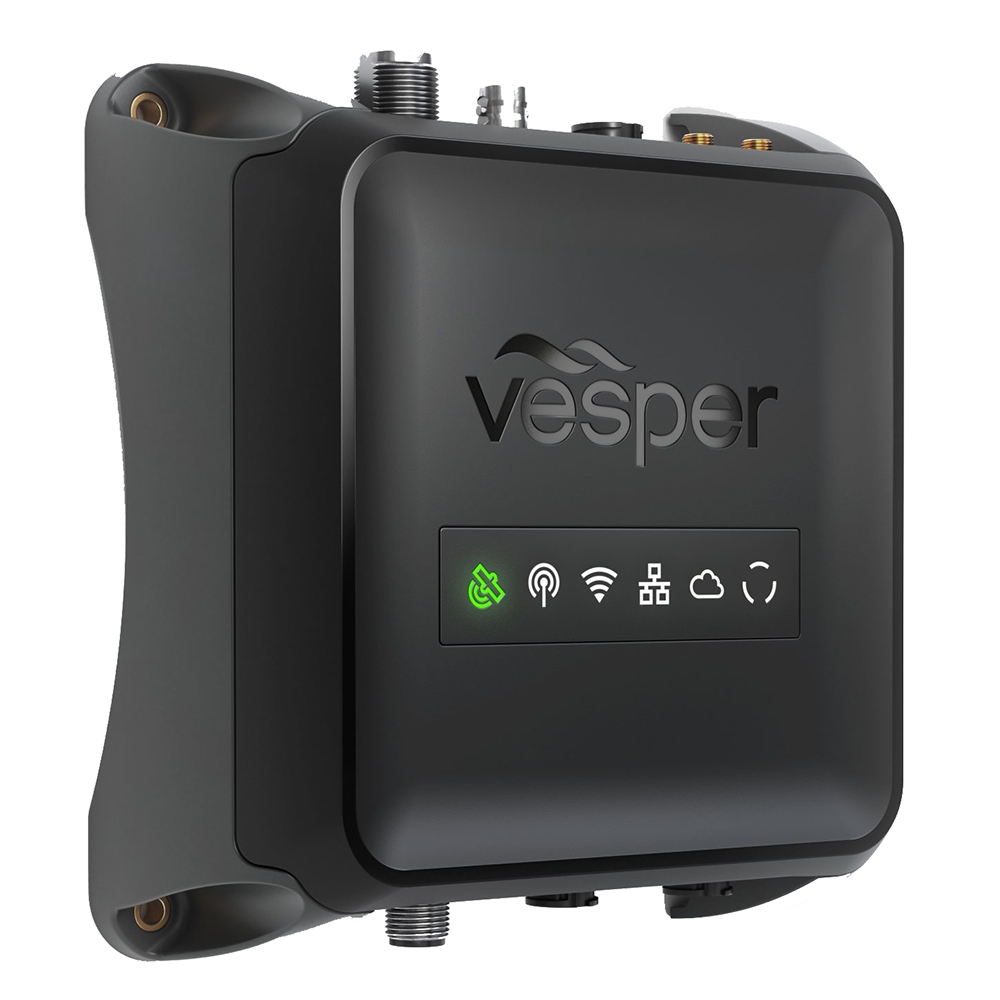
Vesper Cortex M1 SmartAIS Transponder
Best Class B SOTDMA AIS transponder for making your boat seen
Transmitting your own position is the half of AIS that's often overlooked: it does nothing to help you see hazards, but it does a lot to make sure ships that are watching their own screens see you. SOTDMA transmission (as opposed to the cheaper CSTDMA scheme) is worth paying for on a boat that spends time in shipping lanes, since it's far more resistant to being crowded out when many vessels are transmitting nearby. The Cortex is priced as a full AIS-plus-monitoring hub, so if all you want is collision-avoidance transmission, a simpler Class B unit like the em-trak B954 gets most of the safety benefit for less money.
- AIS class
- Class B SOTDMA transmit and receive
- Alarms
- Built-in CPA/TCPA collision alarm and anchor watch
- Connectivity
- WiFi and cellular options for remote monitoring
- Antenna
- Integrated no-loss VHF/AIS splitter, single antenna
Pros
- SOTDMA transmit reserves a time slot on the AIS network, so your position report is far less likely to be dropped in a crowded shipping lane than with cheaper CSTDMA units
- Built-in CPA/TCPA alarm will wake a watchkeeper before a genuine risk of collision develops with another AIS-equipped vessel
- Doubles as a full onboard monitoring hub if you add the optional handset and sensors, so the cost isn't purely for collision avoidance
Cons
- A transponder only protects you against vessels that are looking at their own AIS display — a hand-steered fishing skiff or a distracted OOW on a freighter can still miss it
- Meaningfully more expensive than a receive-only AIS or a basic Class B unit, and the extra monitoring features are a poor value if you only want collision avoidance
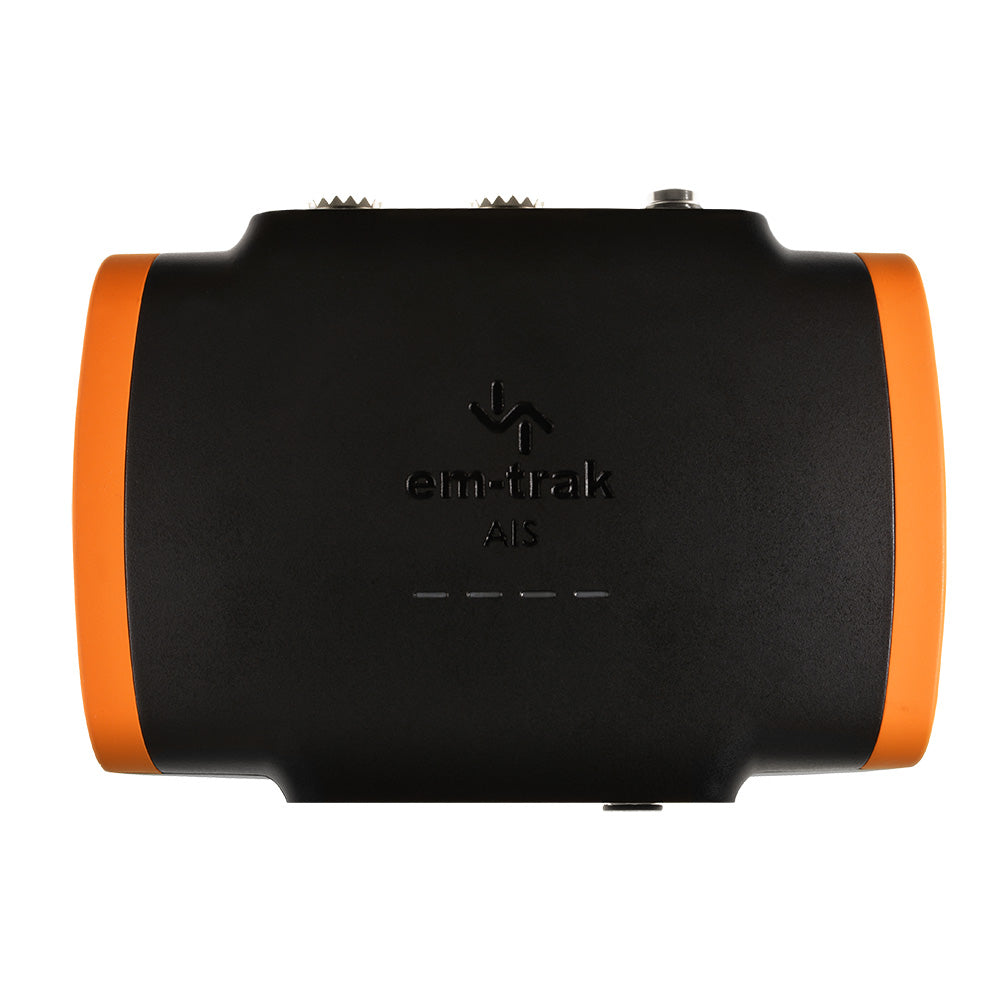
em-trak B954 Class B AIS Transceiver
Best value Class B SOTDMA transponder for a dedicated collision-avoidance setup
This is the transponder to buy if the Cortex's monitoring and handset ecosystem doesn't matter to you and you just want reliable two-way Class B AIS integrated with your existing plotter or a tablet app. It transmits your position with the same SOTDMA reliability as pricier units and receives every AIS-equipped vessel around you, which covers the majority of commercial traffic, most other cruising boats, and any vessel over about 300 gross tons under SOLAS carriage rules. Pair it with a radar or a lookout for the targets it can't see.
- AIS class
- Class B SOTDMA, 5W output
- GPS
- Internal high-performance GPS receiver, external antenna optional
- Connectivity
- Integrated WiFi and Bluetooth for app pairing
- Splitter
- Built-in VHF antenna splitter, no separate AIS antenna needed
Pros
- SOTDMA performance without the added monitoring-hub price premium of the Cortex line
- Internal GPS and splitter mean a simpler, cheaper install on a boat that just needs AIS in and out
- WiFi output lets a phone or tablet running a navigation app show AIS targets alongside a fixed chartplotter
Cons
- No dedicated handset or onboard monitoring features if you later want that functionality
- Like any transmitting AIS, it's useless against the many small craft, fishing boats, and debris that never carry a transponder
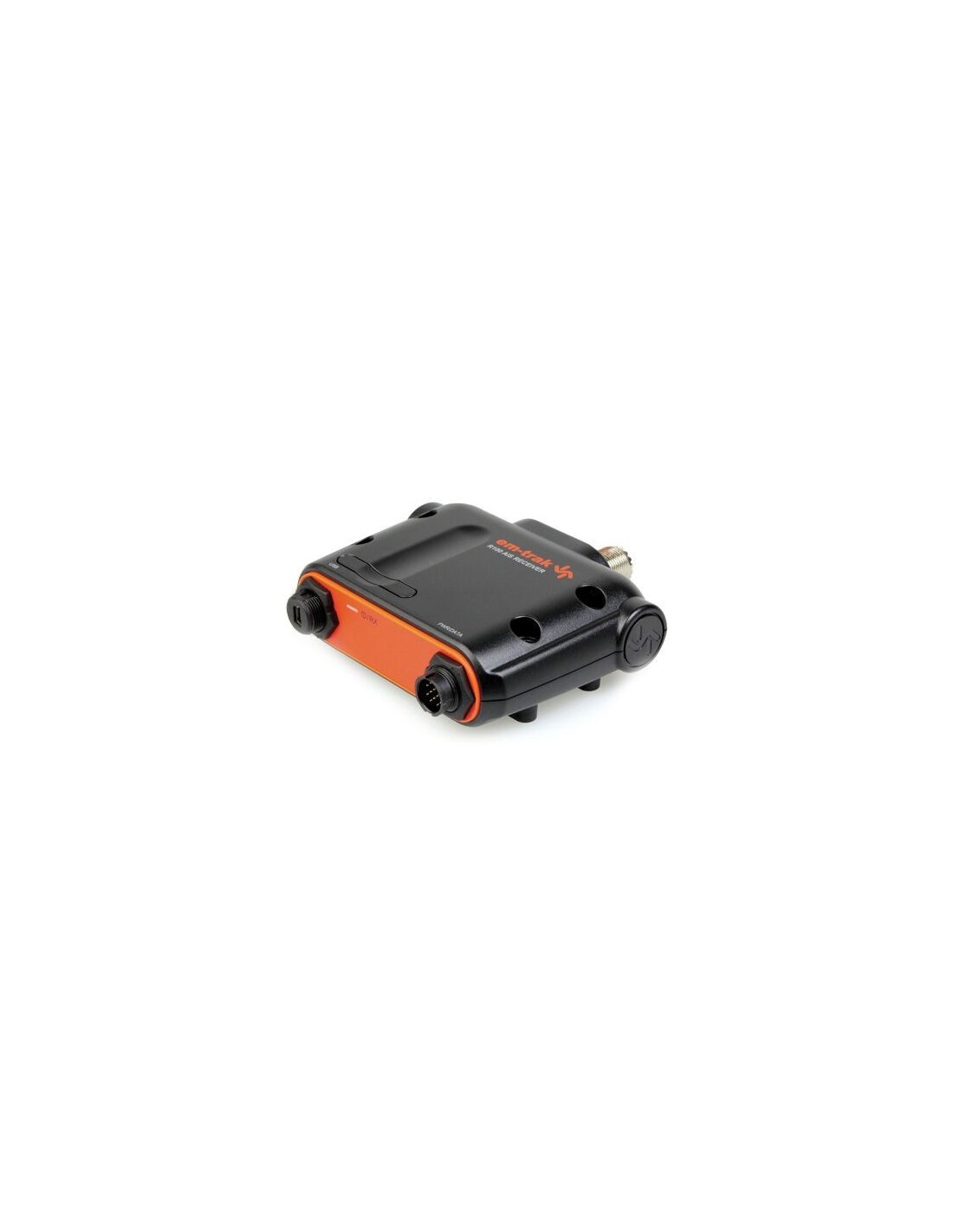
em-trak R100 Dual-Channel AIS Receiver
Best low-cost, receive-only AIS for a boat that doesn't need to transmit
A receive-only unit is a reasonable budget entry point or a backup on a boat that already has radar, but it's a one-way safety improvement: you'll see the ferry, freighter, or fishing fleet around you, but a distracted watchkeeper on that ship still won't see you unless you're also making noise on VHF or showing up on their radar with a good reflector. Most cruisers who can afford the modest jump in price are better served long-term by a transmitting Class B transponder like the B954, which does everything the R100 does plus makes the boat visible to others.
- Channels
- Dual-channel simultaneous AIS reception
- Output
- NMEA 0183 to a chartplotter, or WiFi to an app
- Transmit
- None — receive-only, no MMSI transmission
- Power draw
- A few hundred milliamps at 12V, negligible on a passage
Pros
- Cheapest way to see AIS targets on a plotter or tablet, useful on a boat with a tight electronics budget
- No FCC/MMSI licensing complexity since it never transmits
- Low power draw makes it easy to run continuously off a small house bank
Cons
- Other vessels cannot see you on their AIS displays — you gain situational awareness but give none back
- Doesn't meet the growing expectation, especially in busy shipping lanes, that a cruising boat will show up on a ship's plotter as a matter of course
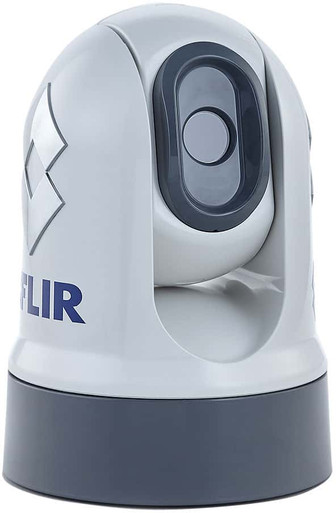
FLIR M132 Adjustable-Tilt Thermal Camera
Best thermal camera for spotting people, animals, and unlit hazards in the dark
Thermal cameras fill a real gap: AIS only shows transmitting vessels and radar can miss small, low, or non-metallic targets in clutter, but a thermal core doesn't care what something is made of, only whether it's warmer or cooler than its surroundings. That makes it uniquely good at exactly the targets radar and AIS both struggle with — swimmers, floating debris with any residual warmth, and the person who just went over the side. It's a lookout tool, not a collision-avoidance instrument on its own; use it alongside radar and AIS, not instead of them, and expect to train the watch on interpreting a thermal image before relying on it at 0300.
- Resolution
- 320 x 240 thermal core (Boson)
- Refresh rate
- 9 Hz
- Mounting
- Fixed adjustable-tilt bracket, networked video output
- Display
- Feeds a compatible MFD or dedicated monitor; no built-in range or bearing readout
Pros
- Sees heat differences that neither radar nor AIS can — a person in the water, a swimming animal, an unlit paddleboarder, or a low fiberglass hull silhouetted against cooler water
- Works in complete darkness without needing a searchlight, which also avoids ruining the watchkeeper's night vision
- Genuinely useful for man-overboard recovery at night, when a body in the water is otherwise nearly impossible to relocate
Cons
- No range, bearing, or CPA/TCPA data — it's an imaging aid for a lookout, not a tracking or alarm system like radar or AIS
- Image quality depends heavily on thermal contrast; a person in a wetsuit in water near body temperature, or heavy rain, can reduce detection distance
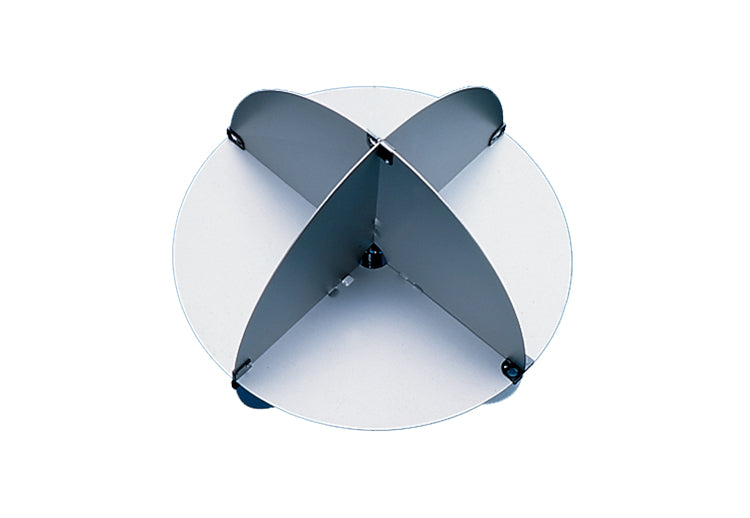
Davis Instruments Echomaster Radar Reflector
Best passive radar reflector for making a fiberglass sailboat visible to ships' radar
A fiberglass hull is a genuinely poor radar target — low freeboard, no metal mass, and a shape that scatters most of a radar pulse away from its source rather than back to it. A reflector like the Echomaster, hoisted as high as practical and kept level, meaningfully improves the odds that a distracted mate on a container ship's radar actually sees a return worth investigating. It's not a guarantee: independent testing has repeatedly shown passive reflectors have deep nulls in some orientations, and heel angle under sail can rotate the reflector well out of its best geometry. Treat it as one layer of being seen, alongside AIS and a proper watch, not a replacement for any of them.
- Type
- Octahedral cluster of anodized aluminum plates
- Radar cross section
- Manufacturer-rated at up to 12 square meters
- Mounting
- Halyard hoist or fixed masthead bracket
- Standard
- Meets US Coast Guard SOLAS lifeboat/liferaft reflector requirements
Pros
- Completely passive — no power, no wiring, no software to maintain, and it works even with every electronic system aboard dead
- One of the higher radar cross sections available in a reflector this size and price
- Genuinely improves the odds of a fiberglass sailboat producing a usable return on a commercial ship's radar in the first place
Cons
- Passive reflectors are notoriously inconsistent — cross section varies enormously with the boat's heel angle and the reflector's orientation relative to the interrogating radar
- Does nothing to help you see other vessels; it only affects whether they can see you
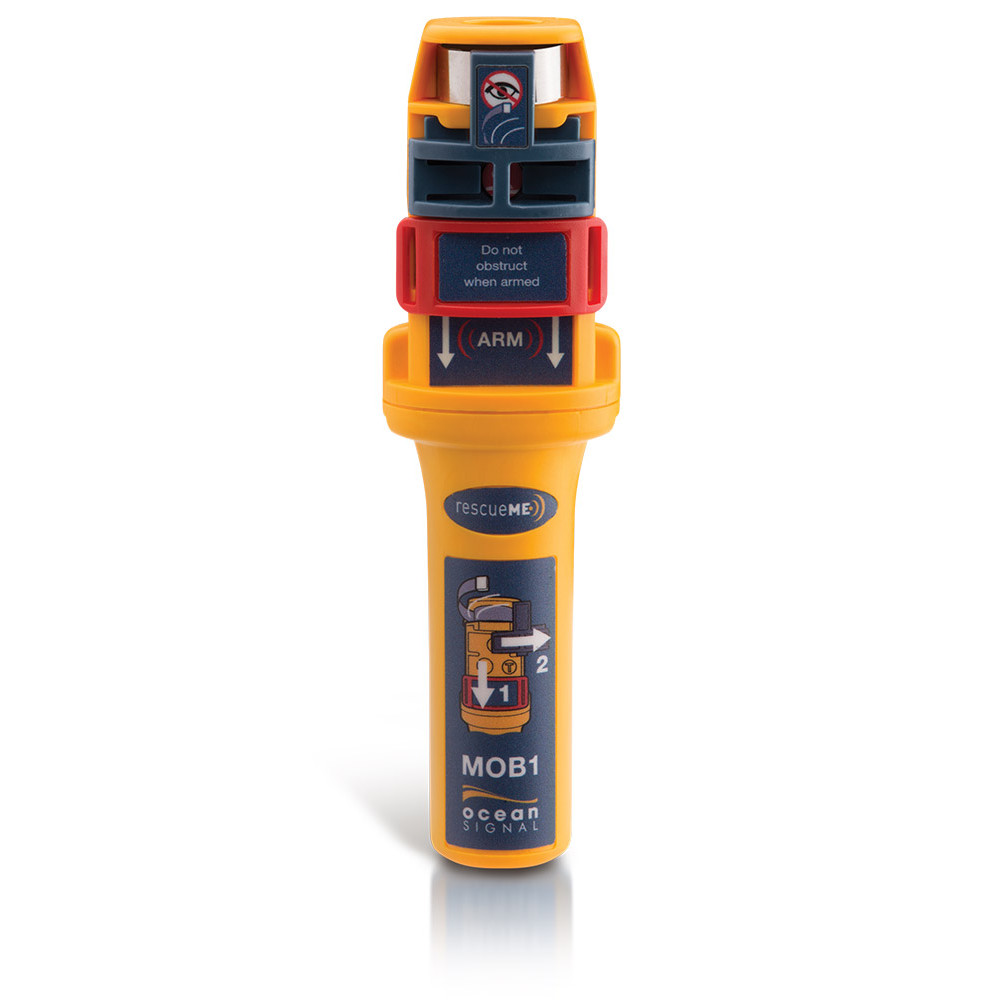
Ocean Signal rescueME MOB1
Best AIS man-overboard beacon to close the loop when someone goes over the side
None of the sensing technologies in this guide matter if you can't relocate your own crew after a fall overboard, and that's the specific problem the MOB1 solves. Once activated it appears as a moving AIS target on the same plotter and radar overlay you're already using for collision avoidance, turning a frantic visual search into a bearing-and-range problem. It's a complement to, not a substitute for, an EPIRB or PLB — see our <Link to="/guides/epirbs-and-plbs">EPIRB and PLB guide</Link> for the devices that get search-and-rescue authorities involved when the boat alone can't manage a recovery.
- Signal
- AIS position broadcast plus integrated DSC distress alert
- Activation
- Automatic on inflation when built into a lifejacket, or manual pull
- Battery life
- Roughly 24+ hours operational, 7-year shelf life
- Size
- Compact enough to integrate into most inflatable PFDs
Pros
- Puts a moving AIS target — the person overboard — directly onto the boat's own chartplotter and radar overlay within seconds of activation
- DSC alert can also summon nearby vessels equipped with DSC-capable VHF radios, not just your own boat
- Automatic activation on lifejacket inflation removes reliance on a panicked person manually triggering a beacon
Cons
- Range is limited by the same line-of-sight physics as any AIS or VHF signal — a low-lying person in waves is a poor transmitting antenna height, so detection range from other vessels is modest
- Doesn't replace an EPIRB or PLB for genuine open-ocean, all-hands emergencies; it's a boat-to-boat recovery tool, not a global rescue-coordination one
How to choose
There's no single "best" combination — the right mix depends on your typical sailing area, crew size, and budget. The table below compares the core function and typical price range of each product category in this guide, followed by suggested budget tiers.
| Product | Price range | Best for | Key spec |
|---|---|---|---|
| Garmin GMR Fantom 18x | $1,300–$1,800 | Seeing non-transmitting targets and weather | Solid-state Doppler, 50W |
| Vesper Cortex M1 | $1,400–$1,500 (hub only) | AIS transmit/receive plus onboard monitoring | Class B SOTDMA |
| em-trak B954 | $500–$700 | Dedicated, lower-cost SOTDMA transponder | Class B SOTDMA, 5W |
| em-trak R100 | $300–$400 | Budget receive-only situational awareness | Dual-channel receive only |
| FLIR M132 thermal camera | $2,200–$2,600 | Night lookout, MOB recovery | 320x240 thermal core, 9Hz |
| Davis Echomaster reflector | $100–$150 | Passive, no-power backup for being seen | Up to 12 m² rated cross section |
| Ocean Signal rescueME MOB1 | $300–$400 | Locating a crew member after a fall overboard | AIS + DSC, 24+ hr operation |
Entry tier (roughly $800–$1,200): a receive-only or basic Class B AIS transponder plus a passive radar reflector. This covers the majority of commercial traffic and makes you visible to it, for the lowest realistic spend.
Mid tier (roughly $2,000–$3,000): add a compact solid-state radar with guard zone alarms to the AIS transponder and reflector above. This is a reasonable baseline for a coastal cruiser doing occasional overnight passages.
Offshore/night-passage tier (roughly $4,500–$6,500+): the mid tier plus a thermal or low-light camera and an AIS MOB beacon for each crew member's lifejacket. This is the realistic ceiling for a well-equipped shorthanded cruising boat doing serious offshore or night work, and it still doesn't replace disciplined watchkeeping — see our EPIRB and PLB guide for the emergency beacons that sit alongside this equipment for worst-case scenarios.
Related guides
- Navigation
AIS Transponders for Sailboats
AIS transponders for cruising sailboats — Vesper Cortex, em-trak, integrated VHF options, and why SOTDMA matters.
 Navigation
Best VHF Radios for Sailboats
Fixed-mount and handheld VHF radios with DSC, GPS and AIS — how to choose, install, and register an MMSI.
- Navigation
Best Radar for Sailboats
Solid-state and magnetron radar domes for cruising sailboats — Doppler tracking, mounting, power draw and picks.
 Navigation
Best Boat Compasses: Steering and Handheld Picks
Card size, heel, mounting, lighting and deviation: choosing a magnetic compass for a sailboat.
Looking for more gear guides? Browse all our gear recommendations or the full guides index.