Best Radar for Sailboats
Sailboat Atlas may earn a commission from qualifying purchases made through links on this page, at no extra cost to you.
Magnetron vs. solid-state (broadband) radar
Traditional magnetron radar generates a high-power pulse using a vacuum tube called a magnetron, then listens for the echo. It works well and can push a lot of power for long-range detection, but it needs a warm-up period of a minute or more before it's usable, draws meaningfully more power, and the magnetron tube itself is a wear item that eventually needs replacing.
Solid-state (also called broadband or FMCW) radar instead transmits a continuous, frequency-modulated signal at much lower power and uses digital signal processing to extract range and bearing from the return. The practical result for a sailor is instant-on operation (no warm-up), lower power draw, better close-range resolution, and no consumable transmitter tube. Nearly every radar worth buying for a cruising sailboat today — Garmin Fantom, B&G/Simrad Halo, Raymarine Quantum, Furuno DRS-NXT — is solid-state.
Doppler target tracking and MARPA
Doppler radar processing (branded MotionScope on Garmin, VelocityTrack on B&G/Simrad) measures the frequency shift of a moving target's return to determine whether it's approaching or receding, then color-codes it on screen — typically red for closing, green for opening. This is a genuinely different experience from staring at raw echo strength trying to judge whether a blip is getting bigger.
MARPA (Mini Automatic Radar Plotting Aid) is a related but separate feature found on most modern MFDs: you designate a target and the system tracks its course and speed over several radar sweeps, then calculates closest point of approach (CPA) and time to closest point of approach (TCPA), the same math AIS gives you for transmitting vessels. Together, Doppler shading and MARPA give you a fast visual read plus hard numbers for genuine collision-risk targets.
Radome vs. open array
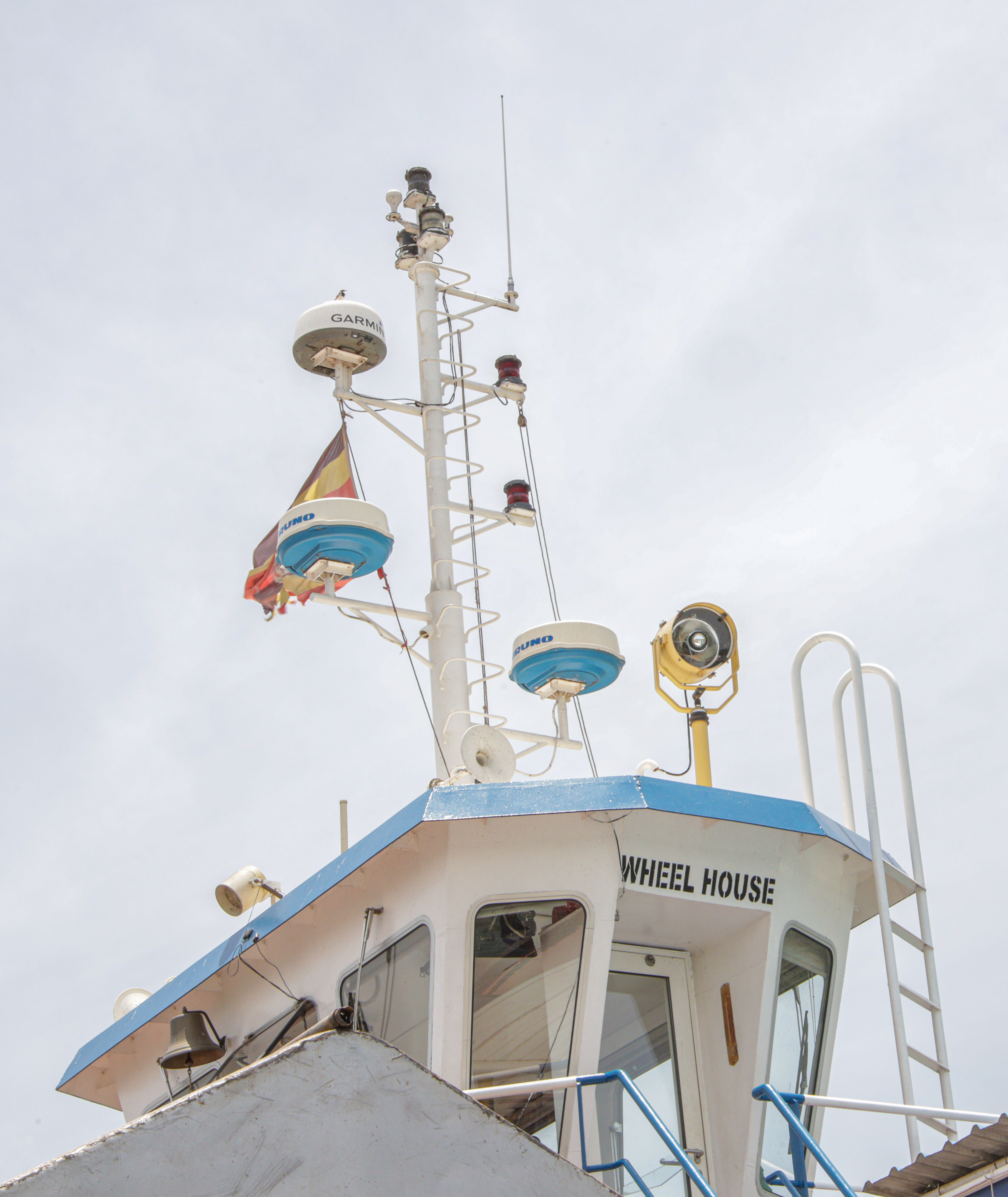
A radome is the enclosed dome shape most sailboats use — the antenna spins inside a weatherproof housing. It's compact, light, and simple to mount on a mast bracket or pole. An open array uses an exposed rotating antenna bar, which produces a narrower beam width for sharper bearing resolution and generally more range and power, but it's heavier, bulkier, and impractical to mount on most sailboat masts.
For the overwhelming majority of cruising sailboats, a radome is the right choice. Open arrays show up on trawlers, larger power cruisers, and some bluewater sailing yachts with a proper radar arch built to carry the weight and windage, but they're rarely a fit for a masthead installation on a monohull under 50 feet.
Mast vs. pole mounting, and heel angle
Mounting radar on the mast — usually on a bracket a third to halfway up, below the spreaders — gives you the highest mounting point and the longest radar horizon, which matters most for detecting landfall and distant weather. The tradeoff is that the antenna heels with the boat. At a 20-25 degree angle of heel, a radome's beam is tilted enough that it can lose weaker returns on one side and pick up more sea clutter on the other.
Mounting on a stern pole, radar arch, or gimbaled bracket keeps the antenna closer to level regardless of heel, which improves target detection consistency while sailing hard on the wind. The cost is a lower mounting height (shorter radar horizon) and, for pole mounts, a structure that needs to be engineered to actually carry the load and vibration. Many cruisers who sail hard find a stabilized or lower pole mount outperforms a masthead unit in real sailing conditions, even though the spec sheet range is shorter.
Power draw, range, and beam width
Solid-state radomes in the sailboat class typically draw well under 40W transmitting and a few watts in standby, which is trivial next to autopilot or refrigeration loads. Range is mostly a function of transmit power, antenna size, and mounting height — bigger domes (20-24 inch) generally reach further (30-36 nm) than smaller 18-inch domes (18-24 nm), though usable range in real conditions is often much shorter due to sea state and rain clutter.
Beam width (horizontal) determines bearing resolution — how well the radar can separate two targets that are close together in bearing. Radomes typically have wider beams (around 4-6 degrees) than open arrays (1-2 degrees), which is one reason open arrays resolve close targets in a crowded harbor better, at the cost of size and weight that doesn't suit most sailboats.
Radar overlay and combining with AIS
Most modern MFDs can overlay live radar returns directly on the chart plot, which is enormously useful for confirming that a radar target actually corresponds to a charted hazard, buoy, or landmass rather than a false echo. It's also the fastest way to sanity check your GPS position against a known coastline in fog.
Radar and AIS are complementary, not redundant. AIS gives you precise identity, course, and speed for any vessel transmitting a signal — including large ships far beyond radar range in good conditions. Radar sees everything physically reflective, transmitting or not: unlit small craft, debris, squalls, and land. Running both overlaid on one screen, with MARPA tracking on the radar-only targets, is the standard modern setup for serious offshore or foggy-coastal collision avoidance.
Our picks
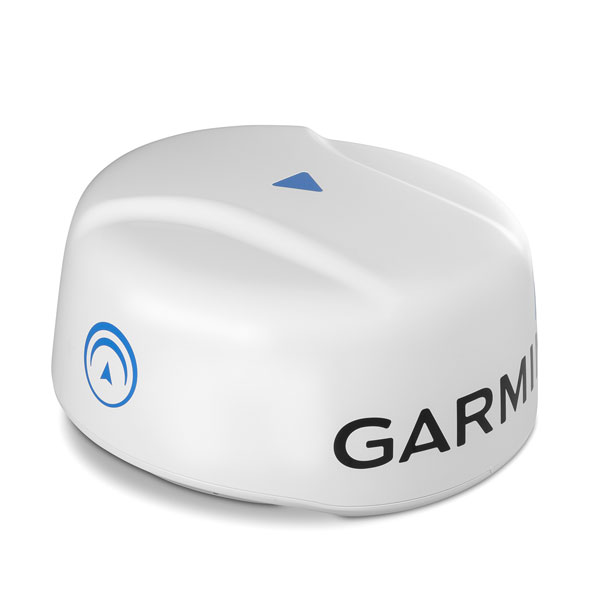
Garmin GMR Fantom 18x
Best overall Doppler radome for cruising sailboats
The Fantom 18x is the radome most cruising sailors land on when they want Doppler without stepping up to an open array. It processes returns in real time and colors moving targets red or green depending on whether they're closing or opening, which is the single biggest usability leap radar has seen in a decade. On a mast-mounted 18-inch dome it stays light enough for most rigs' halyard or bracket mounts, and the instant-on solid-state transmitter means you can leave it in standby and bring it up in seconds when fog rolls in.
- Type
- Solid-state pulse compression radome, 18" dome
- Power
- 40W transmit power
- Range
- Up to 24 nm
- MotionScope
- Built-in Doppler target tracking, color-coded approaching/receding targets
Pros
- MotionScope Doppler shading instantly flags approaching vessels in color, cutting through clutter faster than plain echo strength
- Solid-state design means instant-on with no magnetron warm-up, so you'll actually leave it running
- Bird mode and dedicated pulse settings genuinely help offshore passage makers spot squalls and flocks
Cons
- 24 nm range tops out short of what a 4kW-plus magnetron unit reaches for landfall detection in poor visibility
- Requires a Garmin MFD and compatible network backbone, so it's an ecosystem commitment, not a standalone box
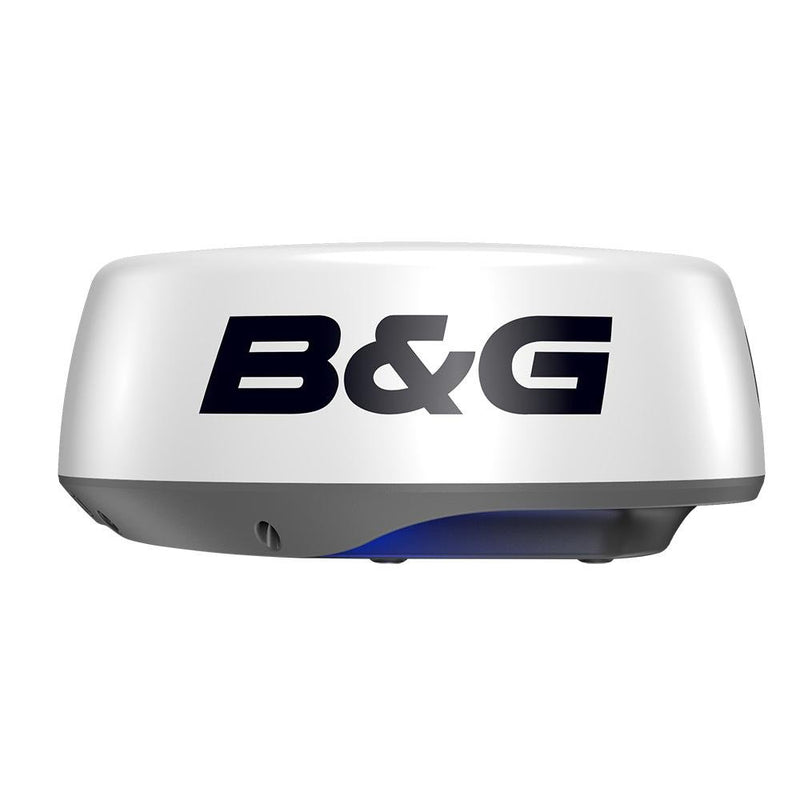
B&G Halo20+
Best for sailors already running B&G/Simrad electronics
The Halo20+ shares its solid-state FMCW engine with Simrad's Halo line, so it's the natural pick if your chartplotter already wears a B&G badge. It genuinely feels like a step up in usability over older magnetron units: heavy weather clutter suppression is aggressive without eating real targets, and the dual-range mode lets you keep a 2-mile scale for the channel entrance and a 12-mile scale for the approaching squall line on the same screen.
- Type
- Solid-state FMCW pulse compression radome, 20" dome
- Power
- 20-25W transmit power (FMCW, no magnetron)
- Range
- Up to 36 nm
- Rotation
- Dual range, up to 60 RPM fast-scan mode
Pros
- VelocityTrack Doppler overlay works the same way as Garmin's MotionScope and integrates cleanly with B&G chartplotters
- Dual-range display shows a tight harbor picture and a long-range weather picture simultaneously
- Fast 60 RPM scan rate keeps close-range target updates smooth when threading a crowded anchorage
Cons
- Best features (dual range, fast scan) require a newer Simrad/B&G MFD to unlock — check compatibility before buying
- 20" dome is bulkier than the Garmin 18x on a mast bracket, worth measuring clearance before ordering
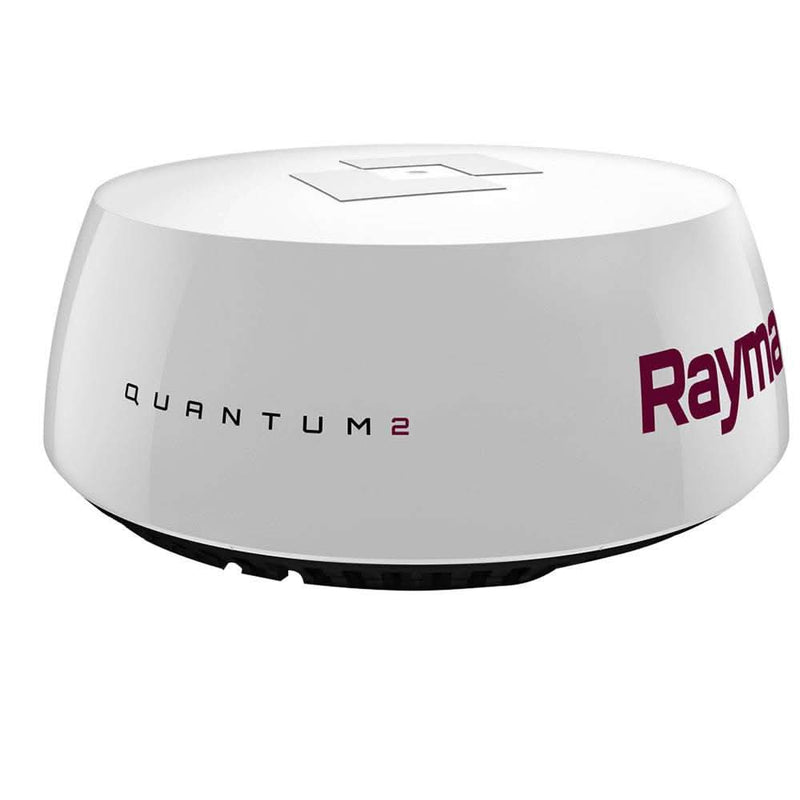
Raymarine Quantum 2 Q24D
Best lightweight radar for smaller cruising boats
Raymarine built the Quantum series specifically for boats where every pound aloft counts, and the Q24D is the Doppler-equipped version of that idea. It's noticeably lighter than a Fantom or Halo dome, which reduces the pendulum effect on a mast-mounted radar during a hard heel — a real consideration on a 32-footer beating to windward. The tradeoff is a shorter maximum range, but for coastal and near-shore cruising where the risk is other traffic rather than landfall from 30 miles out, that tradeoff makes sense.
- Type
- Solid-state CHIRP pulse compression radome, 24 cm profile
- Power
- Under 20W, wireless or Ethernet models available
- Range
- Up to 24 nm
- Doppler
- Doppler collision avoidance (Q24D adds Doppler over base Quantum 2)
Pros
- One of the lightest radomes in this class, which matters when you're weighing mast-head loading and heel
- Wi-Fi version eliminates a coax/data cable run up the mast on retrofit installs
- Low power draw is friendly to smaller house banks on 30-35 ft boats
Cons
- Wireless connection can be less reliable than a hardwired run in an RF-noisy marina or near other 2.4GHz gear
- 24 nm range and modest antenna size trade some long-range detection ability for the size and weight savings

Simrad Halo24
Best mid-size radome for offshore range and clarity
The Halo24 is Simrad's step-up radome for sailors who want genuine offshore range without moving to an open array. It resolves rain and sea clutter cleanly at longer distances than the 18-20 inch class radomes, which matters when you're trying to pick a target ship out of a squall line 20 miles out. The size and weight are the honest tradeoff — this is a radome for boats with a solid masthead and rigging spec'd to carry it, not a lightweight retrofit for a small daysailer.
- Type
- Solid-state FMCW pulse compression radome, 24" dome
- Power
- 20-25W transmit power
- Range
- Up to 36 nm
- Features
- VelocityTrack Doppler, bird mode, dual range
Pros
- 36 nm range with FMCW clarity gives real landfall and weather-cell detection well beyond harbor-scale radomes
- Shares the same VelocityTrack Doppler tech as B&G, so target discrimination is excellent for the size class
- Dual-range and fast-scan modes make it equally good for pilotage and open-water passage work
Cons
- 24" dome and mounting hardware add real weight and windage at the masthead compared to 18-20" units
- Costs more than the smaller Halo20+ for a range benefit most coastal sailors won't fully use
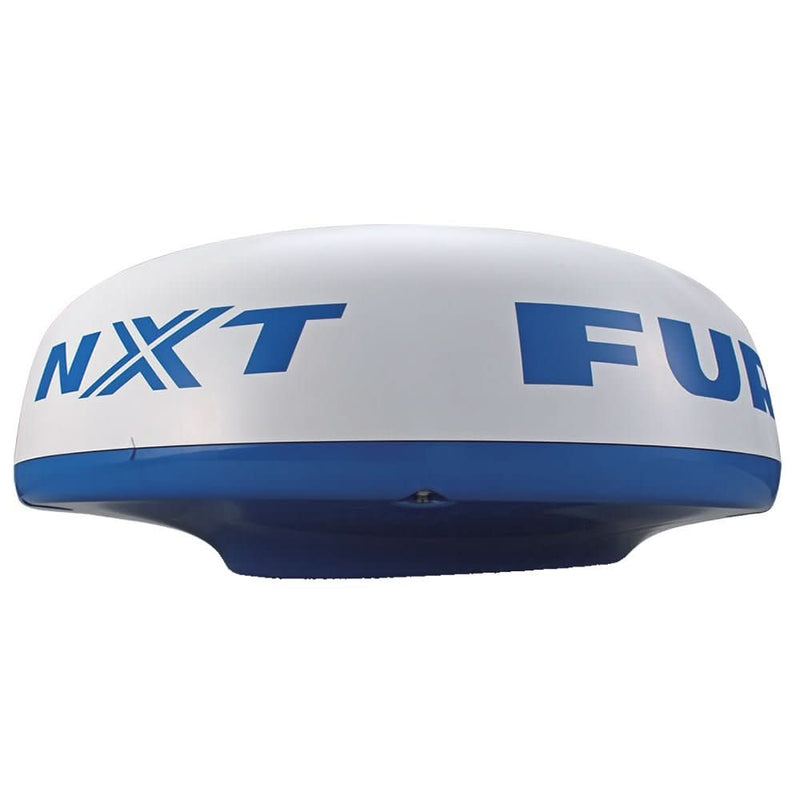
Furuno DRS4D-NXT
Best radar reliability and target discrimination pedigree
Furuno doesn't chase every feature checkbox, but the DRS4D-NXT is built with the same engineering discipline the company applies to commercial and fishing-fleet radar, and long-term reliability is where it earns its reputation among circumnavigators. Target Analyzer isn't marketed as 'Doppler' the way Garmin and B&G brand theirs, but functionally it does similar work, tagging returns so you can tell a drifting log from a converging fishing boat without staring at raw echo strength.
- Type
- Solid-state broadband radome with target analyzer
- Power
- Approx. 5W broadband transmit
- Range
- Up to 36 nm
- Target Analyzer
- Color-coded target discrimination by size/movement, similar intent to Doppler
Pros
- Furuno's commercial-radar pedigree shows in build quality and long-term reliability reports from offshore cruisers
- Target Analyzer function color-codes returns to separate boats, buoys, and landmasses at a glance
- Very low transmit power for a broadband unit, easy on the electrical budget
Cons
- NavNet TZtouch ecosystem is less commonly found on sailboats already running Garmin or B&G, so it may mean a new MFD
- Fewer sailor-specific marketing features (no explicit bird mode) compared to Garmin/Simrad's sailing-focused messaging
Garmin GMR 18 HD3
Best budget radome for basic collision avoidance
For sailors who want a modern solid-state radar without paying for Doppler processing, the GMR 18 HD3 is the sensible entry point in the Garmin lineup. It has the same instant-on convenience and clean short-pulse resolution as the Fantom, just without the colored target overlay. Paired with AIS on the same chartplotter, most coastal cruisers find this combination gives them everything they need for fog and night watches without the added cost of the Doppler-equipped models.
- Type
- Solid-state pulse compression radome (non-Doppler), 18" dome
- Power
- 40W transmit power
- Range
- Up to 24 nm
- Warm-up
- Instant-on solid-state, no magnetron warm-up delay
Pros
- Significantly cheaper than the Doppler-equipped Fantom while sharing the same solid-state instant-on transmitter
- Same 18" dome size and mounting footprint as the Fantom 18x for easy retrofit planning
- Plenty of resolution for coastal collision avoidance and squall detection without Doppler shading
Cons
- No Doppler target discrimination, so separating a closing boat from background clutter takes more operator attention
- Garmin ecosystem lock-in applies here too — needs a compatible Garmin MFD to run
How to choose
Match radar type to how and where you sail. A coastal cruiser doing occasional overnight passages and the odd foggy morning is well served by a smaller Doppler-equipped radome like the Quantum 2 Q24D or GMR Fantom 18x. A bluewater boat that regularly stands night watches offshore benefits from the longer range of a Halo24 or DRS4D-NXT, and from a mounting solution — mast bracket vs. pole — chosen deliberately for the boat's typical heel angle underway.
| Model | Doppler | Max range | Best for |
|---|---|---|---|
| Garmin GMR Fantom 18x | Yes | 24 nm | Overall pick, Garmin ecosystem |
| B&G Halo20+ | Yes | 36 nm | B&G/Simrad ecosystem |
| Raymarine Quantum 2 Q24D | Yes | 24 nm | Lightweight, small boats |
| Simrad Halo24 | Yes | 36 nm | Offshore range, mid-size |
| Furuno DRS4D-NXT | Target Analyzer | 36 nm | Reliability, commercial pedigree |
| Garmin GMR 18 HD3 | No | 24 nm | Budget collision avoidance |
Budget tiers
Entry level ($1,000-$1,600): Non-Doppler solid-state radomes like the Garmin GMR 18 HD3 cover basic collision avoidance and squall detection at the lowest reasonable cost for a modern unit.
Mid-range ($1,800-$2,800): Doppler-equipped 18-20 inch radomes (Fantom 18x, Halo20+, Quantum 2 Q24D) are where most cruising sailboats land — genuine target discrimination without open-array weight or cost.
Offshore-focused ($2,800-$4,000+): Larger 24-inch domes (Halo24, DRS4D-NXT) trade some weight and cost for longer range and better clutter rejection, worth it for boats doing regular offshore passages with real night-watch reliance on radar.
See our related guides on anchors and windlasses and browse the full gear recommendations index for the rest of your electronics and safety setup.
Frequently asked questions
Do I really need radar if I already have AIS?
Yes, if you cruise in fog, at night, or in areas with fishing traffic. AIS only shows vessels broadcasting a transponder signal — unlit boats, uncooperative targets, debris, squalls, and landmasses don't show up on AIS at all. Radar sees physical returns regardless of whether the other vessel is transmitting anything.
Is Doppler radar worth the extra cost over a standard radome?
For most cruising sailors, yes. Doppler processing (Garmin MotionScope, B&G/Simrad VelocityTrack) color-codes approaching versus receding targets, which dramatically cuts the mental workload of picking a converging ship out of clutter, especially solo or short-handed at night. It's a genuine usability upgrade, not just a marketing feature.
What size radome do I actually need?
For most sailboats between 30 and 45 feet, an 18-24 inch radome is the sweet spot. Bigger domes generally mean more transmit power and longer range, but also more weight and windage aloft. Match dome size to your mast/mount strength and the ranges you realistically need — coastal cruisers rarely need more than 24-36 nm.
Can I mount radar on a pole instead of the mast?
Yes, and many cruisers prefer it. A stern arch or radar pole mount keeps the antenna level regardless of heel angle, avoids adding weight aloft, and makes servicing far easier. The tradeoff is a lower mounting height, which shortens your radar horizon and can put returns in the wave clutter zone in heavy seas.
Are magnetron radars obsolete for sailboats?
Not entirely, but solid-state has become the default for cruising sailboats because of low power draw and instant-on operation. Magnetron units can still deliver more raw long-range power on open arrays, which is why some passage makers and larger yachts still spec them, but for a radome-class cruising boat, solid-state is now the mainstream choice.
How much power does a sailboat radar actually draw?
Solid-state radomes typically draw well under 40W in transmit and even less on standby, which is a small fraction of what an older magnetron dome or open array pulls. On a well-sized house bank this is a minor load compared to autopilot, refrigeration, or instruments — the bigger consideration is usually the wiring run up the mast, not battery capacity.
Related guides
 Navigation
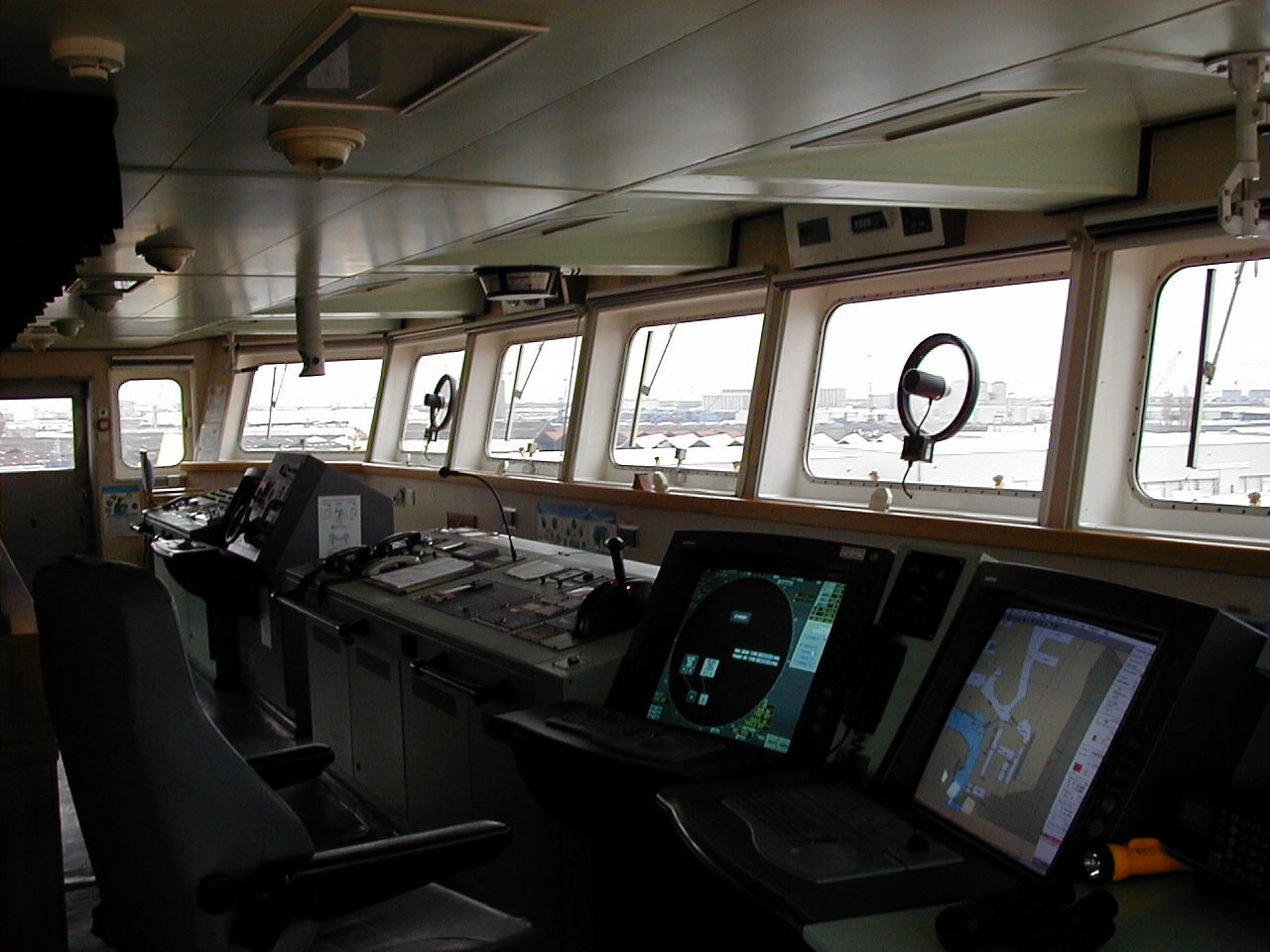
Radar vs AIS vs Thermal: Avoiding Collisions
What radar, AIS and thermal cameras each see and miss at sea, and how to combine them for a real watchkeeping system.
 Navigation
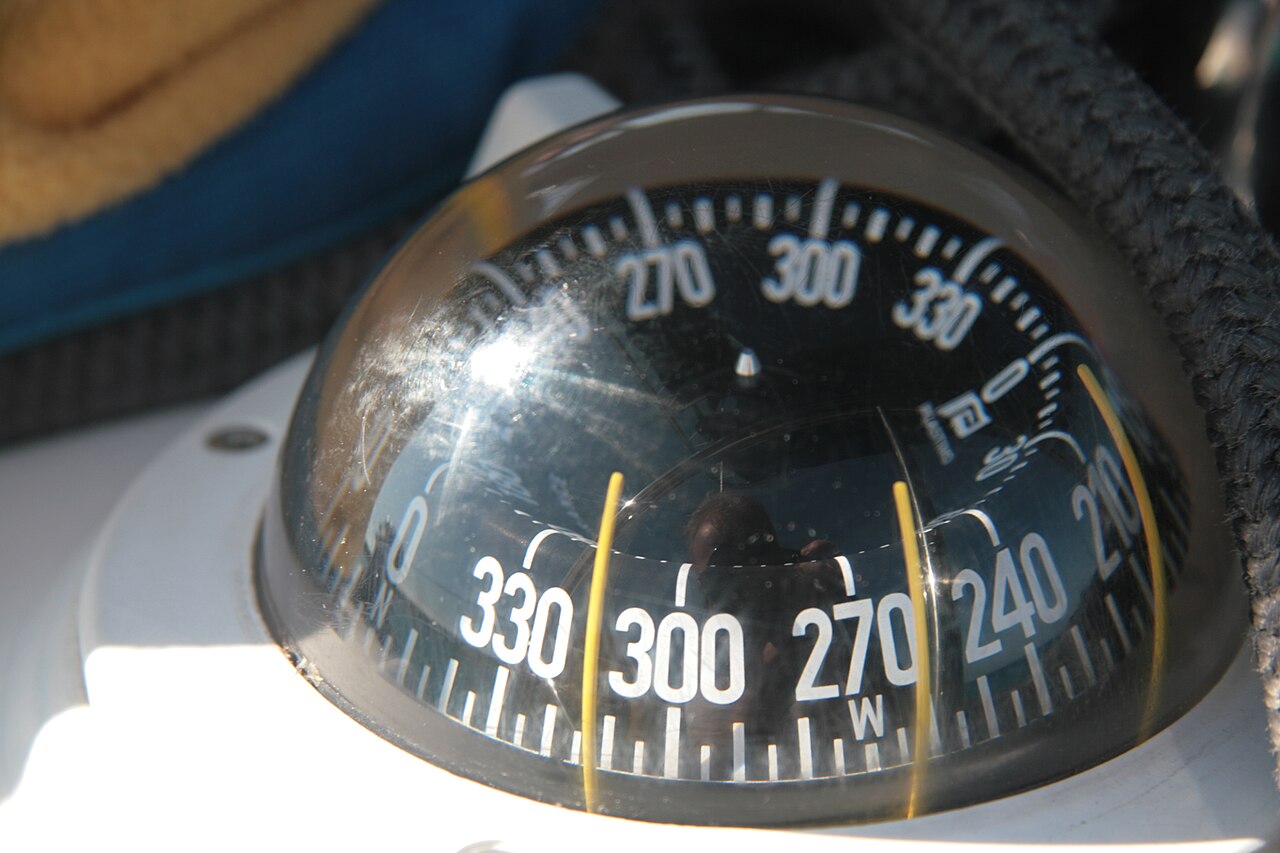
Best Boat Compasses: Steering and Handheld Picks
Card size, heel, mounting, lighting and deviation: choosing a magnetic compass for a sailboat.
 Navigation
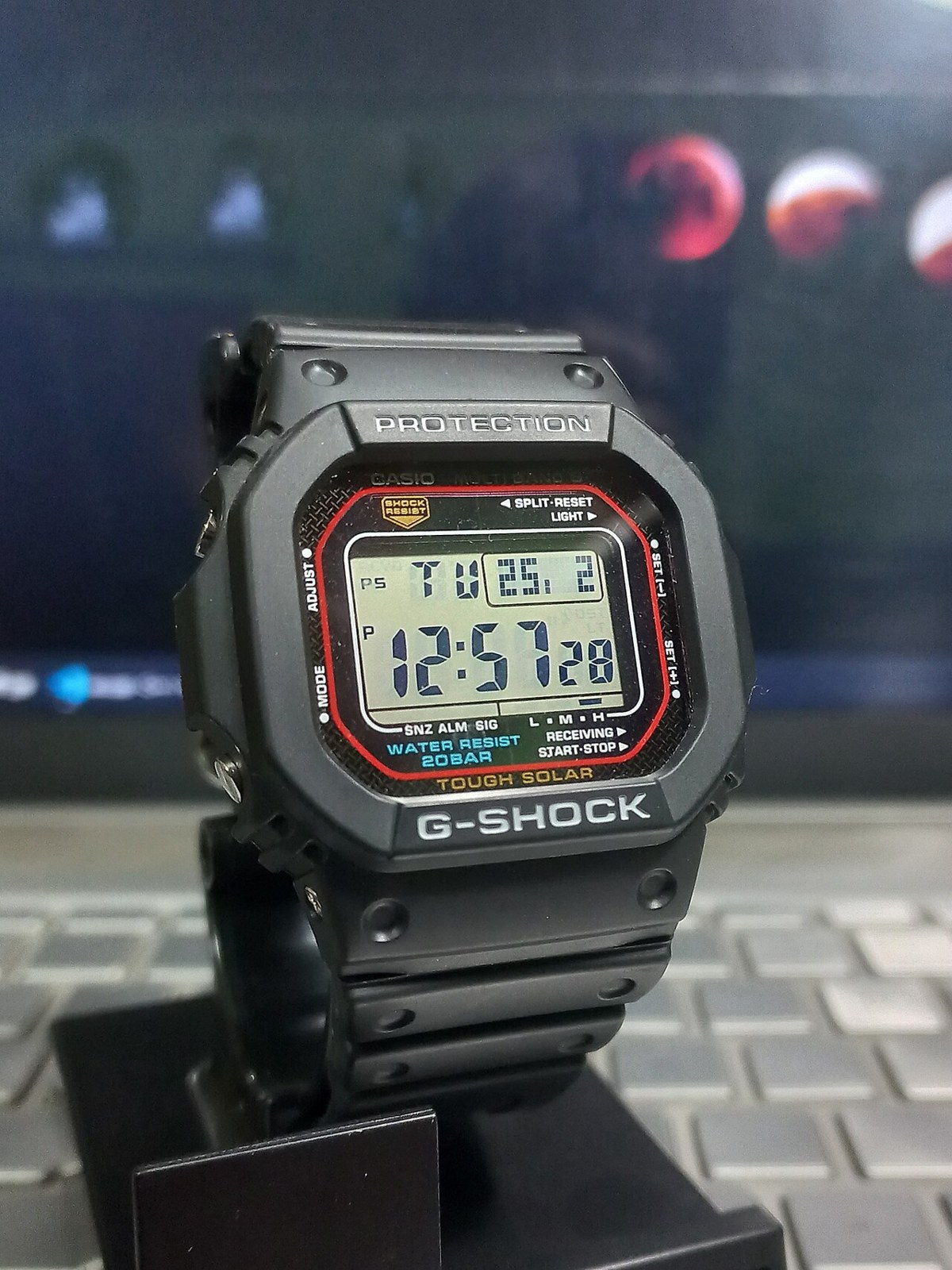
Sailing Watches: Race Timers and Cruising Choices
Countdown controls, water resistance, readability and battery care: choosing a practical watch for racing and cruising.
 Navigation
Best Marine Binoculars for Sailing
Why 7x50 is the sailing standard, compass and stabilized binoculars, and our top picks at every budget.
Looking for more gear guides? Browse all our gear recommendations or the full guides index.