Best Boat Compasses: Steering and Handheld Picks
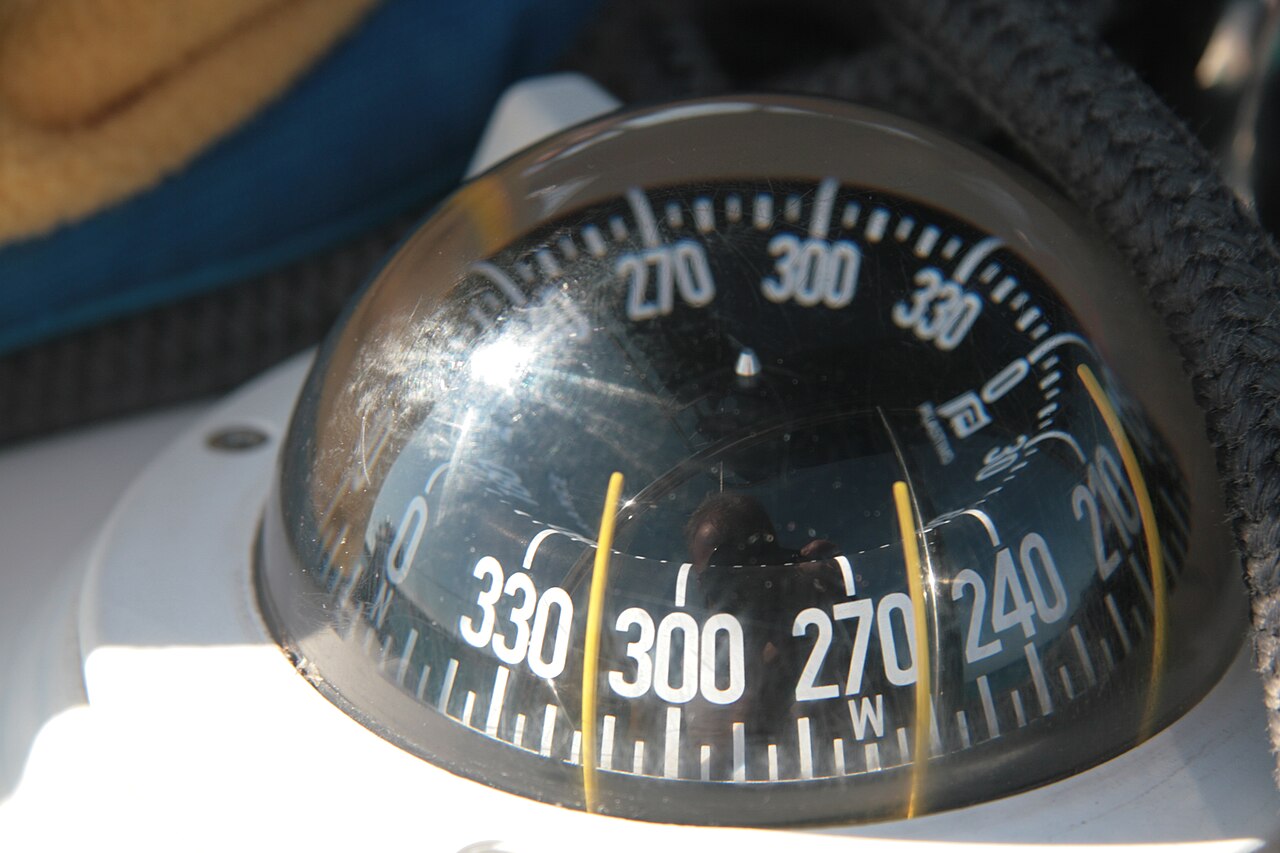
Every sailboat should carry a magnetic steering compass, even with a chartplotter aboard, because it needs no power and gives a heading instantly. For small boats, the Plastimo Iris 100 doubles as a removable steering compass and hand-bearing compass; on larger boats, a larger card such as the Plastimo Offshore 135 is easier to read at a distance. Compact bracket compasses like the Ritchie Explorer B-51 and Plastimo Offshore 75 are aimed mainly at small powerboats, so sailors should check they can cope with heel before buying.
This guide explains card size and reading distance, direct-read versus front-read cards, heel and gimbal design, lighting, and how to deal with deviation from engines and electronics.
Sailboat Atlas may earn a commission from qualifying purchases made through links on this page, at no extra cost to you.
Why a sailboat still needs a magnetic compass
GPS tells you where you are and the direction you are moving over the ground, but a magnetic compass tells you which way the boat is pointing right now. Steering a compass course is steadier than chasing a plotter's course-over-ground arrow, which lags behind the boat's motion. A magnetic compass also keeps working when batteries are flat, a breaker trips or electronics get wet.
Ritchie makes the point that GPS failure requires dead reckoning, the technique of estimating position from heading, speed and time. That only works with a reliable heading source.
Card size and reading distance
The bigger the card, the further away you can read it. Plastimo sizes its compasses to boat length: the Offshore 75 has a 70 mm conical card graduated every 5° and is listed for boats of 5–8 metres (17–26 ft), while the Offshore 135 is aimed at boats over 9 metres. On a sailboat, think about where the helmsman sits when heeled; you may be reading the compass from the high side, much further away than at the dock.
Direct-read vs front-read compass cards
A direct-read card, like the Ritchie Explorer's, shows the heading at the back of the card, on the side away from you, so you read it looking forward. A front-read or flat card shows numbers on the side facing you with a lubber line (the fixed mark that shows the boat's heading). Both work; what matters is that the card is easy for your helmsman to read at a glance, day and night.
Heel, gimbals and mounting on a sailboat
A sailboat may sail for hours heeled 15–25°. The compass card must stay level and free to turn at that angle, otherwise it sticks or reads inaccurately. Some compasses use internal gimbals or a deep bowl to cope with heel; many compact powerboat compasses are designed for flatter running. Check the manufacturer's heel specification for the exact model.
Common mounting styles are binnacle (on the steering pedestal), bulkhead (flush into a cockpit bulkhead, often in pairs so one is visible from each side) and bracket (on a surface with a removable bracket). Mount the compass on the boat's centreline or parallel to it so the lubber line is aligned with the keel.
Deviation: keeping electronics and engines away
Deviation is the error caused by magnetic material and electrical currents aboard: engines, speakers, wiring, handheld radios and even a can of drink near the compass. Many compasses, including the Ritchie Explorer, include built-in compensators (small adjustable magnets) to reduce it.
After installing, swing the compass: compare its readings with known bearings or GPS headings in calm water on several headings, adjust the compensators, and record any remaining errors on a deviation card. Keep speakers and phones away from it, and recheck after adding electronics.
Hand-bearing compasses for taking bearings
A hand-bearing compass lets you take bearings of landmarks or other vessels to plot your position or check collision risk: if another vessel's bearing stays constant while the range closes, risk of collision exists. Some compasses, such as the Plastimo Iris 100, include sighting vanes and a removable mount, so they serve as both a small boat's steering compass and a hand-bearing compass.
Our picks
Plastimo Iris 100
Small sailboats and as a hand-bearing compass
The Iris 100 is a versatile choice for small sailboats. Plastimo describes it as a secondary compass on larger boats or the main compass on a small one. Its gimbal helps it cope with heel, and the sighting vanes let you take bearings. The rubber cover floats and protects it if dropped. Skip it as the main steering compass on a cruiser over about 30 feet; the 75 mm card is too small to read comfortably from the wheel. Buy the illuminated version if you sail at night.
- Card diameter
- 75 mm
- Gimbal
- Full gimbal
- Sighting
- Two sight vanes
- Options
- With or without lighting; floating rubber cover
Pros
- Doubles as steering and bearing compass
- Rubber cover protects against knocks and floats
- Gimballed for heel
Cons
- Small card is hard to read on bigger boats
- Lighting adds cost on the lit version
Plastimo Offshore 135
Larger sailboats and long reading distance
Choose a large-card compass like the Offshore 135 for boats over about 30 feet, especially where the helmsman steers from the high side when heeled. The 135 mm card is far easier to read than compact units, and it has built-in compensation and 12/24 V lighting. Skip it on small boats where it will dominate the cockpit. The retailer listing we found describes it as designed for fast powerboats, so confirm heel tolerance and mounting with Plastimo for your sailboat.
- Card diameter
- 135 mm
- Boat size
- Over 9 m (retailer catalogue)
- Mounting
- Flush or bracket
- Lighting
- 12/24 V
Pros
- Large card readable from a distance
- Built-in compensation
- Hinged protective cover
Cons
- Expensive
- Needs a large mounting area
Plastimo Offshore 75
Small boats with limited space
The Offshore 75 offers several mounting styles in a compact package, including a removable clip-plate, which makes it practical on small boats with limited space. Its vibration absorber is designed for pounding powerboats. Skip it as the main compass on a larger sailboat: Plastimo lists it for 17–26 ft powerboats, and the 70 mm card is small. Check heel tolerance with Plastimo before fitting it to a sailboat that spends long periods heeled.
- Card
- 70 mm conical, 5° graduations
- Boat size
- Powerboats 5–8 m (17–26 ft)
- Mounting
- Flush, mini-binnacle or bracket
- Feature
- Vibration absorber system
Pros
- Flexible mounting options
- Compact
- Removable when mounted with clip-plate
Cons
- Plastimo targets it at powerboats
- Small card for reading at a distance
Ritchie Explorer B-51
Small open boats and tenders
Ritchie describes the Explorer as designed for runabouts, small centre consoles and bass boats, so it suits a tender or a small open boat better than a cruising sailboat. It has a movable sun shield, green night lighting and built-in compensators, and Ritchie says it is fully repairable. Skip it as a sailboat's main steering compass, where heel and reading distance matter; a larger gimballed compass is more suitable.
- Dial
- 2 3/4 in (70 mm) direct read
- Mounting
- Bracket, removable with thumbscrews
- Lighting
- 12 V DC green
- Warranty
- 5 years, 100% repairable
Pros
- Built-in compensators for deviation
- Removable bracket
- Repairable, with a 5-year warranty
Cons
- Designed for runabouts and small powerboats
- Small dial for larger boats
How to choose
| Product | Price check | Best for | Key detail |
|---|---|---|---|
| Plastimo Iris 100 | Around €110–€145 in Europe; check seller | Small sailboats and as a hand-bearing compass | 75 mm card; gimballed; floats |
| Plastimo Offshore 135 | Around €300 in Europe; check seller | Larger sailboats and long reading distance | 135 mm card; 12/24 V lighting |
| Plastimo Offshore 75 | Budget to mid-range; check seller | Small boats with limited space | 70 mm conical card; vibration absorber |
| Ritchie Explorer B-51 | Around $100–$110; check seller | Small open boats and tenders | 2.75 in direct-read dial; green lighting |
Amazon links open model searches, not verified individual listings. Availability and seller identity have not been independently confirmed; compare the exact model with its maker's documentation before buying. No unverified live price is quoted.
Budget tiers and the decision that matters
Small sailboats: a gimballed compact like the Iris 100 gives you both a steering compass and a hand-bearing compass.
Cruisers over about 30 feet: choose the largest card that fits your binnacle or bulkhead, with lighting and built-in compensation. Pairs of bulkhead compasses suit boats steered from either side.
Whatever you buy, install it away from speakers and wiring, swing it, and keep a deviation card at the helm.
Related planning decisions
Sources and photograph credits
- Plastimo Iris 100: manufacturer documentation
- Plastimo Offshore 135: manufacturer documentation
- Plastimo Offshore 75: manufacturer documentation
- Ritchie Explorer B-51: manufacturer documentation
- Liquid compass on a sailing yacht by Stefan Ivanovich, CC BY-SA 4.0. Display crops and JPEG recompression may apply; image adaptations retain the indicated license. Photo licensing does not imply endorsement.
Reviewed 20 October 2026. Specification-led editorial guidance, not a claim of hands-on testing. Recheck models, manuals, availability and prices before purchase.
Frequently asked questions
Do I need a compass if I have GPS?
Yes. A magnetic compass gives an instant heading without power and is your backup if electronics fail.
What size compass do I need?
Bigger boats need bigger cards so the helmsman can read them from a distance. Plastimo's sizing, for example, puts a 70 mm card on boats of 17–26 ft and a 135 mm card on boats over 9 m.
What is compass deviation?
Deviation is error caused by magnetic materials and electrical currents aboard. Reduce it with compensators and record what remains on a deviation card.
Can I use a powerboat compass on a sailboat?
Sometimes, but check its heel tolerance. Compasses designed for flat-running powerboats may stick when a sailboat heels for long periods.
What is a hand-bearing compass for?
Taking bearings of landmarks to fix your position, or of other vessels to check collision risk.
Related guides
 Navigation
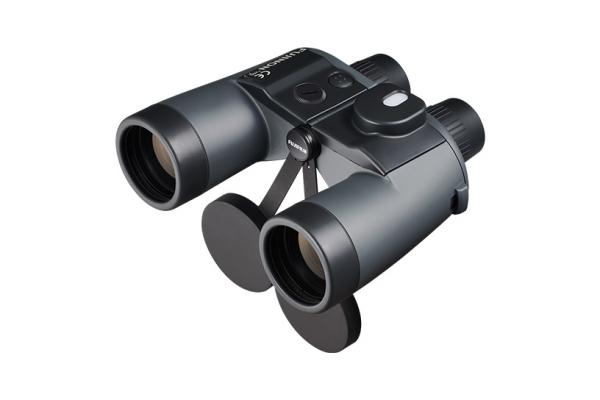
Best Marine Binoculars for Sailing
Why 7x50 is the sailing standard, compass and stabilized binoculars, and our top picks at every budget.
 Navigation
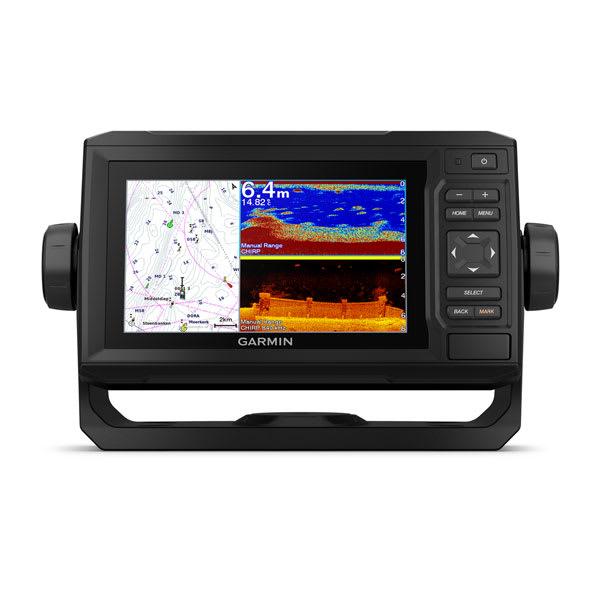
Best Marine GPS for Small Boats and Sailboats
Fixed-mount and handheld marine GPS units compared — screens, charts, power draw, and picks at every budget.
 Navigation
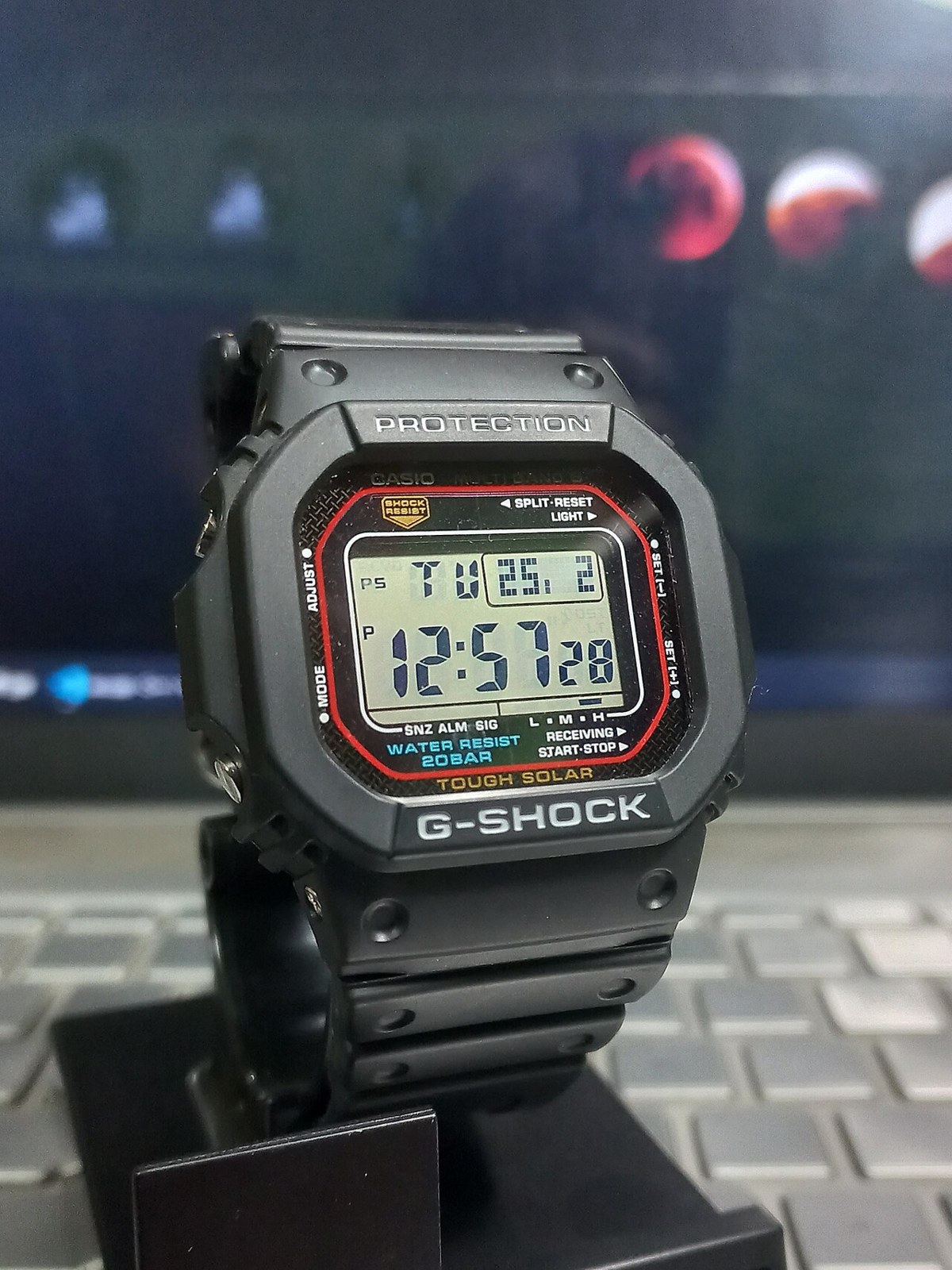
Sailing Watches: Race Timers and Cruising Choices
Countdown controls, water resistance, readability and battery care: choosing a practical watch for racing and cruising.
 Navigation
Best Chartplotters for Sailboats
How to choose a chartplotter for cruising — screen size, charts, networking, and top picks at each budget.
Looking for more gear guides? Browse all our gear recommendations or the full guides index.