Best Sailboat Autopilots
An autopilot is the crew member that never gets tired, cold, or seasick. Here's how to choose one, and the systems we'd install on our own boats.
Sailboat Atlas may earn a commission from qualifying purchases made through links on this page, at no extra cost to you.
How to choose an autopilot
Match the drive to your steering
The single most important compatibility question: mechanical (cable) steering wants a linear or rotary drive; hydraulic steering wants a hydraulic pump sized to your ram. Get this wrong and you'll be selling a $1,500 drive on the used market. Boats under 32 feet with tiller steering can use much simpler tiller pilots (Raymarine EV-100 Tiller, Pelagic tiller) at a fraction of the cost.
Solid-state compass is the modern minimum
Every pilot on this list uses a 9-axis solid-state heading sensor rather than a legacy fluxgate. The difference is night-and-day: solid-state compasses install almost anywhere, self-calibrate under way, and don't drift as the boat heels. If you're evaluating a used or budget pilot with a fluxgate, budget for the compass upgrade or move on.
Wind steering vs. compass steering
Compass steering holds a course; wind steering holds a wind angle. For sailing, wind steering keeps the sails trimmed even as the wind shifts, which matters on long passages. True-wind steering (as opposed to apparent-wind) is the gold standard — it accounts for boat speed and current, so it doesn't get fooled by gusts. B&G's H5000 systems lead here; Raymarine and Garmin are catching up.
Our picks

Raymarine Evolution EV-200
Best overall for cruising sailboats
The Evolution EV-200 is the autopilot most cruising sailors end up specifying when they price out complete systems. The 9-axis solid-state compass is the real breakthrough — earlier generations of autopilots needed a fluxgate compass mounted low and away from magnetic interference, plus a tedious calibration swing in flat water. Evolution's compass installs almost anywhere, calibrates itself under way, and learns your boat's rudder response automatically. For a 35–50 ft cruiser with linear or hydraulic steering, this is the safe choice — well-documented, dealer-supported worldwide, and priced fairly for the system you get.
- Boat size
- 35–50 ft displacement sailboats
- Drive
- Compatible with linear, rotary, and hydraulic drives
- Integration
- SeaTalkNG, NMEA 2000, and RayNet. Native to Axiom plotters and Quantum radar.
- Typical price
- $3,200–$4,500 (complete system with drive)
Pros
- 9-axis solid-state Evolution compass auto-calibrates in minutes; no compass-swinging required
- Adaptive AutoLearn tuning improves steering as it learns your boat's response over hundreds of miles
- Wide drive-unit compatibility means you can retrofit onto almost any existing linear or hydraulic steering setup
- SeaTalkNG integration with Axiom plotters is genuinely plug-and-play
Cons
- Sailing-specific modes (wind vane steering, tack-to-tack) are usable but less refined than B&G
- Drive units are sold separately — sticker shock at checkout when you add the correct actuator
- Proprietary SeaTalkNG cabling is more expensive than pure NMEA 2000
Raymarine EV-100 Wheel
Best for smaller wheel-steered sailboats
The EV-100 Wheel is the pilot most 30-something-footers should actually be shopping. It uses the same Evolution course computer and nine-axis motion sensor as the bigger Raymarine pilots, but instead of a below-deck drive it clamps a belt-driven unit onto your existing steering wheel. Install is genuinely an afternoon of work, not a haul-out project. For coastal cruisers and weekend sailors on boats under 40 ft, it hits the sweet spot of steering quality, install effort, and price — and unlike dealer-only competitors, you can actually buy it on Amazon with a warranty.
- Boat size
- 25–40 ft cruising sailboats up to about 16,500 lb displacement
- Drive
- Belt-driven wheel drive that clamps onto the existing steering wheel
- Integration
- SeaTalkng / NMEA 2000, plugs into any Raymarine plotter or standalone
- Typical price
- $1,500–$1,900 for the complete kit
Pros
- Genuine bolt-on install — no rudder linkage, no hydraulic plumbing, one afternoon on the boat
- Same nine-axis EV sensor and Evolution algorithm as the bigger EV-200, so steering quality is well above its price bracket
- P70Rs controller gives sailors dedicated auto-tack, wind-vane, and no-drift modes
- Removable belt lets you disengage the pilot instantly if you need to hand-steer
Cons
- Wheel drive is only appropriate for boats under about 40 ft or 16,500 lb — larger boats need a linear or hydraulic drive
- Continuous heavy use in a big following sea can slip the belt if it's not adjusted correctly
- Below-deck installs (EV-200 or EV-400) steer more authoritatively in a blow
Garmin Reactor 40 Hydraulic
Best for larger cruisers with hydraulic steering
The Reactor 40 Hydraulic is the top pick for larger cruisers that already have hydraulic steering. Shadow Drive is the killer feature: grab the wheel to dodge a lobster pot, and the pilot silently stands down; let go and it re-engages on your new course. No fumbling for a standby button, no fighting the pilot. If your boat is 45+ feet with a hydraulic ram at the rudder quadrant, this is the natural fit — especially if you're already in the Garmin ecosystem.
- Boat size
- 40–65 ft cruisers with hydraulic wheel steering
- Drive
- Direct-drive hydraulic pump (0.6, 1.0, 1.2, or 2.1 CID options)
- Integration
- NMEA 2000, Garmin Marine Network, GHC control head, ActiveCaptain
- Typical price
- $4,500–$6,500 (complete kit)
Pros
- Shadow Drive technology disengages the pilot instantly when you turn the wheel — no button press needed
- Purpose-built for hydraulic steering; the pump options cover almost every steering system on the market
- Solid-state compass and auto-learn tuning match Raymarine Evolution capabilities
- GHC 20/50 control head is the best physical control interface in this category — legible, glove-friendly buttons
Cons
- Sailing modes are basic — no advanced true-wind or layline steering
- Best experienced when paired with Garmin plotters; benefits are diluted in a mixed-brand helm
- Not the right choice for boats with mechanical (cable) steering

Simrad AP44 with NAC-2 computer
Best value for mid-size cruisers
The AP44 is the sensible middle-ground autopilot for a 30–42 ft cruiser that doesn't need racing-grade sailing modes. You're getting the same NAC series course computer that powers B&G's premium systems, wrapped in a more affordable Simrad control head and package. For a coastal cruiser or a couple starting to venture offshore, this is enough autopilot to short-hand a passage without spending on features you won't use.
- Boat size
- 30–42 ft cruisers
- Drive
- Compatible with reversing pumps and mechanical drives up to 25 A
- Integration
- NMEA 2000, NAC-2 course computer, works with Simrad and third-party plotters
- Typical price
- $2,400–$3,400
Pros
- AP44 control head is compact and legible — fits into cockpit real estate that other autopilots outgrow
- NAC-2 course computer is the same platform used in higher-end B&G systems, so tuning is solid
- Cross-compatible with NMEA 2000 wind and heading sensors from other brands
- One of the lowest-cost complete systems for a 35 ft cruiser without hydraulic steering
Cons
- Missing the true-wind and layline features of the B&G NAC-3 despite shared hardware DNA
- Simrad service network is thinner than Raymarine and Garmin in some cruising regions
- Drive selection is narrower than the Raymarine Evolution catalog
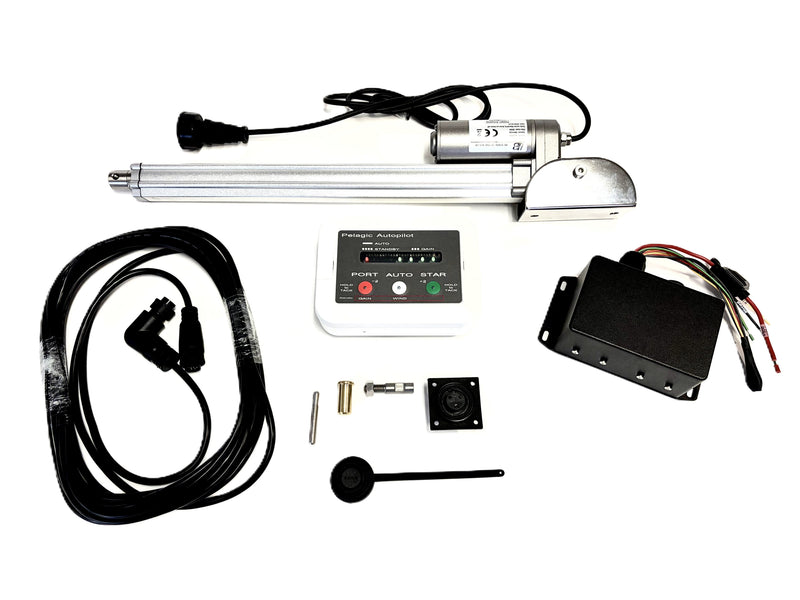
Pelagic Autopilot (tiller/wheel)
Best rugged/offshore backup
Pelagic is the autopilot you buy after your first ocean crossing when a mainstream pilot dies 400 miles from land. Built by a former Vendée Globe skipper, every component is chosen for repairability and reliability rather than integration polish. If your priority is finishing the passage rather than watching pretty graphs, and if you cross oceans rather than daysail, this is a genuinely better tool than anything from Raymarine, Garmin, or B&G. For coastal cruisers with dealer support close at hand, it's overkill.
- Boat size
- 25–45 ft, both tiller and wheel versions
- Drive
- Linear ram or belt drive; owner-repairable design
- Integration
- NMEA 0183/2000 optional; will run standalone with just a compass
- Typical price
- $2,500–$3,800
Pros
- Designed by an offshore singlehander for offshore singlehanders — every failure mode has been thought through
- Field-repairable: no proprietary chips, motors, or connectors that can't be sourced globally
- Runs standalone from an internal compass — no plotter or instrument network required
- The choice for shorthanded ocean racers and long-distance voyagers who prioritize reliability over polish
Cons
- Interface is functional rather than beautiful; no touchscreens or app control
- Limited network integration compared to mainstream brands
- Lead time and support come from a small operation, not a global dealer network
Frequently asked questions
Below-deck vs. tiller/wheel pilot — which do I need?
Boats over roughly 32 feet or with wheel steering want a below-deck pilot with a proper drive. Below that, a tiller pilot is dramatically cheaper and easier to install.
Can an autopilot replace a wind vane?
For coastal cruising, yes. For long ocean passages under sail power, a mechanical wind vane costs nothing in amps and never fails electrically — many bluewater cruisers carry both.
How many amps does an autopilot draw?
Average draw is 1–4 amps for a well-tuned pilot on a balanced sailboat, spiking to 10–20 amps when working hard in a seaway. A poorly tuned pilot on an unbalanced boat can double that.
More gear guides
Related guides
 Navigation
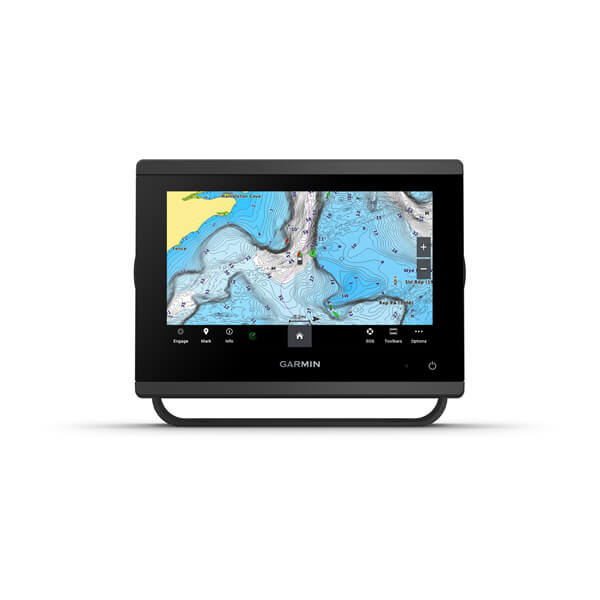
Best Chartplotters for Sailboats
How to choose a chartplotter for cruising — screen size, charts, networking, and top picks at each budget.
 Navigation
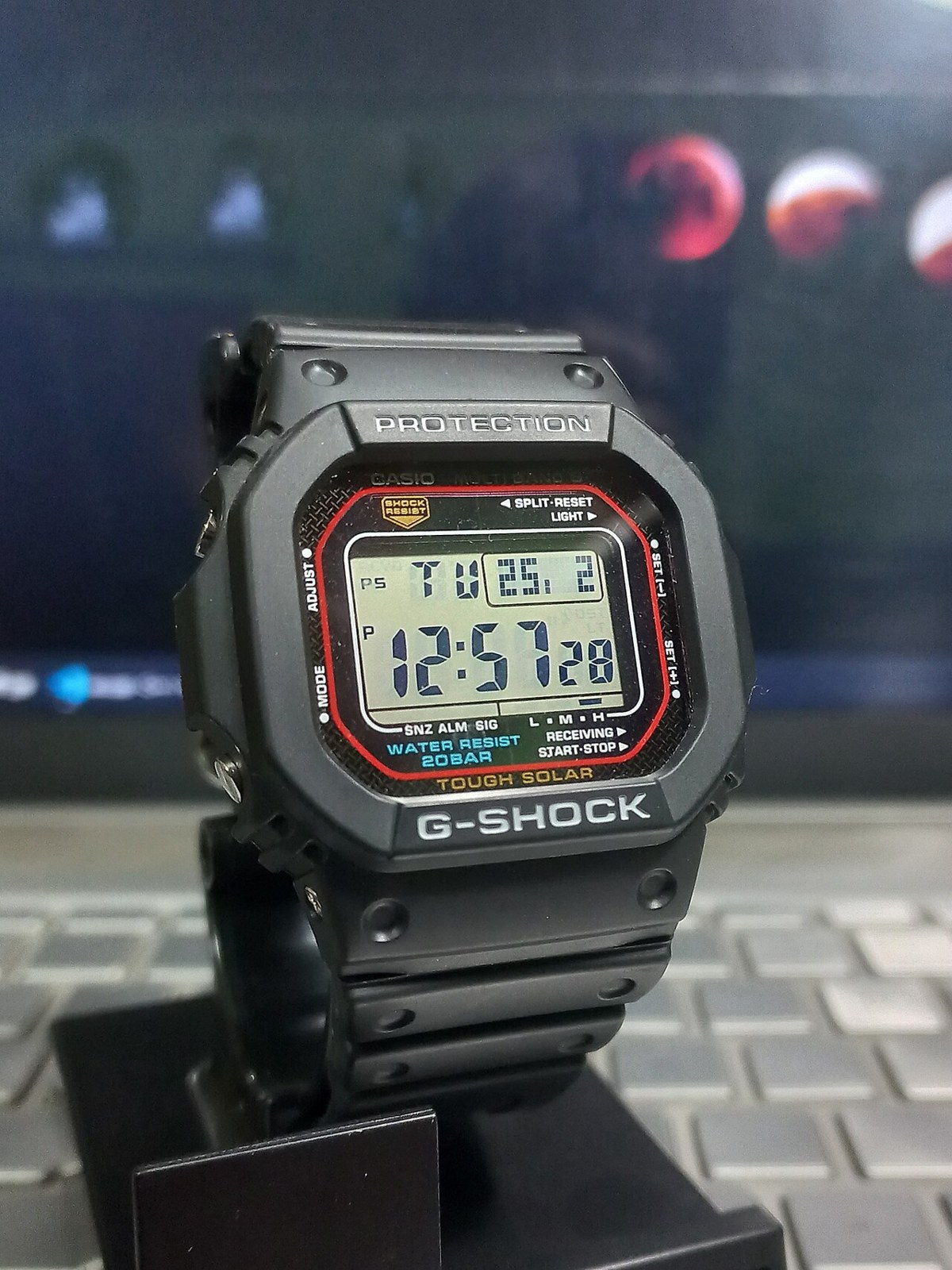
Sailing Watches: Race Timers and Cruising Choices
Countdown controls, water resistance, readability and battery care: choosing a practical watch for racing and cruising.
 Navigation
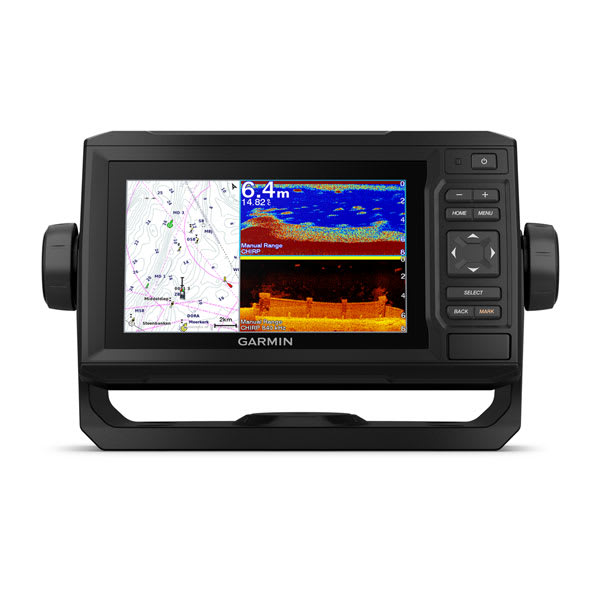
Best Marine GPS for Small Boats and Sailboats
Fixed-mount and handheld marine GPS units compared — screens, charts, power draw, and picks at every budget.
 Navigation
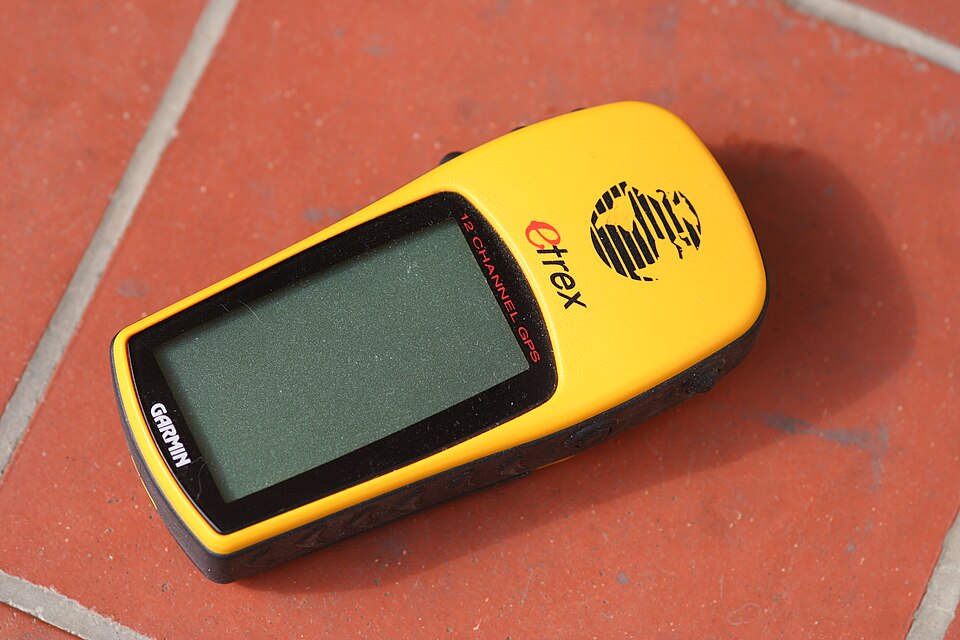
Best Handheld GPS for Sailors
Handheld GPS and satellite units as chartplotter backup — waterproofing, battery life, charts and ditch-bag picks.