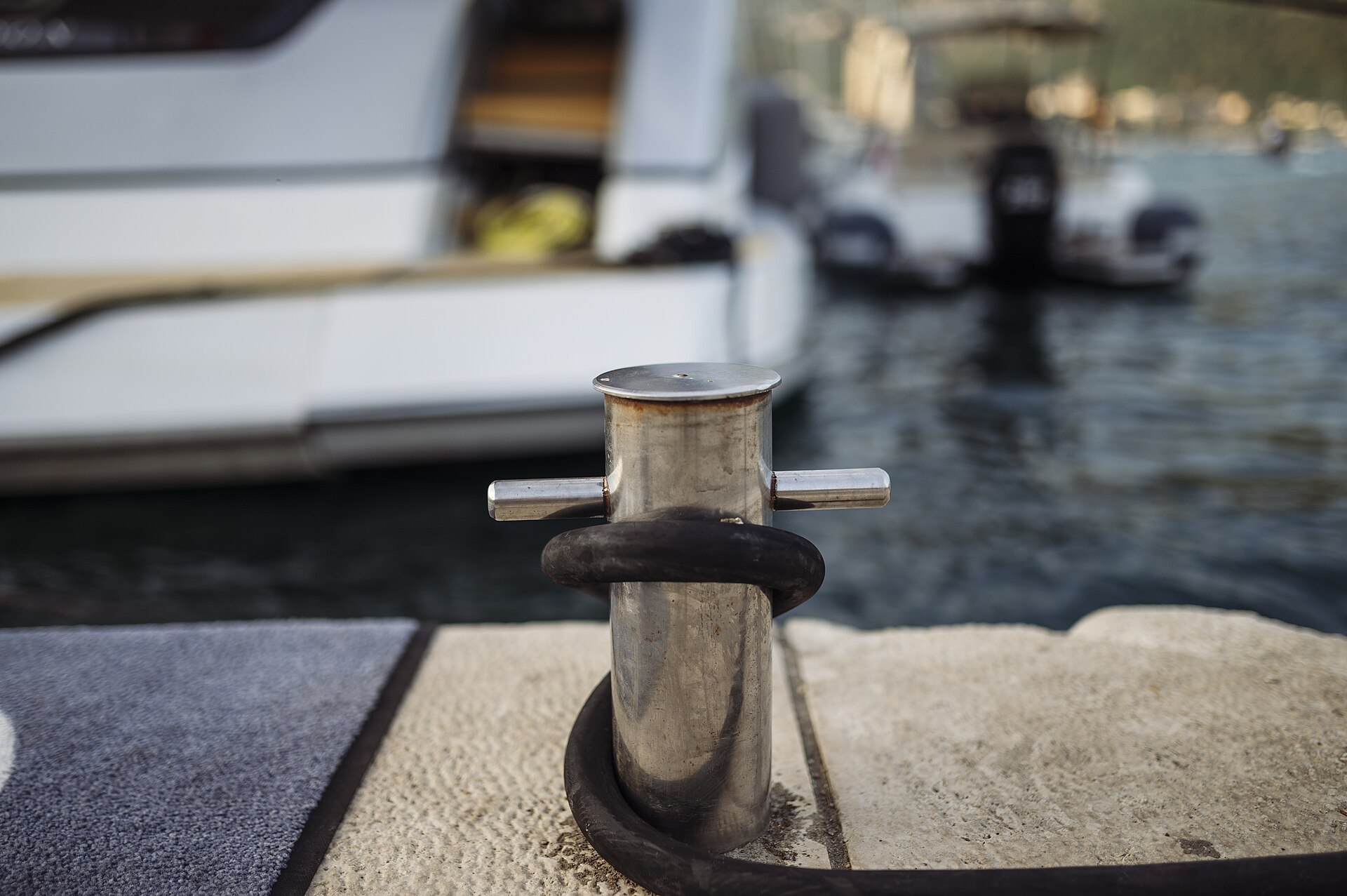
Best Dock Lines and Mooring Lines for Sailboats
For most sailboats and powerboats, nylon double-braid dock lines with a spliced eye are the right choice. New England Ropes' double-braid dock lines are the quality pick; Seachoice and Shoreline Marine cover the budget end, and multi-packs from PACTHSD or Amarine Made are a cheap way to outfit a new boat with a full set. Use roughly 3/8 inch line for boats up to about 27 feet, 1/2 inch to about 35 feet, and heavier above that.
Nylon is used because it stretches and absorbs the shock of wakes and gusts; polyester is too stiff for most docking work. Below we explain how to size lines, how many you need, how to stop chafe, and when to replace them.
Sailboat Atlas may earn a commission from qualifying purchases made through links on this page, at no extra cost to you.
Why nylon is the right fiber for dock lines
A dock line has to do two things: hold the boat and absorb shock. Every passing wake and every gust pushes the boat away from the dock and then lets it snap back. A rope with no stretch transfers that full jolt into your cleats, the dock and the deck hardware. Nylon stretches noticeably under load and then recovers, acting like a spring that softens each jerk.
Polyester ropes, often sold as yacht braid or sheet line, stretch much less. That is exactly what you want for halyards and sheets, where stretch spoils sail shape, but it makes polyester a poor choice for dock lines. Polypropylene floats and is cheap, but it degrades in sunlight and has low strength, so keep it for tow lines for water toys rather than tying up a boat.
Double braid vs three-strand nylon dock lines
Double braid has a braided core inside a braided cover. It is soft on the hands, runs smoothly through chocks, does not kink and coils neatly. It is the most popular choice for dock lines today, and most pre-made lines with spliced eyes are double braid.
Three-strand twisted nylon is the traditional choice. It typically stretches more than double braid, which is good for shock absorption, and it is easy to splice yourself with nothing more than a fid. It is generally less expensive per foot. The downsides are that it kinks and hockles if coiled the wrong way and feels rougher to handle.
For a weekend sailor buying ready-made lines, double braid is easiest. For a cruiser who wants to make up lines from a reel and carry long lines for storms or locks, three-strand is worth considering.
How to size dock lines: diameter and length by boat size
A common rule of thumb is about 1/8 inch of line diameter for every 9 feet of boat length. That works out to roughly 3/8 inch for boats up to about 27 feet, 1/2 inch for boats from about 28 to 35 feet, 5/8 inch for boats from about 36 to 45 feet, and 3/4 inch beyond that. Heavy-displacement boats, exposed docks and storm preparation all justify going one size up.
Do not oversize too much. A very thick line on a light boat barely stretches under normal loads, so it loses its shock-absorbing benefit, and it may not fit your cleats. Check that two turns and a hitch of your chosen diameter will fit on the boat's cleats; as a guide, cleat length is often sized at about 1 inch for every 1/16 inch of line diameter.
For length, bow and stern lines are commonly about two-thirds of the boat's length, and spring lines about the full length of the boat. In practice, many owners buy all lines at least as long as the boat, because longer lines are more flexible: they let you tie up at a long dock, reach a distant piling or double a line back to the boat.
How many dock lines does a boat need?
A minimum working set is four lines: a bow line, a stern line and two spring lines. Spring lines run diagonally, one from the bow aft and one from the stern forward, and stop the boat surging forward and back along the dock. Without them, the boat shuffles and rubs against fenders all night.
Add two more lines for a slip, where you tie both sides, and at least one or two long lines, perhaps one and a half times the boat's length, for rafting, locks, mooring in a strong current or doubling up before a storm. Before a forecast blow, doubling every line with a second line is far cheaper than repairing a damaged hull.
Chafe protection: the main reason dock lines fail
Dock lines rarely break because they are too weak; they break because they are worn through. Where the line passes over a chock, the edge of the dock or a rough piling, every movement grinds the fibers. In a storm, that chafe can cut a line in hours, and heat from stretching makes nylon wear faster.
Protect every point where the line rubs. Purpose-made chafe guards, leather or canvas sleeves, or even a length of reinforced hose slipped over the line all help. Position them carefully, because they tend to slide away from the chafe point, and recheck after the line has stretched under load.
When to replace dock lines
Replace a dock line when it becomes stiff and hard, when the cover is fuzzy and worn through to the core, when it has visible flat or glazed spots, or when the eye splice looks stretched or damaged. Lines that have survived a storm under heavy load have often lost much of their stretch, even if they look fine.
Rinse lines in fresh water occasionally to flush out salt crystals and grit, which wear fibers from the inside. Dry them before storing, and keep them out of sunlight when not in use, because UV slowly weakens nylon.
Our picks
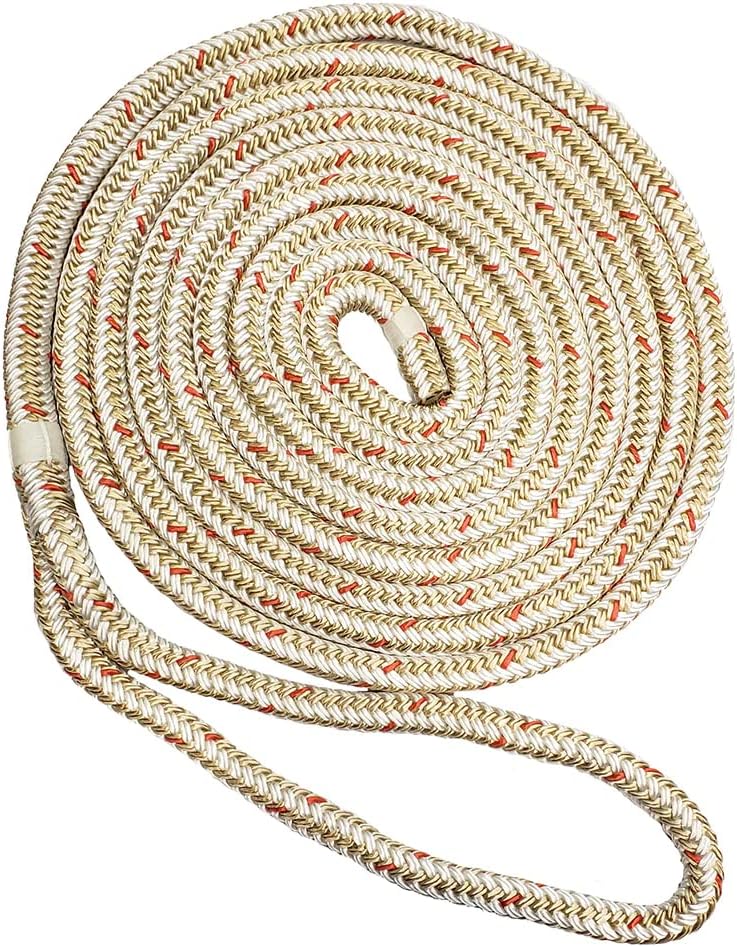
New England Ropes Nylon Double Braid Dock Line
Owners who want premium, long-lasting lines with a proper spliced eye
Buy New England Ropes when you want lines that will stay supple for many seasons and a maker with a long track record in marine rope. The double-braid construction handles easily and coils without kinking. Check the length: 25 feet is right for bow and stern lines on boats under about 35 feet, but spring lines and storm lines often need to be longer, so order those separately.
- Construction
- Nylon double braid
- Example sizes
- 1/2 in × 25 ft; 5/8 in × 25 ft; 3/4 in × 25 ft
- Colors
- White/gold with tracer, black and others
- End
- Factory spliced eye
Pros
- Made by an established US marine rope maker
- Soft hand and smooth running through chocks
- Wide range of diameters for boats of different sizes
Cons
- Costs noticeably more per line than generic multi-packs
- 25 ft length is short for spring lines on larger boats
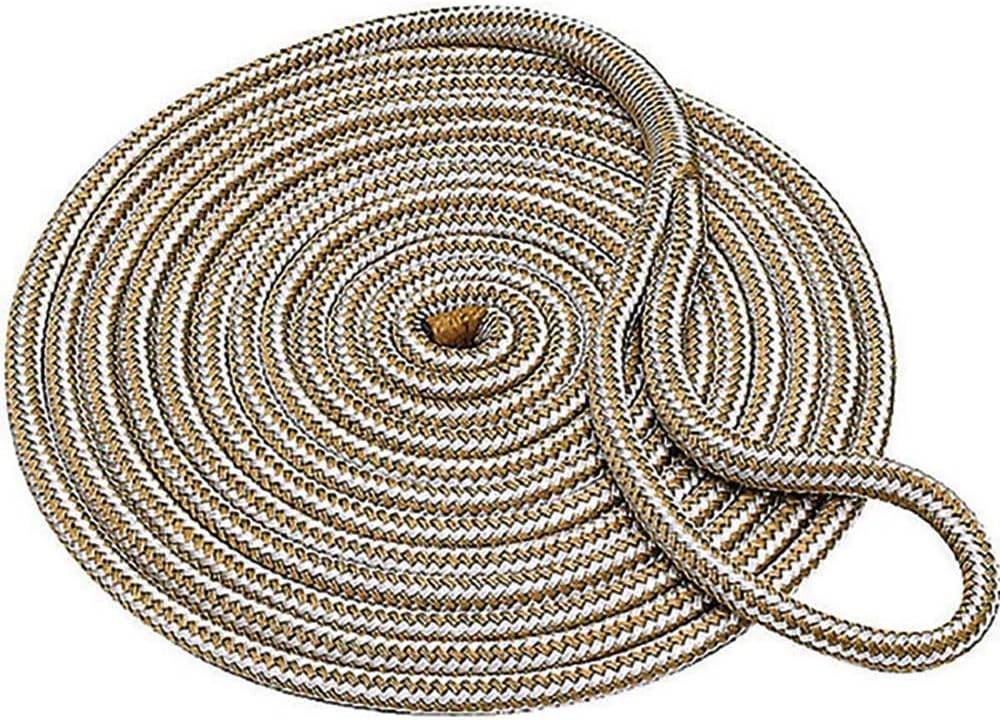
Seachoice Double-Braid Nylon Dock Line
Good value single lines from a mainstream marine brand
Seachoice lines are a sensible middle ground: real nylon double braid with a spliced eye, from a brand you can find in most chandleries, at a lower price than the premium makers. They suit weekend boats and spare lines. If you keep your boat in an exposed slip all season, the extra cost of premium line is worth considering.
- Construction
- Double-braid nylon
- End
- Spliced eye
- Sizes
- Several diameters and lengths; check listing
- Brand
- Seachoice, widely stocked by marine retailers
Pros
- Lower price than premium rope brands
- Easy to find replacements locally
- Proper nylon double braid rather than polypropylene
Cons
- Less detail published about construction and strength
- Feel and longevity may not match premium lines
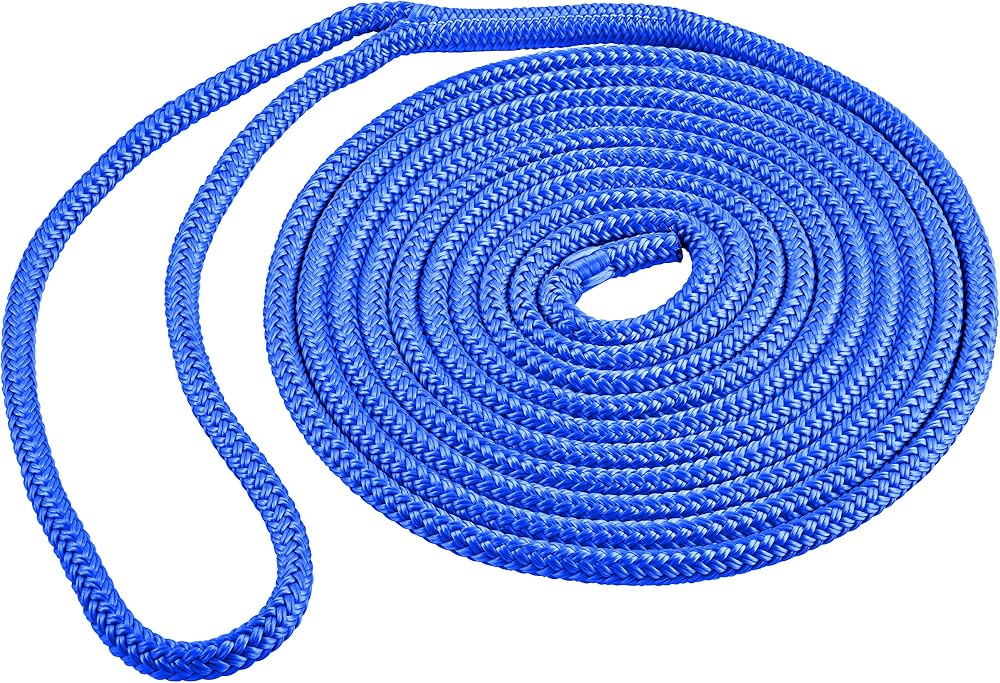
Shoreline Marine Double Braided Nylon Dock Line
Small boats, dinghies and colorful lines that are easy to spot
Shoreline Marine's 3/8 inch by 15 foot lines are a cheap, handy option for small powerboats, daysailers and dinghies. Bright colors make it easy to tell lines apart and spot them on a dock. They are not a complete solution for a cruising boat, where you need longer and thicker lines, but they make good spares and dinghy painters.
- Construction
- Double braided nylon
- Example size
- 3/8 in × 15 ft, single
- Color
- Blue and other colors
- Best boat size
- Small boats, roughly under 20 ft
Pros
- Inexpensive
- Bright colors are easy to see on a dock
- 3/8 inch suits small boat cleats
Cons
- 15 ft is too short for most boats over about 20 ft
- Colored lines can fade in strong sun
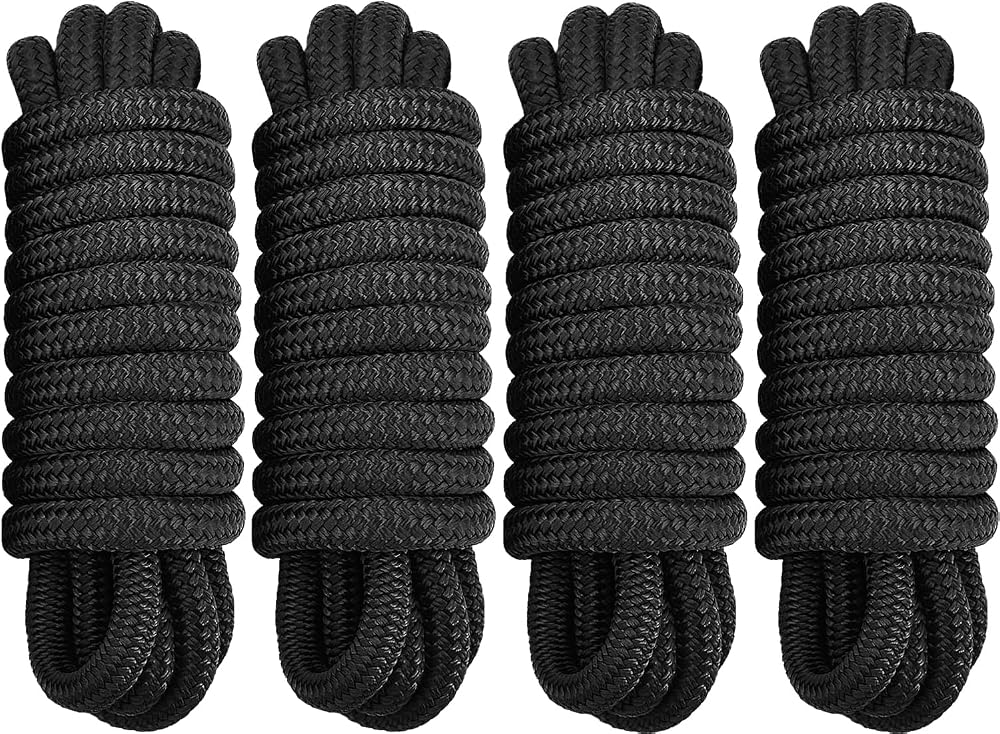
PACTHSD Double Braided Nylon Dock Lines (4-pack)
Outfitting a new boat with a full matching set on a budget
PACTHSD multi-packs are popular because they deliver four matching lines for about the price of one premium line. That makes them a practical choice for a newly bought boat, a second boat or spares. Because construction details and test data are thin, inspect them more often than premium rope and consider a premium line for the most loaded positions in an exposed slip.
- Pack
- 4 lines
- Example size
- 1/2 in × 20 ft with 12 in eye
- Construction
- Double braided nylon (per listing)
- Other packs
- 3/8, 5/8 and 3/4 in and other lengths
Pros
- Very low cost per line
- Matching set covers bow, stern and spring lines
- Many size combinations
Cons
- Lesser-known brand with limited independent strength data
- 20 ft lines can be short for springs on boats over about 30 ft
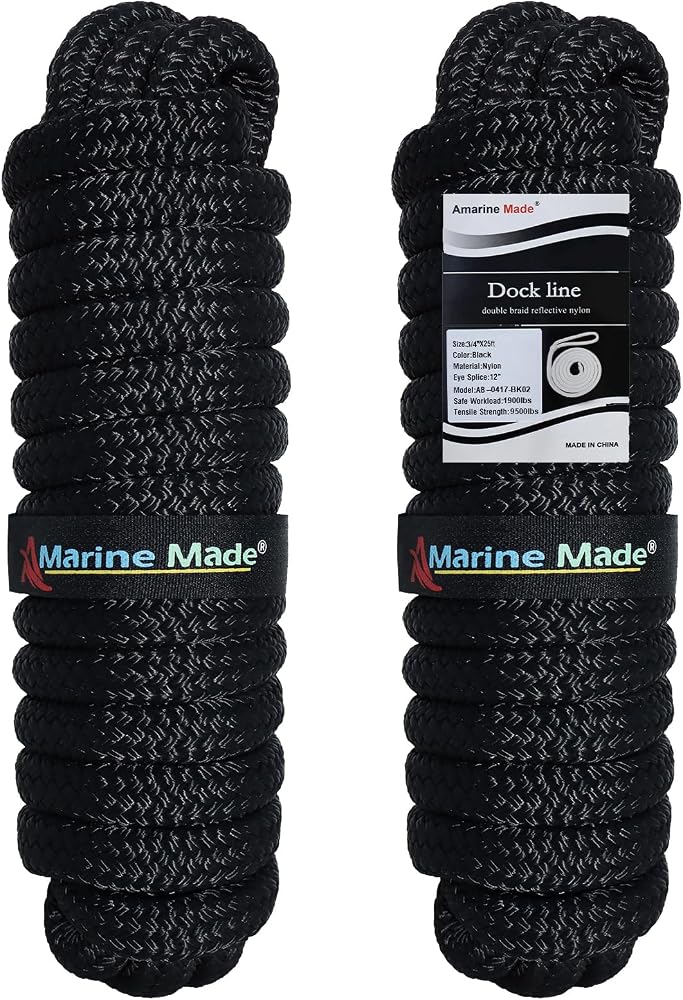
Amarine Made 3/4 in Double Braided Nylon Dock Lines (2-pack)
Larger boats and storm lines where heavy diameter matters
Thick line is expensive, which makes Amarine Made's 3/4 inch two-pack worth a look for larger boats or as extra lines for doubling up before a storm. Check your cleats first: 3/4 inch line needs a large cleat to take proper turns. On boats under about 40 feet, choose a smaller diameter so the lines still stretch and absorb shock.
- Pack
- 2 lines
- Size
- 3/4 in × 25 ft
- Eye
- 12 in eyelet (per listing)
- Construction
- Double braided nylon
Pros
- Heavy diameter for boats over about 45 ft or storm doubling
- Low price for large-diameter line
- Large eye drops over big cleats and pilings
Cons
- Too thick for the cleats on most small and mid-size boats
- Brand has less published strength data than established rope makers
How to choose
| Product | Typical price | Best for | Key detail |
|---|---|---|---|
| New England Ropes Nylon Double Braid Dock Line | Typically $30–$70 per line by diameter | Owners who want premium, long-lasting lines with a proper spliced eye | Premium double braid with spliced eye |
| Seachoice Double-Braid Nylon Dock Line | Typically $20–$45 per line | Good value single lines from a mainstream marine brand | Mainstream brand at mid-range price |
| Shoreline Marine Double Braided Nylon Dock Line | Typically $10–$20 per line | Small boats, dinghies and colorful lines that are easy to spot | Low-cost small-boat line |
| PACTHSD Double Braided Nylon Dock Lines (4-pack) | Typically $35–$70 per 4-pack by size | Outfitting a new boat with a full matching set on a budget | Four matching lines at budget price |
| Amarine Made 3/4 in Double Braided Nylon Dock Lines (2-pack) | Typically $40–$70 per 2-pack | Larger boats and storm lines where heavy diameter matters | Budget heavy-diameter line |
Prices vary by size, color and seller. Some Amazon links open a model search; others lead to an identified listing. Confirm the exact size, part number, seller and checkout total before buying.
Budget tiers: what is worth paying for?
Budget: multi-packs from PACTHSD or Amarine Made give a full set for little money. Inspect them often and replace them as soon as they stiffen or fuzz.
Mid-range: Seachoice single lines let you buy exactly the lengths you need, such as longer springs, from a brand with wide retail support.
Premium: New England Ropes lines cost more, but stay supple longer and come from a long-established marine rope maker. Use them in your most exposed positions.
Related Sailboat Atlas guides
- Best boat cleats and how to size them
- Best boat fenders and how to hang them
- Best boat hooks for docking
- Anchors and anchor windlasses
Specification-led editorial shortlist based on manufacturer and listing information, not hands-on testing. Reviewed October 2026.
Frequently asked questions
What size dock line do I need for my boat?
A common rule is about 1/8 inch of diameter for every 9 feet of boat length: roughly 3/8 inch to about 27 ft, 1/2 inch to about 35 ft, 5/8 inch to about 45 ft. Heavy boats and exposed docks justify going one size up.
How long should dock lines be?
Bow and stern lines are commonly about two-thirds of the boat's length and spring lines about the full boat length. Many owners buy all lines at least boat length for flexibility.
Is double braid or three-strand better for dock lines?
Double braid is softer, does not kink and runs smoothly, so it is the most popular choice. Three-strand usually stretches more, costs less and is easy to splice, which suits sailors who make their own lines.
Can I use polyester rope for dock lines?
It is not ideal. Polyester stretches far less than nylon, so it passes wake and gust shocks straight into cleats and deck hardware. Use nylon for dock and mooring lines.
How many dock lines should a boat carry?
At least four: bow, stern and two spring lines. Add lines for slips, plus one or two long lines for rafting, locks and doubling up in storms.
When should dock lines be replaced?
Replace them when they become stiff, the cover is worn through, there are glazed or flattened spots, or the eye splice is damaged. Lines that held a boat through a severe storm may have lost much of their stretch.
Related guides
 Anchoring
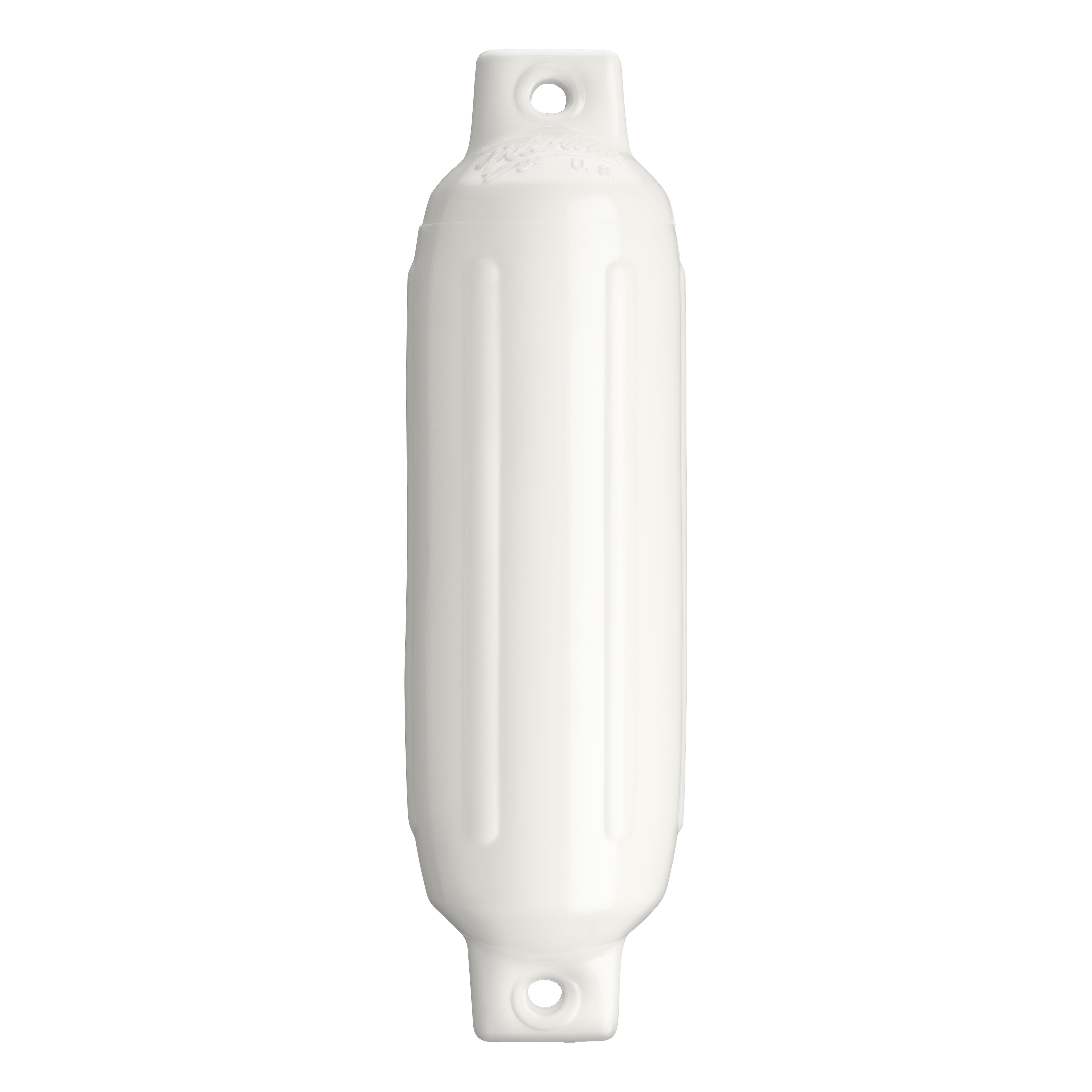
Best Boat Fenders for Sailboats
Fender sizing by boat length, cylindrical vs ball vs flat fenders, hanging height, lines and top picks.
 Anchoring
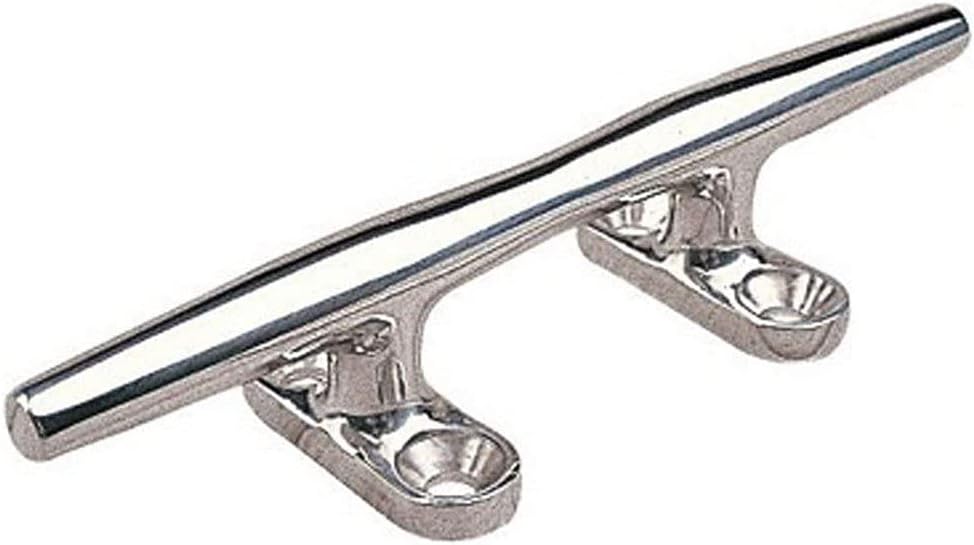
Best Boat Cleats: Open Base, Pull-Up and Folding
Pick the best boat cleats: size by line diameter, open base vs hollow base vs pull-up, backing plates and installation. Five stainless picks compared.
 Anchoring
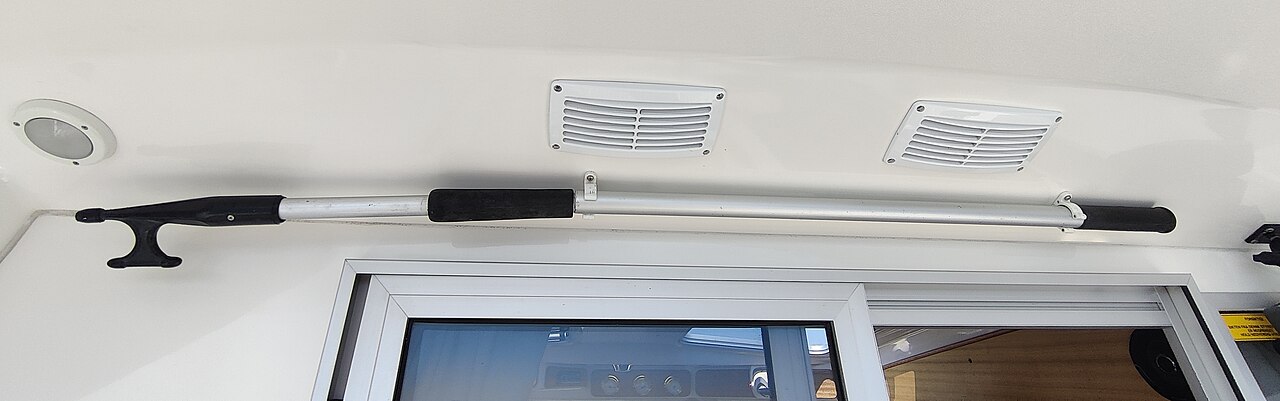
Best Boat Hooks: Telescoping Hooks for Docking
Length, locks, hook shapes and floating designs for docking and mooring pickups.
 Anchoring
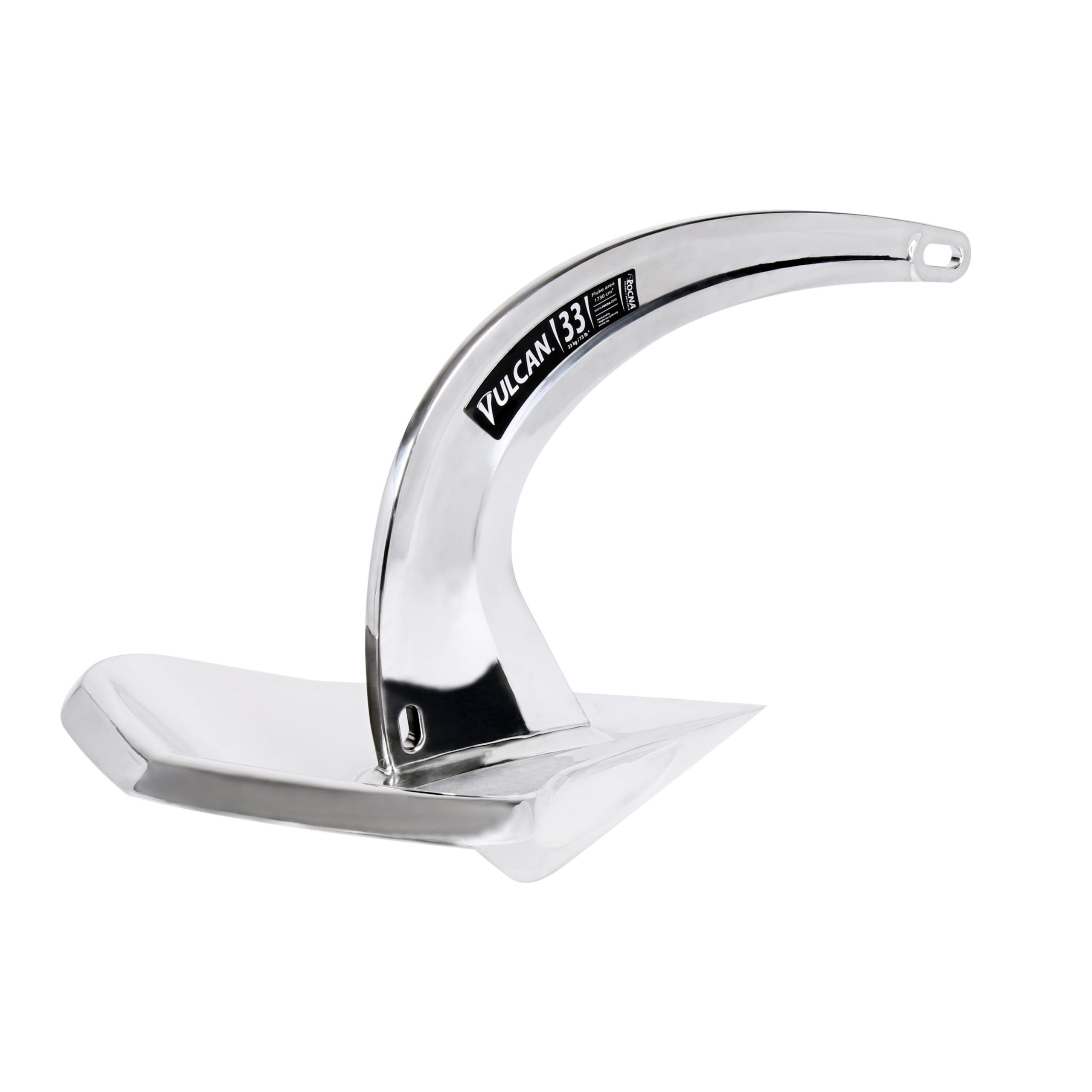
Best Anchors and Anchor Windlasses for Sailboats
Modern anchor and windlass picks that hold hard and lift reliably — Rocna, Mantus, Spade, Lewmar, Maxwell.
Looking for more gear guides? Browse all our gear recommendations or the full guides index.