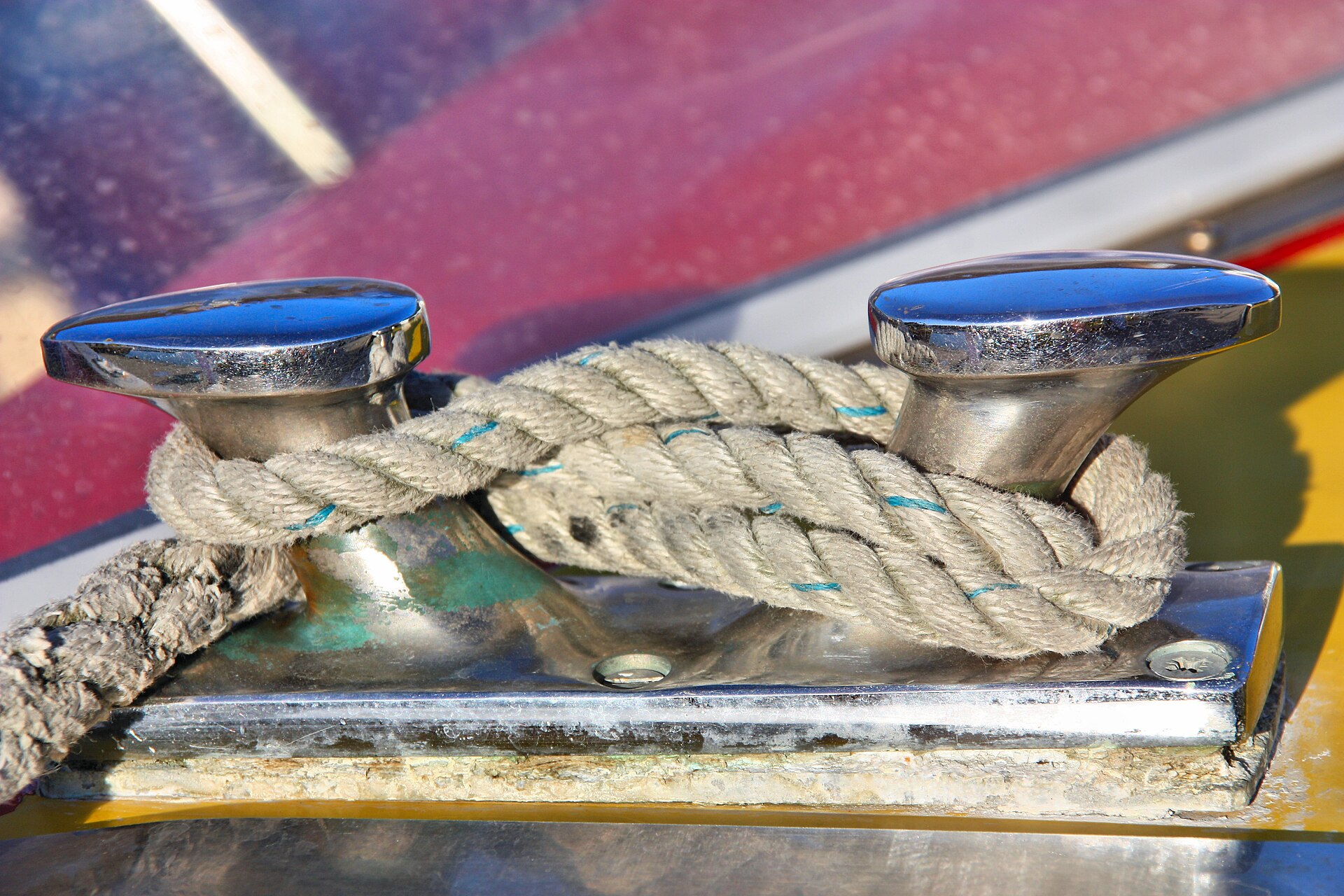
Best Boat Cleats: Open Base, Pull-Up and Folding
For most boats, a stainless-steel open-base cleat such as the Sea-Dog 041606-1 is the best all-round choice, because you can lead a line through the base and it is easy to cleat in a hurry. Choose a pull-up or folding cleat, such as the Attwood 66517-1 or Whitecap 6746C, where toes and lines snag on a clear deck, and a hollow-base cleat like the Whitecap 6010C where you want a clean, strong mounting.
Size matters more than brand: a common guideline is about 1 inch of cleat length for every 1/16 inch of line diameter, so a 1/2 inch dock line wants an 8 inch cleat. And no cleat is stronger than the deck it is bolted to, which is why the installation section below matters as much as the picks.
Sailboat Atlas may earn a commission from qualifying purchases made through links on this page, at no extra cost to you.
Types of boat cleats: open base, hollow base, pull-up and folding
A horn cleat, the familiar shape with two arms on a base, comes in several forms. Open-base cleats have a gap between the two feet, so you can feed a line's eye splice up through the gap and over the horns, or lead the line from any direction. They are versatile and easy to use, which is why they are common on docking and mooring positions.
Hollow-base cleats have a solid-looking body that hides the fasteners. They look tidy and are strong, but you cannot pass a line through the base. Pull-up or retractable cleats sit flush with the deck and pop up when you need them, which makes them safer to walk around on narrow side decks. Folding or flip-up cleats lie flat when not in use and swing up on a hinge.
Sailboats also use cam cleats and clam cleats on running rigging. A cam cleat, such as the Schaefer Fast Entry, has two spring-loaded toothed jaws that grip a sheet and release when you pull up. These are for quick adjustment of control lines, not for tying up a boat.
How to size a boat cleat for your dock lines
The widely used guideline is roughly 1 inch of cleat length per 1/16 inch of line diameter. That gives about a 6 inch cleat for 3/8 inch line, 8 inch for 1/2 inch line and 10 inch for 5/8 inch line. The point is to fit a full turn around the base, a figure-eight across the horns and a locking hitch without the line falling off the end.
If you sometimes need to put two lines on one cleat, such as a bow line and a spring line or doubled storm lines, go one size larger. A cleat that is too small is the classic reason a line ends up piled on itself and impossible to release under load.
Why backing plates matter more than the cleat itself
A cleat is only as strong as the deck it is fastened to. A strong surge on a dock line can pull a cleat and a chunk of fiberglass deck clean out if the bolts only pass through the thin deck skin with small washers. A backing plate spreads that load over a much larger area underneath.
Use through-bolts, not screws, on any cleat that will hold a dock or mooring line. Fit a backing plate of stainless steel, aluminum or a strong fiberglass-reinforced material sized well beyond the cleat's footprint. Many folding and pull-up cleats are sold with a backing plate or a recommended one; check the listing before buying.
How to install a cleat without causing deck rot
Most fiberglass decks are a sandwich of two fiberglass skins with a core of balsa or foam. If water reaches the core through a bolt hole, balsa rots and the deck becomes soft around the fitting. The standard fix is to drill the hole oversize, dig out the core around it, fill the cavity with thickened epoxy, then drill the correct bolt hole through the cured epoxy.
Bed the cleat with a suitable marine sealant, such as polyurethane or polysulfide, and tighten the nuts in stages so the sealant forms a gasket rather than squeezing out completely. See our marine sealants guide for which product to use. Use stainless fasteners that match the cleat to reduce corrosion problems.
Stainless steel grades: 316 vs 304 for boat cleats
Most quality marine cleats are 316 stainless steel, which contains molybdenum for better resistance to salt-water corrosion than 304. Cheaper 304 stainless often shows rust staining sooner in saltwater. Listings do not always state the grade clearly, so check before buying, especially for boats kept in salt water.
Polished stainless still needs care. Rinse cleats with fresh water and use a metal polish occasionally to remove tea staining. Aluminum and nylon cleats exist and are lighter and cheaper, but are better suited to small boats and light loads.
Our picks
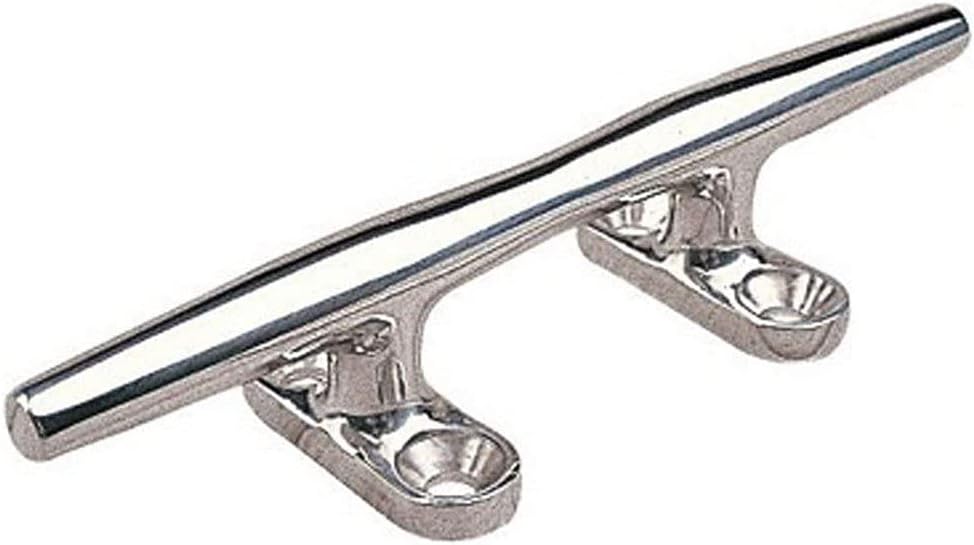
Sea-Dog 041606-1 Open Base Cleat, 6 in
General-purpose docking cleat on boats using 3/8 in lines
The Sea-Dog 041606-1 is a straightforward choice for replacing or adding docking cleats on small to mid-size boats using 3/8 inch lines. The open base is the practical detail: you can feed a spliced eye through the gap and over the horns without tying a knot. Bigger boats using 1/2 inch line should look at an 8 inch cleat instead. Budget for through-bolts and a backing plate.
- Model
- 041606-1
- Length
- 6 in
- Type
- Open base horn cleat
- Suits line
- About 3/8 in by the common sizing guideline
Pros
- Open base lets you pass an eye splice through
- Classic shape that is quick to cleat
- Sea-Dog is a widely stocked marine hardware brand
Cons
- Stands proud of the deck, so it can snag toes and sheets
- Fasteners and backing plate are usually separate
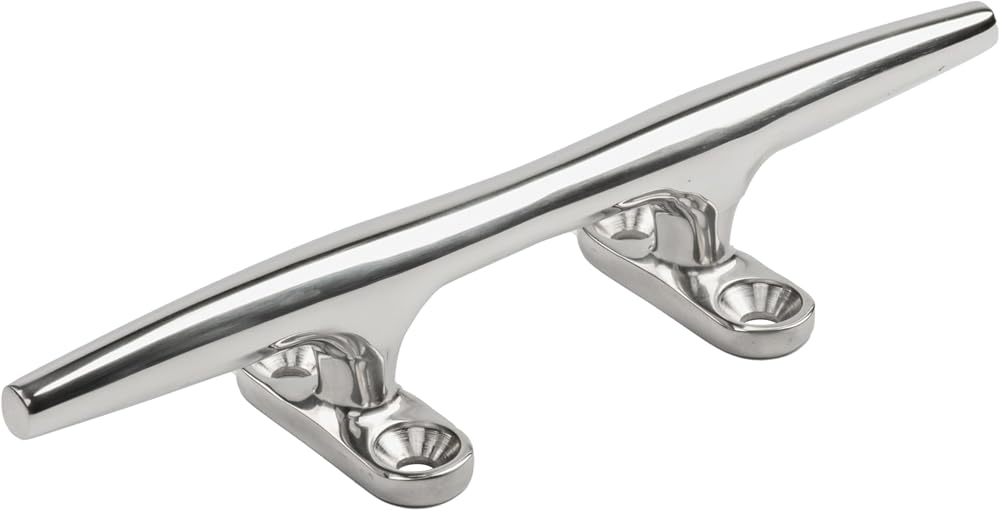
Whitecap 6010C Hollow Base Cleat, 8 in
Strong, tidy cleats for 1/2 in dock lines
Choose the Whitecap 6010C for the main docking positions on boats from about 28 to 35 feet using 1/2 inch lines. The 8 inch length leaves room for proper turns, and the hollow base looks clean. The trade-off is that you cannot drop an eye splice through the base, so eye lines must go over the horns or be cleated with turns. Use a generous backing plate.
- Model
- 6010C
- Length
- 8 in
- Type
- Hollow base horn cleat
- Material
- Stainless steel
Pros
- 8 in length suits 1/2 in lines with room for turns
- Hollow base gives a clean appearance
- Whitecap is common in marine chandleries
Cons
- You cannot lead a line through the base
- Larger footprint needs a larger backing plate
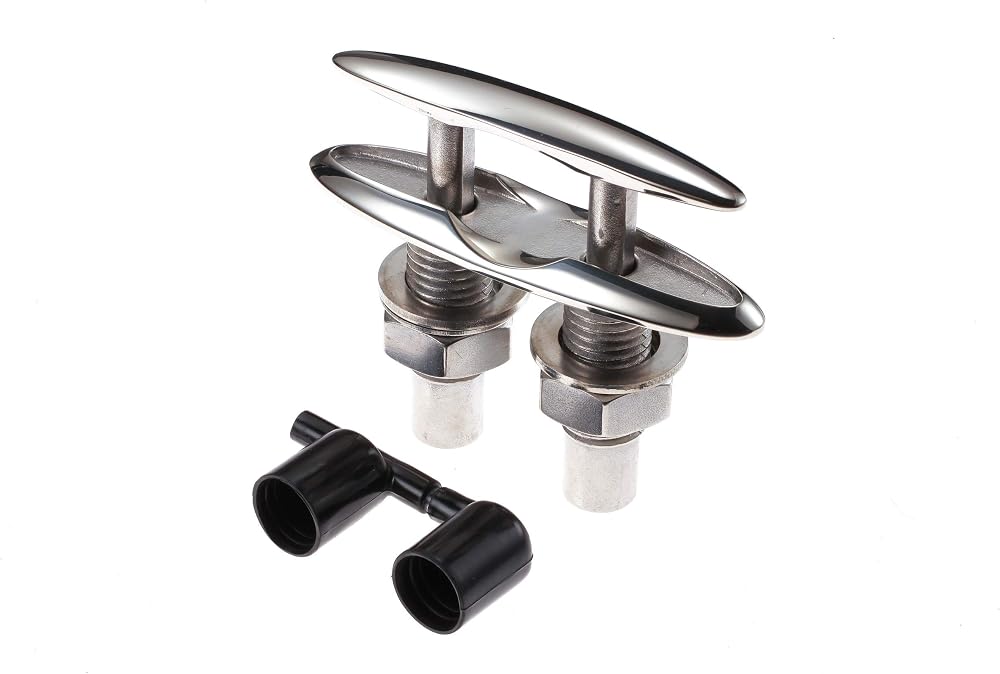
Attwood 66517-1 Retractable Pull-Up Cleat, 6 in
Clean decks where a fixed cleat would trip people or snag lines
Pull-up cleats like the Attwood 66517-1 suit narrow side decks, bow platforms and swim platforms where a fixed cleat becomes a trip hazard. When you need it, the cleat lifts up; when you don't, it sits flush. Installation is more work, because you cut a hole for the body, and you must seal the deck core carefully. Choose the 8 inch 66519-1 for 1/2 inch lines.
- Model
- 66517-1 (8 in version 66519-1)
- Length
- 6 in
- Type
- Retractable, low-profile pull-up
- Material
- Stainless steel
Pros
- Sits nearly flush when not in use
- Fewer stubbed toes and snagged sheets
- Available in 6 in and 8 in sizes
Cons
- Needs a cutout in the deck, so installation is more involved
- Moving parts can trap grit and need occasional cleaning
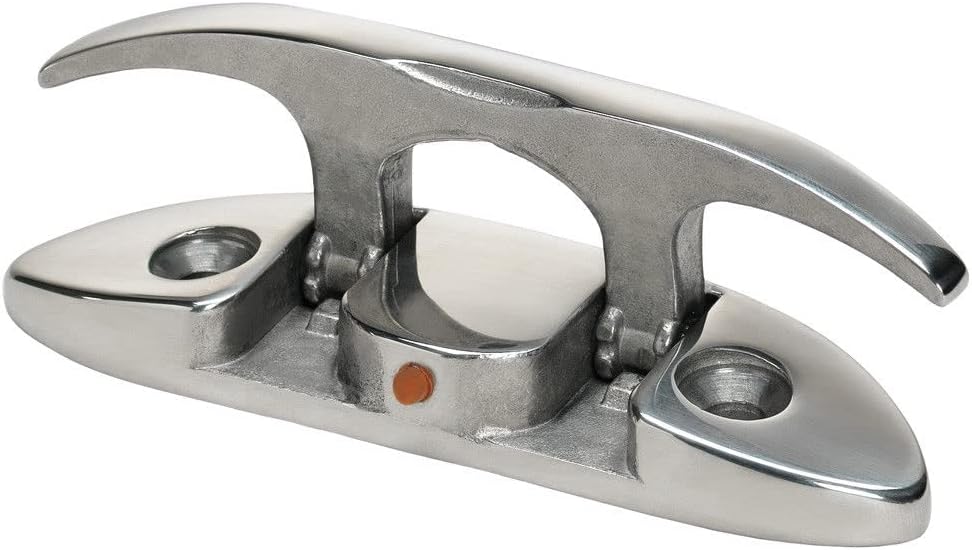
Whitecap 6746C Folding Cleat, 6 in
Gunwales and transoms where a cleat should lie flat
The Whitecap 6746C is a good compromise between a fixed cleat and a pull-up: it mounts on the surface like a normal cleat but folds flat when not in use. That makes it popular on gunwales, transoms and pontoon decks. For heavy mooring loads in exposed slips, a fixed cleat with no hinge is the stronger choice.
- Model
- 6746C (4-9/16 in version 6744)
- Length
- 6 in
- Type
- Folding / flip-up
- Material
- Stainless steel
Pros
- Folds flat when not in use
- Surface mount, so no large deck cutout
- Smaller 6744 version for dinghies
Cons
- Hinge is a potential weak point under shock loads
- Can rattle when folded unless snug
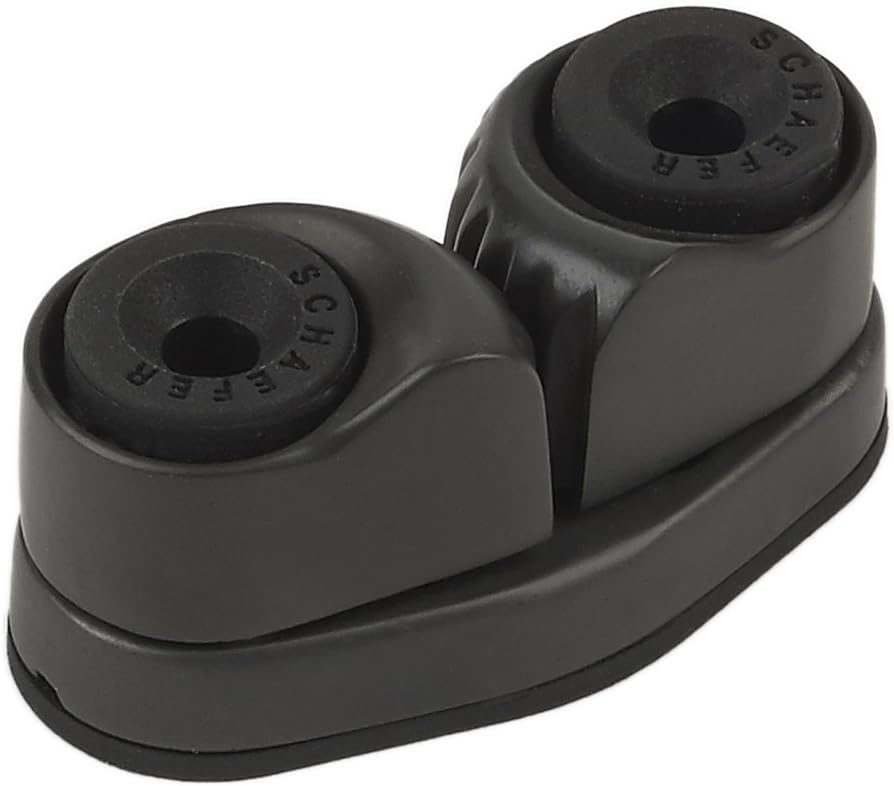
Schaefer Fast Entry Cam Cleat
Sheets and control lines on small sailboats, not docking
This is the odd one out: a cam cleat for running rigging, included because many sailors searching for cleats actually need one for a jib sheet or control line. The Schaefer Fast Entry lets you drop a line into the jaws quickly and release it with an upward pull. Match the size to your line diameter using the maker's chart, and never use it to tie up the boat.
- Type
- Cam cleat with fast-entry fairlead
- Sizes
- Small and Large
- Use
- Running rigging: sheets, vang, outhaul
- Brand
- Schaefer Marine
Pros
- Grabs and releases lines with one hand
- Fairlead helps lines drop into the cams
- Schaefer is a long-established sailboat hardware maker
Cons
- Not suitable for dock or mooring lines
- Cam teeth wear on hard or very slippery line
How to choose
| Product | Typical price | Best for | Key detail |
|---|---|---|---|
| Sea-Dog 041606-1 Open Base Cleat, 6 in | Typically $15–$30 each | General-purpose docking cleat on boats using 3/8 in lines | 6 in open base, good for 3/8 in line |
| Whitecap 6010C Hollow Base Cleat, 8 in | Typically $25–$45 each | Strong, tidy cleats for 1/2 in dock lines | 8 in hollow base, good for 1/2 in line |
| Attwood 66517-1 Retractable Pull-Up Cleat, 6 in | Typically $30–$60 each | Clean decks where a fixed cleat would trip people or snag lines | Low-profile retractable cleat |
| Whitecap 6746C Folding Cleat, 6 in | Typically $20–$40 each | Gunwales and transoms where a cleat should lie flat | Surface-mount folding cleat |
| Schaefer Fast Entry Cam Cleat | Typically $25–$50 | Sheets and control lines on small sailboats, not docking | Quick-release cleat for sailboat sheets |
Prices vary by size, color and seller. Some Amazon links open a model search; others lead to an identified listing. Confirm the exact size, part number, seller and checkout total before buying.
Budget tiers: what is worth paying for?
Low cost: generic 316 stainless open-base cleats are cheap and fine for many uses, provided the grade is clearly stated and you install them with proper backing plates.
Mid-range: Sea-Dog and Whitecap fixed and folding cleats are the standard choice, with clear model numbers and wide availability for matching sets.
Higher cost: pull-up cleats cost more and take more installation work, but pay off on decks where people walk and lines run.
Related Sailboat Atlas guides
- Best dock lines and how to size them
- Marine sealants for bedding deck hardware
- Best boat fenders
- Sailboat furling systems
Specification-led editorial shortlist based on manufacturer and listing information, not hands-on testing. Reviewed October 2026.
Frequently asked questions
What size cleat do I need?
A common guideline is about 1 inch of cleat length for every 1/16 inch of line diameter. That means about 6 inches for 3/8 inch line, 8 inches for 1/2 inch line and 10 inches for 5/8 inch line.
Are open base cleats better than hollow base?
Open base cleats are more versatile because you can pass a line or eye splice through the base. Hollow base cleats look cleaner and hide fasteners. Both are strong when properly installed.
Do boat cleats need backing plates?
Yes, for any cleat that holds dock or mooring lines. A backing plate spreads the load under the deck so a surge cannot pull the cleat and part of the deck out.
Should I use 316 or 304 stainless cleats?
316 stainless resists saltwater corrosion better than 304 and is the usual choice for marine hardware. Check the grade on the listing, especially for boats in salt water.
Are pull-up cleats strong enough for docking?
Quality pull-up cleats are designed for docking loads when installed correctly. Size them to your line and install them with proper backing and core sealing.
How do I stop water getting into the deck around a cleat?
Drill oversize, remove the core around the hole, fill with thickened epoxy, then redrill. Bed the cleat with a marine sealant so water cannot reach the core.
Related guides
 Anchoring
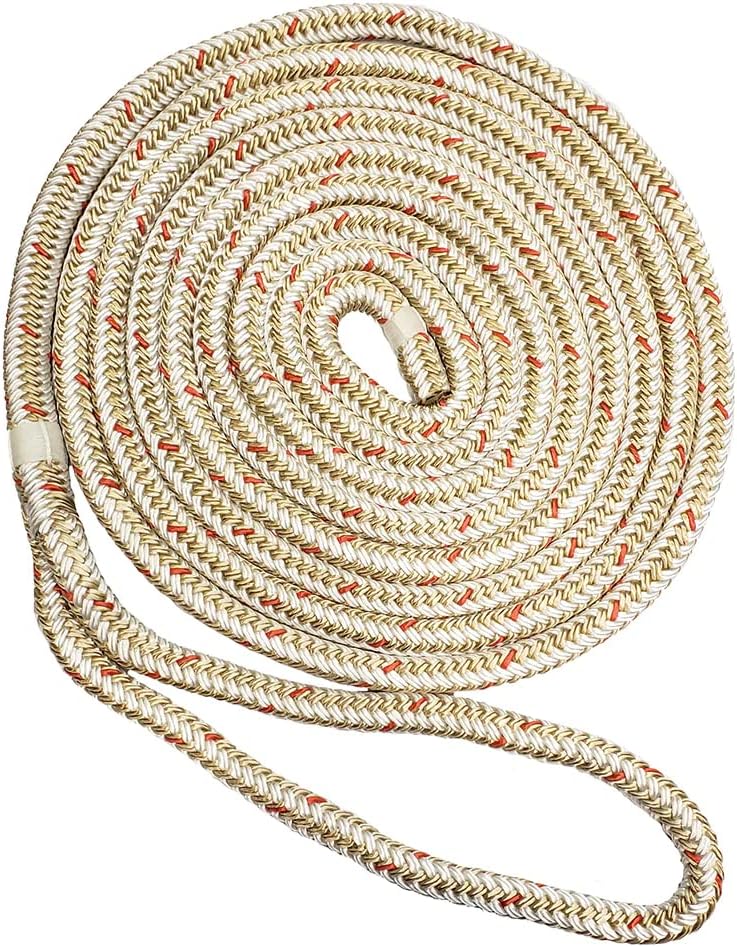
Best Dock Lines and Mooring Lines for Sailboats
Choose the best dock lines for your boat: nylon double braid vs three-strand, diameter and length by boat size, chafe protection and top picks.
 Anchoring
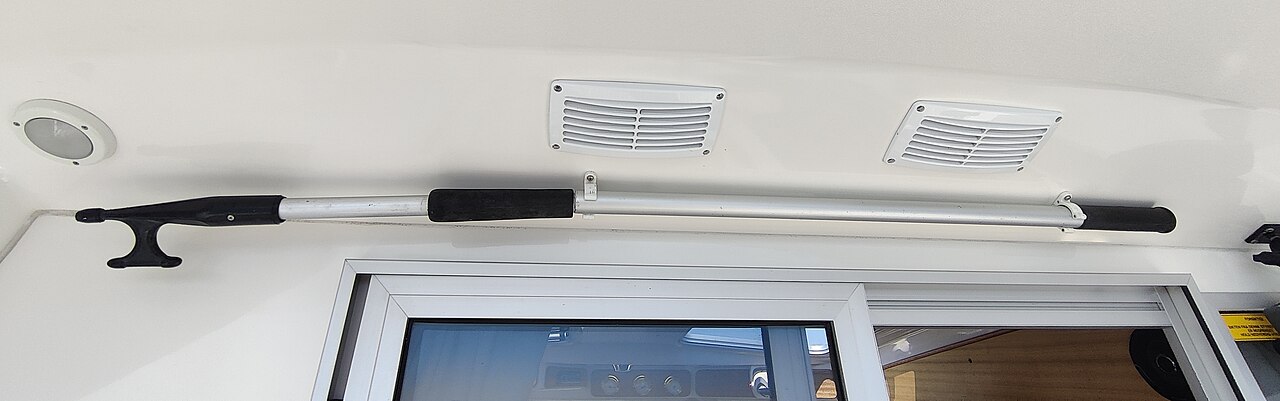
Best Boat Hooks: Telescoping Hooks for Docking
Length, locks, hook shapes and floating designs for docking and mooring pickups.
 Anchoring
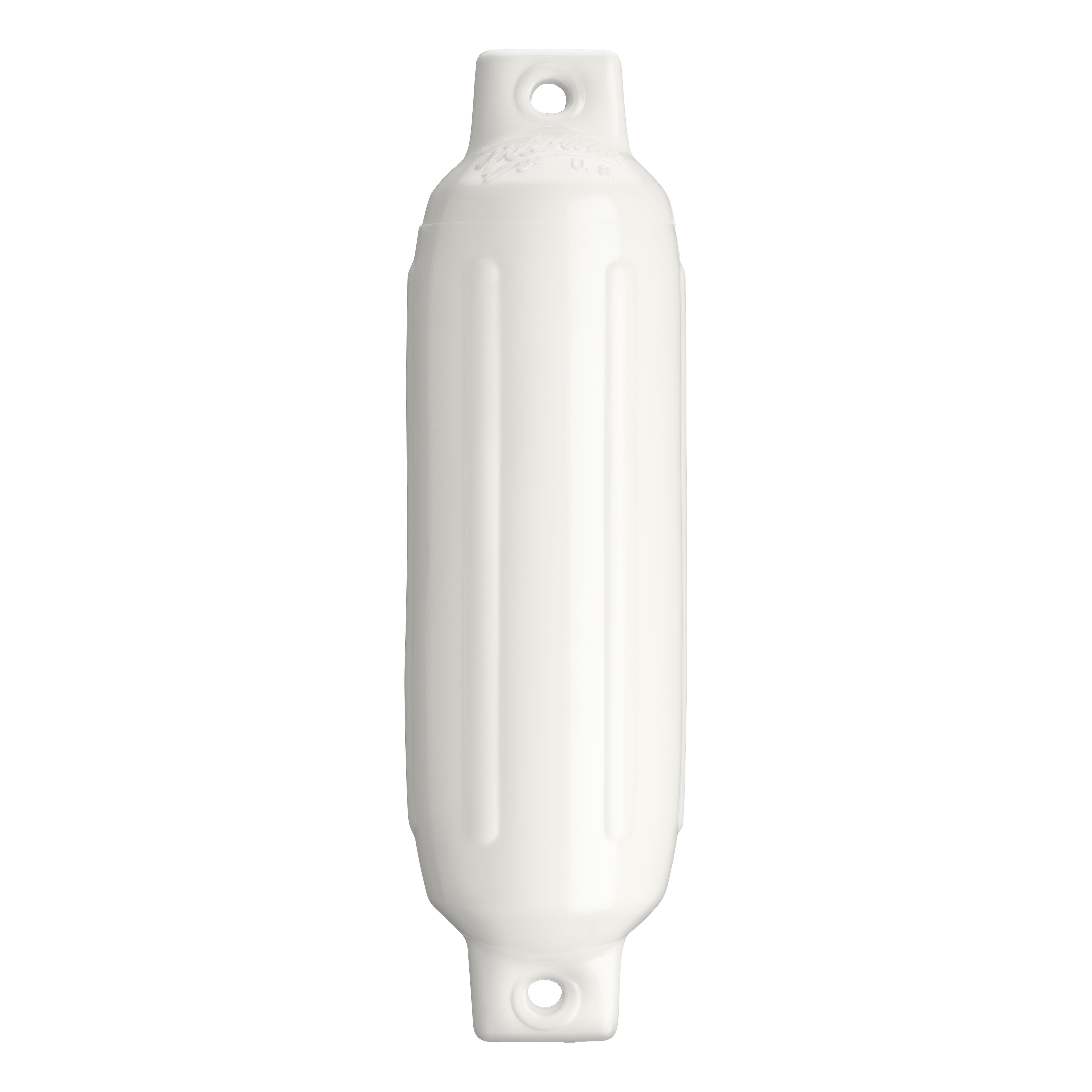
Best Boat Fenders for Sailboats
Fender sizing by boat length, cylindrical vs ball vs flat fenders, hanging height, lines and top picks.
 Anchoring
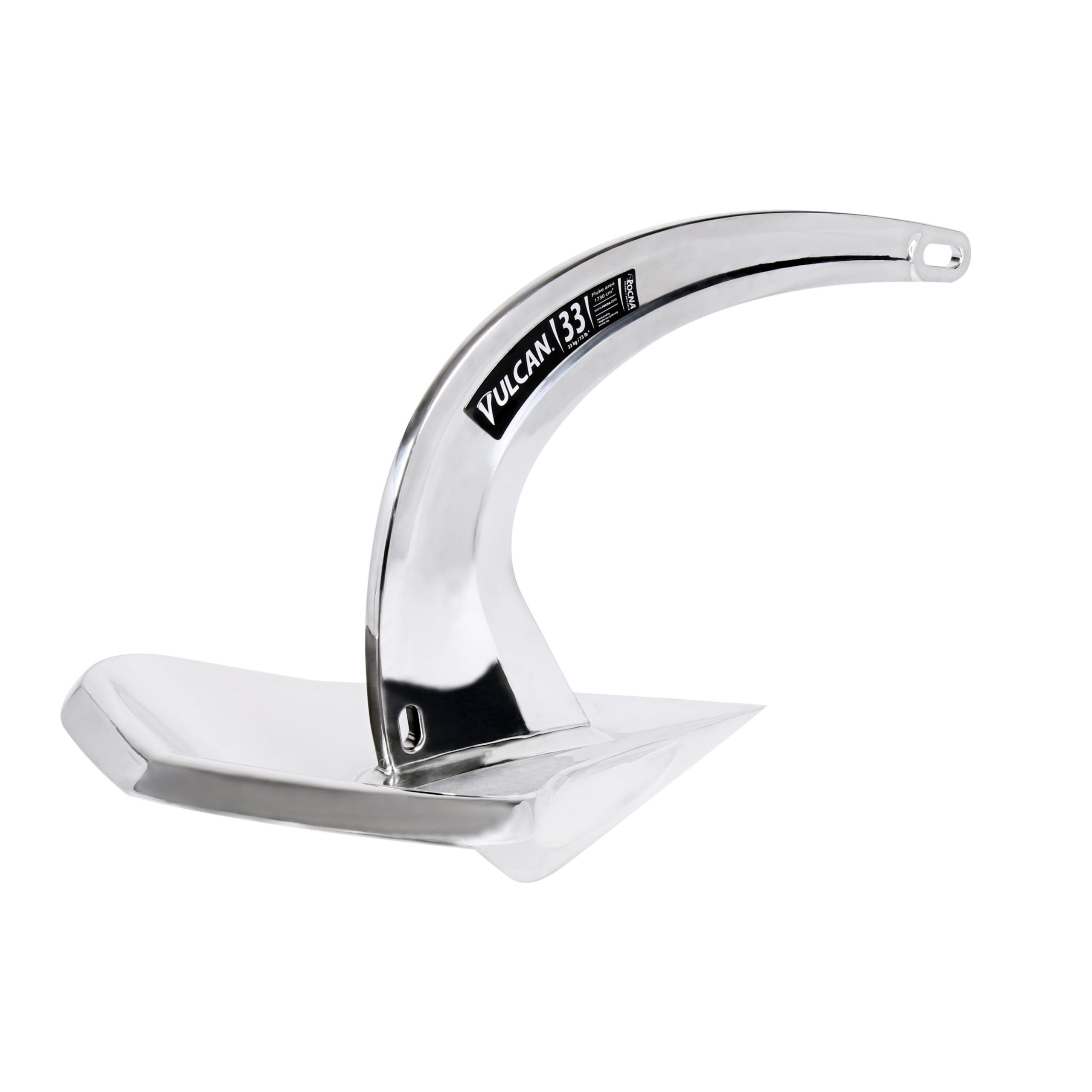
Best Anchors and Anchor Windlasses for Sailboats
Modern anchor and windlass picks that hold hard and lift reliably — Rocna, Mantus, Spade, Lewmar, Maxwell.
Looking for more gear guides? Browse all our gear recommendations or the full guides index.