Best Lithium Batteries for Sailboats
A lithium house bank is the upgrade that unlocks silent power, faster charging, and dramatically more usable energy from the same locker space. Here's how to choose one — and the batteries we'd install today.
Sailboat Atlas may earn a commission from qualifying purchases made through links on this page, at no extra cost to you.
Why LiFePO4 for a sailboat
Lithium iron phosphate (LFP) chemistry gives you roughly double the usable capacity of AGM for the same weight, 3–5x the cycle life, and the ability to accept high charge currents (crucial when you're charging off a genset or engine alternator for a limited time). The only reasons NOT to switch to lithium are budget and charger compatibility — modern MPPTs, alternator regulators, and shore-power chargers all support LFP profiles, so the ecosystem has caught up.
Drop-in vs. system approach
Drop-in batteries (Battle Born, Renogy, Dakota, Epoch) have the BMS built in — you literally swap them for lead-acid batteries. System batteries (Victron) require an external BMS but give you finer control, better monitoring, and cleaner integration with the rest of the electrical system. Choose drop-in if you want a fast, simple upgrade; choose system if you're redesigning the electrical system from scratch or already deep in the Victron ecosystem.
Cold-weather charging
LFP cells cannot be charged below freezing without permanent damage. Some batteries handle this with a heater built into the case (Epoch, HeatedBattleBorn); others simply cut off charging until the cells warm up (Dakota). If you sail high latitudes, this is a critical spec.
Alternator protection
A stock engine alternator connected directly to a lithium bank will happily run at 100% output until it burns out — the batteries accept everything the alternator can deliver. Install a proper alternator regulator (Balmar MC-618, Wakespeed WS500) or a DC-DC charger, or plan for a new alternator sooner than you'd like.
Our picks
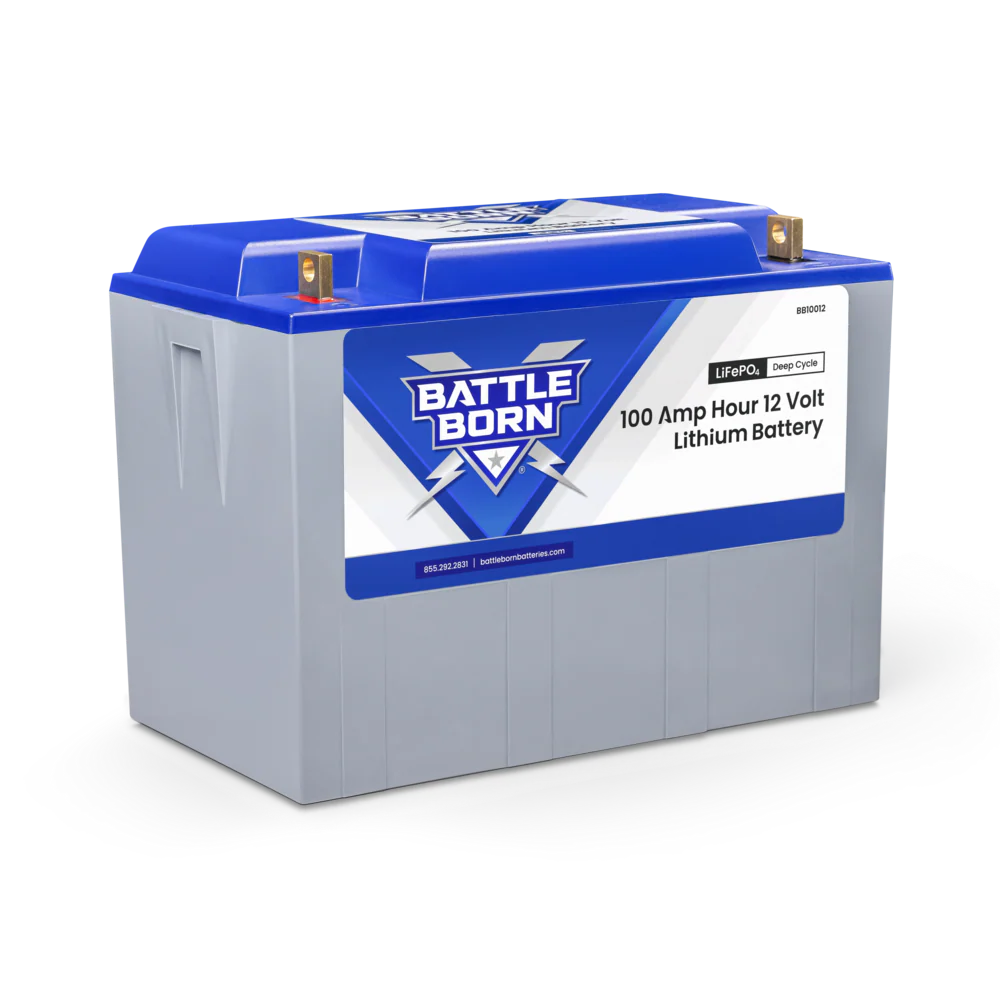
Battle Born 100Ah 12V LiFePO4
Best overall drop-in replacement
Battle Born is the LFP battery that made drop-in lithium mainstream for cruising sailors. Buy four of these to replace a 400Ah lead-acid house bank and you've done 90% of a lithium conversion with no wiring changes, no external BMS, and no compatibility gotchas with your existing charger (as long as it's set to AGM/Gel/Custom profile with correct voltage). The 10-year warranty is unusual and reflects real confidence in the cells — most competitors offer 3–5 years. If you want the simplest possible upgrade from AGM to lithium and you don't want to become a battery engineer, this is the answer.
- Capacity
- 100Ah usable at 12.8V nominal (1,280 Wh)
- BMS
- Internal 100A BMS with low/high voltage cutoff, over-current, and short-circuit protection
- Warranty
- 10-year limited warranty — the longest in the marine drop-in category
- Typical price
- $900–$1,000 per battery
Pros
- Genuine drop-in for group 27/31 lead-acid sizes; no cabinet modification required
- Built-in BMS handles the vast majority of protection needs without external components
- Excellent customer support out of Reno, NV — real humans answer real questions
- 10-year warranty is real and honored; long-term cost per kWh is competitive with anything on the market
Cons
- Charging in freezing temperatures requires an external heater or cold-charge protection (the newer HeatedBattleBorn addresses this)
- Internal BMS means the battery decides when to shut off — you can't override it in an emergency
- Made in USA cell-assembly premium; not the cheapest LFP option per Ah

Victron Lithium Smart 200Ah
Best for integrated Victron systems
For sailors already running Victron inverters, MPPTs, and monitoring, adding Victron Lithium Smart batteries makes the whole system behave like a single coherent product. The Cerbo GX gives you cell-level visibility, remote monitoring over VRM, and the ability to script complex behaviors (shut off the fridge when SoC drops below 30%, shed non-essential loads before the inverter, etc.). This is not the right buy if you just want to swap batteries and be done — but if you're building or overhauling an integrated electrical system, it's the platform that scales best.
- Capacity
- 200Ah at 12.8V (2,560 Wh) per battery
- BMS
- External Victron BMS required; system-level protection and cell balancing
- Warranty
- 5-year limited (10-year with proper BMS installation and registration)
- Typical price
- $2,800–$3,400 per battery + BMS/contactor
Pros
- Deep integration with Victron inverters, MPPT controllers, Cerbo GX, and VE.Bus — full system visibility on one screen
- External BMS gives you granular control over charge sources, load-shedding, and cell-level monitoring
- Modular scalability to very large banks (600+ Ah) with predictable performance
- Best-in-class monitoring: cell voltages, temperatures, SoC, and cycle counts all visible remotely
Cons
- Requires proper Victron BMS + Cerbo + Lynx setup to hit rated performance — this is a system, not a drop-in
- System-level cost is significantly higher than drop-in batteries once you add all required components
- Installation is a real project — plan on professional installation or a serious DIY weekend

Renogy 100Ah 12V Smart LiFePO4
Best budget drop-in
Renogy has become the go-to budget lithium brand because the batteries actually work. You're not getting Battle Born's warranty or Victron's system integration, but for a cruiser who wants to double their usable battery capacity for the cost of a set of premium AGMs, this is the practical answer. Two Renogys give you the same usable energy as four AGMs at similar weight — and unlike AGMs, you can discharge them to 20% without shortening their life significantly.
- Capacity
- 100Ah at 12.8V (1,280 Wh)
- BMS
- Internal BMS with Bluetooth monitoring app
- Warranty
- 5-year limited
- Typical price
- $450–$650 per battery
Pros
- Roughly half the cost per Ah of Battle Born and comparable name-brand LFP batteries
- Bluetooth app shows SoC, voltage, current, and cell balance from your phone
- Standard group 31 form factor drops into most existing marine battery boxes
- The BMS handles standard protection well and is proven across many RV and marine installations
Cons
- Warranty is shorter than Battle Born; customer service reviews are mixed for out-of-warranty issues
- No heated variant — cold-charge management is on you
- Bluetooth-only monitoring; no NMEA 2000 or CAN integration for helm displays
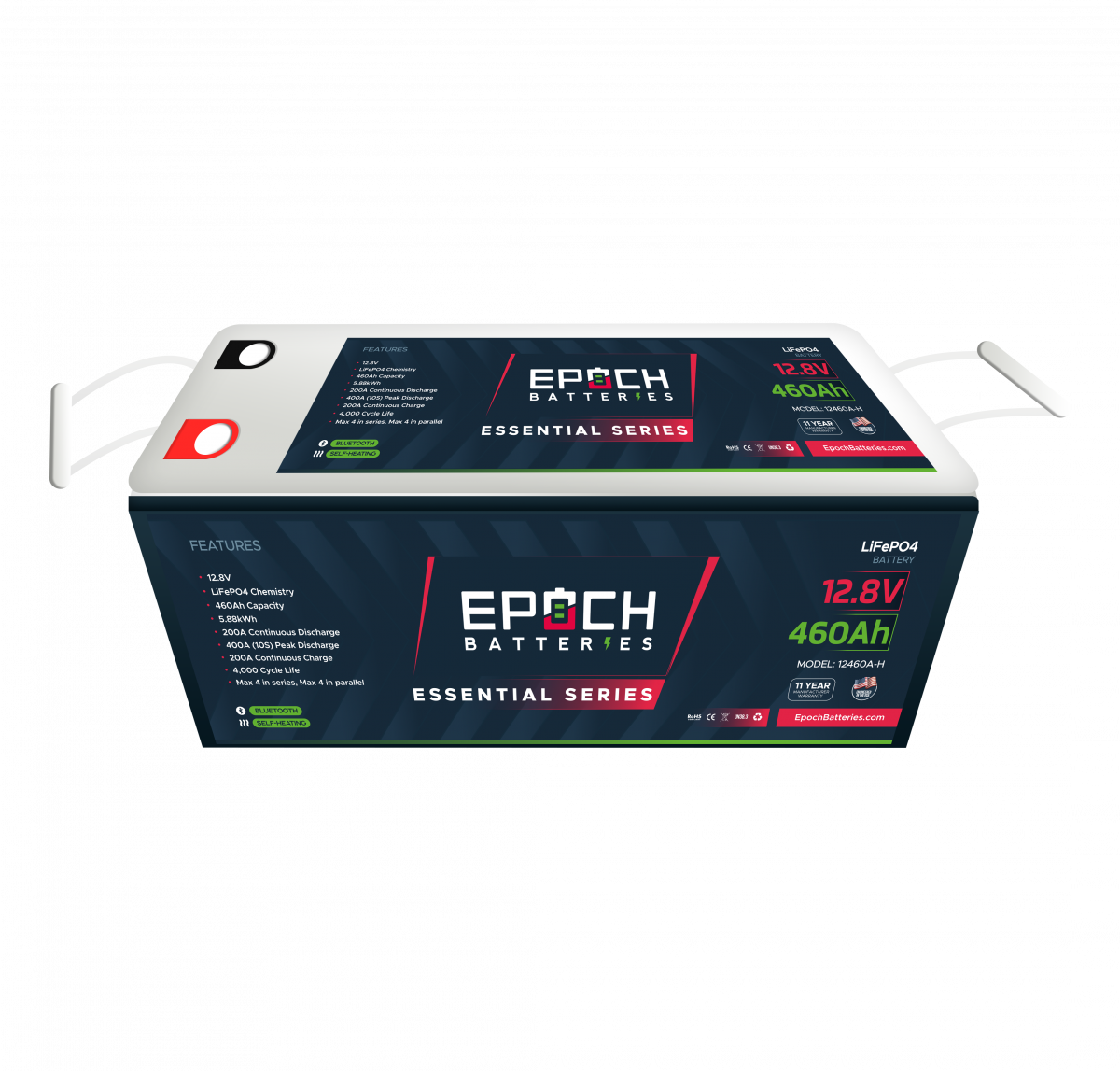
Epoch Essentials 460Ah 12V (Bluetooth + Heat)
Best single-battery high-capacity
Epoch's 460Ah single-case battery is a compelling answer for cruisers who want a big house bank without wiring four smaller batteries in parallel. The self-heating cells handle cold-weather charging without external kit, and 250A continuous discharge means you can run a 3000W inverter directly off one battery. The main tradeoff is redundancy — with a bank of four smaller batteries, one failure loses 25% of capacity; with this single unit, one BMS event takes you offline entirely. For a coastal cruiser with a genset or engine-charging backup, that's an acceptable tradeoff for the simplicity and space savings.
- Capacity
- 460Ah at 12.8V (5,888 Wh) in a single case
- BMS
- Internal 250A BMS, self-heating cells for cold-charge safety, Bluetooth monitoring
- Warranty
- 11-year limited
- Typical price
- $1,900–$2,400
Pros
- One battery replaces an entire lead-acid house bank on many cruisers — massive footprint savings
- Self-heating cells solve the freeze-charge problem elegantly, no external heater needed
- Very high continuous discharge (250A) supports large inverters directly
- Excellent Ah-per-dollar ratio at this capacity tier
Cons
- Single-battery designs concentrate risk — if the BMS trips, you lose everything at once
- Heavy and awkward to move into place during install (~100 lbs)
- Limited third-party integration; the ecosystem is smaller than Victron or Battle Born
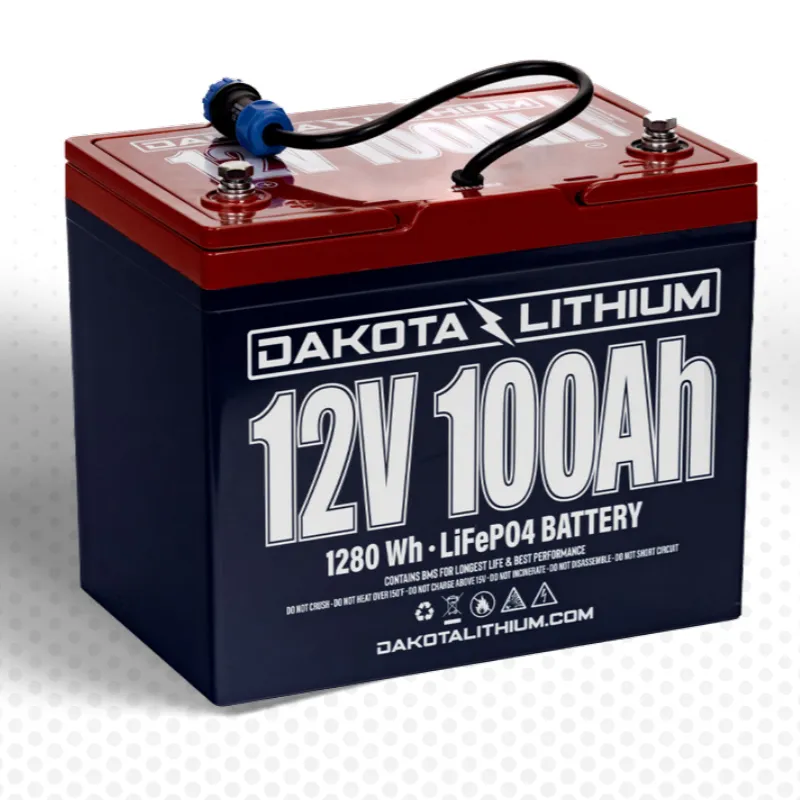
Dakota Lithium 100Ah 12V
Best cold-weather / high-cycle performer
Dakota Lithium is the LFP brand that's earned a following among sailors cruising Alaska, the Great Lakes, and the Baltic — anywhere the batteries might see freezing temperatures. The 3,000+ cycle life rating is real; owners with 5+ years of daily-cycle use report negligible capacity loss. If your cruising takes you into cold water and cold air, this is the drop-in to specify. For warm-water cruisers, it's a solid choice but not obviously better than Battle Born.
- Capacity
- 100Ah at 12.8V (1,280 Wh)
- BMS
- Internal BMS with low-temperature charge cutoff
- Warranty
- 11-year limited
- Typical price
- $1,000–$1,200
Pros
- Rated for 3,000+ deep-cycle discharges — the highest cycle life claim in this list
- Low-temperature charge cutoff is stricter than most competitors, protecting cells from damage
- Wide temperature operating range makes this a favorite for high-latitude and winter-sailing cruisers
- Solid US-based warranty support with a responsive service team
Cons
- Charge cutoff at low temps means no charging until cells warm up — plan around it in cold climates
- Slightly higher price than Battle Born without matching name recognition
- No Bluetooth monitoring on the standard model
Frequently asked questions
Do I need to replace my charger for lithium?
Most modern marine chargers (Victron, Sterling, Mastervolt, Blue Sea, ProMariner) support lithium profiles. Older chargers with only AGM/Gel/Flooded profiles usually work if set to AGM/Custom with correct voltages, but check the manual.
How much lithium capacity replaces my lead-acid?
Since LFP is usable down to ~20% SoC vs. ~50% for lead-acid, roughly 60% of the nameplate Ah gives you equivalent usable energy — but most cruisers upsize while they're at it.
Are lithium batteries safe on a boat?
LiFePO4 chemistry is far more thermally stable than the lithium-ion in laptops and EVs — it will not thermal-runaway under normal fault conditions. Follow ABYC installation practices for fusing, cable size, and ventilation, and it's arguably safer than a large flooded lead-acid bank.
More gear guides
Related guides
 Power
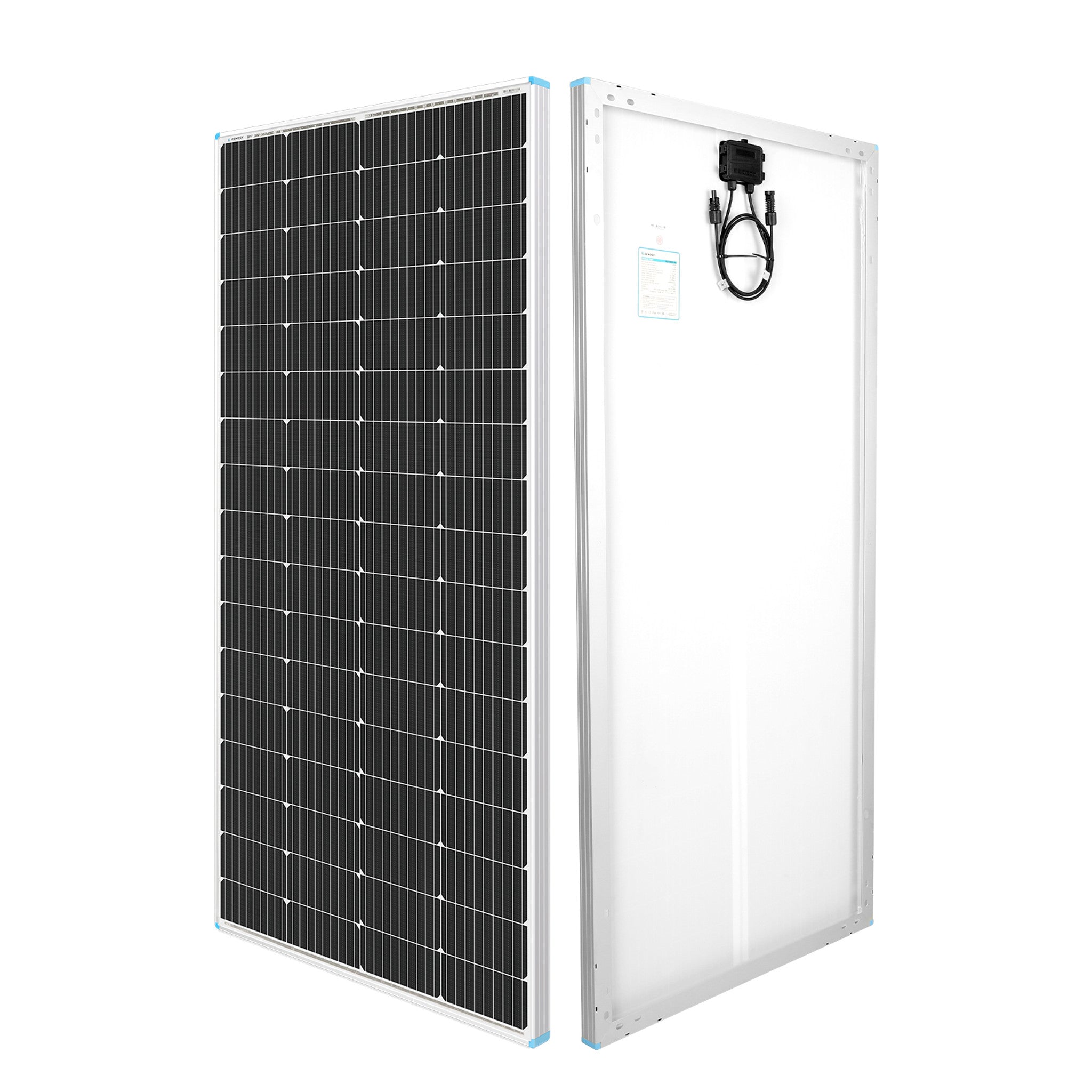
PowerMarine Solar Panels for Sailboats
Rigid vs flexible marine solar panels, how to size an array for your house bank, and top picks for cruising sailors.
 Power
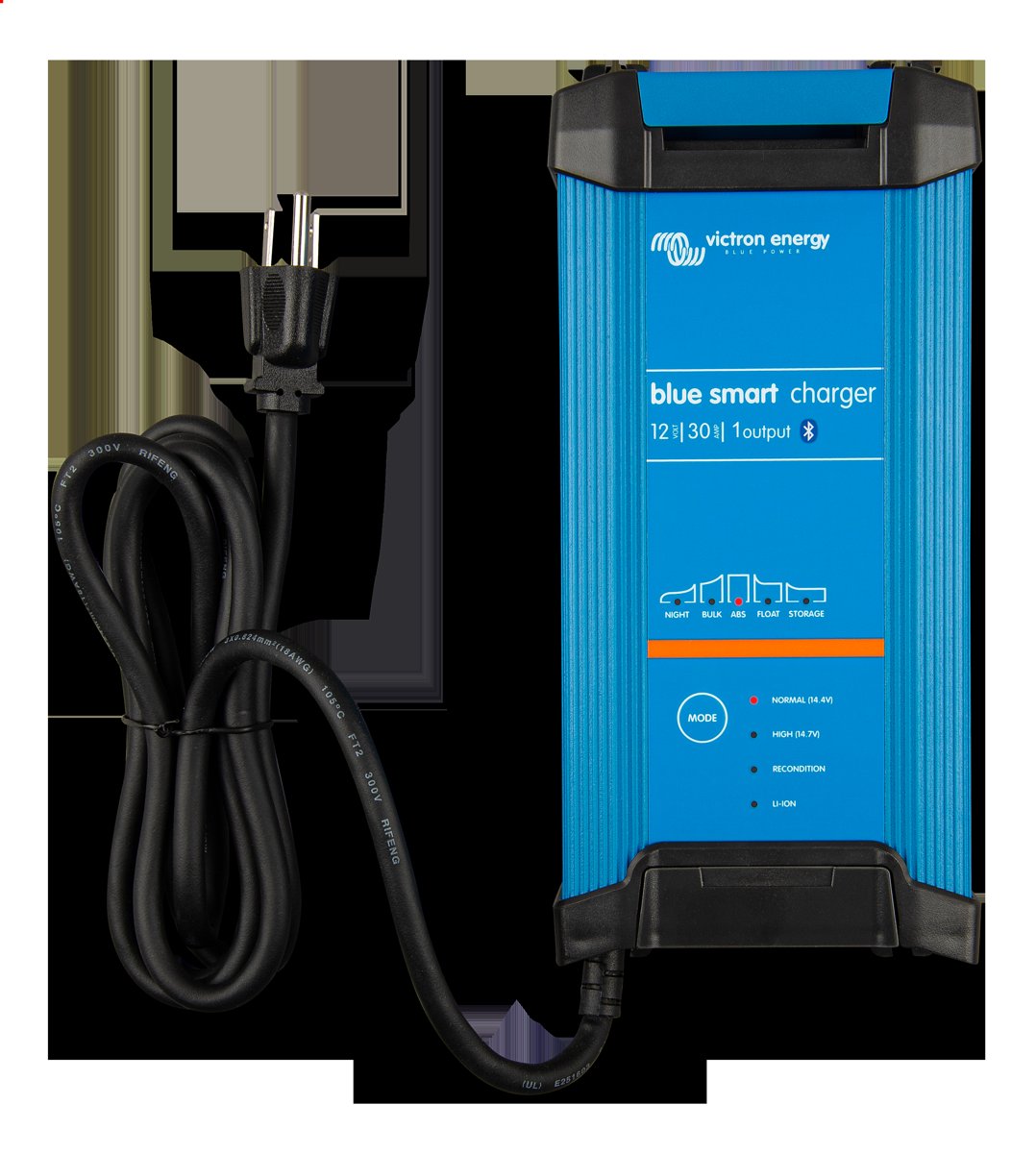
PowerBest Marine Battery Chargers and DC-DC Chargers
Shore-power chargers and DC-DC chargers compared — sizing output to your bank, lithium profiles, wiring and top picks.
 Power
PowerSailboat Solar Sizing: How Many Watts You Actually Need
How to size marine solar with an amp-hour audit, sun-hour math, derating and shading, MPPT sizing, and worked examples for three cruising boats.
 Power
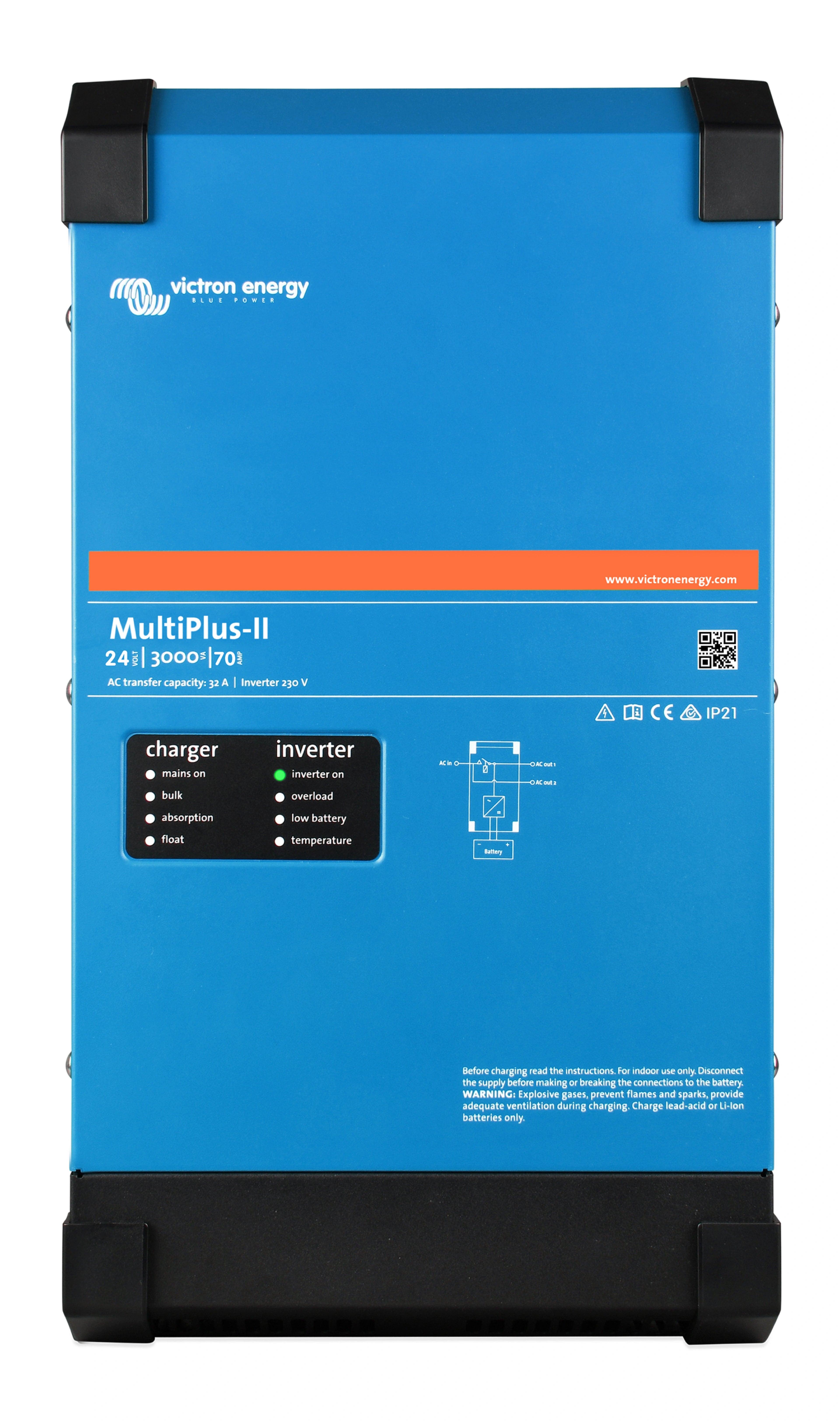
PowerMarine Inverter/Chargers: Victron vs Mastervolt vs Xantrex
How to choose a marine inverter/charger — sizing, LFP compatibility, integration, and the units we'd install today.