Marine Solar Panels for Sailboats
Solar has quietly become the primary charging source on most modern cruising sailboats. Done right, a 400–600W array covers the daily energy needs of a typical live-aboard boat between passages — fridge, autopilot at anchor, LED lighting, navigation electronics, and phone charging — without running the engine. Done wrong, you'll have expensive glass on your bimini making less power than it should. Here's how to size, choose, and install a solar array that actually pulls its weight.
Sailboat Atlas may earn a commission from qualifying purchases made through links on this page, at no extra cost to you.
Rigid vs flexible: which do you actually need?
Rigid mono panels are cheaper per watt, last longer (20+ years is realistic), and produce more power in real conditions because they dissipate heat better. Flexible panels are lighter, thinner, walkable, and can be adhered to curved surfaces — but they cost 3–5x more per watt and typically last 7–10 years before performance drops significantly.
Rule of thumb: rigid on an arch, davits, or hard dodger; flexible on bimini fabric, cambered decks, or classic-boat installations where aesthetics matter.
Sizing your array
For a typical cruising boat with LFP batteries, an efficient fridge, and no air-conditioning at anchor, plan on 400–600W of nameplate solar. Reality: in mid-latitude sailing you'll harvest roughly 3–5x the nameplate wattage in Wh per day (a 500W array yields 1,500–2,500 Wh). Undersize this and you'll run the engine to charge; oversize it and the extra cost pays back only if you regularly stay at anchor for weeks.
Shading is the silent killer
A single stay's shadow across one cell of a conventional panel can drop that panel's output by 50% or more. Wire panels in parallel (not series) unless you have a shade-optimizing MPPT, and plan the array layout to avoid the shadow of the boom, stays, and mainsheet during the hours you actually need charge (10 AM – 2 PM).
Our picks
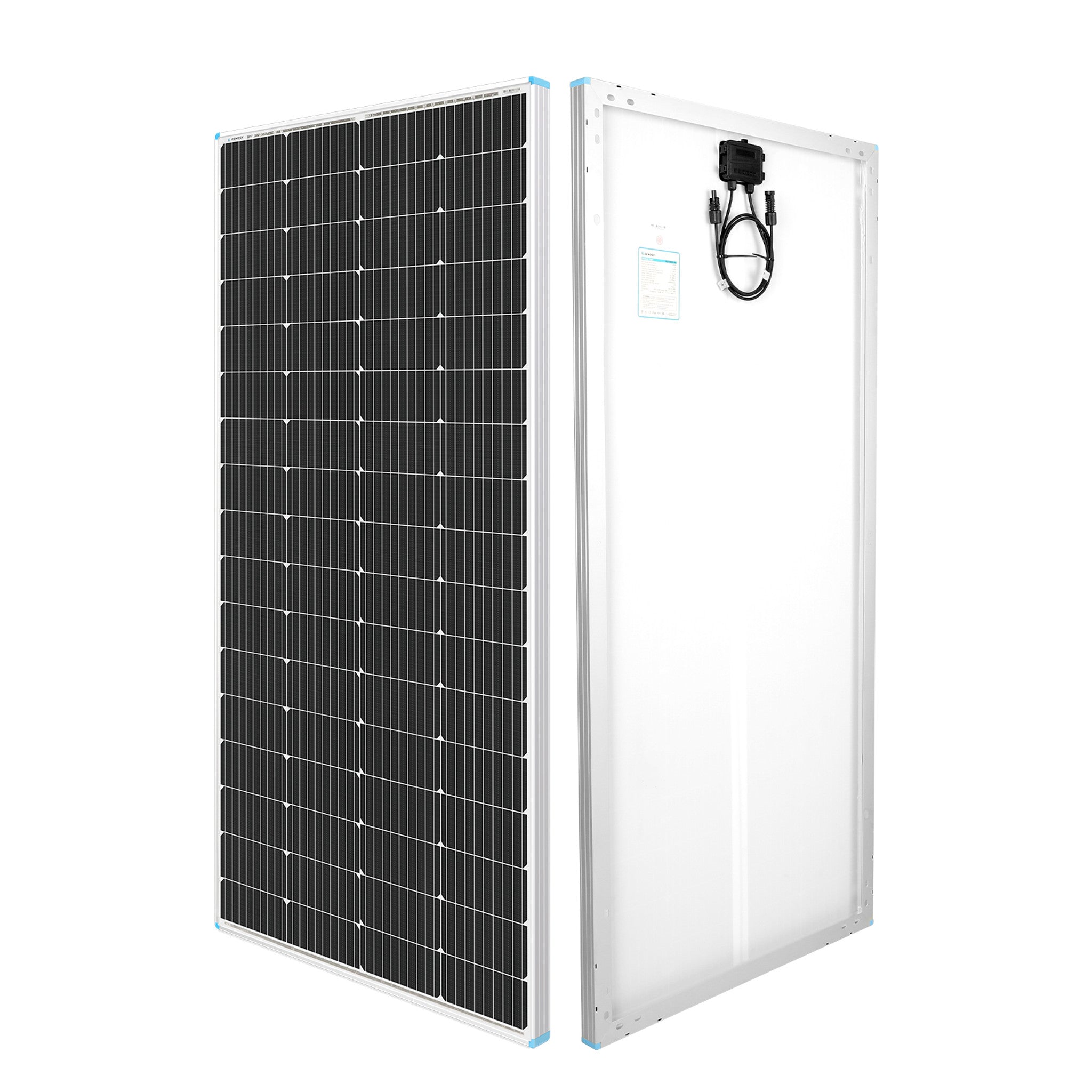
Renogy 200W Monocrystalline Rigid Panel
Best rigid panel for bimini / davit mounts
For most cruisers building a bimini, arch, or davit-mounted array, two or three of these panels deliver enough amps to keep a modern LFP house bank topped up in typical sailing conditions. The 25-year output warranty is meaningful — Renogy has honored claims on early panels — and the standard MC4 connectors mean any MPPT you already own will work. Not glamorous, but this is the panel most cruisers actually buy.
- Wattage
- 200W (nominal), Voc ~24.3V
- Dimensions
- 58.7 × 26.8 × 1.4 in
- Warranty
- 25-year power output, 5-year materials
- Typical price
- $180–$220
Pros
- Excellent watts-per-dollar for a name-brand mono panel
- IP68 junction box handles saltwater spray without complaint
- Compatible with any MPPT controller — no proprietary lock-in
Cons
- Rigid aluminum frame is heavy (~26 lb) and needs solid mounting hardware
- Standard panel — offers no advantage on partially shaded rigs vs. more expensive shade-tolerant options
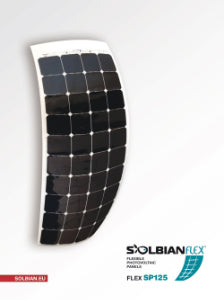
Solbian SP125 Flexible Panel
Best flexible panel for deck / bimini fabric
Solbian is what serious offshore cruisers install when a rigid arch isn't an option — race boats, classic yachts, or any boat where you want solar without changing the aesthetic. The SunPower cells inside are the same architecture used in space applications, and they tolerate the partial shading you get from booms, stays, and mainsheet blocks better than every commodity flex panel we've tested. Expensive, but if the alternative is no solar, this is the answer.
- Wattage
- 125W SunPower cells
- Dimensions
- 43.5 × 21.7 × 0.08 in (~2mm thin)
- Warranty
- 5-year performance, 2-year materials
- Typical price
- $700–$900
Pros
- Genuinely walkable — the only flexible panel most cruisers trust on foredecks
- SunPower back-contact cells maintain output better than cheap flex panels when partially shaded
- Weight (<4 lb) and 2mm profile let you mount on bimini fabric, coachroof, or hard dodger
Cons
- Roughly 4–5x the cost per watt of rigid panels
- Any flexible panel has a shorter service life than rigid — plan on 7–10 years, not 25
- Adhesive mounting on cambered surfaces is a real skill; do it wrong and you'll get delamination

Victron BlueSolar MPPT 100/30
Best MPPT controller to pair with your array
The MPPT is where cheap solar setups quietly lose 20–30% of their potential yield. Victron's BlueSolar and SmartSolar controllers extract the maximum from real-world arrays (partially shaded, hot cells, imperfect wiring) and integrate with the same Victron ecosystem you're probably already running. If you're not already Victron, the Epever Tracer AN series is a solid budget alternative — but you lose the system-level monitoring.
- Max PV
- 100V open-circuit, 30A output
- Battery
- 12/24V auto, LFP profile built in
- Monitoring
- VE.Direct + optional Bluetooth dongle
- Typical price
- $220–$260
Pros
- Handles ~440W of 12V array or ~880W at 24V — right-sized for most cruisers
- Integrates cleanly with Victron BMV / Cerbo / VRM for full-system monitoring
- Genuine LFP charge profile out of the box, no hacks required
Cons
- SmartSolar variant (Bluetooth built-in) is a better buy for most people at ~$40 more
- No display on the unit itself — you'll want the dongle or a Cerbo
How to choose
Start with the MPPT and battery bank; the panels are the last decision. If you already have a Victron ecosystem, stay in it — the monitoring integration is worth real money in troubleshooting time. Match panel voltage to your MPPT's input range, wire panels in parallel through a combiner box, and use minimum 6 AWG for the run to the controller.
For a first cruising boat, three 200W rigid panels on an arch plus a 100/30 MPPT is the tried answer. Fancy your setup up from there.
Frequently asked questions
Can I skip the MPPT and use a cheap PWM controller?
You can, but you'll lose 20–30% of your array's output and pay yourself back on a $40 controller in a few weeks of sailing. MPPT is not optional for a serious install.
How much solar do I need to run air conditioning at anchor?
AC at anchor typically requires 800–1500W continuous. Realistic solar sizing for AC is 2000W+ of panels plus a very large LFP bank — most cruisers use a genset or shore power for AC and reserve solar for the base load.
Do panels work under a bimini or sunshade?
No. Diffuse light gives you maybe 10% of rated output. Panels need direct sun on the cells; that's why they get mounted on top of the arch or bimini, not under it.
Related guides
- Power
Sailboat Solar Sizing: How Many Watts You Actually Need
How to size marine solar with an amp-hour audit, sun-hour math, derating and shading, MPPT sizing, and worked examples for three cruising boats.
 Power
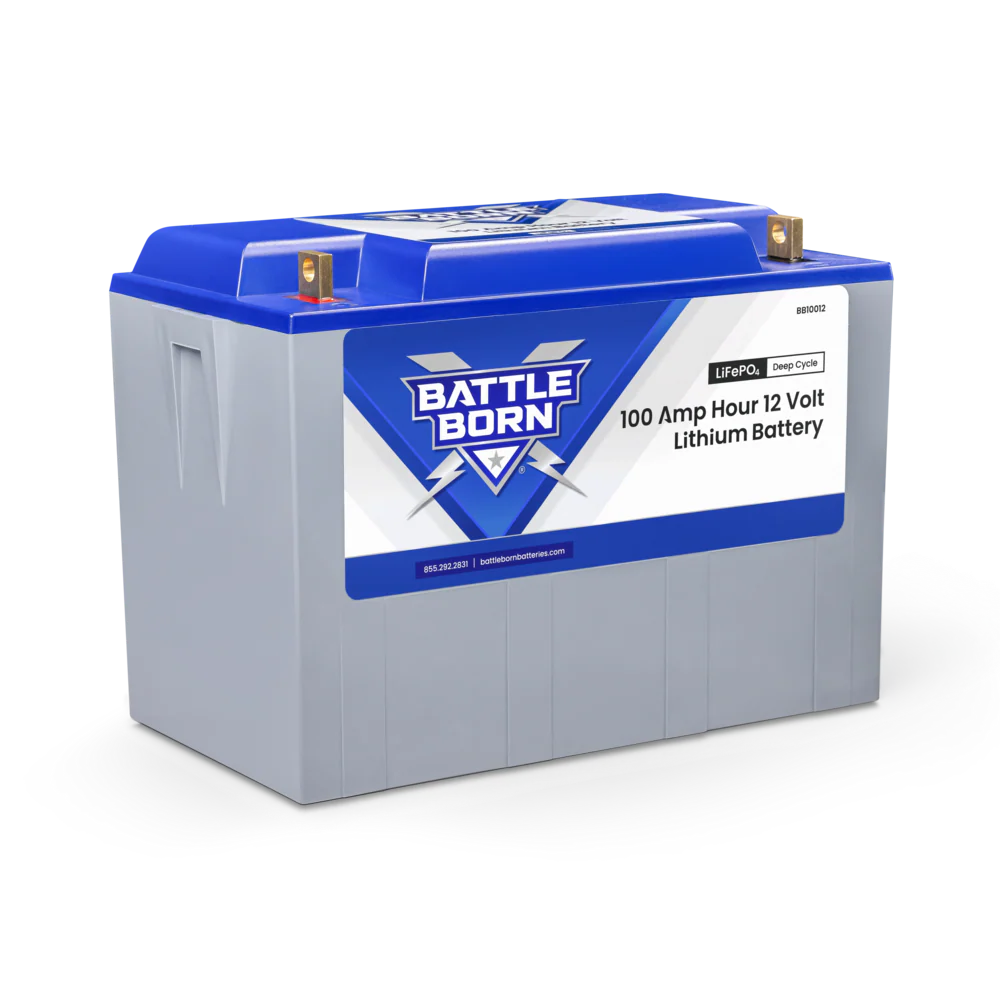
PowerBest Lithium Batteries for Sailboats
LiFePO4 house-bank picks and how to plan a lithium conversion — Battle Born, Victron, Renogy, Epoch, Dakota.
 Power
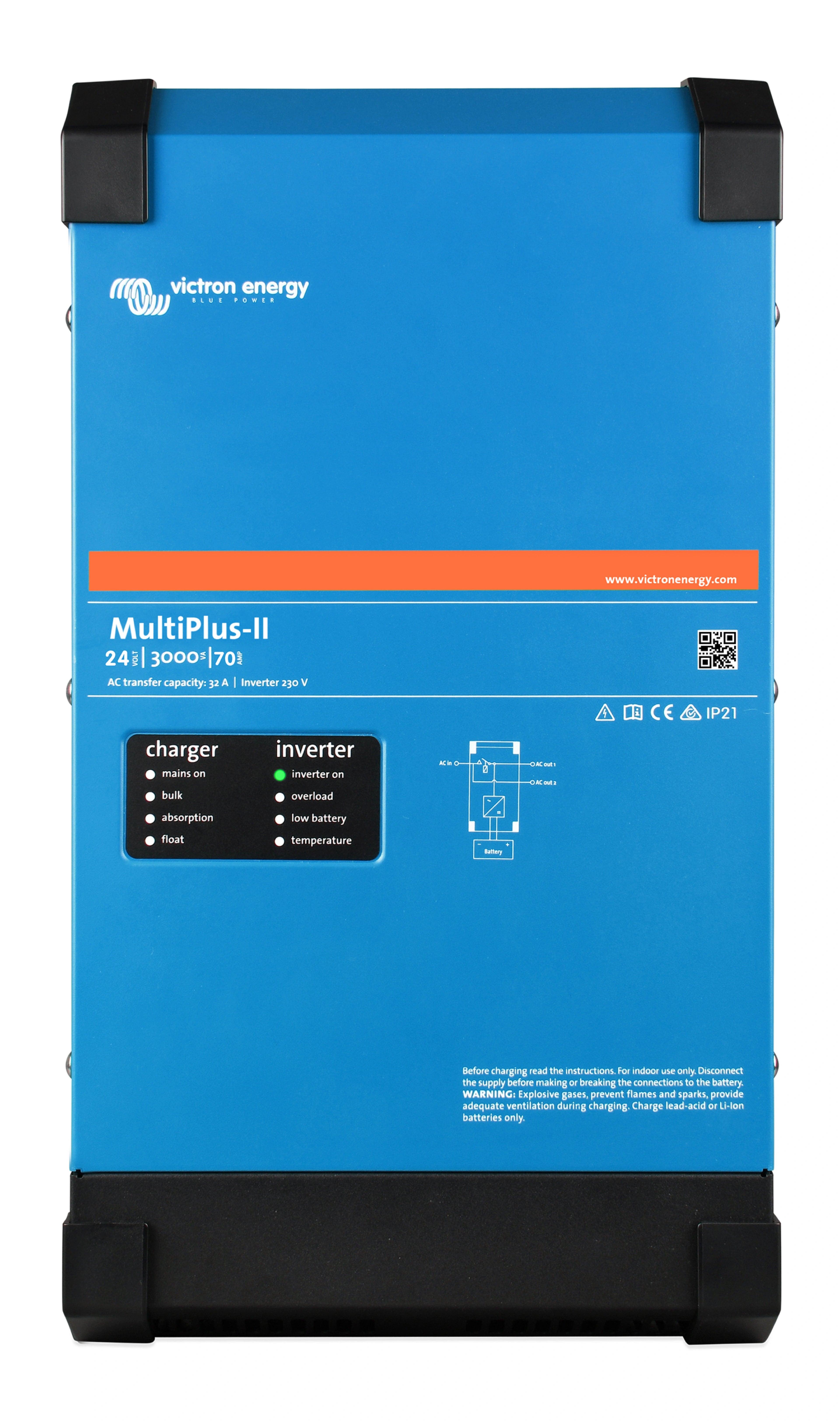
PowerMarine Inverter/Chargers: Victron vs Mastervolt vs Xantrex
How to choose a marine inverter/charger — sizing, LFP compatibility, integration, and the units we'd install today.
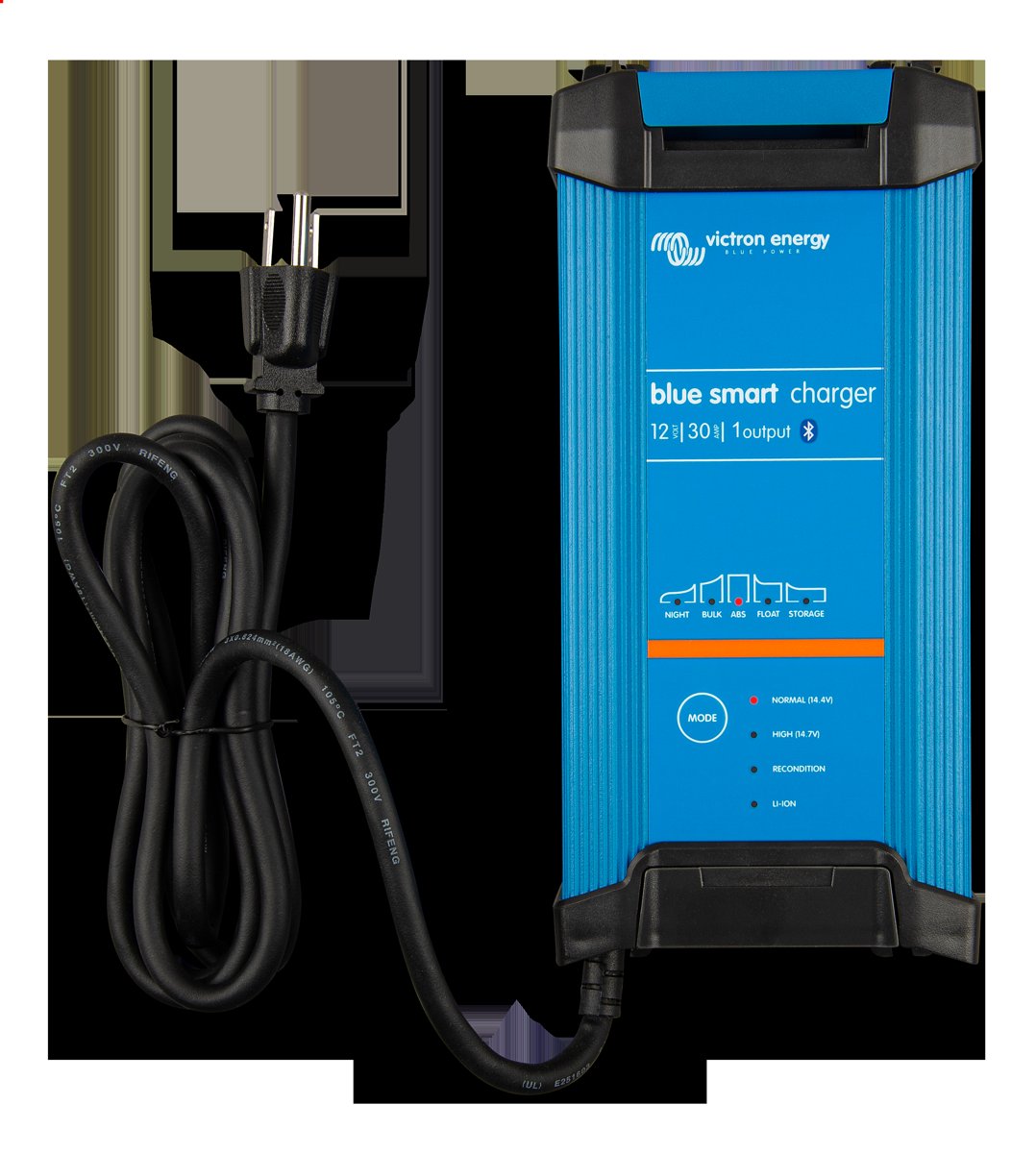 Power
PowerBest Marine Battery Chargers and DC-DC Chargers
Shore-power chargers and DC-DC chargers compared — sizing output to your bank, lithium profiles, wiring and top picks.
Looking for more gear guides? Browse all our gear recommendations or the full guides index.