Marine Inverter/Chargers: Victron vs Mastervolt vs Xantrex
The inverter/charger is the single most important AC component on a modern cruising sailboat. It makes shore power and generator hours useful, and it powers everything from the microwave to the watermaker off the house bank when you're not plugged in. Pick the wrong one and you'll be tripping breakers, cooking batteries, or replacing it in three years. Here's what actually matters when choosing.
Sailboat Atlas may earn a commission from qualifying purchases made through links on this page, at no extra cost to you.
How much inverter do you need?
Add the wattage of everything you might run simultaneously off AC — microwave (1,200W), watermaker (500W), induction cooktop (1,800W peak), coffee grinder (200W) — and pick a continuous rating with 20% headroom above the biggest realistic combined load. For most coastal cruisers, 2,000–3,000W is the right band. Bluewater cruisers with watermakers and induction should look at 3,000–5,000W.
Charger side is often the limiting factor
With LFP batteries able to absorb 1C charge rates (200A into a 200Ah bank), the charger, not the batteries, becomes the bottleneck during limited generator time. A 120–150A charger cuts generator run-time in half compared to a 60A charger. If you carry a generator, pay for the bigger charger — you'll get it back in fuel and engine hours.
Pure sine, LFP profile, and transfer time
Modified sine wave inverters are a false economy in 2026 — modern electronics don't tolerate them. Confirm the charger has a documented LFP profile (Victron, Mastervolt, and Xantrex all do). Transfer time under 30ms keeps most computers and NAS-style devices from rebooting when shore power drops and the inverter takes over.
Our picks
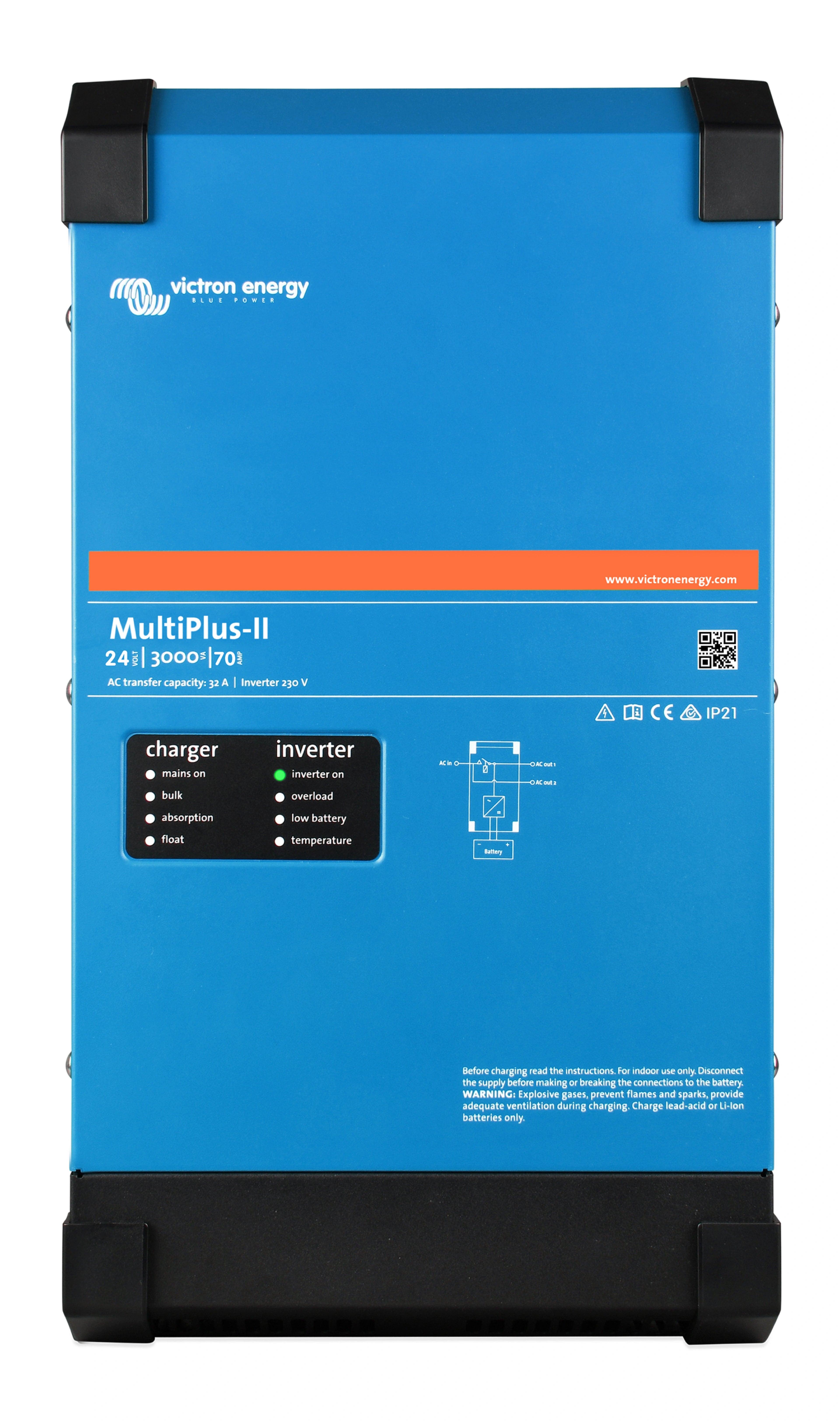
Victron MultiPlus 3000VA 12V
Best overall for cruising sailboats
The MultiPlus is the reference cruising inverter/charger for a reason. It's not the cheapest, but it's the one you'll still be using in 15 years, and the ecosystem around it (Cerbo GX, VenusOS, VRM cloud monitoring) turns it from a black box into something you can actually diagnose from the nav table. If you're on a Victron system already, this is the answer. If you're not, this is a good reason to start.
- Continuous output
- 2,400W pure sine wave
- Charger
- 120A LFP-capable, 3-stage adaptive
- Transfer
- Under 20ms, PowerAssist boost
- Typical price
- $1,700–$2,000
Pros
- PowerAssist lets you run high draws on 15A shore power by blending in battery — genuinely useful
- Integrates with Cerbo GX, MPPT, BMV — full system on one screen and one app
- Firmware-updatable, and Victron actually ships meaningful updates for years
Cons
- Not a drop-in — you'll need to think about transfer switching and AC panel wiring
- Modified sine wave? No — pure sine only. Fine, but confirm your microwave/TV/laptop chargers before you shop
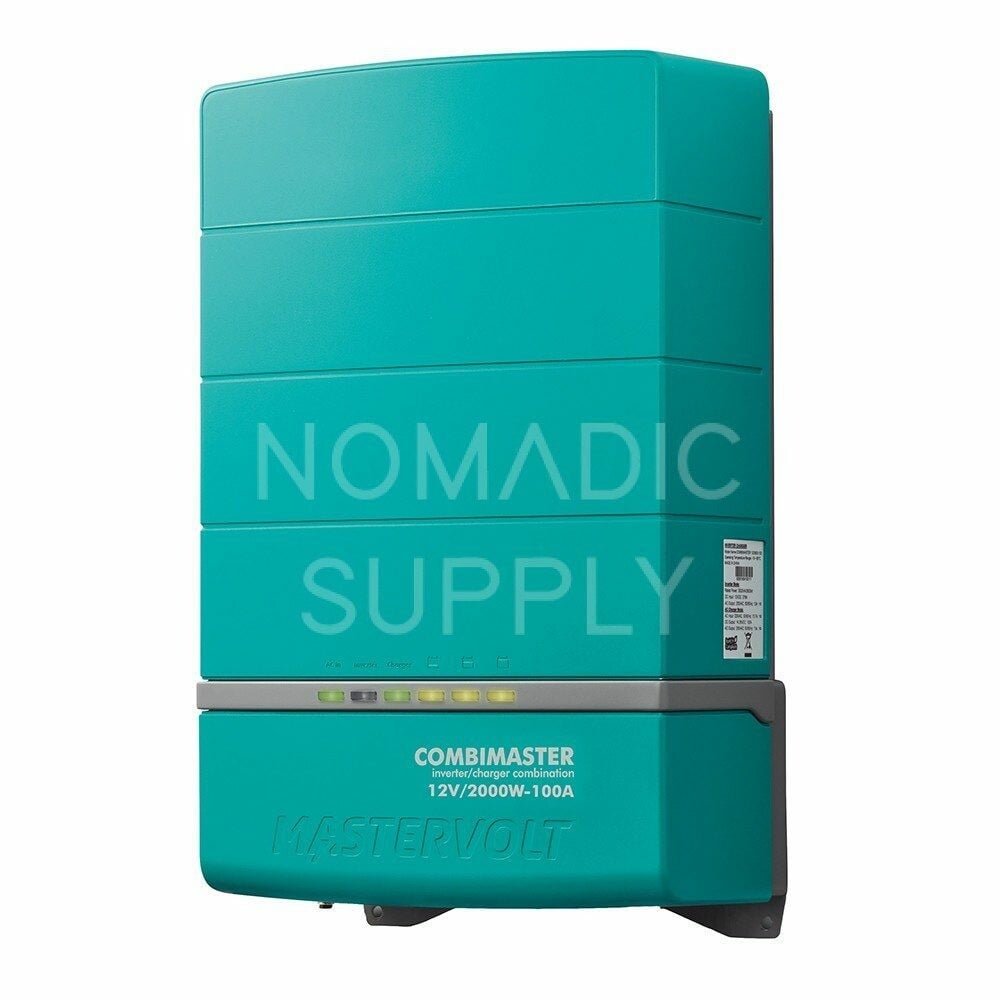
Mastervolt CombiMaster 12/2000-100
Best for European boats / integrated Mastervolt systems
Mastervolt is what your boat probably came with if it's a European production build (Bavaria, Jeanneau, Beneteau). Their systems age remarkably well, and if you already have MasterBus wiring in your boat, upgrading within the ecosystem preserves that investment. For a US cruiser starting from scratch, Victron is the more pragmatic choice — but a healthy Mastervolt system is not something you should tear out on principle.
- Continuous output
- 1,600W pure sine wave
- Charger
- 100A LFP-compatible
- Bus
- MasterBus + NMEA 2000
- Typical price
- $2,200–$2,600
Pros
- European industrial build quality; standard fit on many production yachts
- MasterBus integration is comparable to Victron's Cerbo world once configured
- Excellent long-term reliability — 15+ year units are common in the wild
Cons
- Premium price without a clear feature advantage over Victron for most cruisers
- Support network is thinner outside Europe than Victron's
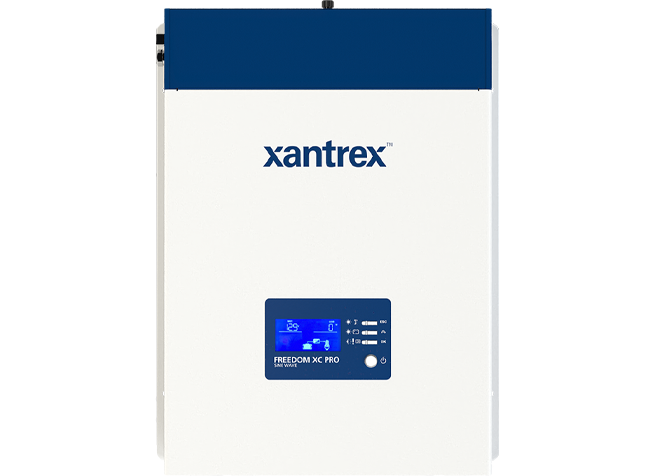
Xantrex Freedom XC PRO 3000
Best value inverter/charger
For a boat that doesn't need deep system integration, the Freedom XC PRO gets you a real 3,000W inverter and a fast charger for meaningfully less money than a comparable Victron. The compromise is monitoring depth — you get an LCD and basic remote panel, not cloud dashboards and cell-level battery data. For coastal cruisers who won't be diagnosing electrical faults from Anguilla to Boston, that's a fine tradeoff.
- Continuous output
- 3,000W pure sine wave
- Charger
- 150A multi-stage with LFP profile
- Networking
- Xanbus (proprietary)
- Typical price
- $1,300–$1,500
Pros
- More watts per dollar than any other name-brand inverter/charger in this class
- 150A charger is a real advantage if you rely on generator time
- Simple installation, well-documented for owner-installers
Cons
- Xanbus ecosystem is smaller and less capable than Victron or MasterBus
- Support has been variable through Xantrex's ownership changes; check current owner reviews
How to choose
Pick your ecosystem first: Victron if you're building fresh or already have MPPTs and battery monitors; Mastervolt if the boat was built with it; Xantrex if you're value-shopping and don't need cell-level monitoring. Then size the inverter to your worst-case simultaneous load and spec the biggest charger you can afford — that's the part you'll wish you'd upsized.
Frequently asked questions
Can I keep my old charger and add a separate inverter?
Sure, but a combined inverter/charger costs less than the two units bought separately, shares one transfer relay, and gives you PowerAssist (blending inverter and shore power). Standalone is only worth it if one component needs replacing and the other is fine.
Do I need a generator if I have a big inverter?
For coastal cruising with solar, usually no. For extended offshore or high-load systems (AC, watermaker, dive compressor), a generator is still faster and more reliable than solar for bulk charging. But the trend is clearly toward genset-free boats.
Related guides
 Power
PowerMarine Solar Panels for Sailboats
Rigid vs flexible marine solar panels, how to size an array for your house bank, and top picks for cruising sailors.
 Power
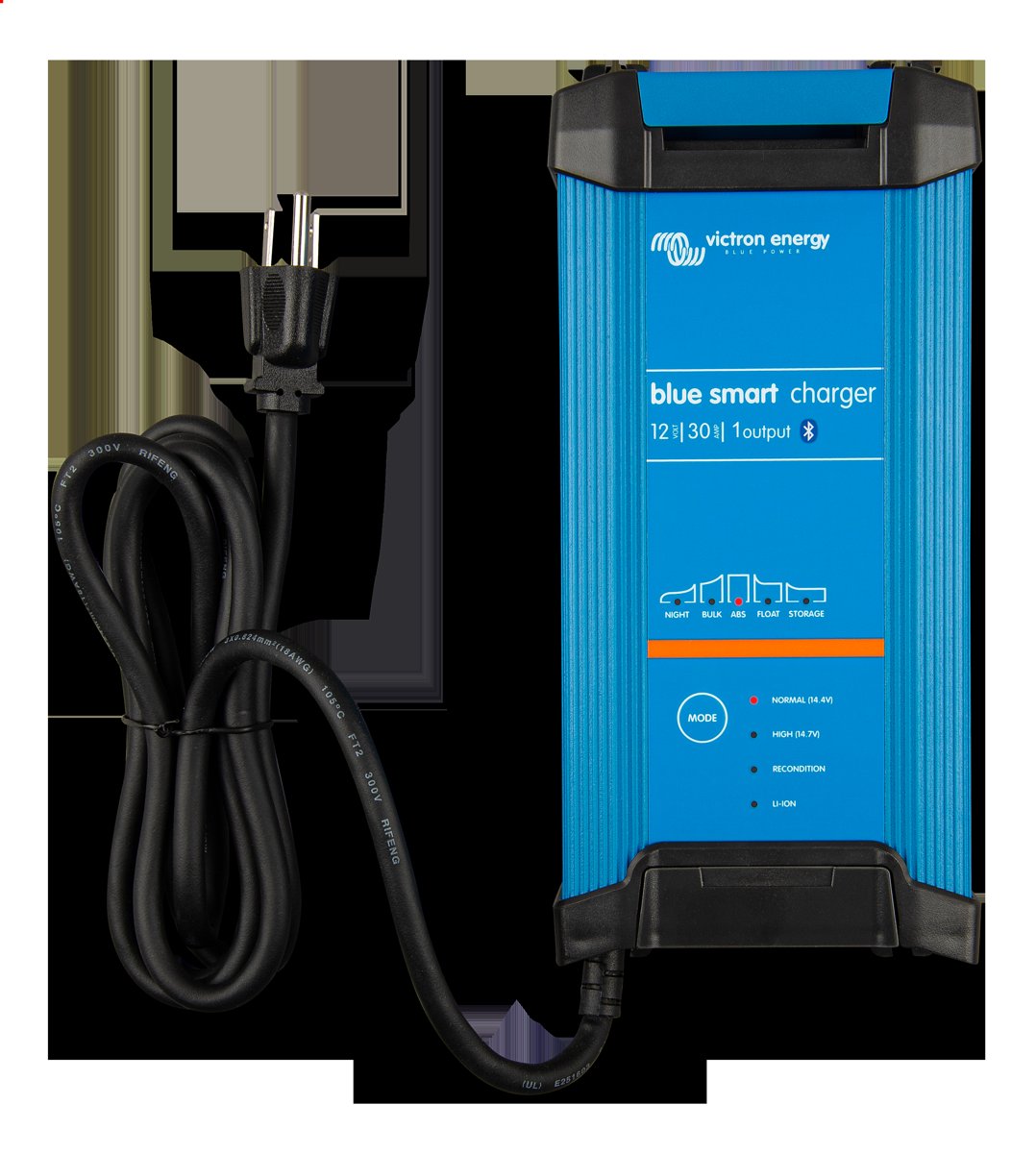
PowerBest Marine Battery Chargers and DC-DC Chargers
Shore-power chargers and DC-DC chargers compared — sizing output to your bank, lithium profiles, wiring and top picks.
 Power
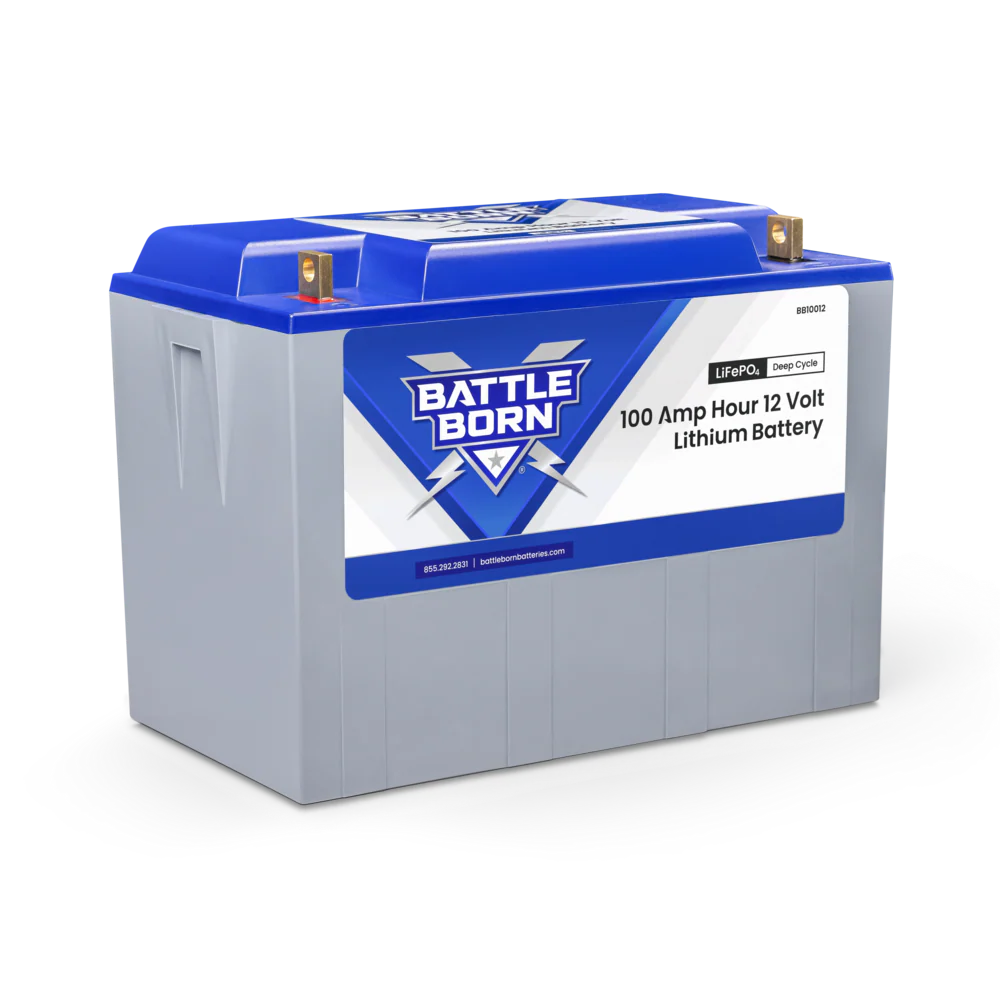
PowerBest Lithium Batteries for Sailboats
LiFePO4 house-bank picks and how to plan a lithium conversion — Battle Born, Victron, Renogy, Epoch, Dakota.
 Power
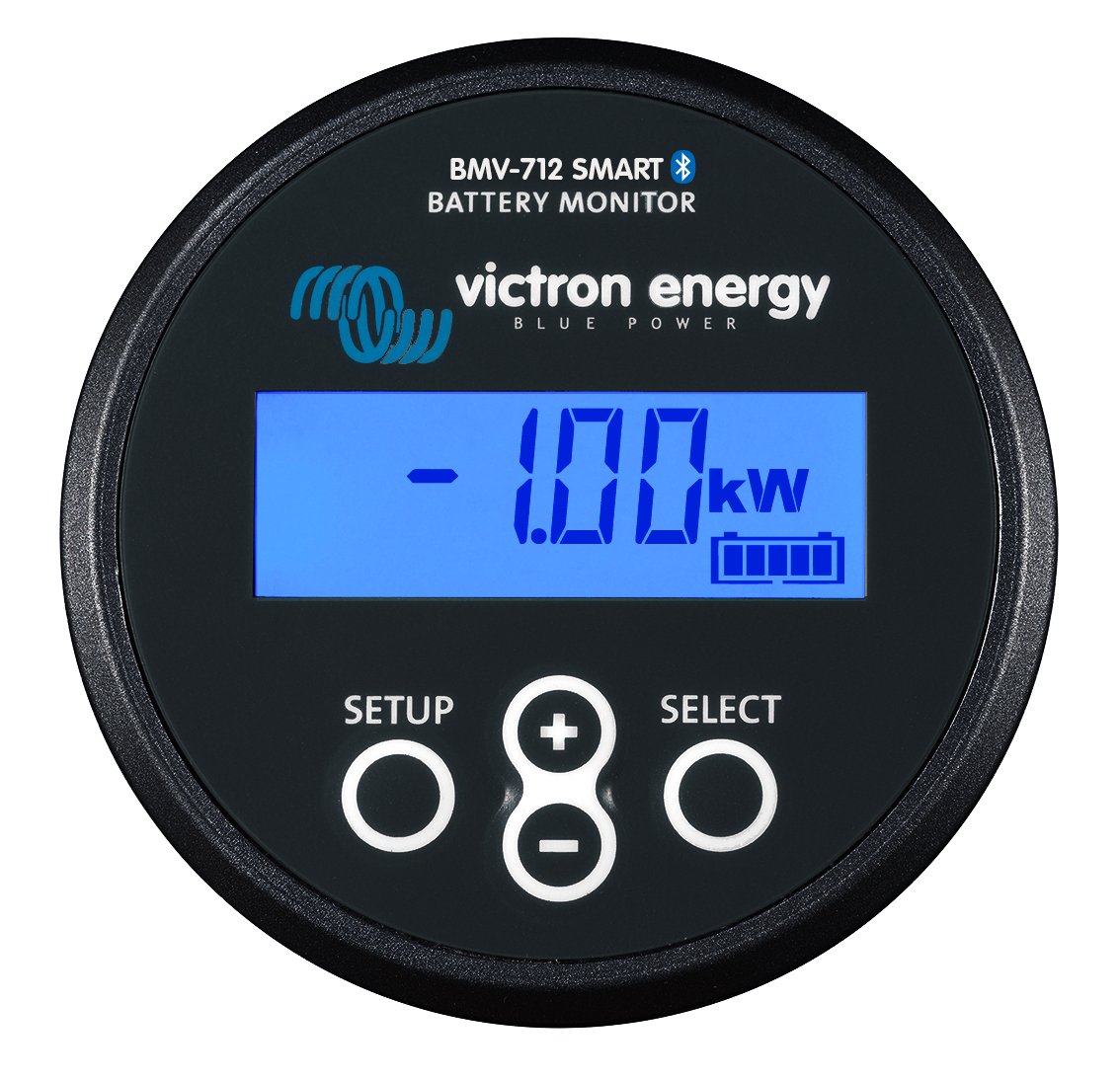
PowerMarine Battery Monitors and Shunts
Why voltage lies on lithium, how shunts measure state of charge, and which Victron, Balmar and Simarine monitors to fit.
Looking for more gear guides? Browse all our gear recommendations or the full guides index.