Best Marine Watermakers for Sailboats
A watermaker is the single upgrade that changes how far and how long you can cruise. Here's how to choose one — and the units we'd install on our own boats.
Sailboat Atlas may earn a commission from qualifying purchases made through links on this page, at no extra cost to you.
How to choose a watermaker
Three variables matter more than anything else: output (gallons per hour), power source (12V DC vs 120V AC), and installation footprint. A 40-foot cruising couple typically needs 6–10 GPH of installed capacity; a family of four or a liveaboard with a shower and freshwater rinse habit is closer to 15–20 GPH. Power source dictates whether you can make water off solar (12V DC only) or need to run a generator (AC). And footprint matters more than sailors expect — a "compact" watermaker still needs space for a pre-filter housing, high-pressure pump, membrane, and often a boost pump, spread across multiple lockers on most sailboats.
Energy recovery is a real thing
Traditional reverse-osmosis watermakers waste most of the energy they spend pressurizing the brine stream. Energy-recovery designs (Spectra's Clark Pump, Katadyn's pressure exchangers) recapture that energy and cut power consumption by roughly two-thirds. For any sailboat running off batteries and solar rather than a generator, this is the single most important spec to check.
Membrane care determines lifespan
A well-cared-for RO membrane lasts 5–10 years; a neglected one dies in one season. Automatic freshwater flush systems, biocide pickling for long storage, and proper pre-filtration extend membrane life dramatically. Factor these into your buying decision — a watermaker without automatic flush requires you to remember to flush it manually every time you shut down, and cruisers forget.
Our picks

Spectra Ventura 150
Best overall for cruising sailboats
The Ventura 150 is the watermaker most experienced cruisers end up with once they've done the math on amp-hours. On a boat with a modest solar array and no generator, a traditional watermaker will drain your batteries fast enough that you end up running the engine to make water — which defeats much of the point. Spectra's Clark Pump changes that equation entirely: 9 amps at 12V is roughly what a decent fridge draws, so you can make water directly off solar or wind on a sunny day. The modular design is the other reason it wins on sailboats — you can tuck the high-pressure pump under a bunk, the membrane in a cockpit locker, and the control panel at the nav station. The tradeoff is service: the Clark Pump is a beautifully engineered but proprietary component, and rebuilding it in a remote anchorage is not a DIY job. If you cruise where Spectra dealers exist and you value low power draw above all, this is the default choice.
- Output
- 6.3 GPH (24 L/h) at typical operating conditions
- Power
- 9 amps at 12V — the lowest power draw per gallon in its class
- Installation
- Modular components fit in tight lockers; no dedicated engine room needed
- Typical price
- $5,500–$7,000
Pros
- Clark Pump energy-recovery design draws roughly a third of the amps of a traditional high-pressure pump
- Modular layout means you can split the pre-filter, membrane, and control unit across different lockers
- 12V DC operation runs directly off the house bank — no need to start the engine or genset just for water
- Automatic freshwater flush option prevents membrane fouling during long marina stays
Cons
- Clark Pump servicing requires factory parts and, for most owners, factory or dealer support
- Output is modest — 6 GPH means a 2–3 hour daily run for a family of four
- Upfront cost is high compared to non-energy-recovery units of the same output
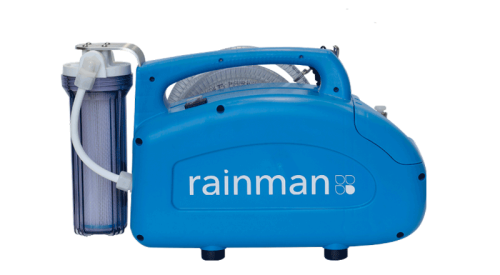
Rainman Naked AC
Best portable/removable option
The Rainman is the watermaker for sailors who don't want a watermaker permanently changing their boat. There are no through-hulls to drill, no bulkhead cutouts, no wiring to run. You pull it out of a locker, drop the intake hose over the side, plug the output into your water fill, and start it up. The AC version needs shore power or a generator that can handle 1.5 kW, but if you already have either, it produces water at a rate that makes traditional 6 GPH units feel painfully slow. The maintenance story is unusually good: every seal, valve, and membrane housing is designed to be rebuilt with basic hand tools, and the manual is written for owners rather than dealers. It falls short for full-time liveaboards making water daily off a battery bank — that's what the Ventura is for — but for coastal cruisers, seasonal sailors, or anyone who might sell the boat in a few years, this is the most flexible option on the market.
- Output
- 37 GPH (140 L/h) — the highest output in this list
- Power
- 120V AC, ~1.5 kW — requires shore power, inverter, or generator
- Installation
- Fully portable; no through-hulls required. Sits in the cockpit or on deck when running
- Typical price
- $5,000–$5,800
Pros
- No permanent installation — no through-hulls, no cabinet cutouts, nothing to fail while you're not aboard
- 37 GPH means you can fill a 60-gallon tank in under two hours, then stow the unit away
- Rebuilds in place: every wearing part is user-replaceable with standard tools and off-the-shelf seals
- Ideal for charter boats, seasonal cruisers, or anyone who doesn't want to give up locker space year-round
Cons
- Needs 120V AC — you must run a generator or inverter capable of ~1500W continuous
- Not practical while underway in a seaway — the unit needs to sit level and stable
- Deck space during operation is significant; smaller cockpits get cluttered

Katadyn PowerSurvivor 40E
Best compact/emergency backup
The PowerSurvivor 40E is the watermaker to buy when you need reliability and low power draw more than you need volume. It's the same core technology Katadyn puts in survival desalinators — proven, field-repairable, and forgiving of neglect. On a small cruising boat with a couple aboard, 1.5 GPH is enough to keep the tanks topped up if you run the unit a few hours a day, and the 4-amp draw is trivial for any decent solar setup. The catch is scale: a family of four or a liveaboard couple with a shower habit will find themselves running this unit constantly and still coming up short. If your boat is under 35 feet, your crew is small, or you want a backup that could keep you alive during an emergency passage without recharging batteries constantly, this is the right tool.
- Output
- 1.5 GPH (5.7 L/h) — small but consistent
- Power
- 4 amps at 12V
- Installation
- Single compact unit; fits in a locker roughly the size of a scuba tank
- Typical price
- $3,500–$4,200
Pros
- Tiny footprint — genuinely fits on 28–35 ft cruisers where larger units won't
- Extremely low power draw makes it usable indefinitely off solar
- Field-serviceable design; the same platform is used in commercial liferaft desalinators
- Reliable in emergencies — this is the unit that gets deployed after a rig failure or engine loss
Cons
- 1.5 GPH is barely enough for two people with careful use; not a family boat solution
- Runs continuously to produce meaningful volume — the pump noise gets old on a quiet anchorage
- Membrane pickling and flush routines are more manual than the higher-end options
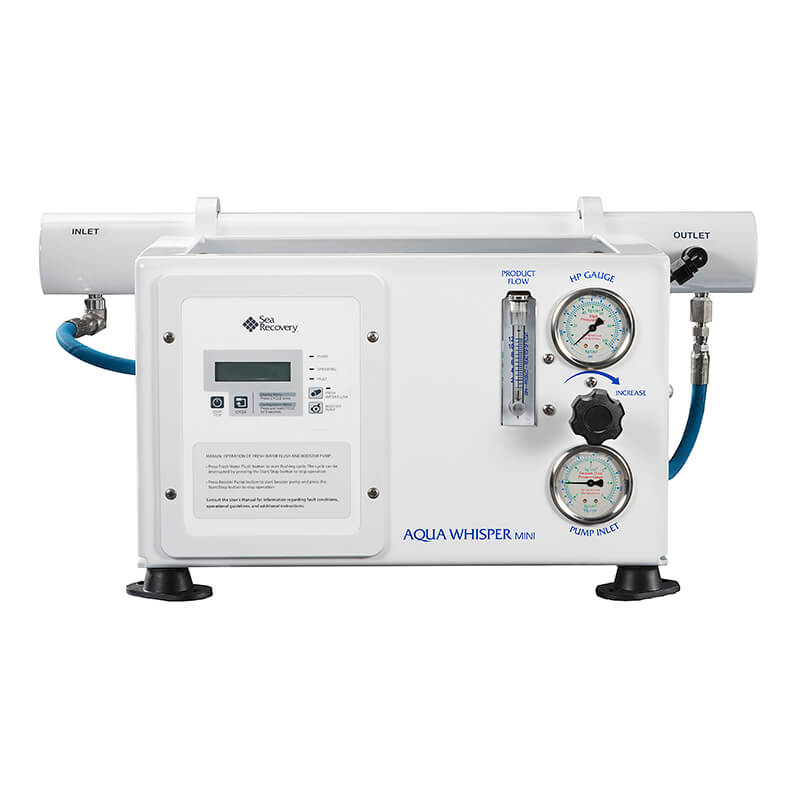
Sea Recovery Aqua Whisper Mini 200
Best high-output installed unit
This is the watermaker you install on a 45+ foot cruising boat with a generator already aboard. The Aqua Whisper Mini is built like industrial equipment — steel frame, industrial pumps, digital control — and it will run for a decade in liveaboard service without complaint. The tradeoff is power source: it needs AC, which for a sailboat means running your genset while you make water. On a boat that already runs a generator daily for air conditioning or a large chest freezer, that's a non-issue, and you get 8+ GPH of output for the trouble. If you're building out a bluewater cruiser and want a proven, dealer-supported watermaker that won't be the weak link in your systems, this is the safe pick.
- Output
- 8.7 GPH (33 L/h)
- Power
- 120V AC, ~750W — needs generator or inverter
- Installation
- Frame-mounted; requires dedicated locker and through-hulls for intake and brine discharge
- Typical price
- $6,500–$8,500
Pros
- Solid steel frame and industrial components — this unit is built for continuous liveaboard duty
- Digital control panel with automatic diversion valve and salinity monitoring
- Sea Recovery service network is one of the widest globally; parts are stocked in most cruising hubs
- Handles high-turbidity intake water better than most competitors thanks to a robust pre-filter setup
Cons
- AC-powered — requires a generator, large inverter, or shore power to operate
- Frame is bulky; not a great fit for boats under 40 feet without dedicated mechanical space
- Expensive, and the running cost adds up if your generator is old or inefficient

Cruise RO Water 30 GPH
Best value / DIY-friendly
Cruise RO Water is what you buy when you've decided you want a watermaker but you also want to keep $3,000 in your cruising kitty. The output matches or exceeds units costing twice as much, and because the components are standard industrial reverse-osmosis parts rather than proprietary marine-branded pieces, you can source replacements anywhere in the world that treats commercial water. The catch is installation: this is not a plug-and-play unit. You'll be running high-pressure hose, mounting the pump, plumbing brine discharge, and wiring the 120V circuit yourself. If you're comfortable with that level of DIY — or you have a good marine electrician you trust — the value is genuinely excellent. If not, buy one of the turnkey systems above and pay for the peace of mind.
- Output
- 30 GPH (113 L/h)
- Power
- 120V AC, ~1.2 kW
- Installation
- Component-based; owner installs pump, membrane, and control separately
- Typical price
- $3,500–$4,500
Pros
- Roughly half the cost of comparable-output name-brand units
- Uses standard industrial RO components — replacement parts are available from any water-treatment supplier
- Excellent documentation and phone support from a small owner-operated company
- High output for the price makes it easy to justify on liveaboard boats
Cons
- You're installing it yourself — plumbing, wiring, and commissioning are on you
- AC-only, so you need generator or inverter capacity
- No fancy digital display; the interface is analog gauges and manual valves, which some owners find dated
Frequently asked questions
How much watermaker capacity do I need?
Plan on 5–8 gallons per person per day for a comfortable cruising life with freshwater rinses and modest showers. A cruising couple can get by with 6 GPH running 2 hours a day; a family of four needs 10+ GPH or longer daily runs.
Can I make water underway?
Installed units, yes — the intake is a through-hull below the waterline. Portable units like the Rainman work best at anchor or in calm conditions where the pickup hose can stay submerged.
Do I need to run my engine to make water?
Only if your watermaker is AC-powered and you don't have a generator. Modern 12V DC watermakers with energy recovery draw few enough amps to run off a decent solar array.
More gear guides
Related guides
 Comfort
Best Marine Speakers and Stereos for Sailboats
Waterproof marine speakers and stereo head units compared — power draw, NMEA 2000, mounting and wiring.
 Comfort
Marine Diesel Heaters: Webasto vs Espar vs Refleks
Forced-air and radiant diesel heaters for cruising sailboats — how to choose, install, and avoid the top failure modes.
 Comfort
Marine Refrigeration for Sailboats
Marine refrigeration — Isotherm, Nova Kool, Frigoboat keel-cooler conversions, and how to minimize energy use.
 Comfort
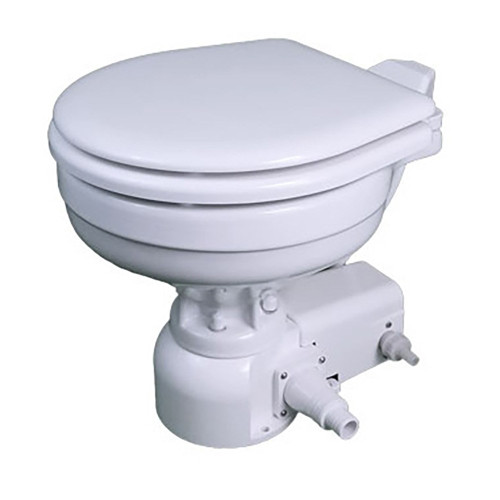
Marine Toilets: Composting, Electric, and Manual
Marine toilets for cruising sailboats — Nature's Head composting, Raritan electric, and manual heads compared.