Marine Diesel Heaters for Sailboats
A working diesel heater is what turns a boat from a summer toy into a year-round home. It also dries the boat out — the single biggest quality-of-life upgrade for anyone cruising in high humidity, spring shoulder-season, or high latitudes. Here's how forced-air and bulkhead heaters compare, and the units cruisers actually keep long-term.
Sailboat Atlas may earn a commission from qualifying purchases made through links on this page, at no extra cost to you.
Forced-air vs bulkhead radiant
Forced-air heaters (Webasto, Espar) heat fast, duct to multiple cabins, and use house electricity for their fans and glow plugs. Bulkhead radiant heaters (Refleks, Dickinson) heat slower, warm one main cabin, and use zero electricity. Choose forced-air for weekend and coastal cruising where warm-up speed matters; choose radiant for live-aboard, winter cruising, and off-grid.
Fuel: same tank as the engine, done right
Both types run on standard diesel from the main tank via a small metering pump or gravity feed. Install a dedicated fuel pickup that stops above the engine's pickup so the heater doesn't drain the tank dry in an emergency. Use a separate primary filter — heater pumps hate debris more than the engine does.
Installation is the hard part
The heater itself is the easy purchase. Getting the exhaust flue routed safely, the combustion air intake in the right place, the fuel supply metered correctly, and (for radiant) the mast and boom clearance sorted for the Charley Noble — that's a real installation job. Budget for professional install unless you've done fossil-fuel appliance work before.
Our picks

Webasto Air Top 2000 STC
Best forced-air diesel heater overall
The Webasto Air Top 2000 STC is the default forced-air heater on cruising sailboats above 32 feet, and for good reason: it works, it lasts, and any diesel mechanic on any coast can service it. The most common failure mode is user error — running it only for short periods at low output — which cokes the burner. Run it hot for 20 minutes weekly in the shoulder seasons and it'll last a decade.
- Heat output
- 2 kW (adjustable 900–2,000W)
- Fuel use
- 0.10–0.24 L/hr diesel
- Power draw
- ~14W at low, up to 34W at startup
- Typical price
- $1,400–$1,800 (unit only)
Pros
- Long service history on cruising boats; every marine tech knows how to fix one
- Very quiet by heater standards — the STC generation is a real improvement
- Ducted air handles multiple cabins from a single unit with proper duct sizing
Cons
- Requires an annual burn-off run at full output or the burner chamber cokes up
- Not a DIY 20-minute job — plan a weekend for installation with proper flue and fuel routing
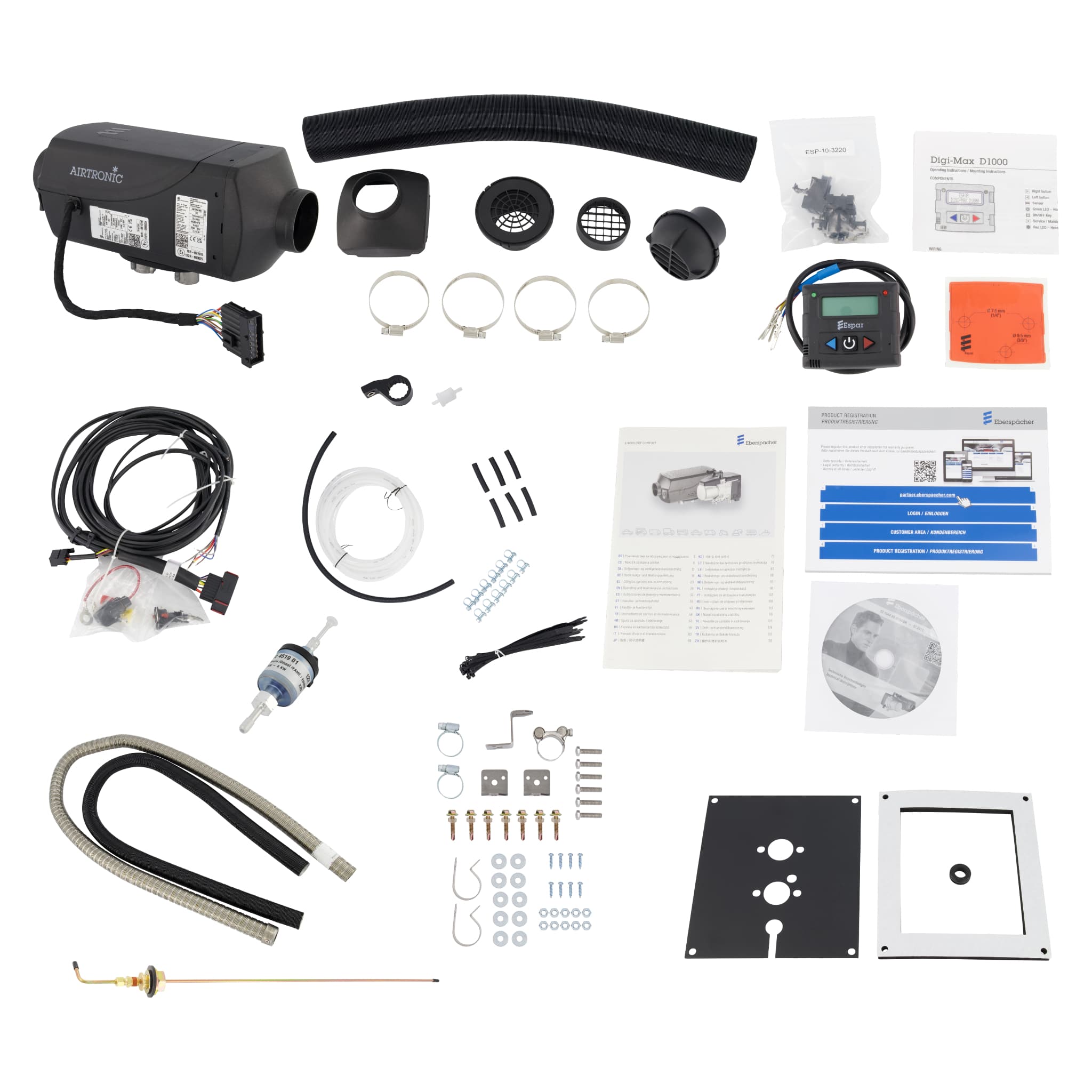
Espar Airtronic D2
Best forced-air for high-latitude cruising
Espar (Eberspächer in Europe) is the answer for anyone cruising above 55° latitude regularly. Their cold-start protocol is more aggressive and more reliable in genuinely cold conditions than Webasto's, and Scandinavian cruisers overwhelmingly specify them. For temperate cruising the two are functionally interchangeable — pick whichever your local marine electrician stocks parts for.
- Heat output
- 2.2 kW (adjustable 850–2,200W)
- Fuel use
- 0.10–0.28 L/hr diesel
- Power draw
- ~11W at low, ~34W at startup
- Typical price
- $1,500–$1,900
Pros
- Slightly better cold-start reliability than Webasto in freezing temperatures
- EasyStart Pro controller is more intuitive than Webasto's older SmartTemp
- Excellent parts availability in North America, Europe, and Scandinavia
Cons
- Premium price for what is a very similar product in day-to-day use
- Same cold-start-only cokes-up problem — run it hot regularly
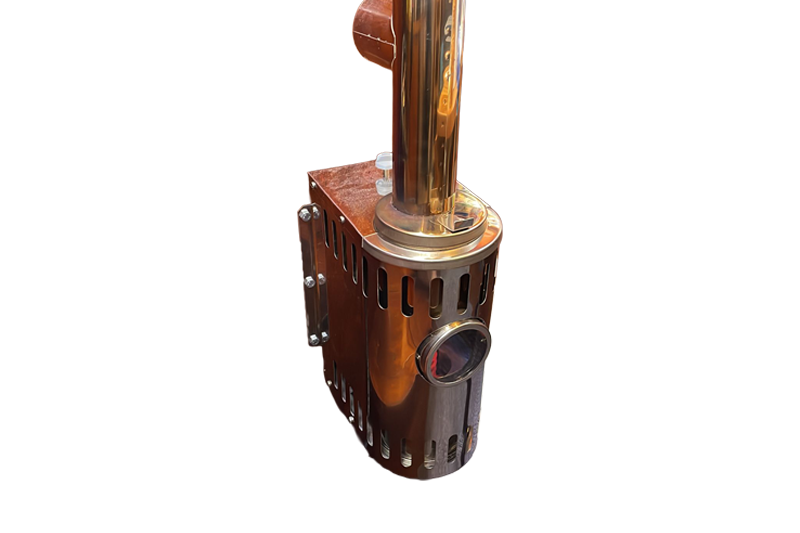
Refleks 66MW Diesel Bulkhead Heater
Best radiant / no-electricity heater
The Refleks is the heater cruisers install on the boat they intend to live on. It's silent, uses no electricity, and produces the dry radiant heat that transforms winter cruising from survival to genuine pleasure. It costs more up front and demands a proper installation — but on a boat that spends winters in high-latitude cruising grounds, nothing else is quite the same. Consider it the AGA-stove of marine heaters.
- Heat output
- 1.7–3.5 kW gravity-fed
- Fuel use
- 0.14–0.29 L/hr diesel
- Power draw
- Zero — no fan, no glow plug
- Typical price
- $2,200–$2,800 (unit + flue)
Pros
- Consumes no house power — runs indefinitely off a small gravity tank
- The heart-of-the-boat aesthetic and radiant warmth is genuinely different from forced air
- Extremely simple: no electronics, no fan, nothing to fail beyond a fuel valve
Cons
- Radiant only — no ducting to remote cabins
- Needs a proper Charley Noble flue installation with real thought about mast, boom, and heat clearance
- Slower to warm the boat than forced air; not for short weekend trips
How to choose
Coastal weekend cruiser in temperate climate: Webasto 2 kW forced-air. High-latitude passage maker or Great Lakes shoulder-season sailor: Espar D2 or D4 for redundancy and cold-start reliability. Live-aboard winter cruiser or off-grid classic yacht: Refleks with a properly installed Charley Noble.
Whatever you buy, run it hot for at least 20 minutes weekly during the season. Sooty, coked-up burners are the number-one warranty issue on every forced-air unit made.
Frequently asked questions
Can I use propane heat instead?
Propane catalytic heaters (Wallas, Origo) exist but produce water vapor as they burn, which is the opposite of what you want on a boat — mold, damp berths, misted windows. Diesel dries the boat; propane wets it. Only use propane heat if you cannot install a diesel system.
How much diesel does one really burn?
On a 40-foot boat in shoulder-season conditions with the thermostat around 68°F, budget 3–4 liters per day for a Webasto 2 kW on low. A Refleks in similar service burns roughly half again as much because it runs continuously.
Do I need a CO alarm?
Yes — always, regardless of heater type. Both types combust diesel and route exhaust outside, but a failed flue or blocked intake can flood the cabin with CO. A quality CO detector is $30 and non-negotiable.
Related guides
 Comfort
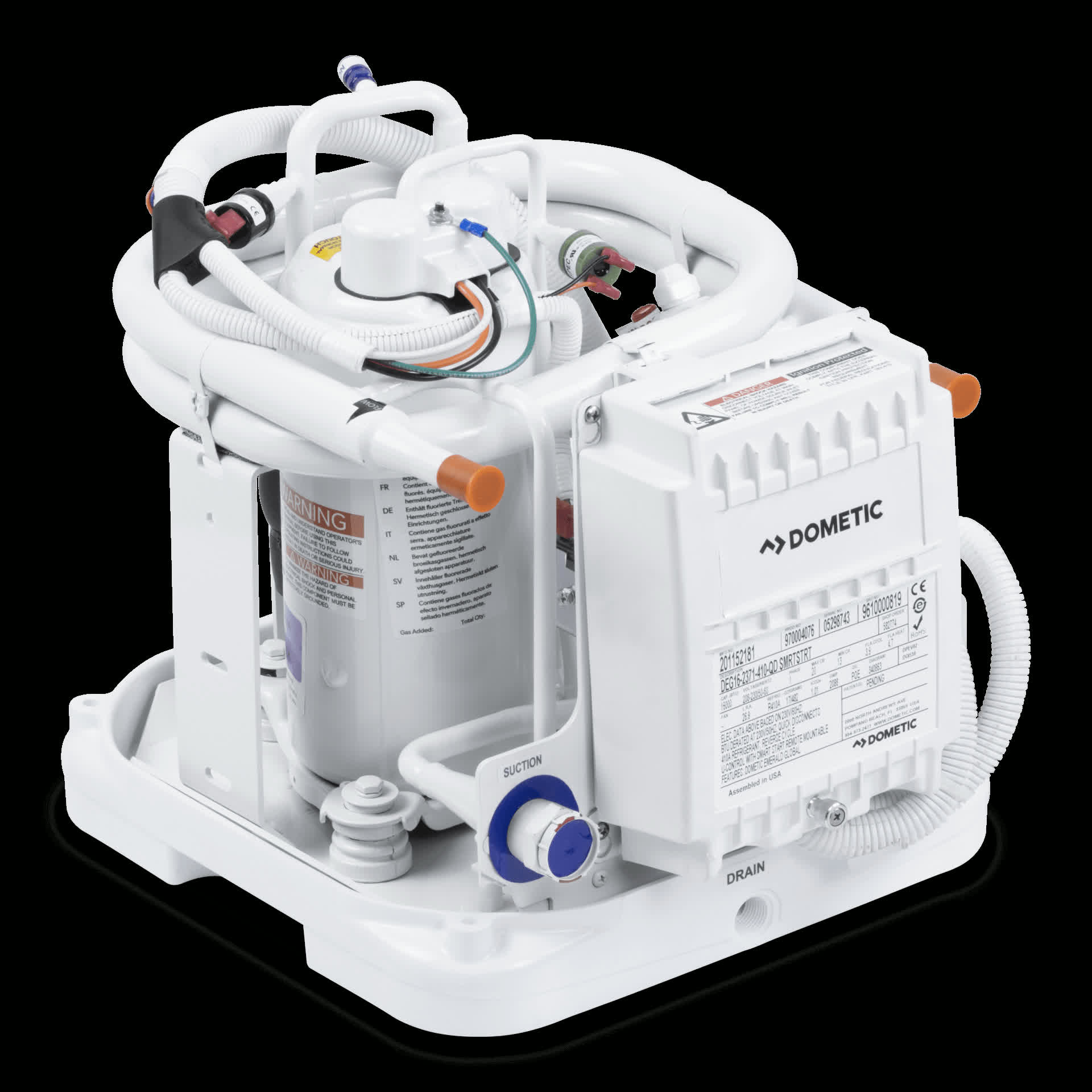
Marine Air Conditioning for Sailboats
BTU sizing, self-contained vs split systems, 12V DC units for anchoring out, and the power problem nobody mentions.
 Comfort
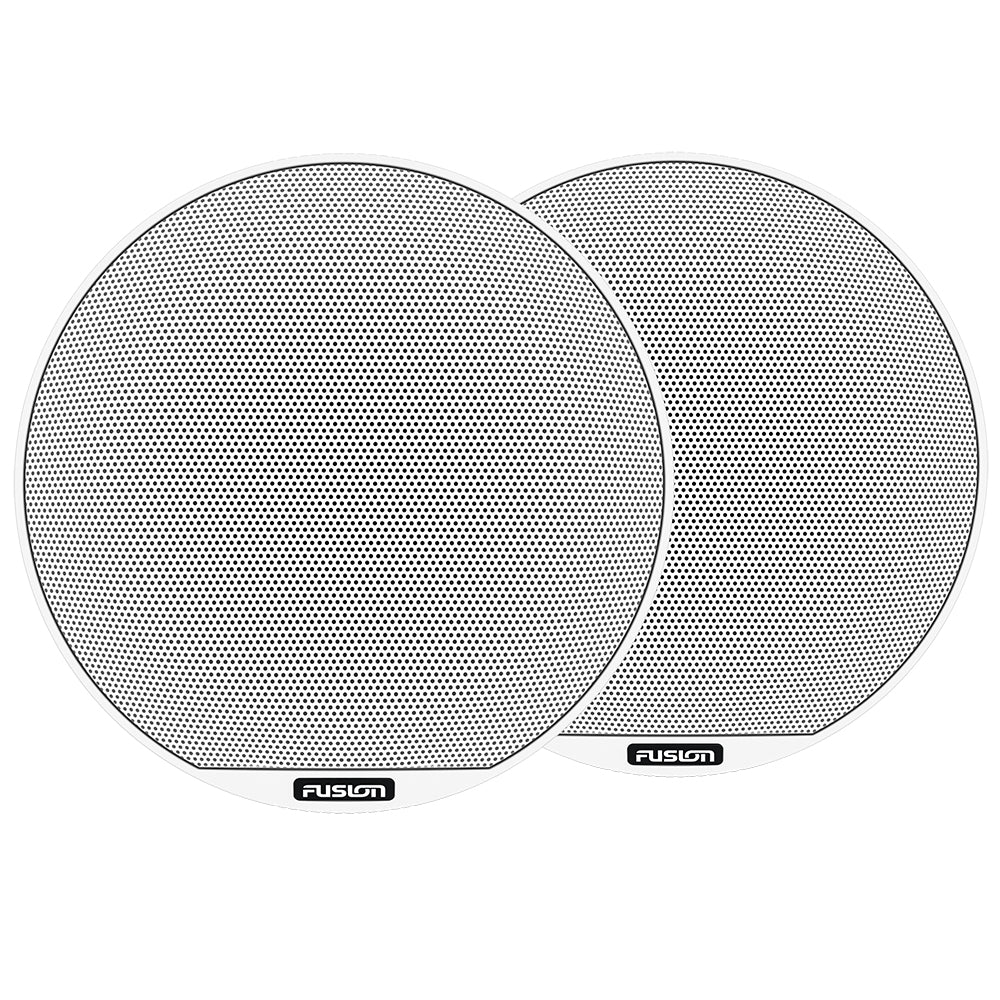
Best Marine Speakers and Stereos for Sailboats
Waterproof marine speakers and stereo head units compared — power draw, NMEA 2000, mounting and wiring.
 Comfort
Best Marine Watermakers for Sailboats
Spectra, Rainman, Katadyn and more — which watermakers match cruising energy budgets and boat sizes.
 Comfort
Marine Refrigeration for Sailboats
Marine refrigeration — Isotherm, Nova Kool, Frigoboat keel-cooler conversions, and how to minimize energy use.
Looking for more gear guides? Browse all our gear recommendations or the full guides index.