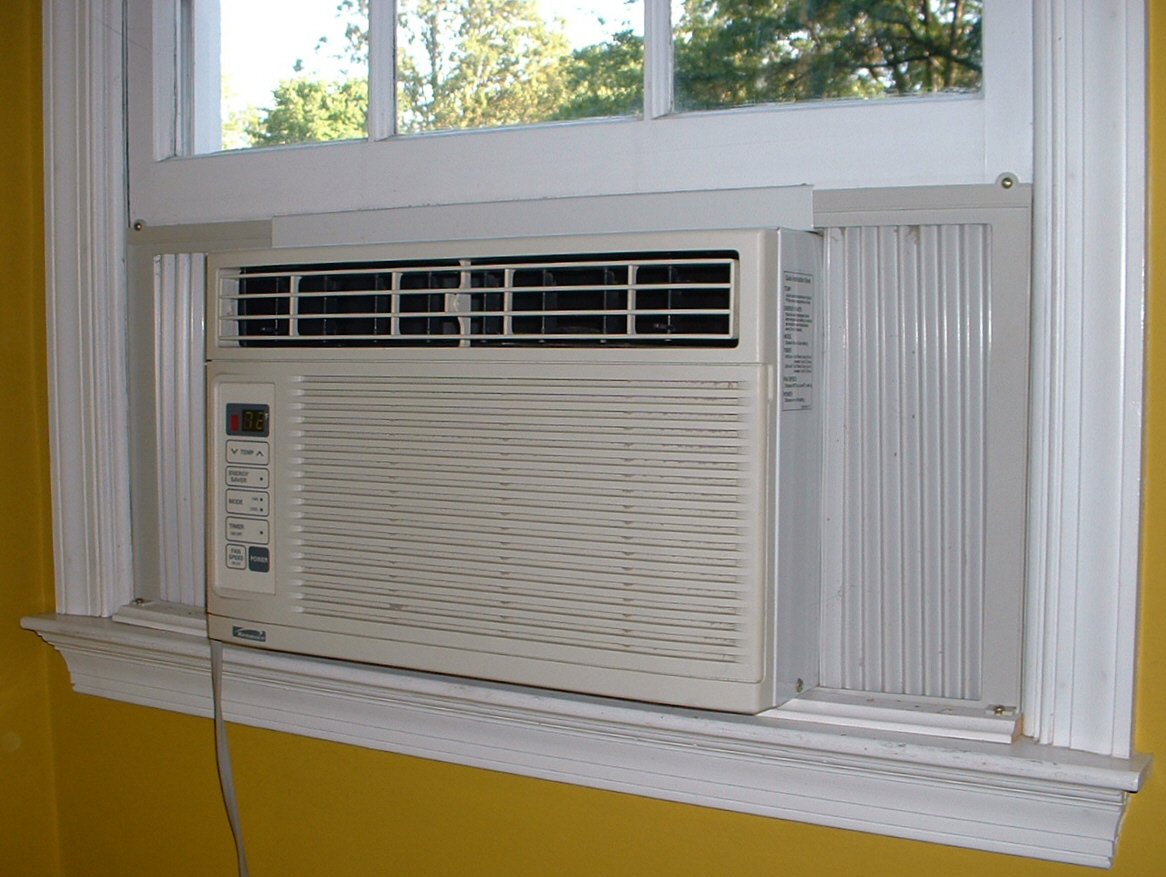
Marine Air Conditioning for Sailboats
Marine air conditioning looks like a household window unit's marine cousin, but the way it actually works — and the way it fails — is different enough that treating it like a big fan you bolt in and plug in is how people end up with a flooded bilge or a moldy cabin. This guide covers how a self-contained reverse-cycle system actually works, how to size one honestly in BTU, where self-contained, split-gas, and chilled-water systems fit by boat size, why reverse-cycle heat has a hard limit tied to seawater temperature, and the real power draw problem that decides whether you can run AC at anchor at all. For cooler-weather heating that doesn't depend on seawater temperature, see our marine diesel heater guide.
Sailboat Atlas may earn a commission from qualifying purchases made through links on this page, at no extra cost to you.
How a self-contained marine AC unit actually works
A self-contained marine air conditioner is a sealed refrigerant loop — compressor, condenser coil, expansion valve, evaporator coil — built into one chassis, the same basic cycle as any air conditioner. The difference from a household window unit is what cools the condenser. A house AC rejects heat to outside air with a fan; a marine unit rejects heat to seawater pumped through the condenser by a dedicated raw-water pump, because a sealed hull doesn't have a convenient outside airflow to dump heat into.
That raw-water circuit is the part that makes marine AC a plumbing project as much as an electrical one. Water enters through a dedicated thru-hull and seacock, passes through a strainer that has to be accessible for regular cleaning, gets pumped through the condenser, and discharges overboard — often visibly, as the stream of water you see coming off a boat's hull at the dock on a hot day. Meanwhile the evaporator side of the unit chills and dehumidifies air pulled from the cabin, and the condensate that forms on that cold coil has to be collected in a drain pan and piped or pumped somewhere useful, not left to find its own way into the bilge.
None of this is exotic technology, but every one of those steps — thru-hull, strainer, pump, condenser, drain — is a point of failure that a household AC simply doesn't have, which is why marine AC has a reputation for being more maintenance-intensive than its BTU rating would suggest.
Sizing in BTU: cabin volume, insulation, glass, and climate
BTU sizing for marine AC is a volume-and-load calculation, not a boat-length lookup table. The starting point is cabin volume — length times width times headroom for each space you want cooled — but the number that actually determines load is how much heat gets into that volume in the first place. A boat with a dark hull, large opening ports, and a big companionway hatch takes on far more solar and ambient heat than a similarly sized cabin with small ports and good insulation, even at the same cubic footage.
Climate matters as much as the boat. A unit sized comfortably for a Chesapeake Bay summer will struggle in the Bahamas or the Mediterranean in August, where both ambient air temperature and seawater temperature — which directly affects how well the condenser can reject heat — run higher. Manufacturers and dealers publish sizing worksheets that account for cabin volume, glass area, insulation, and climate zone; running your numbers through one of those, rather than eyeballing boat length against a BTU chart, is worth the twenty minutes it takes.
Why oversizing is a real mistake, not just wasted money
The instinct to buy more BTU "to be safe" backfires on a boat. An oversized unit cools the cabin to setpoint fast, then shuts off — but air conditioning removes humidity by running long enough for moisture to condense continuously on a cold coil, and a unit that short-cycles never runs long enough to do that well. The result is a cabin that reads cold on the thermostat but still feels damp and clammy, which on a boat also means faster mildew growth on cushions and lockers. Short cycling is also mechanically harder on a compressor than fewer, longer runs, so oversizing tends to cost you both comfort and unit longevity rather than buying margin.
Self-contained vs. split-gas vs. chilled-water systems
Self-contained units — a full refrigerant loop in one chassis — dominate boats under roughly 40–45 feet with one or two cabins, because a single unit ducted to more than one space is simpler to install and service than anything with field-run refrigerant lines. The tradeoff is duct length: pushing cooled air any real distance from one central chassis loses capacity and adds fan noise.
Split-gas systems separate the compressor/condenser from the air handling side, with refrigerant lines run to a small air handler placed directly in each cabin. This scales better on larger monohulls and catamarans with three or more separate spaces, since each cabin gets its own quiet air handler and thermostat instead of long duct trunks from one unit. The cost is installation complexity — refrigerant line brazing and charging is licensed work, and it's a bigger job to retrofit than a self-contained swap.
Chilled-water systems go a step further: one or more central chiller units cool a glycol/water loop that's pumped to fan-coil units throughout the boat, similar to how large yachts and commercial vessels are cooled. This is mostly a large-yacht architecture — it scales to many zones efficiently and lets you place the noisy machinery far from living spaces, but the plumbing complexity and cost put it well beyond what most cruising sailboats need.
Reverse-cycle heating and where it stops working
Running a reverse-cycle marine AC "backward" gives you cabin heat by pulling heat out of seawater and pumping it inside — genuinely useful for taking the chill off a marina berth in spring or fall without running a separate heater. The catch is that this process gets steadily less efficient as seawater temperature drops, because there's less heat available to extract. Most units lose meaningful heating capacity somewhere in the 40s°F and can struggle or shut down on a cold-water protection cutout below that. That's exactly the gap a standalone diesel forced-air heater fills — it doesn't care what the water temperature is, which is why most boats that actually winter aboard or cruise into cold shoulder seasons carry a diesel heater as their primary heat source rather than relying on reverse-cycle AC. See our marine diesel heater guide for how that pairing works in practice.
The power problem: startup surge and running load
A compressor's starting current spike, for a fraction of a second, can run several times its normal running amperage — small enough that a marina pedestal or a properly sized generator shrugs it off, but large enough to trip an undersized inverter or a small portable generator outright. A soft-start module wires into the compressor's start circuit and smooths that spike, which is often the difference between "needs a big dedicated genset" and "starts fine off the inverter already on the boat."
Soft-start only solves the starting problem, though — it does nothing about continuous running draw, which for a conventional 115V self-contained unit is still a meaningful load for an inverter and battery bank to sustain for hours. Running one off an inverter for an occasional midday boost is realistic with a well-sized system; running it all night off batteries alone usually isn't, unless you've built the boat specifically around that load — which is the whole premise behind the 12V/24V DC units covered below. Our inverter and charger guide covers sizing an inverter for loads like this, and our lithium battery guide covers the bank capacity side of the equation.
12V/24V DC variable-speed units: the anchoring-out answer
A handful of manufacturers build air conditioners with the compressor driven directly by 12V or 24V DC rather than 115V/230V AC, specifically so a boat can run cooling at anchor without a generator. These units typically use variable-speed compressors that modulate output to match load instead of cycling on and off at full power, which is both quieter and gentler on a battery bank than a fixed-speed compressor's hard starts. They still draw real current — often 20–40+ amps at 12V depending on capacity and mode — so they only make sense paired with a properly sized lithium bank and enough solar or alternator charging to replace what they use overnight, not bolted onto a boat's existing small house bank as an afterthought.
Installation reality: pumps, ducting, and condensate
The raw-water pump needs to sit below the waterline so it stays primed, with a strainer mounted somewhere you'll actually reach to clean it — a pump buried behind other equipment gets neglected, and a clogged strainer starves the condenser of cooling water, which shows up as poor performance long before it shows up as a failure. Duct runs should be kept as short and as free of tight bends as practical; every foot of flexible duct and every sharp turn costs you airflow and adds fan noise, and return air grilles need to be sized generously so the blower isn't starving for air to pull from the cabin.
Condensate management is the step that gets skipped or done badly most often, and it's the one most likely to cause a problem you don't notice until it's a mold problem. The drain pan under the evaporator coil needs a drain line that actually slopes downhill the entire way to overboard discharge or a sump, with no low points where water can sit and stagnate. A condensate pump, where one is needed because gravity drainage isn't possible, is a real maintenance item — a silently failed condensate pump is exactly how a AC installation turns a bilge or a cabinet base into a mold farm over a season.
Noise and where to expect it
Compressor and pump noise on a self-contained unit is concentrated at the chassis itself, which is why installers try to site units under a berth, in a cockpit locker, or in a machinery space rather than directly under a settee where you'll be sitting. Split systems have a real noise advantage here — moving the compressor and condenser to a remote machinery space and leaving only a small, quieter air handler in each cabin — which is part of why they become more attractive as boats get larger and living spaces more separated from mechanical spaces.
Maintenance: strainers, coils, and winterizing
Marine AC maintenance is mostly about keeping water flowing and drains clear. The raw-water strainer needs periodic cleaning — how often depends on your waters, but marinas with a lot of growth or silt demand more frequent checks than clear offshore water. Condenser coils gradually foul with scale and marine growth on the water side and benefit from an occasional flush, particularly in warm, nutrient-rich cruising grounds. Before winter layup in any climate that sees freezing temperatures, the raw-water side of the system needs to be drained or run with non-toxic antifreeze exactly like an engine's raw-water cooling circuit, since a frozen and cracked condenser or pump housing is an expensive way to start the next season.
Our picks
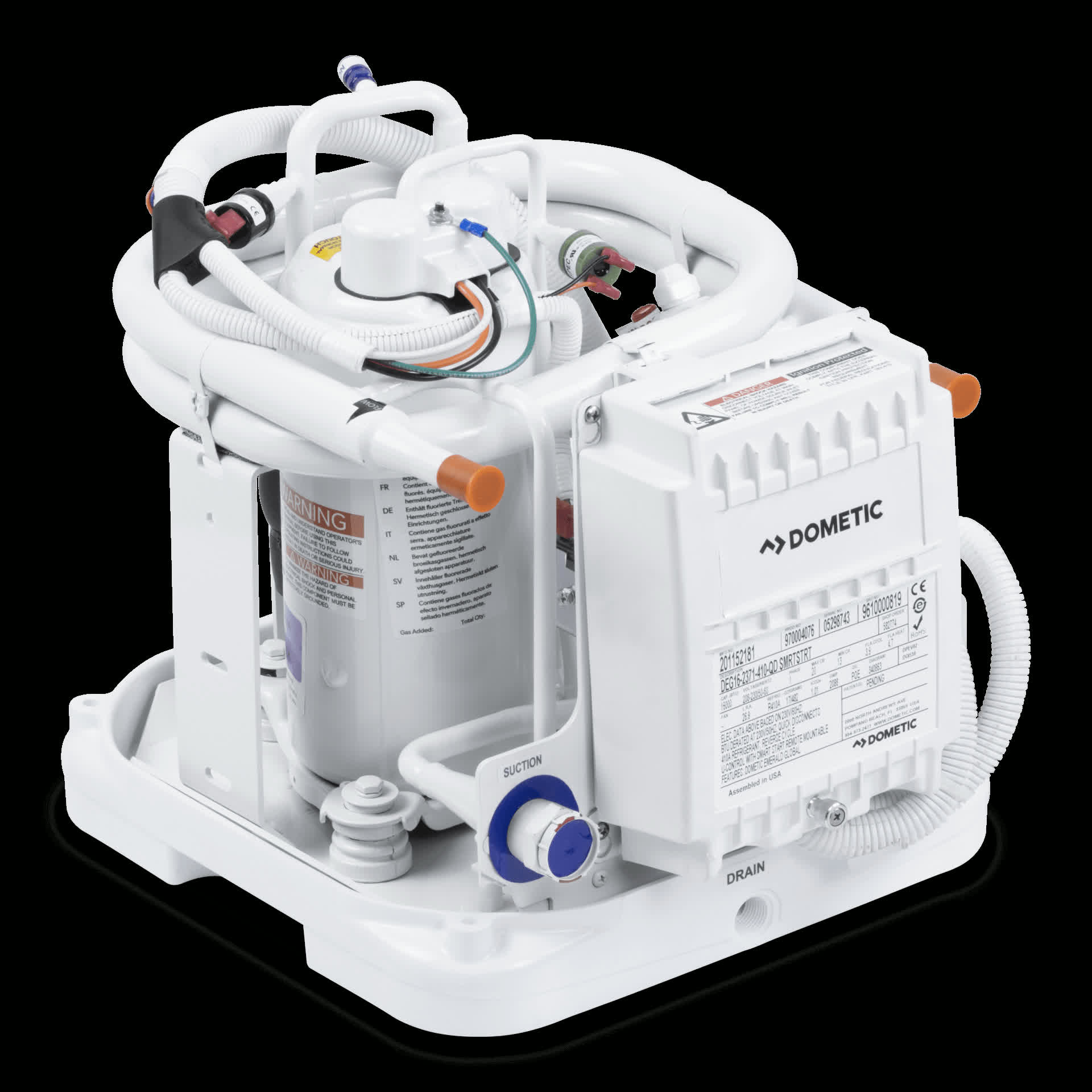
Dometic Emerald Self-Contained AC
Best mainstream self-contained unit for a single cabin
The Emerald line is Dometic's current mainstream self-contained platform and the unit you'll find pre-installed on a large share of new production sailboats in the 32–45 ft range. It's a conventional 115V/230V compressor unit: raw water is pumped through a seawater-cooled condenser, and a single blower distributes cooled or heated air through ducting to one or more cabins from a single chassis. It is not a plug-and-run appliance — proper thru-hull, strainer, and condensate drain installation determines whether it runs for ten years or floods a bilge in year two.
- Type
- Self-contained reverse-cycle, seawater-cooled condenser
- Capacities
- 5,000–16,000 BTU/h models, 115V or 230V
- Pump
- Included raw-water circulating pump, sized to unit BTU rating
- Control
- Digital keypad or remote thermostat with heat/cool/fan modes
Pros
- Widely installed OEM unit on production sailboats, so parts and service techs are easy to find
- Compact footprint fits a cockpit locker or under-berth installation on a 30–45 ft boat
- Reverse-cycle heat mode is genuinely useful for shoulder-season marina stays
Cons
- Needs shore power or a generator running continuously — not sized for lithium/inverter-only use
- Like all self-contained units, performance drops once seawater temperature falls below roughly 40°F
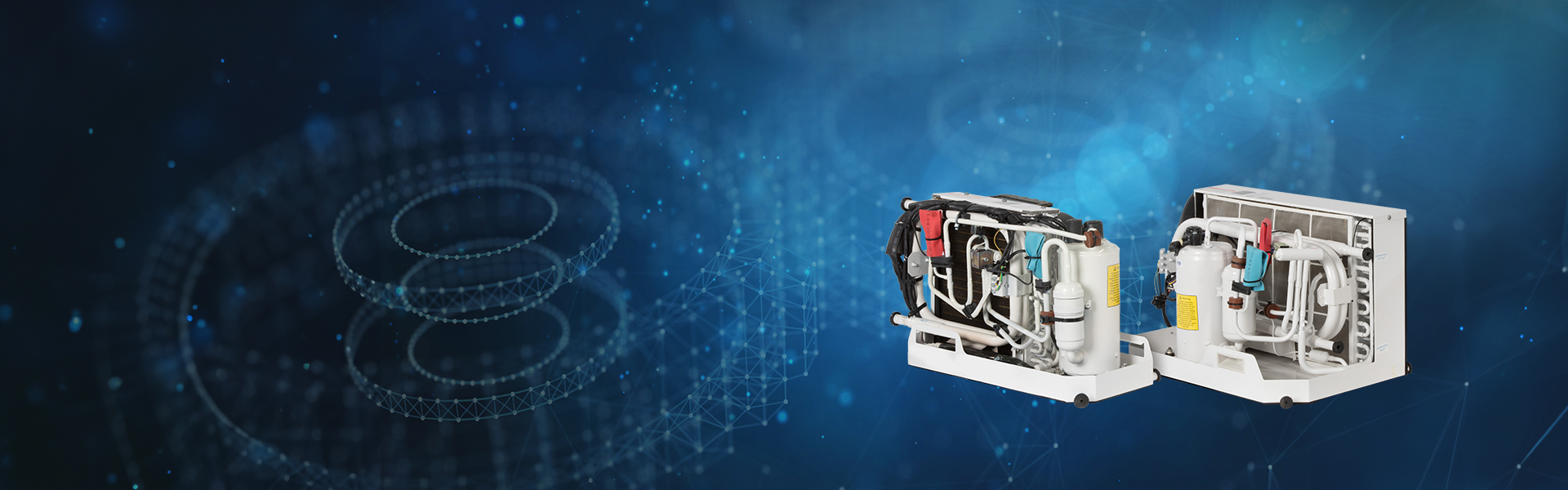
Webasto FCF Platinum
Best higher-output self-contained unit for larger cabins
The FCF Platinum is Webasto's updated self-contained range, sold in 12,000 and 16,000 BTU/h capacities. It follows the same layout as any self-contained marine AC — sealed refrigerant loop, seawater-cooled condenser, and a single air handler — but with a redesigned cabinet and coil intended to improve airflow and dehumidification versus the older FCF Classic. If you're already running a Webasto diesel heater aboard, pairing it with a Webasto AC keeps service and parts sourcing under one brand, though the compressor still needs mains or generator power to run.
- Type
- Self-contained reverse-cycle, seawater-cooled
- Capacities
- 12,000 and 16,000 BTU/h models
- Voltage
- 115V or 230V, 50/60 Hz variants
- Warranty
- Manufacturer-published two-year warranty
Pros
- Higher-BTU models than most direct competitors at a similar chassis size, useful for open-plan salons
- Webasto's marine dealer network overlaps with diesel heater installers, useful if you're also running one of their heating systems
- Improved coil and cabinet design over the older Webasto FCF Classic, per manufacturer specs
Cons
- Higher BTU output only helps if the space is properly sized for it — oversizing this unit for a small cabin causes short cycling
- Still a shore-power/generator unit; not designed for inverter-only anchoring-out use
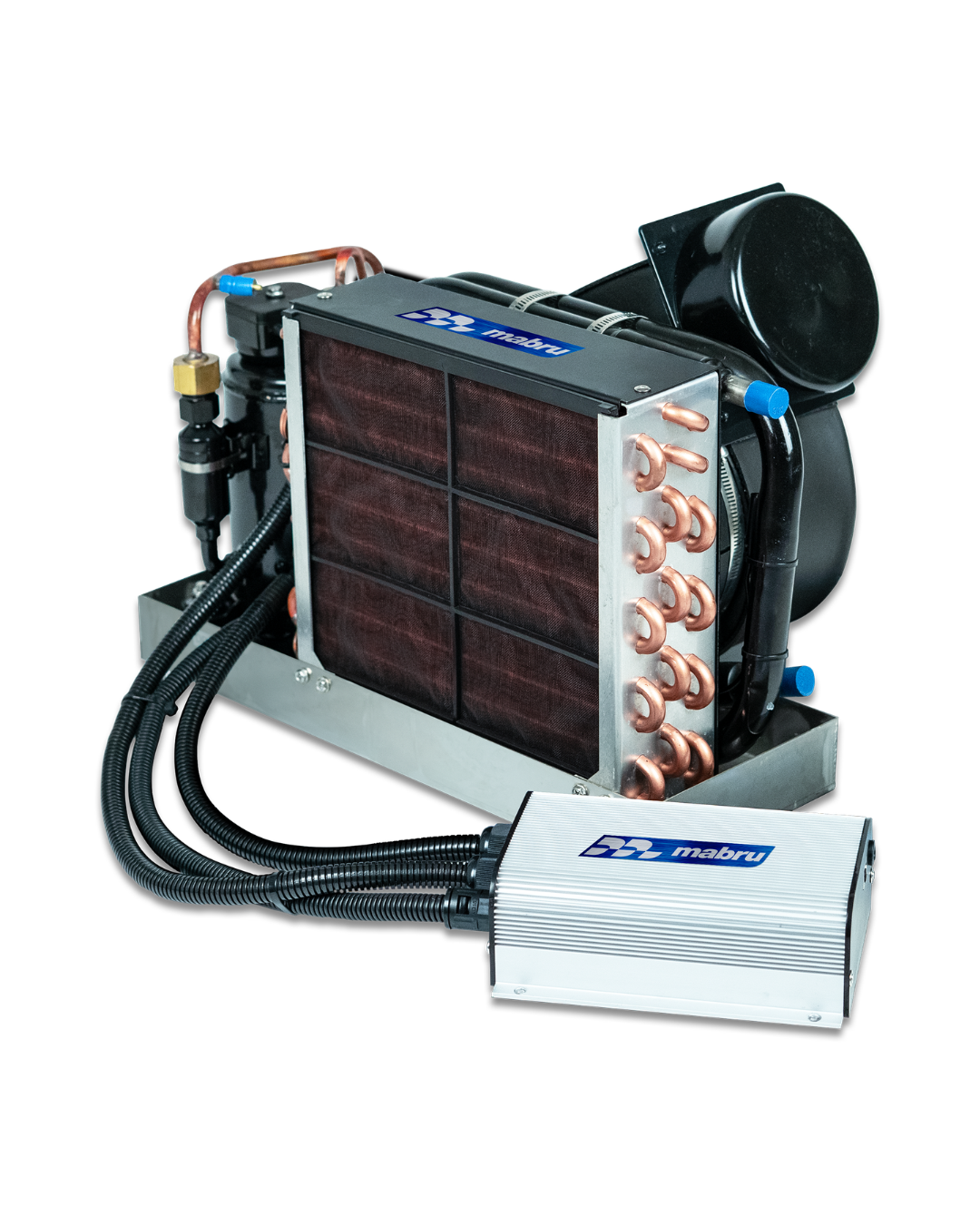
Mabru Power Systems SC12DC
Best 12V DC self-contained unit for lithium-bank anchoring
Mabru builds dedicated 12V and 24V DC self-contained units specifically so a boat can run air conditioning at anchor without a generator or shore cord. The SC12DC uses the same raw-water-cooled architecture as a conventional unit but drives a variable-speed DC compressor directly from the battery bank, which avoids inverter conversion losses and lets the compressor throttle down instead of cycling hard on and off. It only makes sense paired with the kind of lithium capacity and charging discussed in our <Link to="/guides/best-lithium-batteries">lithium battery guide</Link> — running one off a small AGM house bank will empty it in a few hours.
- Cooling capacity
- 12,000 BTU/h cooling, roughly matched heating in reverse cycle
- Power source
- 12V DC direct — no inverter required to run the compressor
- Compressor
- Variable-speed DC compressor, per manufacturer data
- Amp draw
- Manufacturer-published draw in roughly the 20–40A range at 12V depending on mode and speed
Pros
- Runs straight off a 12V lithium bank with no inverter losses, which matters over a full night at anchor
- Variable-speed DC compressor ramps to match load instead of hard on/off cycling like a fixed-speed AC unit
- Purpose-built for the exact anchoring-out use case that a shore-power-only unit can't serve
Cons
- Amp draw at 12V is still substantial — this only works with a properly sized lithium bank and charging plan, not a small house battery
- Higher purchase price than an equivalent-capacity 115V self-contained unit, reflecting the DC compressor technology
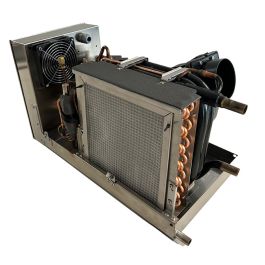
Velair i09 12V DC Variable Speed
Best compact DC unit for a single stateroom
Velair's compact DC range targets the same anchoring-out use case as Mabru but in smaller capacities aimed at cooling one cabin at a time rather than an entire boat from a single chassis. The variable-speed drive is the whole point: instead of a fixed-speed compressor slamming on and off, it modulates output to match the actual cooling load, which is both quieter and easier on a battery bank than hard cycling. It's a reasonable building block for a zoned, DC-only AC plan on a boat that already has a serious lithium and solar setup.
- Cooling capacity
- 9,000 BTU/h cooling with reverse-cycle heat
- Power source
- 12V DC, Italian-built VSD (variable speed drive) compressor
- Country of origin
- Italy, per manufacturer/distributor listings
- Control
- Smart electronic controller with automatic speed modulation
Pros
- VSD compressor technology is Velair's core design focus, aimed specifically at efficient DC operation
- 9,000 BTU size suits a single aft or forward cabin rather than trying to cool an entire boat from one chassis
- Reverse-cycle heat mode adds shoulder-season utility beyond straight cooling
Cons
- At 9,000 BTU it won't cool an open salon plus cabins from a single unit — expect to zone larger boats with multiple units
- Premium European pricing relative to a comparable 115V self-contained unit of the same capacity
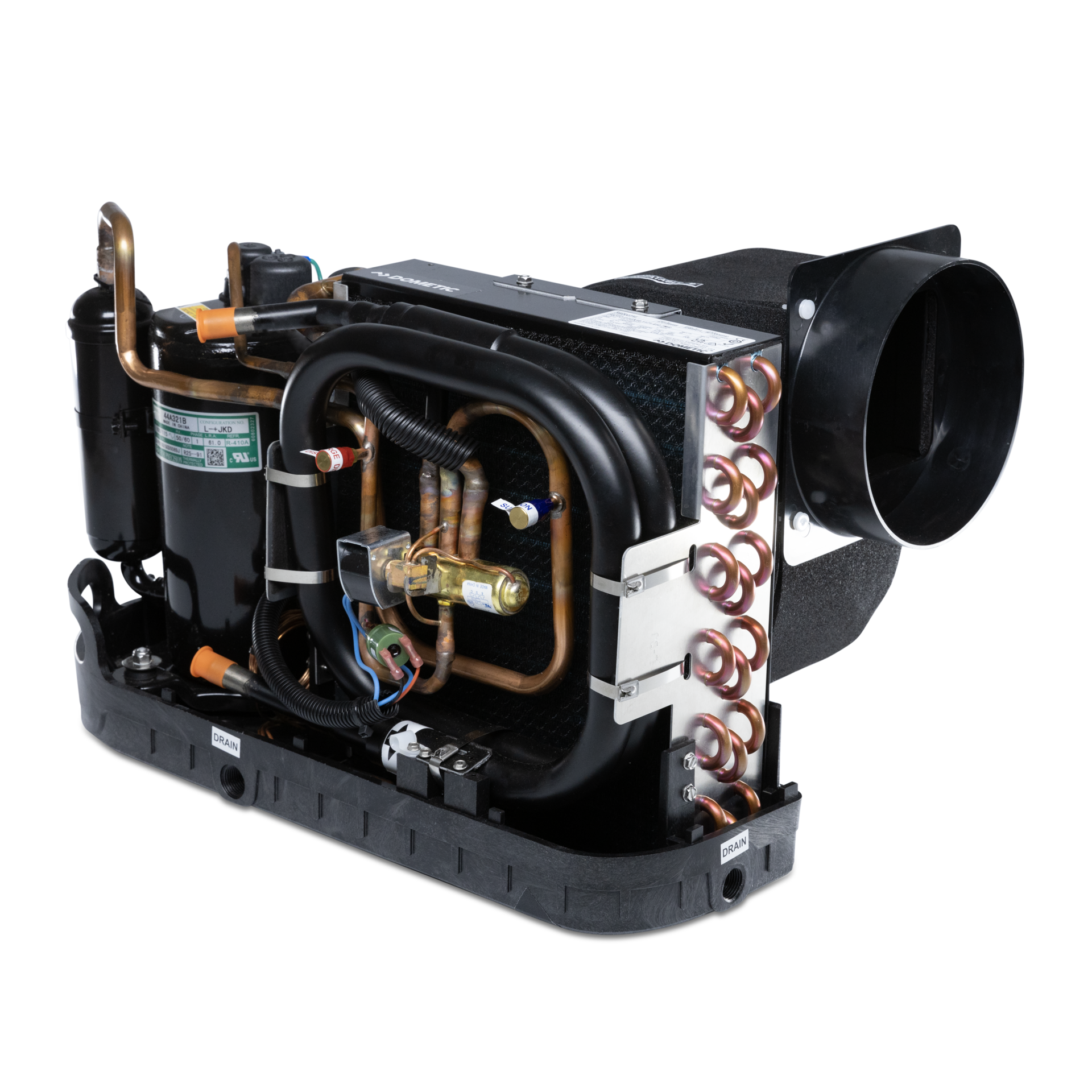
Dometic VARCX Split System
Best split system for multi-cabin cooling on larger boats
Split systems separate the compressor and condenser from the air handling side, similar to a residential split AC. On a boat, that means one seawater-cooled condensing unit feeding refrigerant lines out to several smaller air handlers, one per cabin, each with its own thermostat. This is the right architecture once you're cooling three or more separate spaces on a larger cruising boat or catamaran — a single self-contained unit forces long ducting runs that lose capacity and get noisy. The tradeoff is installation complexity: refrigerant line brazing and charging is licensed-technician work, not a weekend project.
- Type
- Split system — remote seawater-cooled condensing unit plus separate air handlers
- Zoning
- Multiple air handlers can run off one or more condensing units
- Capacity range
- Scales from roughly 16,000 BTU/h up into multi-zone configurations
- Refrigerant lines
- Requires field-run copper refrigerant lines between condenser and each air handler
Pros
- Lets you place smaller, quieter air handlers in each cabin instead of ducting long runs from one central chassis
- Scales more sensibly than a single self-contained unit on boats over roughly 45 feet with several separate cabins
- Condensing unit can be sited in a machinery space away from living areas, cutting noise where you sleep
Cons
- Installation requires refrigerant line runs and a certified technician to braze and charge the system — this is not a DIY retrofit
- Meaningfully more expensive in parts and labor than a single self-contained unit of similar total capacity
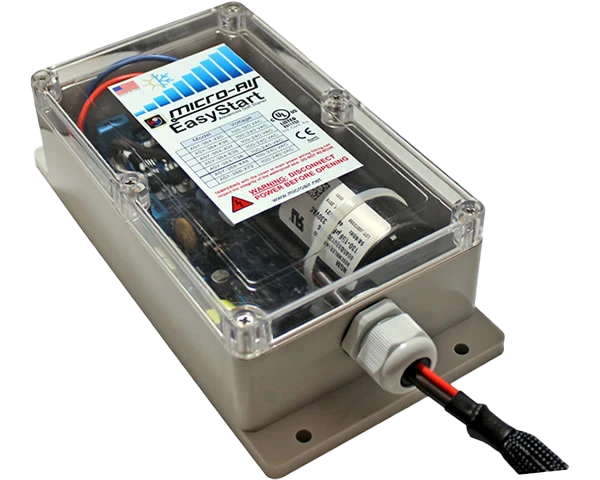
Micro-Air EasyStart 368
Best soft-start module for running AC off an inverter
A soft-start module doesn't change how much power an air conditioner draws while running — it changes the brutal current spike a compressor pulls for a fraction of a second at startup, which is what actually trips small generators and inverters. Adding one to a conventional 115V self-contained AC is often the difference between needing a large, dedicated genset and being able to start the compressor off a well-sized inverter, discussed further in our <Link to="/guides/marine-inverter-chargers">inverter and charger guide</Link>. It doesn't solve the ongoing running-load problem — that's still down to battery capacity and charging.
- Function
- Soft-start module that reduces compressor inrush current at startup
- Capacity
- Supports single-phase compressors up to roughly 6 tons (72,000 BTU) per manufacturer specs
- Voltage
- 115V and 230V single-phase variants available
- Installation
- Wires in line with the compressor's start circuit; weather-resistant enclosure
Pros
- Cuts the startup current spike a compressor draws by a large margin, letting a smaller inverter or generator start the unit
- Makes it realistic to run a conventional 115V self-contained AC briefly off a large inverter and lithium bank, not just shore power
- Bluetooth-enabled variants let you monitor startup performance from a phone during commissioning
Cons
- It reduces starting current — it does not reduce the AC's continuous running draw, which is still substantial on an inverter
- Adds a component and wiring step to the AC circuit that needs to be sized and installed correctly for the specific compressor
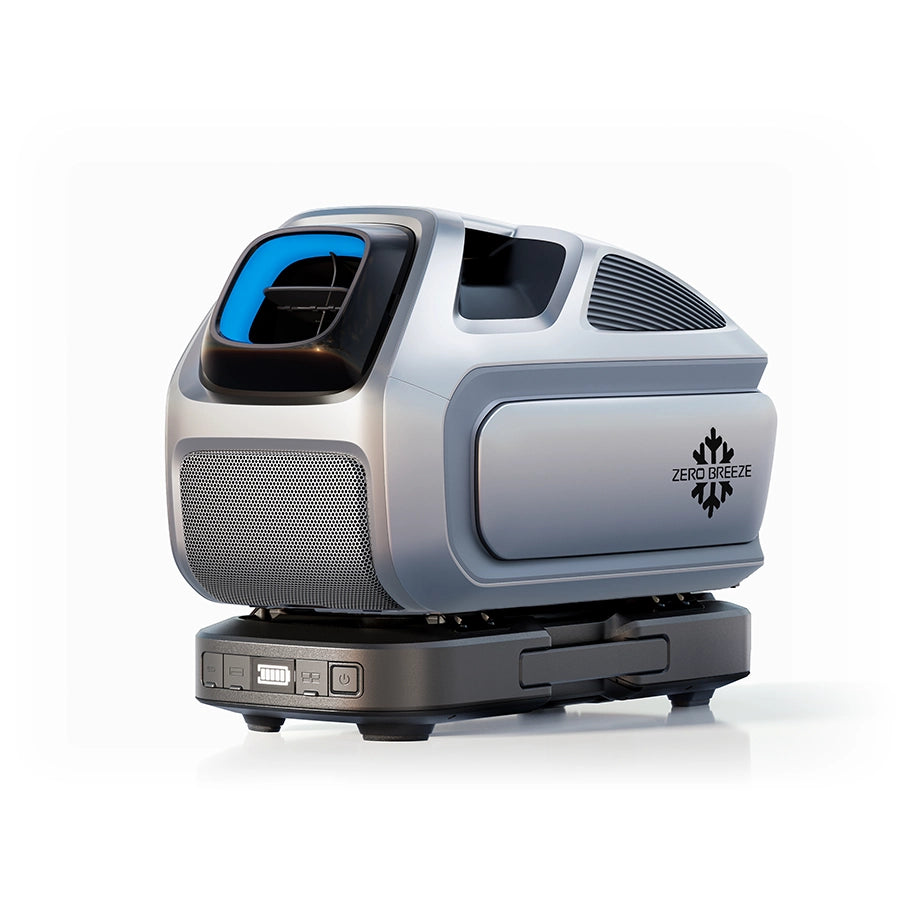
Zero Breeze Mark 3 Portable AC
Best portable/hatch-mount unit for dockside or no-install use
Not every boat needs, or can support, a permanently plumbed AC system. A hatch-mount or fully portable unit like this is aimed at boats that only need supplemental cooling at the dock on the worst days of summer, or owners who don't want to cut a thru-hull for a seawater-cooled system. It trades capacity and continuous run time for zero installation commitment — reasonable for a weekend boat, underwhelming as the sole cooling source for a boat used as a full-time liveaboard in hot climates.
- Type
- Portable, battery- or AC-powered compressor unit, no permanent install
- Power options
- Runs on DC battery pack or AC power per manufacturer specs
- Draw
- Manufacturer-published 150–500W depending on mode and ambient temperature
- Setup
- Hoses vent through a hatch, port, or companionway opening
Pros
- Zero permanent installation — no thru-hull, no ducting, no condensate plumbing to get wrong
- Genuinely portable between boats, or between a boat and a car/tent, unlike any built-in system
- Reasonable option for occasional dockside comfort without committing to a full marine AC install
Cons
- Meaningfully lower cooling capacity and colder-water performance than a proper seawater-cooled self-contained unit
- Running it off battery for a full hot night draws down a portable pack fast; it's really a dockside or short-duration tool
How to choose
| Product | Price range | Best for | Key spec |
|---|---|---|---|
| Dometic Emerald Self-Contained | $1,500–$3,000 | Single-cabin OEM-style install | 5,000–16,000 BTU/h, 115V/230V |
| Webasto FCF Platinum | $1,800–$3,200 | Larger open-plan salons | 12,000–16,000 BTU/h |
| Mabru Power Systems SC12DC | $4,500–$6,000 | Lithium-bank anchoring out | 12,000 BTU/h, 12V DC variable-speed |
| Velair i09 12V DC | $3,700–$5,400 | Single-cabin DC zoning | 9,000 BTU/h, VSD compressor |
| Dometic VARCX Split System | $4,000–$9,000+ installed | Multi-cabin boats, catamarans | 16,000 BTU/h+, multi-zone air handlers |
| Micro-Air EasyStart 368 | $300–$400 | Starting AC off an inverter/generator | Soft-start up to ~6 tons, 115V/230V |
| Zero Breeze Mark 3 | $1,000–$1,500 | Dockside/no-install cooling | 150–500W draw, DC or AC powered |
Budget tiers
Under $1,500: soft-start modules and portable/hatch-mount units — supplemental tools, not a full built-in system.
$1,500–$3,500: conventional self-contained 115V/230V units, the mainstream choice for single- and two-cabin boats on shore power or a generator.
$4,000 and up: 12V/24V DC anchoring-out units and multi-zone split systems — worth it once your boat's power system or cabin layout genuinely needs it, not before.
Related guides
 Comfort
Marine Diesel Heaters: Webasto vs Espar vs Refleks
Forced-air and radiant diesel heaters for cruising sailboats — how to choose, install, and avoid the top failure modes.
 Comfort
Best Marine Speakers and Stereos for Sailboats
Waterproof marine speakers and stereo head units compared — power draw, NMEA 2000, mounting and wiring.
 Comfort
Best Marine Watermakers for Sailboats
Spectra, Rainman, Katadyn and more — which watermakers match cruising energy budgets and boat sizes.
 Comfort
Marine Refrigeration for Sailboats
Marine refrigeration — Isotherm, Nova Kool, Frigoboat keel-cooler conversions, and how to minimize energy use.
Looking for more gear guides? Browse all our gear recommendations or the full guides index.