
Marine Alternators and External Regulators
Swapping in a lithium house bank exposes a weak link that lead-acid systems mostly hid: the stock engine alternator and its internal regulator. A basic internal regulator reads only battery voltage, and a lithium bank's flat voltage curve keeps that voltage low right up until the bank is nearly full — so the regulator just keeps commanding full field output, and the alternator runs at maximum current for as long as the engine turns. That's fine for twenty minutes. It is not fine for the two- or three-hour motor legs common on a cruising boat, and it's the single most common cause of alternator failure after a lithium retrofit. This guide covers the alternator, external regulator, and belt-drive changes that actually fix the problem, along with the DC-DC-charger alternative for boats that don't want to touch the alternator at all. For the battery side of this upgrade, see our lithium battery guide.
Sailboat Atlas may earn a commission from qualifying purchases made through links on this page, at no extra cost to you.
Why a stock alternator is a poor match for a lithium house bank
A factory internal regulator is a simple device: it watches system voltage and adjusts alternator field current to hold that voltage near a fixed target. Against a lead-acid battery, that works reasonably well because lead-acid voltage rises steadily as the battery fills, which naturally causes the regulator to taper field current and reduce alternator output as charging progresses.
A lithium bank breaks that assumption. Its voltage stays nearly flat from roughly 20% to 90% state of charge, so from the regulator's point of view the battery looks "not yet full" for almost the entire charge cycle. The regulator keeps commanding full field output because nothing tells it to stop, and the alternator runs at or near its maximum continuous rating for as long as the engine turns and the bank is accepting current — often well beyond what the alternator was ever designed to sustain.
Alternator temperature and belt load limits
Alternators are rated for a maximum continuous output at a given ambient temperature, and output capacity drops as the unit heats up — most manufacturers publish separate output curves for ambient and hot conditions showing a meaningful derate. A stock automotive-style alternator run continuously at full field in a hot engine compartment will exceed its design temperature well before a typical two-hour motoring leg is over, cooking windings, bearings, and diode packs. Separately, the belt driving the alternator has its own limit — a single V-belt is generally rated for roughly 100A of load on a 12V system before it slips under peak torque, regardless of how much amperage the alternator itself could theoretically produce.
Small-case vs. large-case alternators and frame types
Marine alternators are broadly split into small-case and large-case frames. Small-case units are the most common factory fitment on small and mid-size diesels and top out somewhere in the 100–250A range depending on design generation (Balmar's 6-Series and XT-Series both live in this category). Large-case alternators, like Electromaax's Genmaax line, are physically bigger, use heavier bearings and windings, and are built for sustained high-amperage duty — but they require a large-case mounting bracket and pulley, so they're rarely a simple bolt-in on an engine that shipped with a small-case unit. Match the frame type to what your engine's mounting bracket actually supports before shopping by amperage alone.
Single vs. dual belt and serpentine conversions
Once an alternator's rated output pushes past roughly 100A, the stock single V-belt becomes the bottleneck rather than the alternator itself. Boats have historically solved this with a second V-belt running alongside the first, but keeping two separate belts evenly tensioned and aligned is a persistent maintenance headache. A serpentine (multi-rib) belt conversion replaces the V-belt pulleys with wider, ribbed pulleys and a single flat serpentine belt that has significantly more contact area, transmitting more torque without the alignment problems of dual belts. The reliable early-warning sign that you've outgrown a single V-belt is fine black rubber dust collecting near the alternator and pulleys — that's the belt already slipping under load, not a tensioning problem to be fixed by cranking the belt tighter.
What an external smart regulator actually does
An external regulator replaces the alternator's built-in unit and takes over field control using more inputs than voltage alone. A ramp-up delay slowly increases field current after startup instead of slamming to full output the instant the engine fires, which reduces belt shock load and gives the alternator a moment to start dissipating heat before hitting peak demand. Multi-stage charge profiles — bulk, absorption, and float, plus a distinct lithium/LiFePO4 profile on most modern regulators — replicate what a good shore charger does, rather than treating the alternator as an on/off switch.
The most important addition is temperature sensing. A sensor on the alternator case lets the regulator actively reduce field current before the unit overheats, rather than relying on the alternator's own thermal cutout as a last resort. A second sensor on the battery bank lets some regulators also protect a lithium bank from charging below freezing, a real failure mode for LiFePO4 cells that a voltage-only regulator has no way to detect.
The DC-DC-charger alternative — and when it's the smarter choice
An alternator-to-battery (A2B) charger, like Sterling Power's line, takes a different approach: leave the alternator and its factory regulator alone, and instead condition the power after it reaches the start battery, delivering a controlled multi-stage profile to the house bank. This is the more practical choice when the existing alternator is healthy and there's no appetite for a belt conversion, bracket swap, or the wiring changes an external regulator install usually involves. The tradeoff is that total charge current is still capped by whatever the stock alternator was already producing — a DC-DC charger controls the profile, not the ceiling. It pairs well with a shore-power inverter/charger setup, since both devices are managing charge profiles into the same lithium bank from different power sources.
Charging the start battery and installation reality
Whichever path you choose, the engine's start battery still needs its own charge from the alternator, typically through the same combiner, isolator, or voltage-sensitive relay (VSR) the boat already has. External regulators and A2B chargers generally slot in without disturbing that split — the regulator changes how the alternator behaves, and the combiner still decides how that output gets shared between start and house banks.
On the mechanical side, pulley alignment matters more than most owners expect: a serpentine or dual-belt setup that isn't precisely aligned will squeal, wear unevenly, and shed the exact belt dust the conversion was meant to eliminate. On the electrical side, cable and fuse sizing has to match the alternator's actual maximum output, not its nameplate rating under ideal conditions — undersized cable between the alternator and battery is a fire risk and a voltage-drop problem that can fool a regulator into thinking the battery needs more current than it does. If you're also adding solar to the same lithium bank, see our marine solar panel guide for how the two charge sources should be coordinated rather than fighting each other for control of the same battery.
Our picks
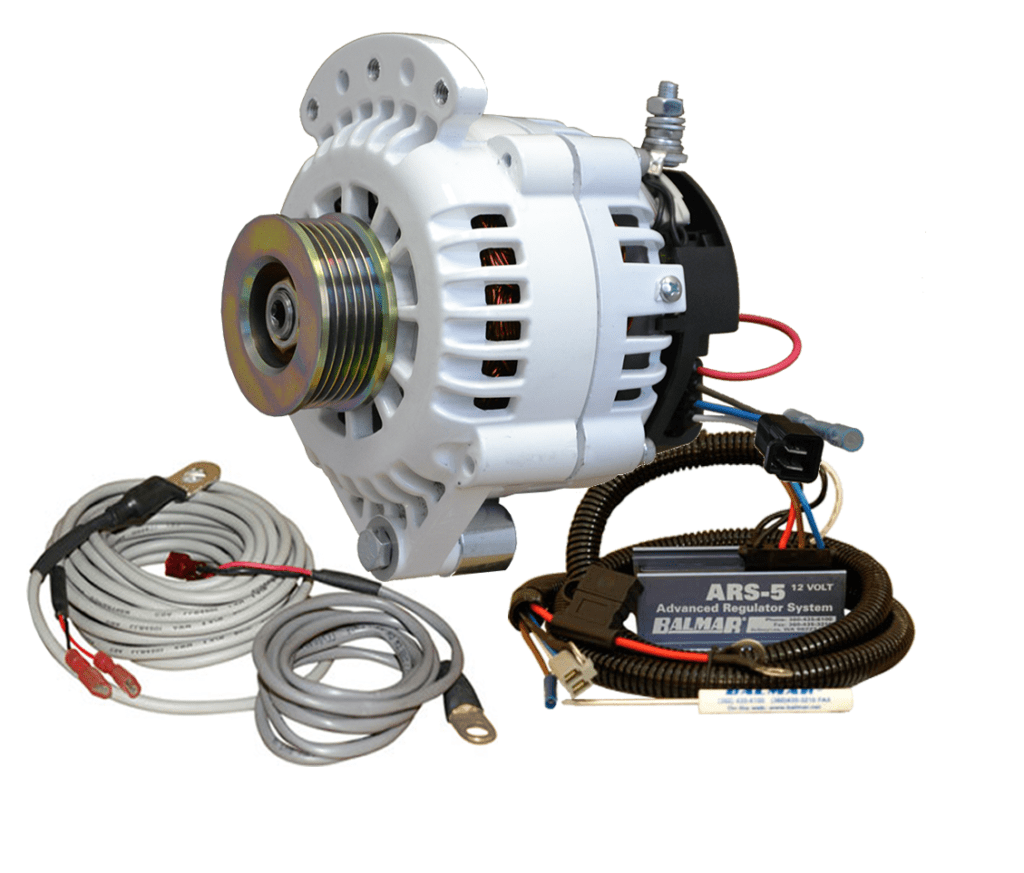
Balmar 6-Series Alternator
Best drop-in high-output replacement for a stock small-case alternator
The 6-Series is Balmar's volume seller for a reason: it's sized to bolt into the same small-case footprint as most factory Yanmar, Volvo, and Universal alternators, but with real cooling and duty-cycle margin behind the higher amperage rating. Bought alone with its stock internal regulator, it will still full-field a lithium bank the same way a stock unit does — the alternator upgrade only pays off once it's paired with an external regulator like the MC-618 or a Wakespeed unit that can back off output and manage temperature.
- Output
- 70A, 100A, or 120A versions, small-case frame
- Cooling
- Dual internal fans, high-airflow frame design
- Regulation
- Sold internally regulated or as a kit with an external regulator
- Max RPM
- 12,000 rpm rating; USCG Title 33 and ISO 8846 certified
Pros
- Fits most small-case OEM mounting brackets, so it's often a bolt-in swap without engine bracket work
- Dual-fan cooling and a heavier-duty case handle sustained output far better than a stock automotive-derived alternator
- Available pre-wired for external regulation, which is the point of buying it in the first place
Cons
- At the top of its output range (100–120A) it still needs a serpentine or dual-belt setup to transmit full power reliably
- Buying it with the internal regulator instead of pairing it with an external smart regulator wastes most of its advantage
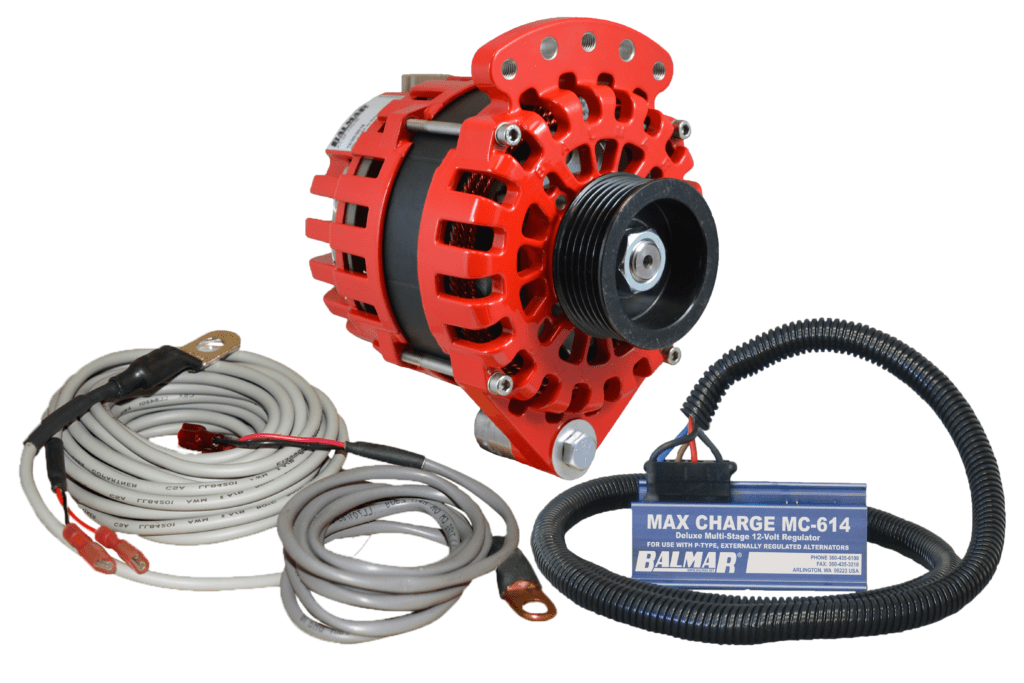
Balmar XT-Series Alternator
Best small-case alternator for a lithium bank needing serious idle-speed output
The XT-Series is Balmar's answer to lithium banks that want to absorb 150A+ during a charge cycle without motoring for hours. Because it's still a small-case unit, it's a realistic swap on engines that can't fit a large-case frame, but the output numbers only translate to real-world charging if the belt drive, cabling, and regulator are all upgraded together — the alternator is the least likely part of this system to be the bottleneck once installed.
- Output
- 170A or 250A in a small-case package
- Idle performance
- Up to roughly 180A at idle speeds per Balmar's published curves
- Stator design
- Braided stator wire construction for higher output density
- Thermal
- Runs roughly 5–10°C cooler than Balmar's prior AT-Series at the same load
Pros
- Delivers large-case-level amperage from a small-case frame, useful where engine room space is tight
- Strong low-RPM output means less time motoring at high RPM just to feed the house bank
- Designed with lithium banks specifically in mind, not adapted from a lead-acid-era design
Cons
- 170–250A of sustained output demands a serpentine belt conversion and heavy-gauge cabling; it is not a plug-and-play upgrade
- Meaningfully more expensive than the 6-Series, and only worth it if your regulator and wiring can actually support the output
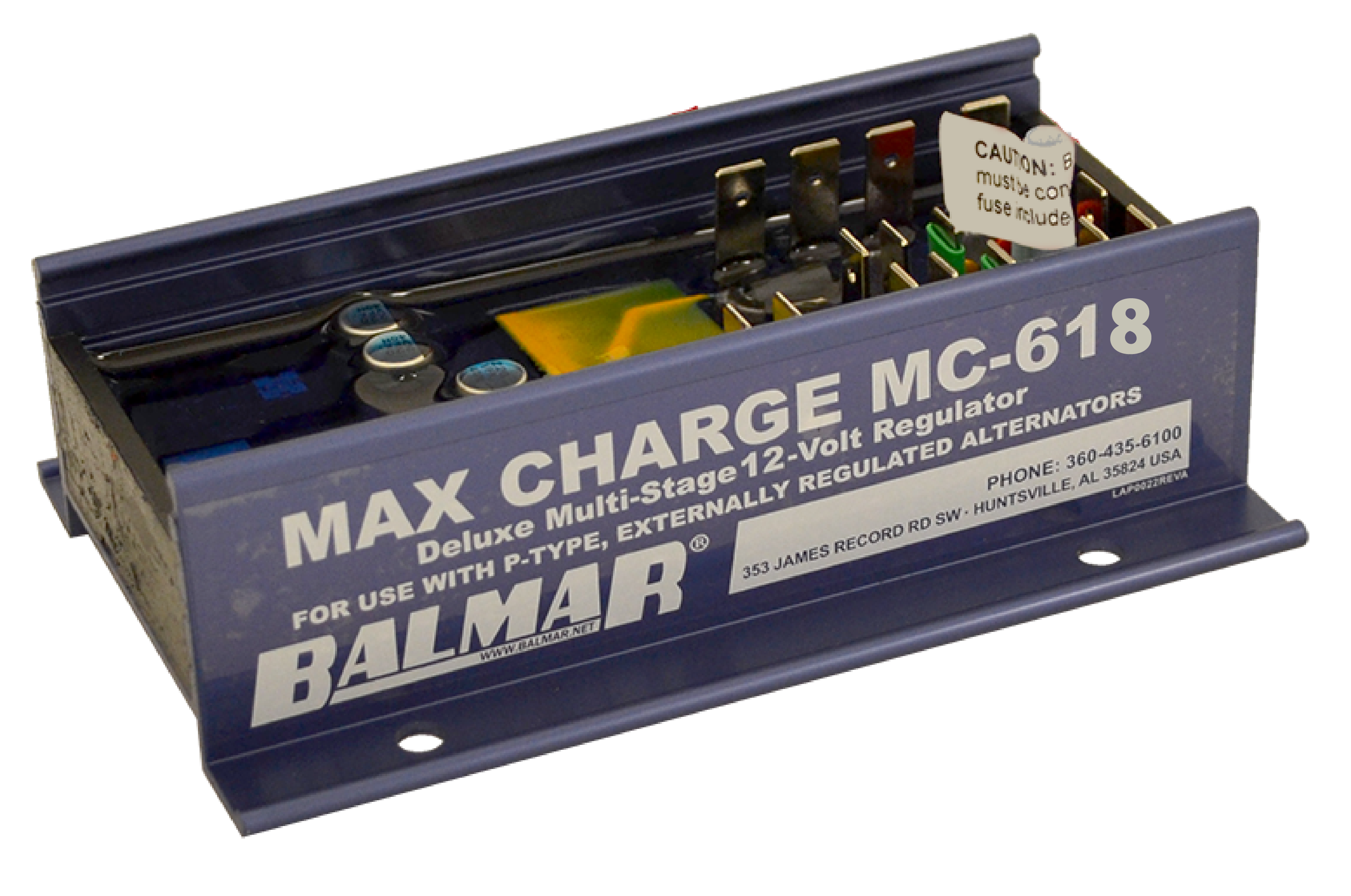
Balmar MC-618 External Regulator
Best external smart regulator for most lithium and mixed-chemistry retrofits
This is the core piece missing from almost every stock charging system: a controller that watches alternator and battery temperature and manages field current instead of letting the alternator run at whatever the battery voltage happens to ask for. Paired with a lithium bank, the MC-618 ramps output up gradually after startup, holds a safe ceiling based on measured alternator temperature, and steps down for absorption and float the way a smart battery charger does. It's the single most cost-effective upgrade for stopping alternator burnout.
- Sensing
- Battery and alternator temperature sensors included
- Profiles
- Multi-stage charging with a dedicated lithium/LiFePO4 profile
- Protection
- Improved high-temperature alternator control and low-temp lithium protection
- Interface
- Programs via the SG200 display or Balmar's Bluetooth app and gateway
Pros
- Ramp-up delay and belt-load management prevent the alternator from slamming to full field the instant the engine starts
- Alternator temperature sensing actively derates output before heat damage happens, rather than after
- Field-proven, widely supported product with a large installed base on cruising boats
Cons
- Requires running a temperature sensor lead to the alternator case and ideally one to the battery bank, adding install complexity
- Configuration for a specific lithium BMS's charge parameters takes real study of both manuals — it's not a set-and-forget wire-in
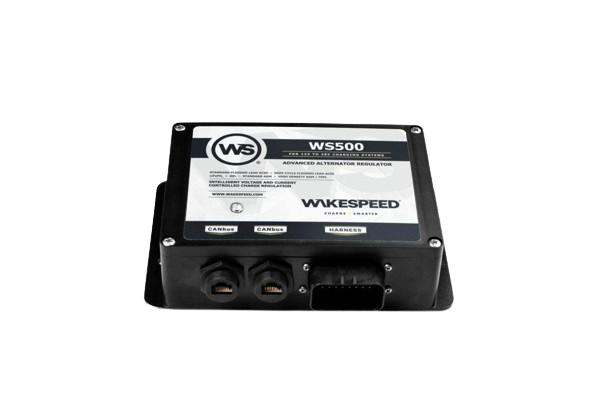
Wakespeed WS500 Advanced Alternator Regulator
Best regulator for high-output or dual-alternator systems needing current sensing
The WS500 is built for boats pushing the upper end of alternator-based charging — large lithium banks, dual alternators, or systems where a BMS communicates a live current limit over CAN that the regulator needs to obey in real time. It's overkill for a boat with one modest alternator charging a small lead-acid bank, but for a serious lithium retrofit with a beefy alternator, it gives finer control than voltage-only regulation, including genuine current-limiting rather than approximated field control.
- Sensing
- Voltage, current (via shunt or CAN), and dual temperature inputs
- Compatibility
- 12V, 24V, and 48V systems with configurable intermediate voltages
- Networking
- NMEA 2000 output for integration into an existing N2K instrument network
- Configuration
- DIP switches for basic setup; USB or Bluetooth (Pro model) for full programming
Pros
- True current sensing lets it precisely match charge current to a BMS's request rather than estimating from voltage alone
- NMEA 2000 output means alternator data can show up on an existing chartplotter or display without a separate gauge
- Handles higher-end and dual-alternator installs that outgrow a basic regulator's control range
Cons
- More expensive than the Balmar MC-618, and much of its capability is wasted on a simple single-alternator lead-acid system
- Full configuration for advanced features requires more electrical fluency than Balmar's display-driven setup
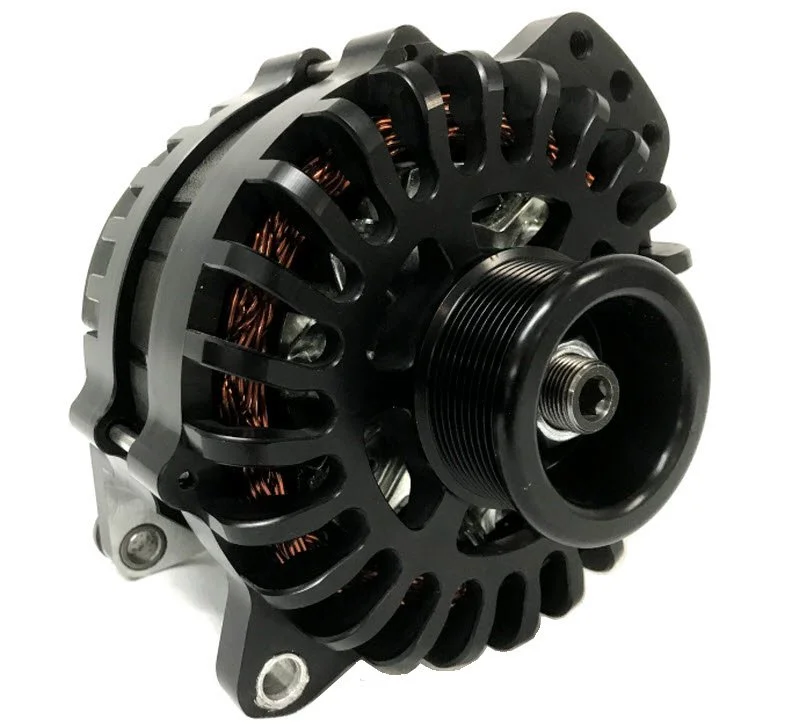
Electromaax Genmaax High-Output Alternator
Best large-case alternator for boats replacing a factory unit with serious amperage
Electromaax targets cruisers who want to treat the engine's alternator as a functional replacement for running a generator to charge a large house bank. The Genmaax line delivers genuinely high sustained amperage, but that only works safely with a serpentine belt conversion, properly sized cable runs, and — ideally — their matched E-MAAX regulator or an equivalent smart regulator managing temperature and field current. Don't buy the alternator without budgeting for the rest of the system at the same time.
- Output
- 215A or 250A 12V versions available
- Frame
- Large-case marine alternator, typically replacing OEM large-frame units
- Regulation
- Sold as alternator-only or bundled with Electromaax's E-MAAX smart regulator
- Application
- Marketed as a genset alternative for boats wanting to charge fast under way
Pros
- Large-case frame and heavier bearings are built for continuous high-amperage duty, not adapted from a car alternator
- Bundling with a matched smart regulator avoids the mismatch of a high-output alternator with a basic internal regulator
- North American manufacturer support with direct sales, useful for warranty and technical questions
Cons
- Large-case alternators need a large-case mounting bracket and pulley — not a like-for-like swap on engines that shipped with a small-case unit
- At 215–250A the belt drive and cabling requirements are the most demanding on this list; budget for both alongside the alternator
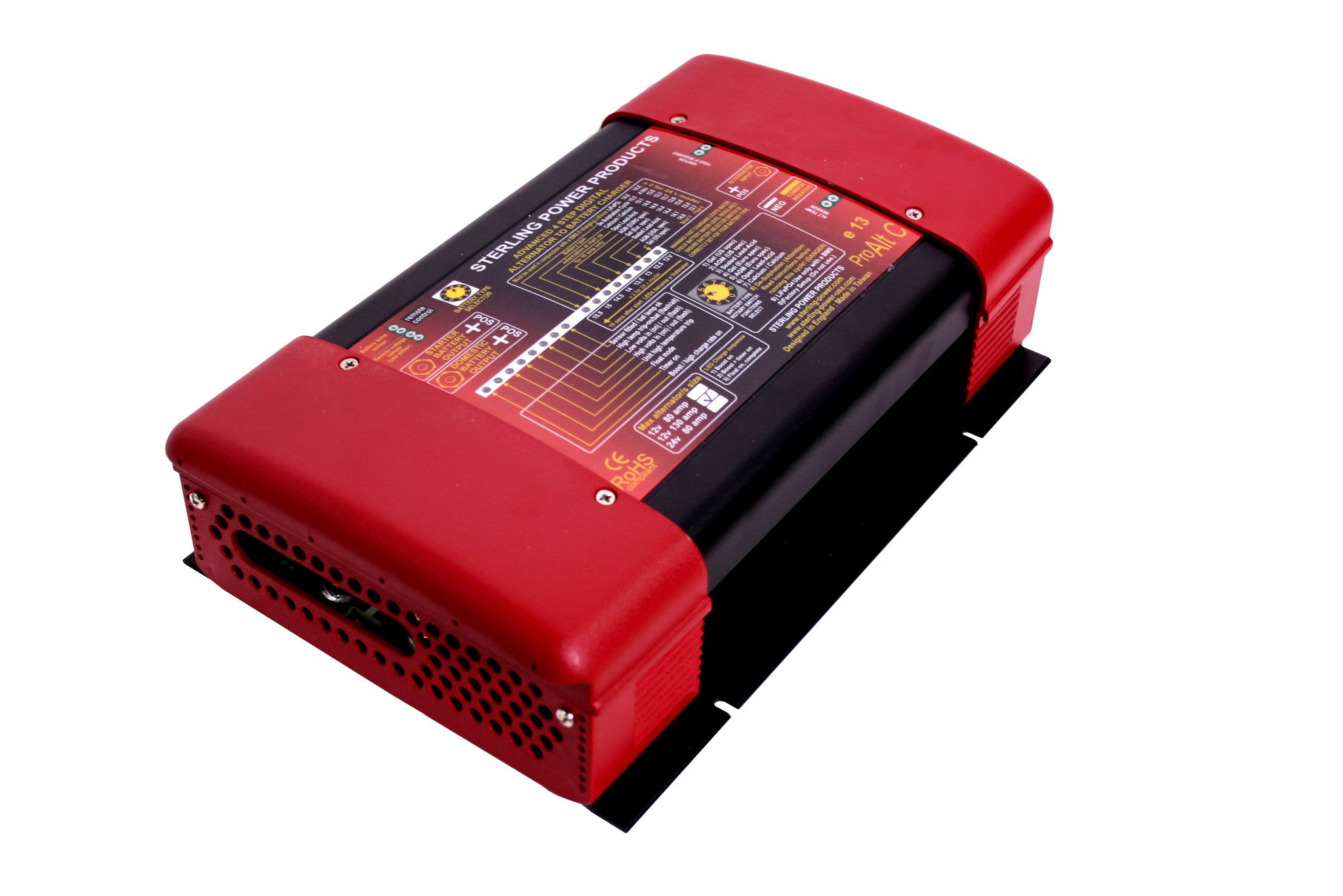
Sterling Power Alternator-to-Battery Charger (A2B)
Best alternative to alternator upgrades when the existing alternator is healthy
This is the DC-DC-charger path rather than the alternator-and-regulator path, and it's the smarter choice on a boat where the stock alternator is otherwise fine and there's no appetite for a belt conversion or bracket work. The Sterling unit takes whatever the alternator is already producing, buffers it through the start battery, and delivers a controlled, chemistry-appropriate charge to the house bank. It won't turn a tired stock alternator into a high-output one, but it solves the core problem — an uncontrolled charge profile hitting a lithium bank — without touching the engine's charging hardware.
- Input
- Takes power from the existing engine alternator and start battery
- Output
- 80A, 130A, 210A, or 400A models depending on unit
- Function
- Multi-stage DC-DC style charge profile tailored to the house bank chemistry
- Isolation
- Keeps alternator load and start-battery charging separate from house bank charge profile
Pros
- Lets a factory alternator with its factory internal regulator keep working normally, avoiding a regulator or alternator swap entirely
- Delivers a proper multi-stage lithium-safe charge profile to the house bank regardless of what the alternator itself is doing
- Simpler install for boats where alternator upgrades and belt work aren't practical or worth the cost
Cons
- The engine alternator still ultimately limits total charge current — this doesn't increase what the alternator can produce, only how that current is delivered
- Adds another box, more wiring, and another point of heat generation in the engine compartment
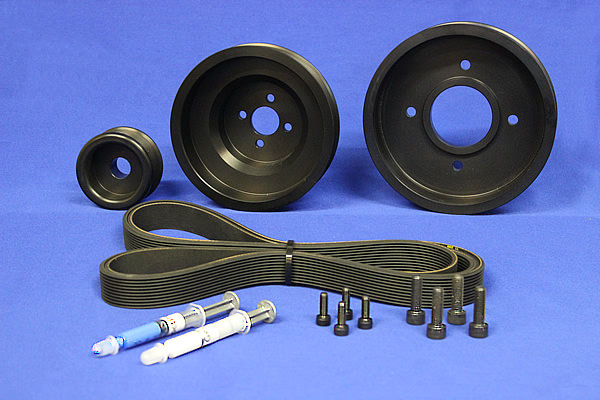
Serpentine Belt Pulley Conversion Kit
Best fix for belt slip and dust once alternator output exceeds single-belt capacity
A single V-belt is rated for roughly 100A of alternator load on a 12V system before it starts slipping under peak demand — exactly the point a lithium-ready high-output alternator blows past. The fix is a serpentine (multi-rib) belt conversion: new pulleys sized for a wider single belt with more contact area, replacing either one overloaded V-belt or two separate V-belts fighting alignment issues. If you see fine black rubber dust collecting under the alternator, that's the belt already slipping — the conversion kit is the correct fix, not a tighter belt or a different tensioner.
- Contents
- Matched crank, alternator, and idler/tensioner pulleys plus serpentine belt(s)
- Rated capacity
- Supports alternator loads well beyond the roughly 100A ceiling of a single V-belt
- Fitment
- Engine-specific kits for common marine diesels (Yanmar, Volvo, Universal, etc.)
- Spare belt
- Most kits include a spare belt, since a snapped belt underway kills all charging
Pros
- Solves belt slip and the fine black belt dust that's the telltale sign of an overloaded single V-belt
- Wider, multi-ribbed contact patch transmits meaningfully more torque without adding belt width or a second separate belt
- Quieter and lower-vibration than running two separate V-belts side by side on the same pulley
Cons
- Engine-specific fitment means you need the exact kit for your engine model, not a generic part
- Installation involves realigning pulleys precisely; poor alignment causes belt squeal and premature wear that undoes the benefit
How to choose
| Product | Price range | Best for | Key spec |
|---|---|---|---|
| Balmar 6-Series Alternator | $450–$750 | Small-case drop-in upgrade | 70–120A, dual-fan small-case frame |
| Balmar XT-Series Alternator | $900–$1,600 | High idle-speed lithium charging | 170–250A in a small-case frame |
| Balmar MC-618 Regulator | $350–$500 | Most lithium retrofits | Alternator + battery temp sensing, lithium profile |
| Wakespeed WS500 Regulator | $550–$750 | High-output or dual-alternator systems | True current sensing, NMEA 2000 output |
| Electromaax Genmaax Alternator | $1,200–$2,200 | Generator-replacement charging | 215–250A, large-case frame |
| Sterling Power A2B Charger | $350–$900 | Keeping a healthy stock alternator | 80–400A models, multi-stage lithium profile |
| Serpentine Belt Conversion Kit | $150–$450 | Fixing belt slip above ~100A | Engine-specific pulleys, multi-rib belt(s) |
Budget tiers
Under $500: an external regulator alone (Balmar MC-618) added to your existing alternator, or a smaller Sterling A2B charger — the highest-value first step for most lithium retrofits.
$500–$1,500: a regulator plus a small-case high-output alternator swap (6-Series or XT-Series) and, if needed, a serpentine belt conversion kit.
$1,500 and up: a large-case high-output alternator like the Genmaax paired with a Wakespeed WS500 and full belt/cable upgrades — appropriate for boats trying to seriously reduce or replace generator running time.
Related guides
 Power
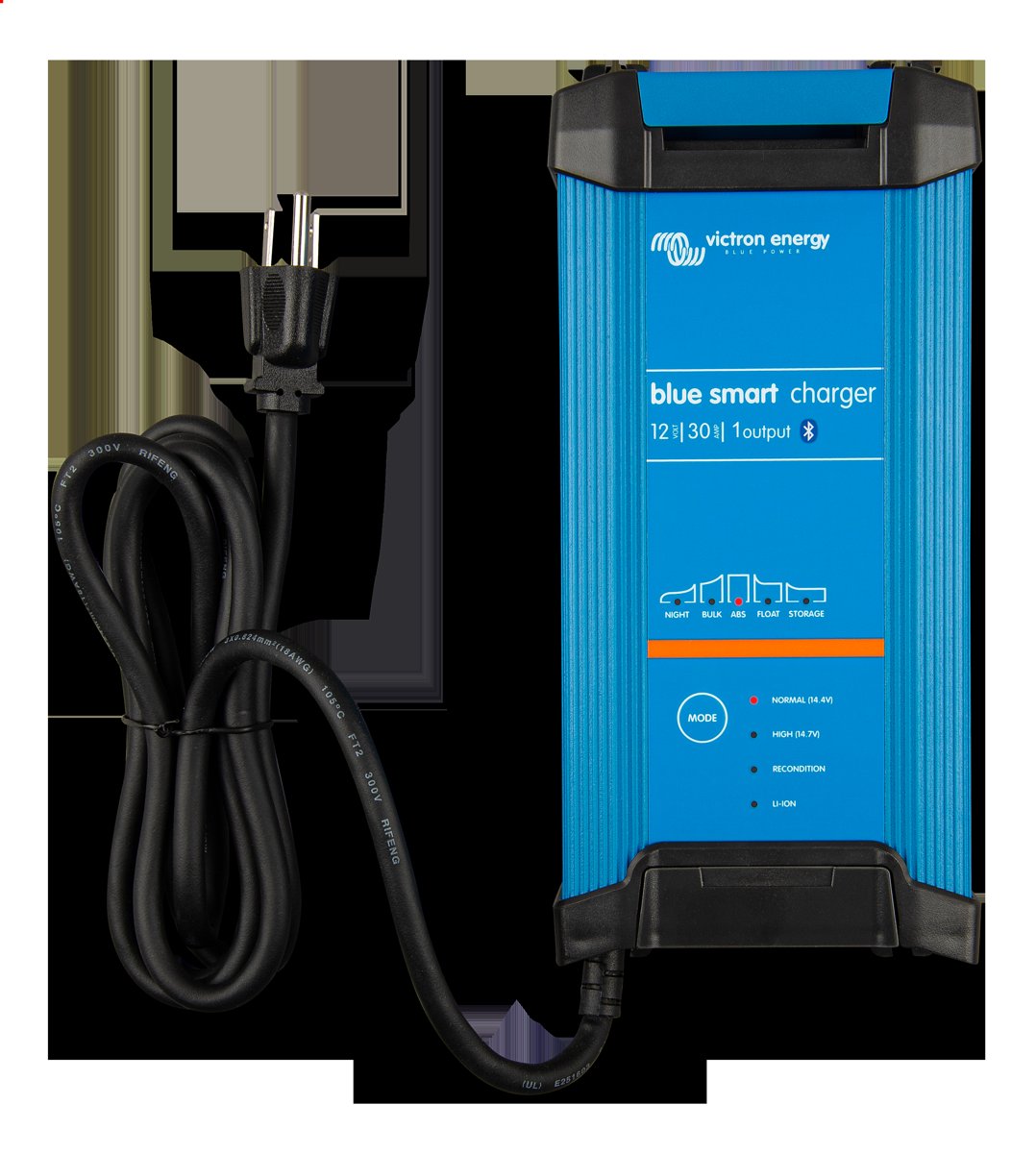
PowerBest Marine Battery Chargers and DC-DC Chargers
Shore-power chargers and DC-DC chargers compared — sizing output to your bank, lithium profiles, wiring and top picks.
 Power
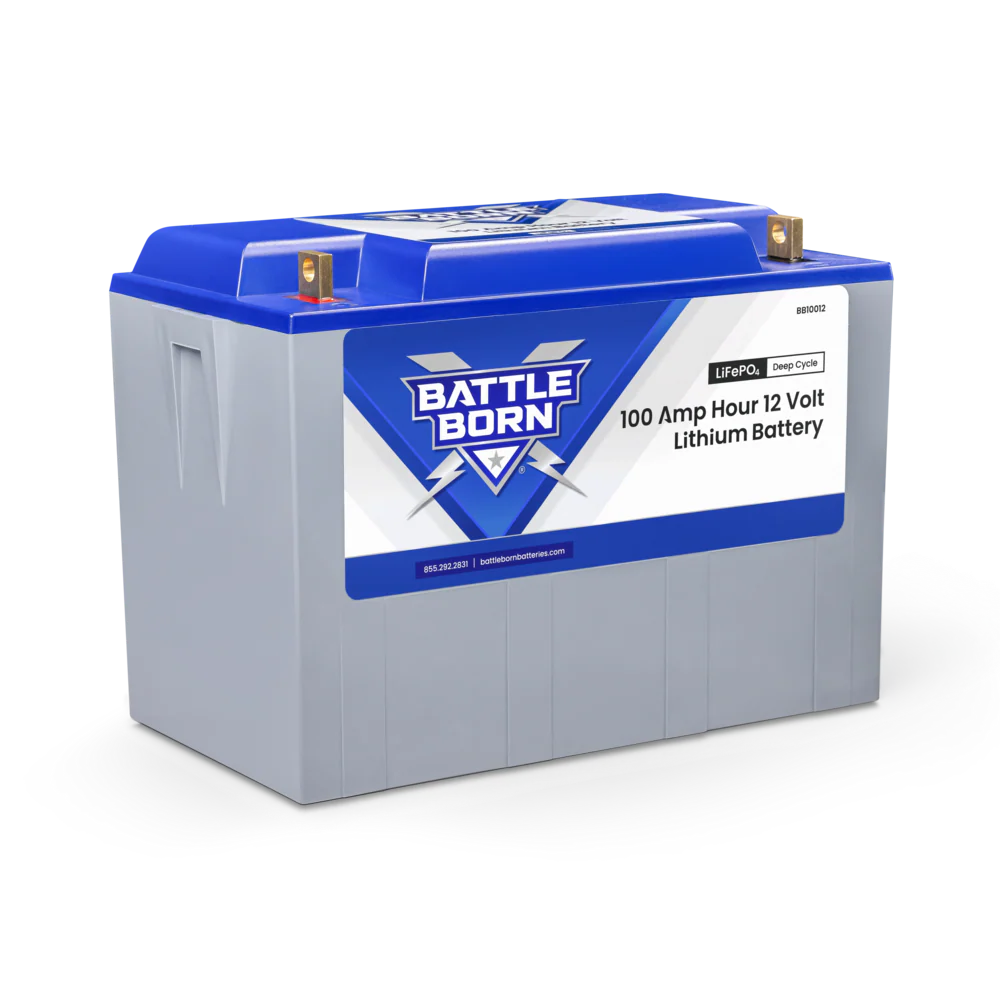
PowerBest Lithium Batteries for Sailboats
LiFePO4 house-bank picks and how to plan a lithium conversion — Battle Born, Victron, Renogy, Epoch, Dakota.
 Power
PowerMarine Solar Panels for Sailboats
Rigid vs flexible marine solar panels, how to size an array for your house bank, and top picks for cruising sailors.
 Power
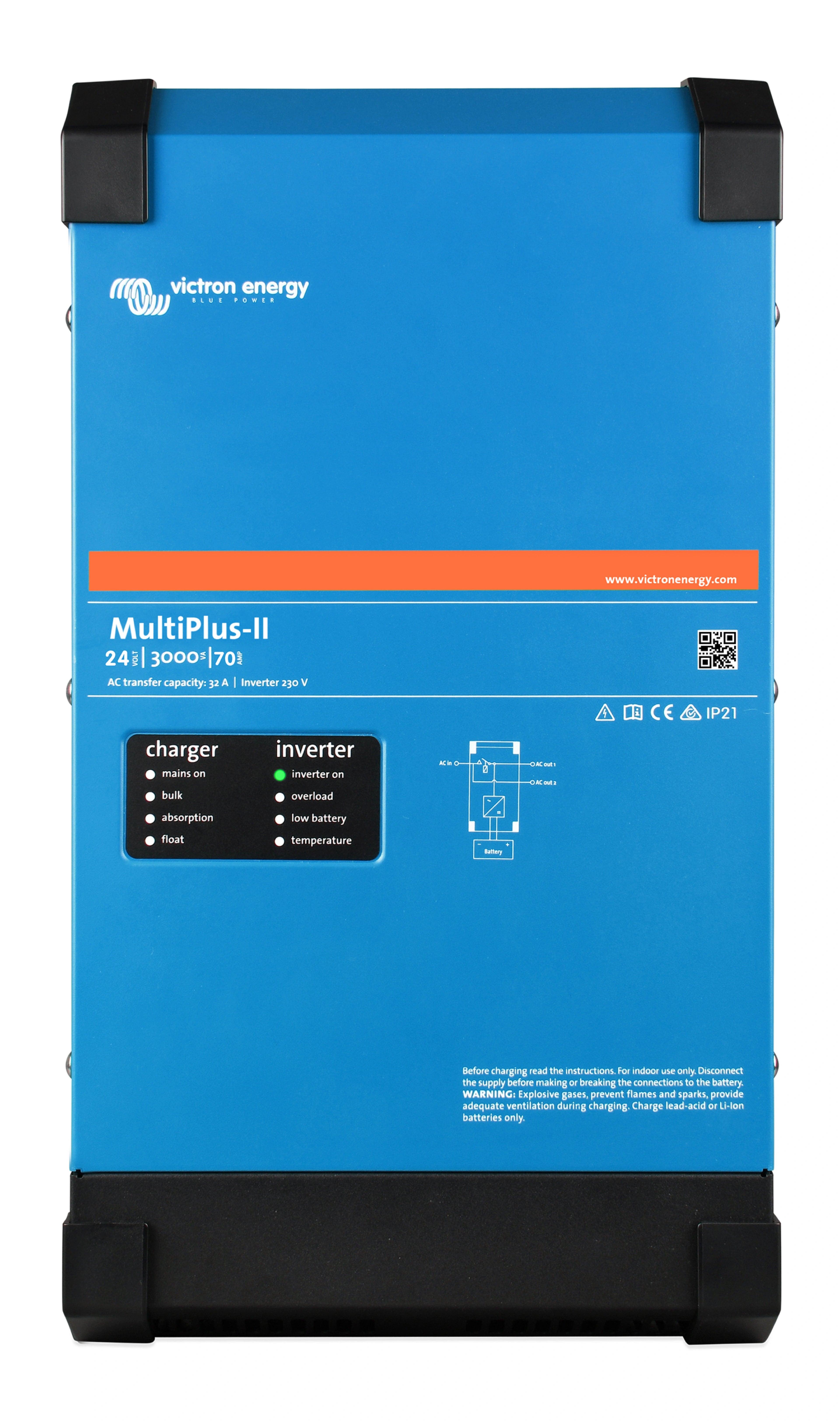
PowerMarine Inverter/Chargers: Victron vs Mastervolt vs Xantrex
How to choose a marine inverter/charger — sizing, LFP compatibility, integration, and the units we'd install today.
Looking for more gear guides? Browse all our gear recommendations or the full guides index.