Storm Sails and Drogues
Storm gear is what you don't use — until you do, and then everything depends on it. A storm jib rolled in a bag in the bilge that nobody has ever hoisted is not storm gear; it's ballast. This guide covers the sails and drogues that actually work when the wind is 45 knots and the boat has to survive, plus what it takes to make them deployable in real conditions.
Sailboat Atlas may earn a commission from qualifying purchases made through links on this page, at no extra cost to you.
What survival tactics you have to choose from
In genuine heavy weather you have four options: keep sailing under storm sails, heave-to under a trysail + storm jib, run under bare poles or a drogue, or lie to a parachute anchor. Which works depends on your boat's motion, the sea state, and — crucially — what gear you have rigged and practiced. Storm sails support the first two; a drogue supports the third; a parachute anchor supports the fourth. Serious offshore boats carry at least two of these.
Storm jib: size, cloth, and attachment
Rule of thumb: storm jib area = 5% of I × J (or roughly 60–100 sq ft on a 40-footer). Cloth is heavyweight Dacron, orange or fluorescent for visibility. Attachment is the hard part on modern rigs: without a removable inner forestay, you're choosing between a Gale Sail sleeve over the rolled genoa or a fabricated soft stay with a Dyneema loop.
Trysail vs deep-reefed main
A third or fourth reef in the main can substitute for a trysail in most conditions cruisers face. A dedicated trysail is smaller, flatter, and independent of the main — so if you tear the main you still have a working sail plan. The threshold: if you regularly sail in areas where 40+ knots is a realistic worst case (high latitudes, Bass Strait, Gulf Stream in winter), specify a trysail and rig it to test in port.
Our picks
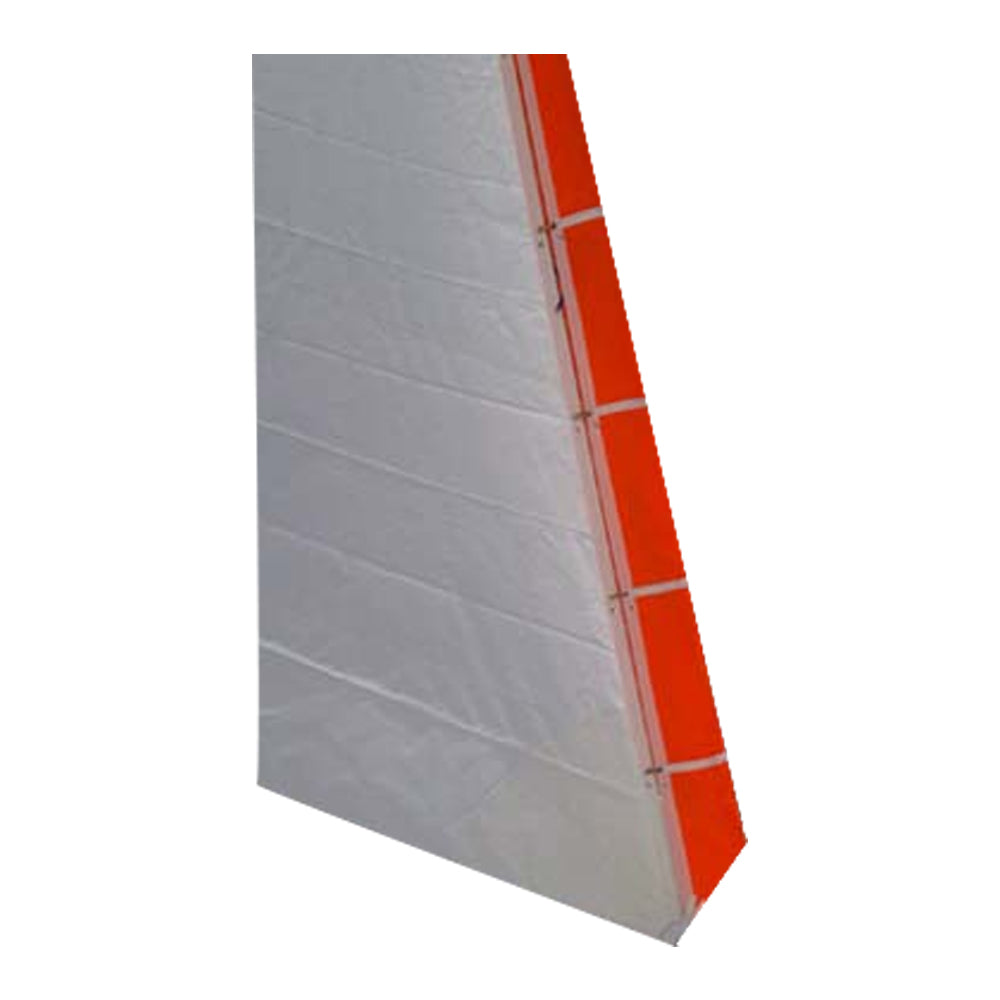
ATN Gale Sail Storm Jib
Best storm jib for boats with roller furlers
The Gale Sail is the honest answer to a design compromise: modern furler-only cruising rigs have no place for a proper storm jib. The Gale Sail sleeves over the rolled genoa and hoists on a spare halyard, giving you a real 40–60 sq ft storm sail that flies from the point on the stay where you actually want it. Not a replacement for a boat rigged with a proper inner forestay, but the best answer for the boat most cruisers actually own.
- Sizing
- Boats 25–65 ft (multiple sizes)
- Cloth
- Heavyweight Dacron, orange for visibility
- Attachment
- Sleeve over rolled genoa — no hank-on stay required
- Typical price
- $1,100–$2,400 depending on size
Pros
- Solves the real problem: how to fly a storm jib when your boat has no removable inner forestay
- Sleeve design captures the rolled headsail; wind loads on the roller are minimal
- Bright orange visibility helps SAR find you if it comes to that
Cons
- Not as efficient as a hank-on storm jib on a proper inner stay
- Requires practice to hoist in real conditions — do it in port first
- Salt-crusted or old rolled genoas may not sleeve cleanly; check fit at rest
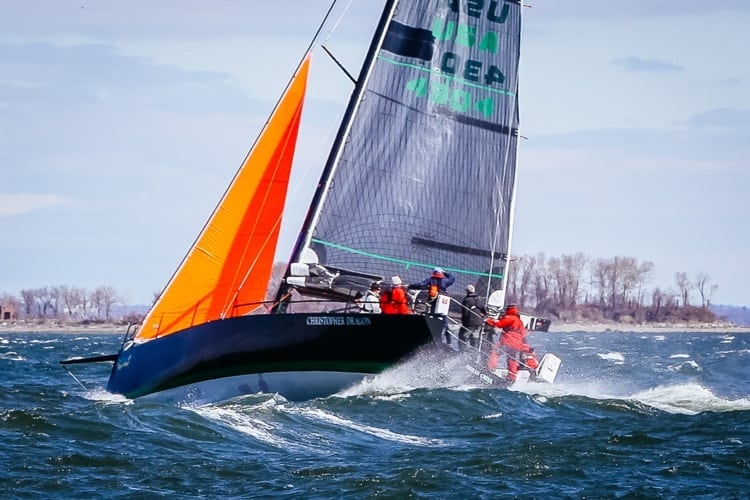
Trysail (Sailrite or Rolly Tasker Custom)
Best storm sail for the mainsail track
A proper trysail flown on a dedicated track (or a well-designed slug system) is what you actually want in survival-condition heaving-to. It's small, strong, and set high enough to keep the bow from being pounded. The catch is hardware — install the track before you need the sail. A trysail in the bag with nowhere to hoist it is a very expensive piece of Dacron.
- Area
- ~17–20% of working mainsail area, typically 45–90 sq ft
- Cloth
- 8–10 oz Dacron, four-corner reinforcement
- Attachment
- Independent track or main-track slugs with dedicated tack line
- Typical price
- $900–$2,200 custom
Pros
- Purpose-built storm sail with the shape needed to keep the bow up in survival conditions
- Independent hoisting means you can douse and lash the main to the boom before deploying
- Long service life; a well-made trysail lives 20+ years because it's rarely used
Cons
- Requires either a dedicated storm track next to the mast or a way to swap track slugs on the main track — plan the hardware before you order the sail
- Practice deploying it in benign conditions or it will never come out of the bag
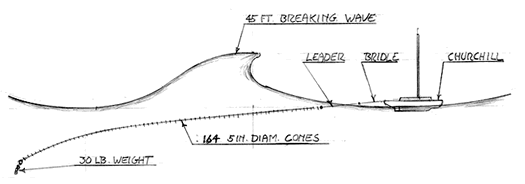
Jordan Series Drogue
Best storm survival drogue
The Jordan Series Drogue is what serious offshore sailors carry after reading Don Jordan's original research. The USCG's independent tests found no failures across recorded severe-weather deployments. It's not a comfort device — deploying one means you've decided the boat won't heave-to safely and you need to run before the seas. Combined with the Pardey series drogue (parachute anchor) for the extremely different technique of holding the bow to seas, this is the offshore cruiser's storm-tactic library.
- Cones
- 100–160 cones depending on boat displacement
- Line
- Double-braid nylon, sized by displacement
- Bridle
- Two-point bridle to strong stern attachment points
- Typical price
- $800–$1,800 depending on size
Pros
- Deployed off the stern in survival conditions, it holds the boat stern-to seas and prevents pitchpole/broach
- Distributed drag across many small cones is proportional to sea state — no shock loading
- Independent testing (US Coast Guard, RORC) has documented its effectiveness in genuine survival storms
Cons
- Requires proper stern-attachment reinforcement — many production boats need beefed-up chain plates or backing plates
- Retrieval after the storm is a real project; some sailors deploy and cut once out of danger
- Not for daily use — this is a break-glass tool that requires practice deploying at anchor
How to choose
Coastal cruiser, no offshore ambitions: a third reef in the main and a Gale Sail is enough heavy-weather kit. Bluewater cruiser doing tropical passages: Gale Sail plus a Jordan Series Drogue, well-rehearsed. High-latitude passage maker: trysail on a dedicated track, purpose-built storm jib on a removable inner forestay, and both a Jordan drogue and a parachute anchor.
The gear is only half the buy. Rehearse deployment in 15-knot conditions with the family watching. Storm sails and drogues fail primarily because nobody knew how to deploy them the first time, not because they were the wrong product.
Frequently asked questions
Do I really need both a drogue and a parachute anchor?
Different tools for different sea states. A parachute anchor holds the bow to seas — good in a fetch-limited storm with organized waves. A drogue holds the stern to seas — better in confused seas where you need to keep moving with the waves. Serious high-latitude passage makers often carry both; a typical tropical cruiser might carry only the drogue.
Can I use my regular anchor as a sea anchor?
No. A ground anchor doesn't create drag in the water column — it just sinks. Sea anchors are parachutes designed for water flow, and there's no economical substitute.
Related guides
 Safety
Best Boat Ladders for Sailboats: Boarding and Recovery
Transom, telescoping and dive ladders compared, and how deep the bottom step must be for crew recovery.
 Safety
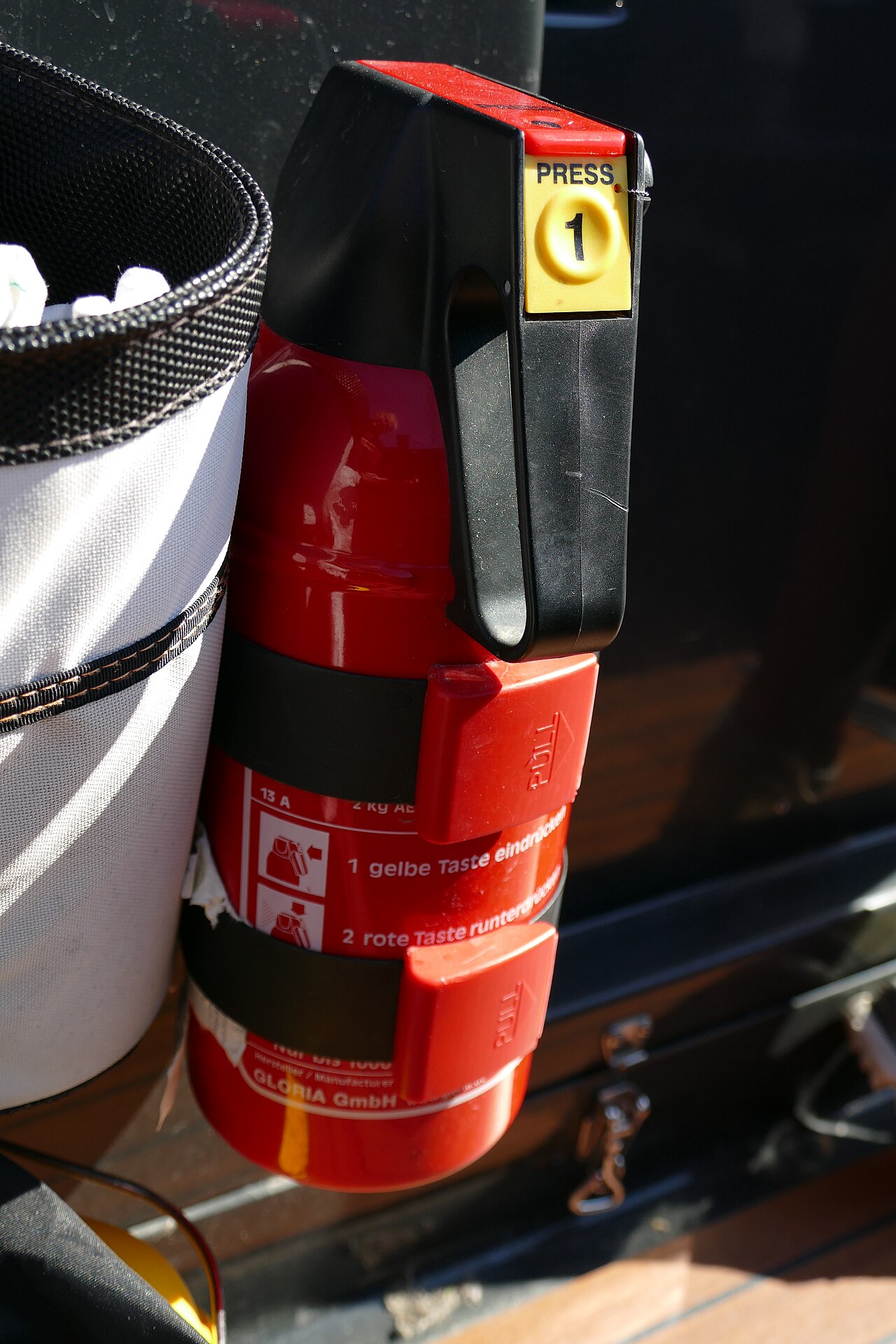
Marine Fire Extinguishers: Ratings and Best Picks
USCG requirements by boat length, 5-B vs 20-B, the 12-year rule, and the best marine extinguishers.
 Safety
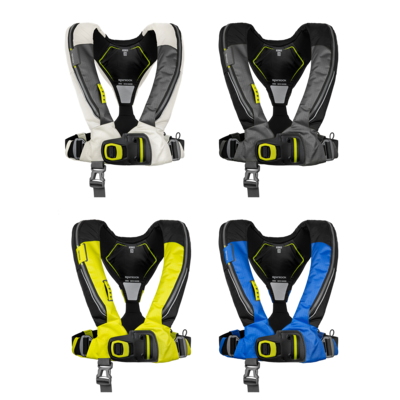
Best Inflatable Life Jackets for Sailing
Automatic vs hydrostatic inflation, harness life jackets, ratings and rearming — plus the best picks for sailors.
 Safety
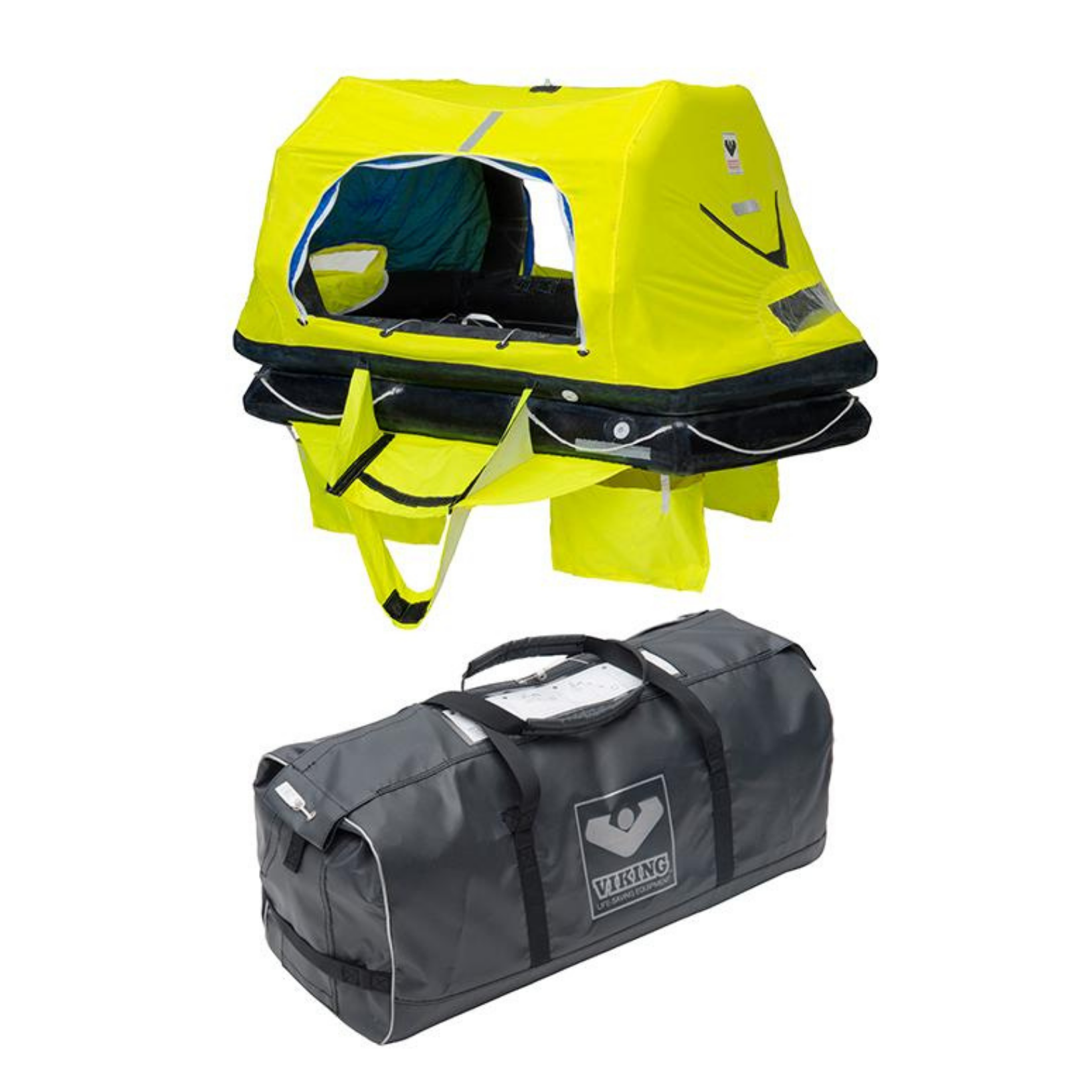
Best Life Rafts for Offshore Sailing
Offshore-certified life raft picks and buying guidance for cruising sailors — Viking, Winslow, Ocean Safety, Revere.
Looking for more gear guides? Browse all our gear recommendations or the full guides index.