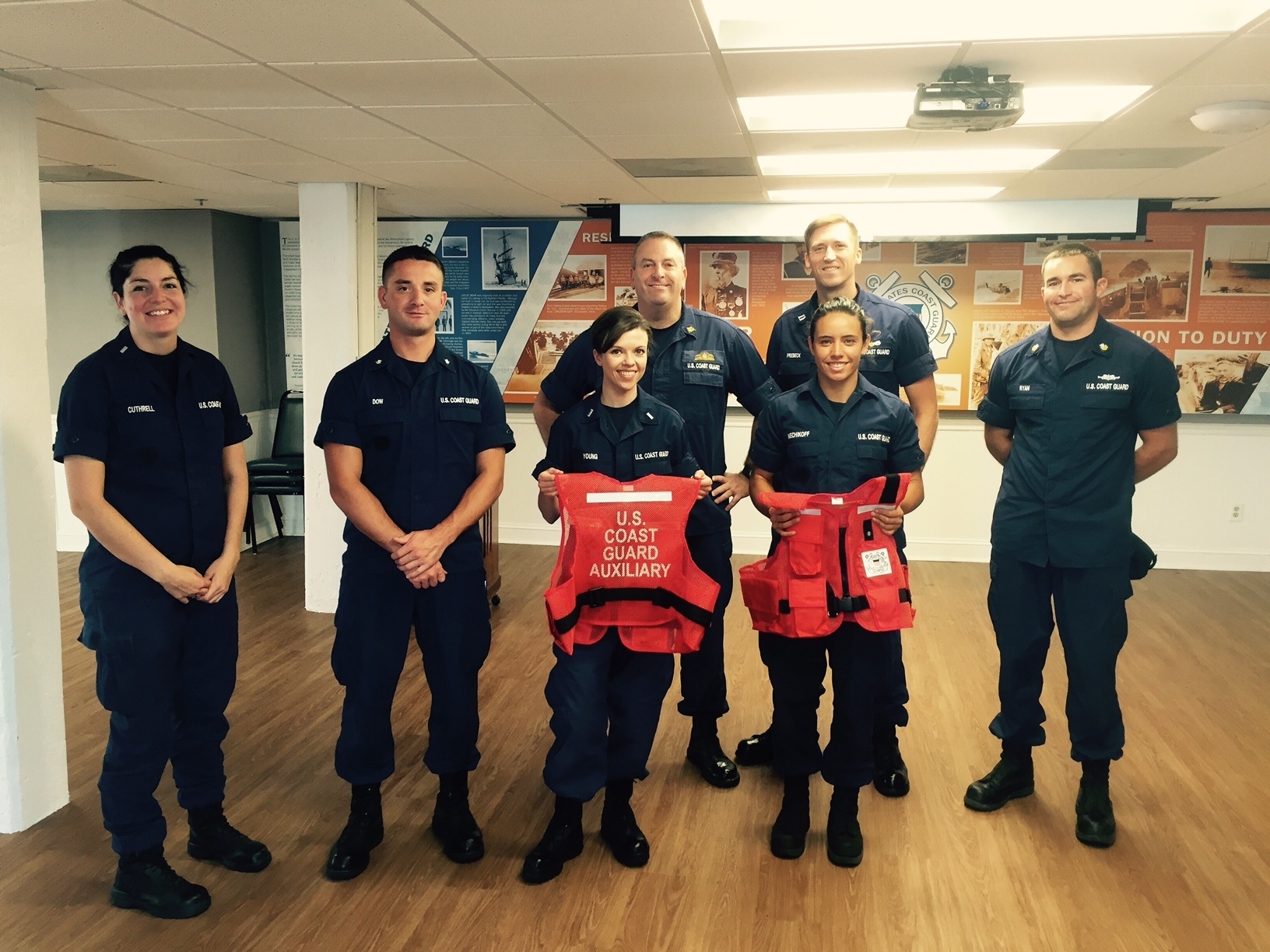
Best Inflatable Life Jackets for Sailing
The best inflatable life jacket for sailing is one you can wear through an entire watch, with an inflation system you understand and an approval label that meets your boating requirements. A comfortable collar matters, but so do a working cylinder, secure fit, and a recovery plan.
These four picks cover equipped sailing harnesses, hydrostatic inflation, and a simpler manual vest. This is a specification-led shortlist, not a hands-on comparative drowning-prevention test. Confirm the exact model and market version before ordering: similar product names can conceal different approvals, inflators, and accessories.
Sailboat Atlas may earn a commission from qualifying purchases made through links on this page, at no extra cost to you.
Manual vs automatic vs hydrostatic inflation: which is best?
A manual inflatable releases CO₂ when you pull its handle. It avoids unwanted automatic activation, but a head injury, cold shock, or entanglement can prevent that action. An oral tube is backup equipment, not a reason to accept an unreliable firing mechanism. Locate both controls while wearing gloves before you leave the dock.
Conventional automatic inflators use a water-sensitive element to trigger inflation. They are designed for immersion, though severe wetting or poor storage can cause unintended activation. Hydrostatic systems respond to water pressure at a specified immersion depth, making them more resistant to rain and spray. They still need inspection and can be more expensive to rearm.
For exposed passages, automatic inflation is generally the more protective starting point. Hydrostatic is particularly attractive on a wet foredeck, not a guarantee against every failure. Spinlock's inflator guide confirms the 6D uses Pro Sensor Elite; do not mistake it for the hydrostatic VITO. Practice the manual backup regardless of system.
USCG ratings vs ISO 12402: what do 150N and 275N mean?
Approval and buoyancy are related but different questions. US labels may use legacy Type categories or newer performance-level labeling. Read the actual label for intended activity, body size, wear conditions, and restrictions. Some inflatables count toward carriage requirements only when worn; do not assume a vest in a locker satisfies the rule.
ISO 12402 includes 150N and 275N performance classes. The number describes buoyancy in newtons, not the wearer's maximum weight. Actual output can exceed the class minimum: Crewsaver lists 190N actual buoyancy for its 150N-class ErgoFit. Likewise, 170N marketing does not create a separate universally recognized approval class.
The 275N class is intended for more demanding use, including situations where clothing or equipment can interfere with righting. Trapped air in waterproof clothing and individual body characteristics affect real behavior; no number promises every unconscious person will turn in every sea. More buoyancy also means a larger inflated bladder, which can complicate movement and boarding.
An ISO-only jacket is not automatically USCG approved. Verify the exact market version, not the brand's reputation or a retailer's broad category. For the wider abandon-ship plan, pair personal flotation with properly selected life rafts; neither replaces the other.
Do you need an integrated harness, tether, and jacklines?
A lifejacket supports you after immersion; a deck harness and tether help prevent going overboard. A belt buckle, accessory loop, or lifting handle is not necessarily a tether attachment. Use only the harness point identified by the maker, with compatible equipment and the required harness approval for your sailing program.
Plan jackline routing around keeping the wearer aboard, preferably away from the rail, rather than simply allowing travel from bow to stern. Use appropriately rated strong points and keep tether reach short where practical. Inspect webbing for UV damage, abrasion, stitching failure, and contamination. Jacklines are not ordinary convenience ropes, and their attachment loads deserve competent assessment.
Being dragged alongside can be fatal even while clipped on. Crew must understand emergency release, stopping the boat, recovery, and the limitations of any release mechanism under load. A harness is not a fall-arrest system. Rehearse tether movement in calm conditions, then integrate the procedure with your storm sails and drogues plan before rough weather arrives.
Are crotch straps, spray hoods, and lights worth adding?
A correctly adjusted crotch or leg strap helps prevent the inflated jacket riding over your head. It must be worn, not left tucked into a pocket. Use the manufacturer's compatible strap and adjustment instructions; an improvised strap can load the wrong parts of the jacket or interfere with inflation.
A spray hood reduces wave splash around your airway and can make waiting in rough water more tolerable. Learn to deploy it with one hand, without blocking the oral tube or covering a light. A hood is not respiratory protection and does not eliminate drowning risk. Lights help a search crew see you, but batteries and activation systems need their own checks.
Try the complete arrangement over winter layers, including pockets and beacon mounts. A beacon must not prevent bladder expansion or become trapped inside the cover. Our EPIRB and PLB guide explains alerting options; distinguish satellite distress alerting from local AIS man-overboard signaling before choosing equipment.
Which rearming kit do you need, and how do you inspect annually?
Buy the kit specified for the exact inflator, jacket size, and revision. Cylinder weight alone does not establish compatibility: threaded, bayonet, water-activated, and hydrostatic assemblies differ. Keep a spare aboard in dry storage, with its instructions. After any inflation, inspect and fully rearm before returning the jacket to service.
Before each outing, inspect the cover, buckle, harness stitching, exposed webbing, firing status, and accessible cylinder condition according to the manual. Check for corrosion, looseness, missing components, and expiry dates. A green window can indicate readiness of particular components without detecting a leaking bladder, damaged seam, or exhausted light.
For the annual self-inspection, follow the manufacturer's inflation and leak-test procedure, including its stated hold time and temperature guidance. Use the oral tube or other specified method; never substitute a high-pressure airline. Inspect the bladder, oral valve, hood, whistle, reflective patches, straps, and light. Record the date and findings, replace dated parts on schedule, and repack exactly as instructed.
Annual self-inspection does not cancel professional-service requirements or shorten replacement intervals after heavy use. If it loses pressure, has damaged harness stitching, or you cannot identify the inflator, remove it from use and contact an authorized service provider. Avoid washing or soaking the inflator casually; follow the cleaning instructions and dry everything before storage.
Our picks
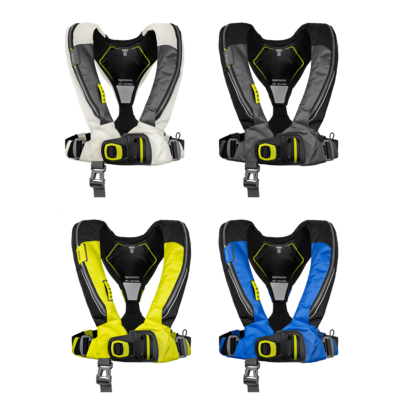
Spinlock Deckvest 6D
Best complete sailing-harness package
The Deckvest 6D is our strongest starting point for sailors who want a lifejacket and deck harness designed as one system. Its included hood, lights, and leg strap make the package easier to compare than a cheaper bare vest with a long accessory list. Try it over your actual foul-weather clothing, particularly around the neck and buckle. Choose the standard harness or optional HRS deliberately: an emergency-release attachment changes the crew's training requirements. This recommendation is based on the published equipment package, not a claim of independent capsize testing.
- Buoyancy options
- 170N or 275N; select the exact version
- Inflation
- UML Pro Sensor Elite automatic, manual pull, oral backup
- Harness
- Integrated; optional HRS release version
- Safety equipment
- Spray hood, Pylon light, Lume-On lights, single leg strap
- Approval check
- ISO-market product; verify local carriage eligibility
Pros
- Includes the main accessories a cruising crew otherwise has to add
- Front opening and shoulder adjustment suit repeated on-deck use
- Choice of buoyancy and optional harness release configuration
Cons
- Not hydrostatic: the 6D uses a water-activated firing system
- ISO certification alone does not establish USCG carriage compliance
- Higher-buoyancy version adds bulk; HRS requires specific familiarization
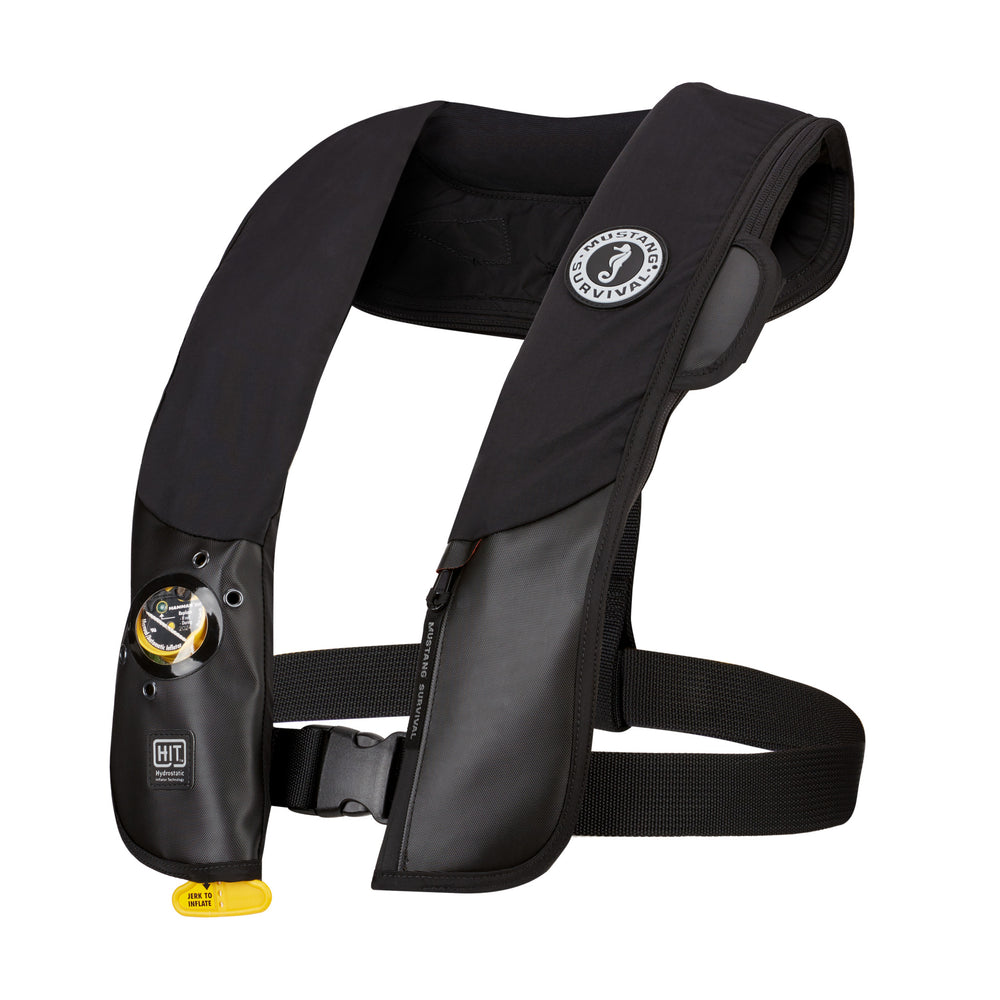
Mustang Survival HIT MD3183
Best hydrostatic option when you do not need an integrated harness
The HIT is useful for sailors who prioritize a pressure-triggered inflator and either stay in the cockpit or already have an appropriate harness arrangement. The important buying detail is the model number: MD3183 and harness-equipped MD3184 are not interchangeable descriptions. Mustang's listing now points buyers toward a newer version, so check the actual supplied product rather than assuming old stock and its replacement have identical approvals or accessories. Compare an older HIT's total cost, including a fresh rearm kit if needed, against a current supported alternative before buying.
- Buoyancy
- 38 lb when inflated, approximately 169N
- Inflation
- Hammar hydrostatic, manual pull, oral backup
- Harness
- MD3183 is the non-harness model; do not confuse with MD3184
- Rearming
- Manufacturer-specified Re-Arm Kit C / MA7214
- Approval
- USCG labeling varies by use and revision; inspect supplied label
Pros
- Hydrostatic activation reduces nuisance firing from surface wetting
- Substantial published buoyancy in a relatively unobtrusive collar format
- Documented model-specific rearming and inspection instructions
Cons
- This model does not replace a sailing harness
- Hydrostatic rearming is more involved than swapping a loose cylinder
- An older product line: confirm availability, service dates, and replacement support
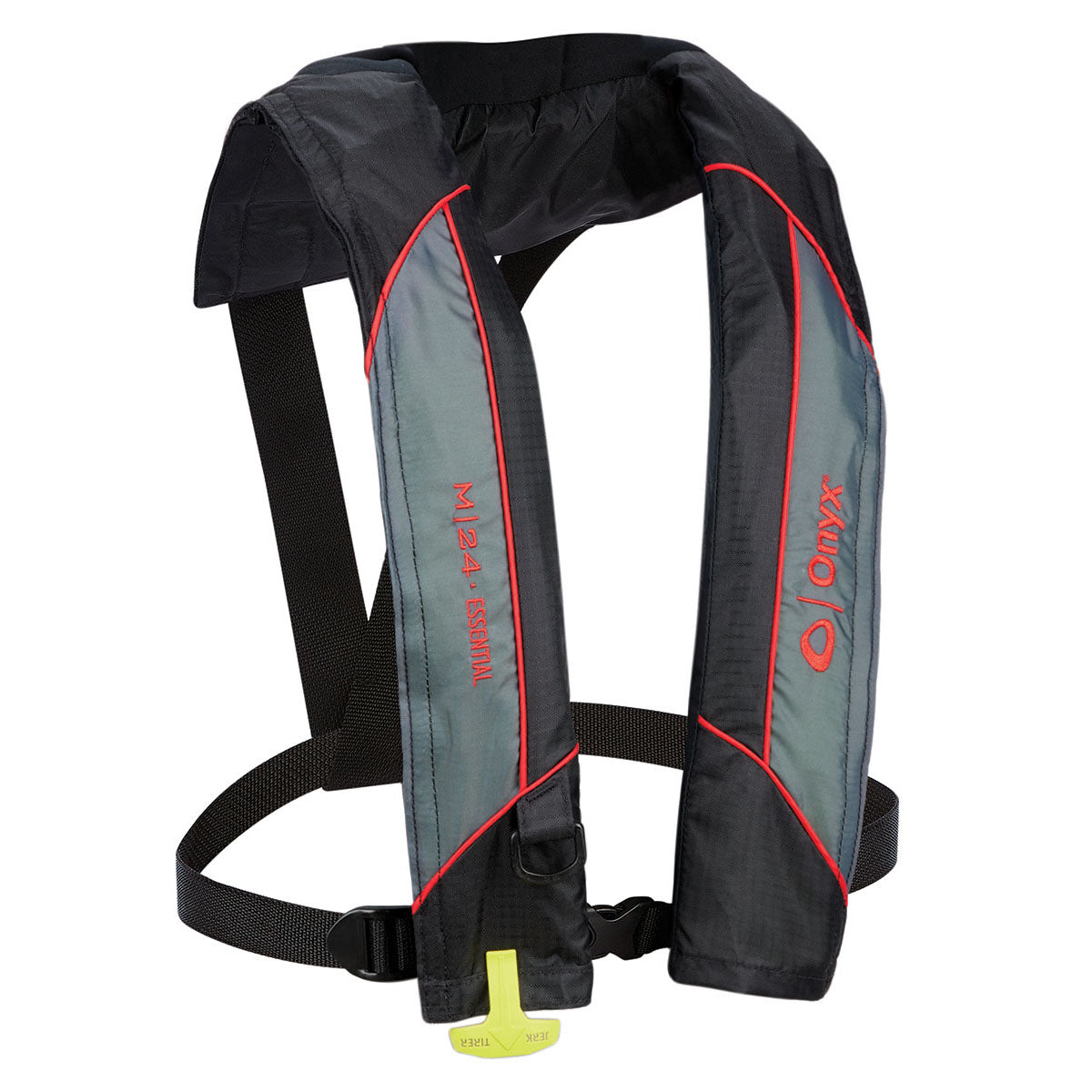
Onyx M-24 Essential Manual
Best simple manual option for sheltered-water adult swimmers
The M-24 Essential belongs in a different conversation from an offshore harness jacket. It is a manual inflatable for a competent adult swimmer who understands the pull handle and accepts having to act after a fall. That can suit sheltered, attended sailing, but it is not our choice for solo night watches or someone who might be knocked unconscious by the boom. Fit and label restrictions still matter more than low bulk. Do not assume every Onyx model marked 24 has the same inflation mode, accessories, or rearming kit.
- Activation
- Manual pull cord; not automatic
- Fit
- Manufacturer lists 30–52 inch chest range
- Closure
- Adjustable body belt with front buckle
- Neckline
- Wide neoprene collar
- User restrictions
- Adult swimmer use; obey age, weight, and activity label
Pros
- Manual mechanism avoids automatic firing from water exposure
- Straightforward belt adjustment for occasional sheltered sailing
- Low-profile design is less cumbersome than an offshore accessory package
Cons
- Cannot inflate itself if the wearer is unconscious or incapacitated
- No integrated sailing harness or offshore hood-and-light package
- Not appropriate for non-swimmers or children under the stated restrictions
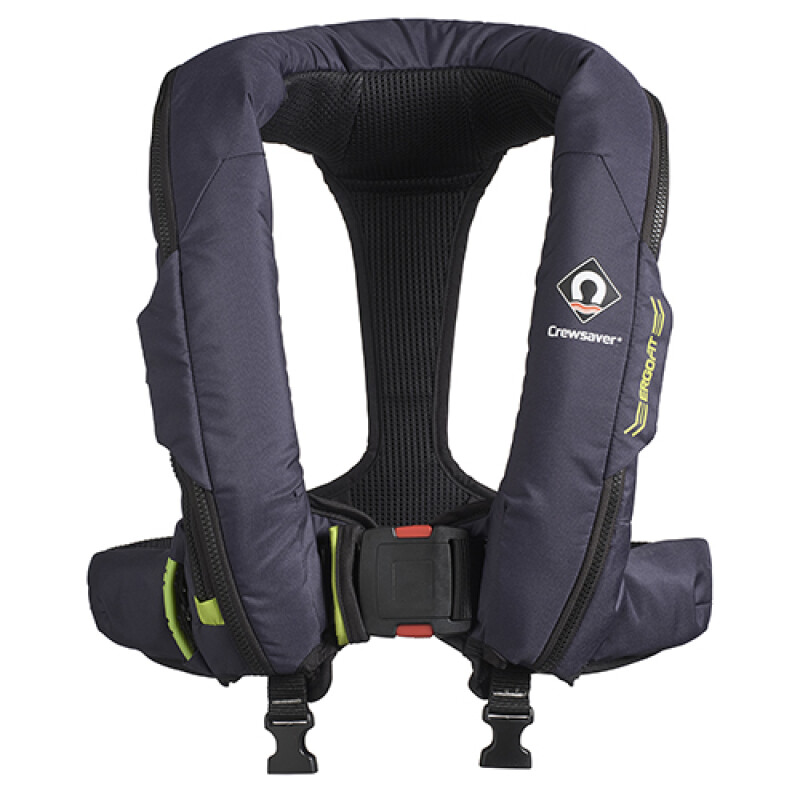
Crewsaver ErgoFit 190N
Best equipped alternative with automatic or Hammar options
The ErgoFit 190N is a compelling fit-test alternative to the Deckvest, especially if you want the Hammar option and an integrated harness together. Crewsaver's current datasheet specifies a light, hood, and dual crotch straps, but dealer listings can span different generations. Match the product code and inflation mechanism to the documentation before comparing prices. The 190N output does not make this a 275N-class lifejacket. Choose between these premium sailing packages by comfort, accessory access, and local service support rather than assuming a larger printed number guarantees better performance for every wearer.
- Buoyancy / class
- 190N actual buoyancy; ISO 12402 150N class
- Inflation options
- Standard automatic or Hammar; specify at purchase
- Harness
- Integrated soft-loop safety-line attachment
- Included equipment
- Halo Hood, water-activated light, dual crotch straps, whistle
- Cylinder retention
- EXOLOK cylinder locking system
Pros
- Hood, light, and dual straps make a well-rounded cruising package
- Offers a hydrostatic choice without abandoning the integrated harness
- 190N actual buoyancy illustrates why class and output are different numbers
Cons
- Similar ErgoFit and ErgoFit+ names make exact specification checks essential
- ISO approval is not a substitute for a USCG-approved carriage device
- Hood, bladder, and dual straps require careful repacking and adjustment
How to choose
Start with legal suitability and fit, then choose inflation and accessories. The comparison below separates actual output from approval class where the manufacturer documents both. It is not a substitute for the supplied label. Try sitting, reaching, and clipping on while wearing your usual sailing layers.
| Model | Inflation | Buoyancy | Harness / use |
|---|---|---|---|
| Deckvest 6D | Water-activated automatic | 170N or 275N | Integrated; ISO-market approval check |
| Mustang HIT MD3183 | Hydrostatic | 38 lb / about 169N | No integrated harness; inspect US label |
| Onyx M-24 Essential | Manual | Verify exact supplied label | No integrated harness; sheltered adult-swimmer use |
| ErgoFit 190N | Automatic or Hammar | 190N; ISO 150N class | Integrated; verify local carriage rules |
Budget tiers: compare a complete ready-to-wear system
Entry tier: A simple manual or conventional automatic vest can reduce initial cost, but check whether a light, hood, and compatible leg strap can actually be fitted. A cheap manual device is not an equivalent substitute for an automatic offshore harness jacket. For occasional guests, an appropriately approved foam jacket may be the simpler maintenance choice.
Middle tier: Pay for the inflation system and fit you need, not decorative pockets. Hydrostatic activation may justify the upgrade on a routinely wet deck. Include the correct spare rearm kit in your comparison and check that a local supplier stocks it. Older discounted models can cost more to keep ready than a supported current one.
Premium sailing tier: Equipped harness jackets bundle straps, hood, and lights, but a tether and beacon are usually separate decisions. Compare like-for-like packages rather than bare list prices. Regional tax, inflation mechanism, and included accessories change totals substantially; obtain current quotes instead of treating an advertised sale as a durable price benchmark.
Finally, organize a supervised familiarization session with appropriate safety cover. Know how the inflated jacket affects swimming, visibility, and boarding your boat's ladder. Do not jump from height wearing an inflated device. A purchase becomes useful safety equipment only when the crew can fit it, inspect it, activate it, and recover someone wearing it.
Specification sources: Spinlock, Mustang Survival, Onyx, and Crewsaver's technical datasheet. Verify documentation supplied with the actual jacket before use.
Frequently asked questions
What is the best inflatable life jacket for sailing?
For an equipped sailing-harness package, start by trying the Spinlock Deckvest 6D and Crewsaver ErgoFit 190N. If US carriage compliance is required, verify the actual approval label before buying. The best choice is the approved jacket that fits your clothing and that you will wear consistently, not simply the one with the most buoyancy.
Is automatic inflation better than manual inflation?
Automatic inflation adds protection when someone cannot pull a handle. Manual inflation avoids nuisance automatic activation but depends on a conscious, capable wearer. For exposed sailing we favor automatic activation; the choice still depends on the device's label, the user, and the activity.
Will an ISO 150N jacket satisfy US Coast Guard requirements?
Not on ISO certification alone. Check for the applicable USCG approval and comply with the label's wear and use conditions. A jacket can deliver substantial buoyancy and still not qualify as the required carriage device aboard your US recreational boat.
Should I buy a 150N-class or 275N-class lifejacket?
A 150N-class jacket is a common sailing choice; 275N-class models address demanding conditions and clothing or equipment that can impair righting. Higher buoyancy is not a body-weight rating or a universal guarantee of turning. Seek fitting advice and follow the manufacturer's intended-use guidance.
How often should I inspect an inflatable PFD?
Check readiness before every outing and perform the full owner-manual inspection at least annually, or more often if specified. Service the inflator, cylinder, bladder, harness, hood, and light on their individual schedules. A green indicator does not prove that the entire jacket is sound.
Can children or non-swimmers wear these inflatables?
These adult picks are not a recommendation for children or non-swimmers. US-approved recreational inflatables typically restrict use to ages 16 and older and carry additional fit and activity limits. Choose an appropriately approved inherently buoyant device for those who need immediate flotation without activation.
Related guides
 Safety
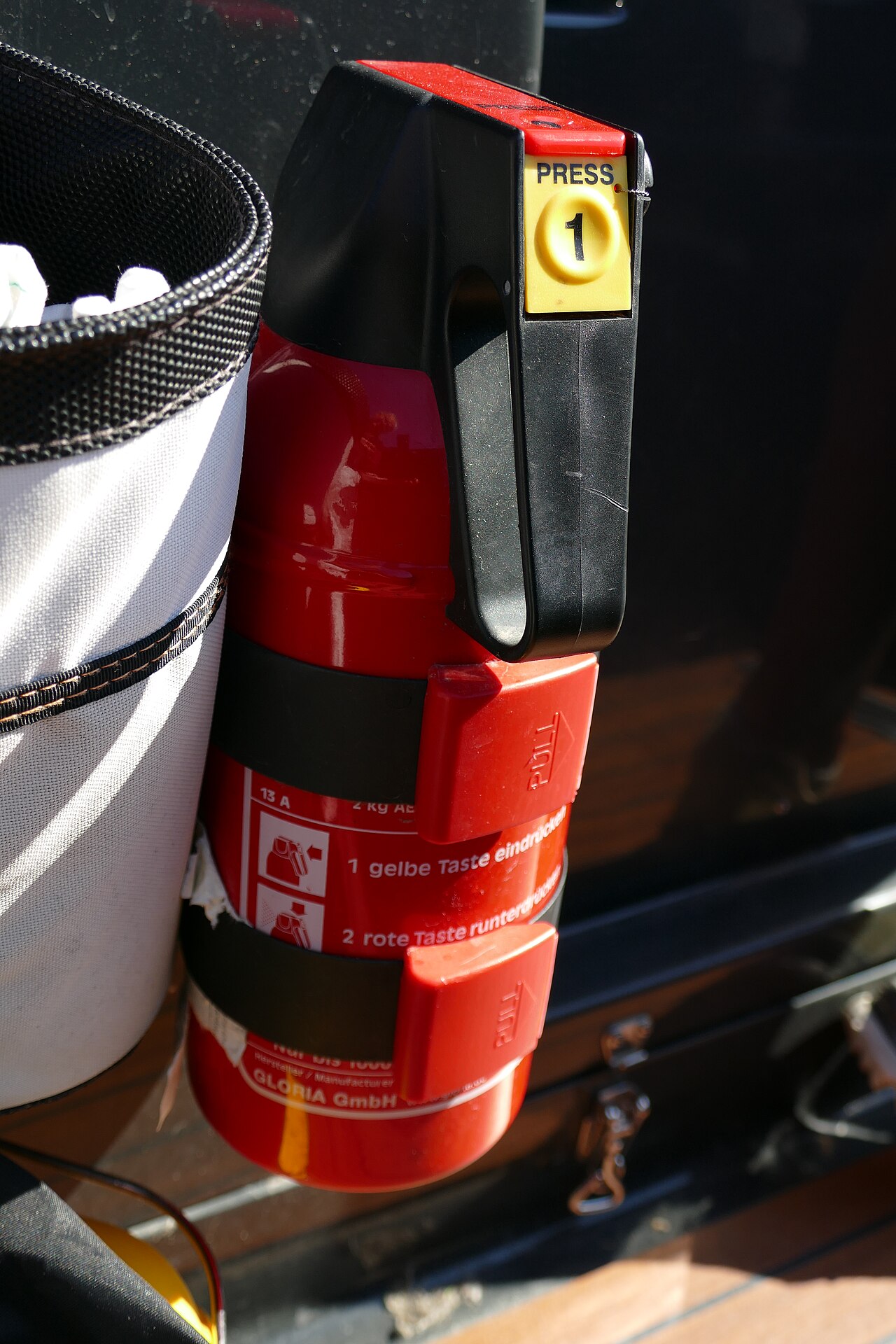
Marine Fire Extinguishers: Ratings and Best Picks
USCG requirements by boat length, 5-B vs 20-B, the 12-year rule, and the best marine extinguishers.
 Safety
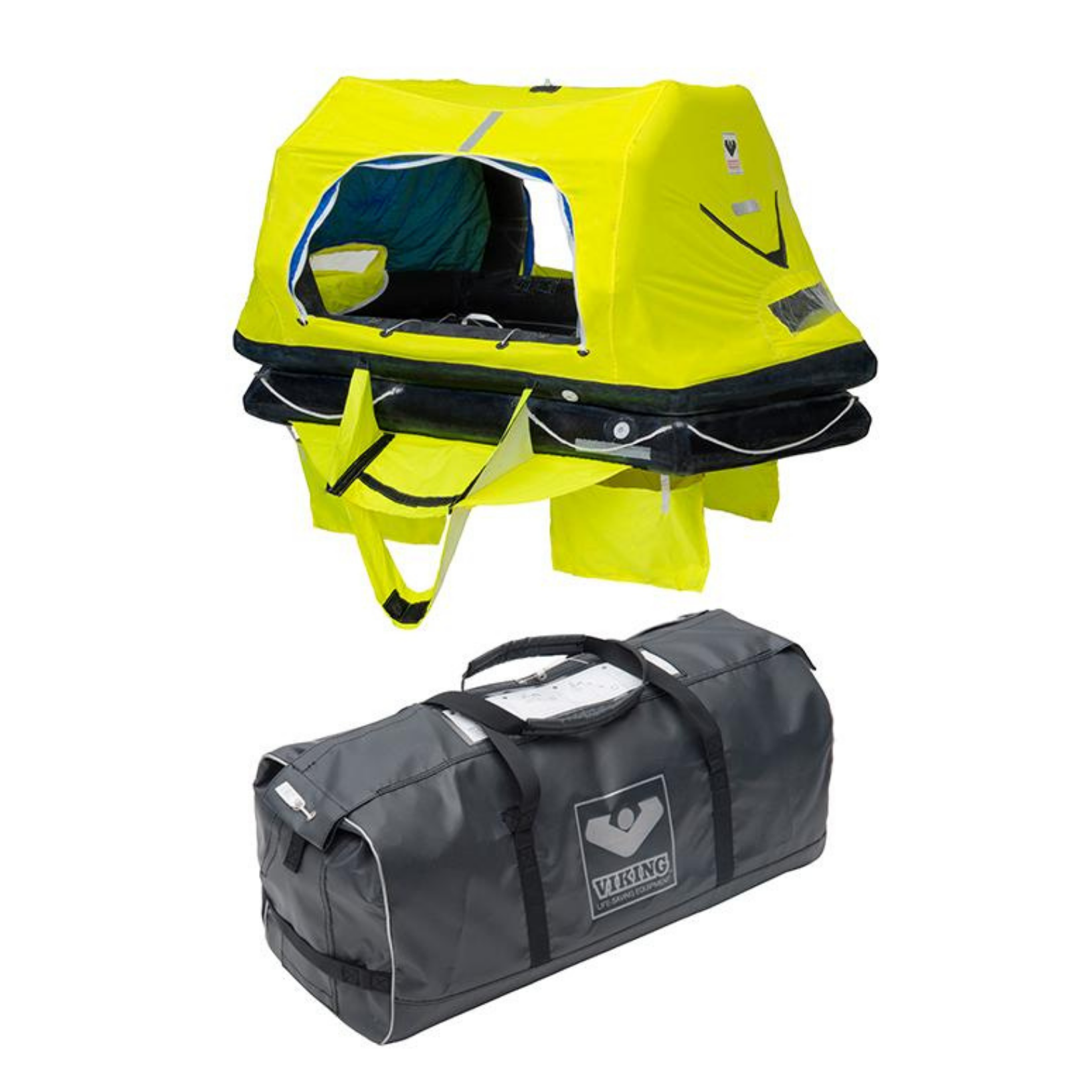
Best Life Rafts for Offshore Sailing
Offshore-certified life raft picks and buying guidance for cruising sailors — Viking, Winslow, Ocean Safety, Revere.
 Safety
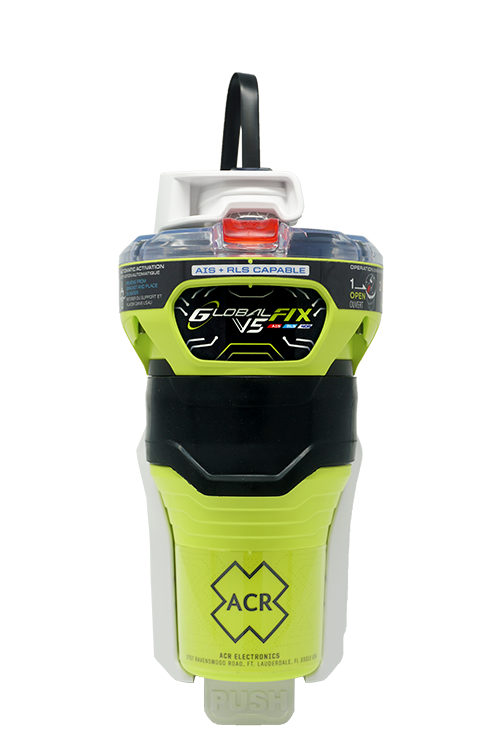
EPIRBs vs PLBs: Emergency Beacons for Sailors
How to choose an EPIRB or PLB for your sailboat — Category I vs II, return-link, and why offshore crews carry both.
 Safety
Best Boat Ladders for Sailboats: Boarding and Recovery
Transom, telescoping and dive ladders compared, and how deep the bottom step must be for crew recovery.
Looking for more gear guides? Browse all our gear recommendations or the full guides index.