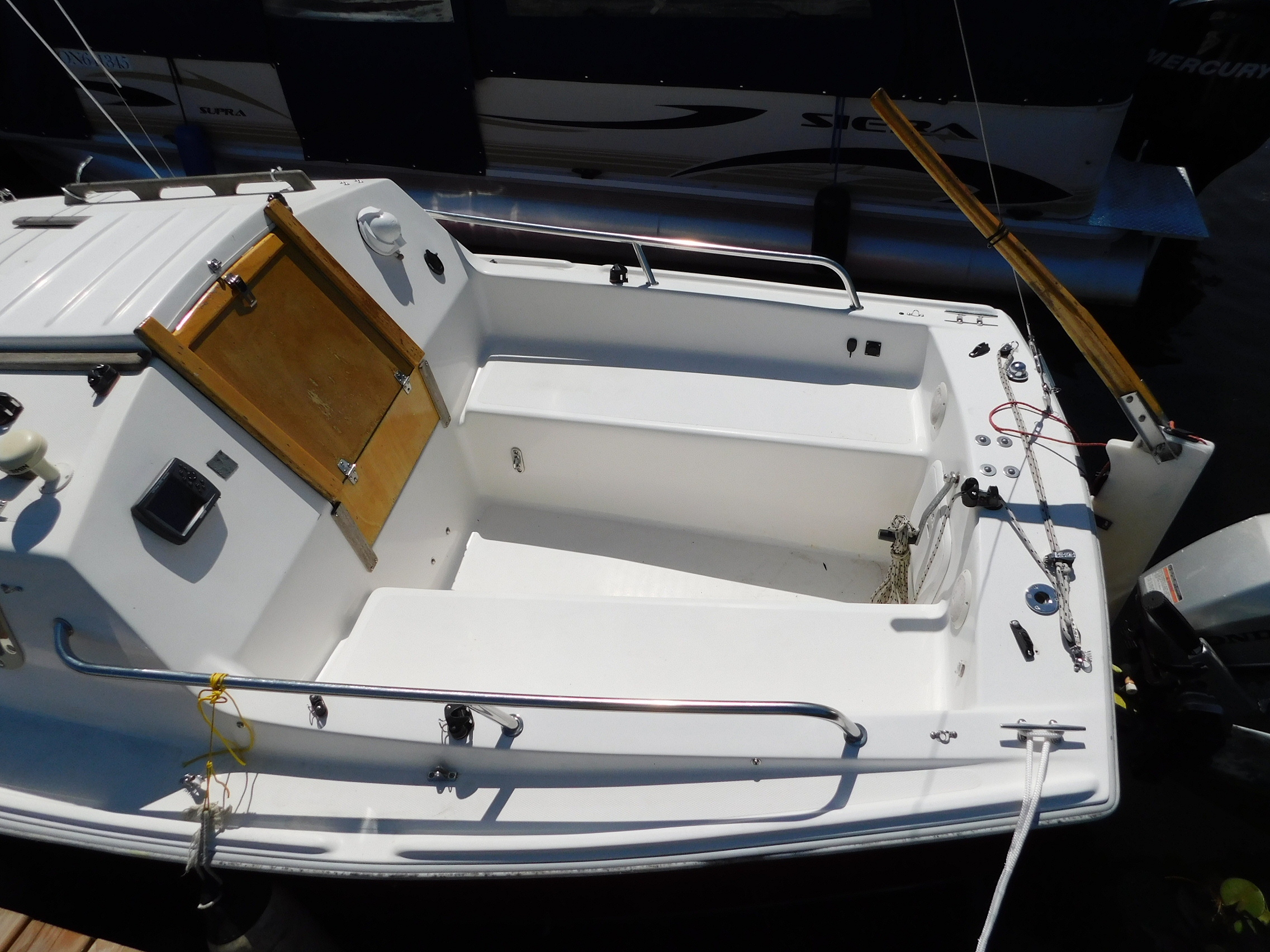
Sailboat Dodgers, Biminis & Cockpit Enclosures
A dodger, a bimini, and the connector panels and curtains that join them into a full enclosure are the single biggest quality-of-life upgrade on most cruising sailboats — and also one of the more confusing gear categories to shop for, since the "right" answer mixes off-the-shelf hardware, DIY kits, and boat-specific custom canvas work. This guide covers what each piece of the system actually does, the fabric and window material tradeoffs that determine how long it lasts, and the honest cost and time reality of building or replacing one yourself versus paying a canvas loft.
Sailboat Atlas may earn a commission from qualifying purchases made through links on this page, at no extra cost to you.
What a dodger, bimini, and full enclosure each actually do
A dodger (also called a spray hood in the UK) is the forward panel that shelters the companionway and forward cockpit from spray coming over the bow and from wind driving rain sideways into the cockpit. It's usually built with a stiffer frame and a more upright profile than a bimini because it takes direct green water and wind load at speed.
A bimini is the roof over the rest of the cockpit, aft of the dodger, primarily there for sun protection at anchor and underway, plus overhead rain cover. It's typically flatter and less structurally loaded than a dodger since it isn't taking direct spray.
A connector panel zips the gap between the back of the dodger and the front of the bimini so there's no open seam for wind and spray to find. Side curtains and an aft curtain — usually a mix of clear vinyl windows and solid fabric panels — close in the sides and back of the cockpit to make a genuine full enclosure, effectively turning the cockpit into an extra weatherproof cabin for cold or wet passages and at anchor.
The sail-handling tradeoffs of a tall dodger
A taller dodger is more comfortable to stand under and blocks more spray, but height comes with real compromises. Check, before committing to a frame height, whether it blocks the helmsman's or trimmer's sightline to the headsail telltales and jib sheet winches — a dodger that forces you to lean or stand to trim the jib properly gets old fast.
On boats with a low boom or a traveller mounted on the cabin top just forward of the dodger, a tall frame can also interfere with traveller access or reduce clearance for the boom during a jibe, particularly on a reach in a bit of a seaway when the boom is swinging. Mock up the intended dodger height with the boom at a few working angles before finalizing a frame, especially if you're commissioning custom canvas that's expensive to redo.
Fabric choice: Sunbrella acrylic vs. polyester vs. vinyl-coated
Sunbrella and similar solution-dyed acrylics are the standard for durability — the color runs through the fiber rather than sitting on the surface, so it resists fading and won't crack or peel with age. Realistic lifespan is roughly 8–12 years in a high-UV climate like the Gulf Coast or the tropics, meaningfully longer in a temperate climate with regular winter storage. Polyester canvas, often 600D and PU- or PVC-coated, is cheaper and common on universal bimini kits; it's genuinely waterproof out of the box but the coating degrades and can crack or delaminate well before the fabric itself wears out, typically in a handful of seasons rather than a decade. Vinyl-coated fabrics (Stamoid, WeatherMax, and similar) sit between the two — more waterproof than acrylic without a topical treatment, less breathable, and prone to their own coating wear over time. None of these fabrics are "set and forget" — all benefit from periodic cleaning and a fabric guard treatment to keep water repellency and UV resistance close to factory levels.
Window material: clear vinyl vs. glass vs. Isinglass
Coated clear vinyl — Strataglass and O'Sea are the two names you'll see most — is the standard for dodger and enclosure windows because it flexes for a folding structure and offers reasonably good clarity when new. The tradeoff is that no clear vinyl is permanent: UV exposure gradually yellows and micro-crazes even a coated product, and using the wrong cleaner (ammonia-based glass cleaner, or a dry cloth that grinds surface grit into the coating) accelerates that damage dramatically. Rigid glass or acrylic panels resist yellowing indefinitely but can't be used anywhere the structure folds or where a curved shape is needed, so they show up mainly in fixed pilothouse-style enclosures rather than a folding dodger. Isinglass is an older, uncoated, thinner clear plastic sheet — cheaper up front but it scratches, clouds, and stiffens in the cold noticeably faster than a modern coated vinyl, and most canvas shops today use it only for budget-limited replacements.
Frame materials, tube diameter, and deck fittings
A quality dodger or bimini frame is almost always bent from 316 stainless tube, commonly 7/8" or 1" outside diameter depending on the span and load, using a proper tube bender to get clean, consistent bends without kinking the wall. The frame connects to the deck through knuckle fittings, jaw slides that let the tube pivot and slide, and deck-mount hinges, ideally with quick-release pins so the whole structure can drop flat in a squall or for a low bridge. Every deck fitting under real load — and a bimini frame in 25 knots of wind is under real load — needs to be through-bolted with a backing plate spreading that load across the deck skin, not just screwed into gelcoat. A frame that looks solid but is only screwed down is a common cause of deck core damage and, in a bad case, a fitting tearing out entirely.
Using the bimini as a solar array platform
A bimini top is a genuinely useful mounting surface for solar panels since it's already elevated, usually unshaded, and out of the way of foot traffic — but the frame needs to be sized for it. A frame built only to resist wind load on fabric is often not stiff enough to carry the added weight and windage of rigid or semi-flexible panels without extra bows, heavier-gauge tube, or additional support struts tied back to strong points. Plan the electrical side at the same time: panel wiring needs a route down the frame to a charge controller that's protected from spray. See our marine solar panel guide for panel types and sizing, and if the boat also carries a stern-mounted dinghy or outboard, check our sailboat davits guide for how that structure interacts with an aft bimini frame and solar mounting.
DIY with a kit vs. a canvas loft: honest cost and time
A Sailrite-style kit with pre-cut Sunbrella fabric can cost a fraction of what a canvas loft charges for the same materials and labor, but that savings comes from your own time — expect a full weekend or considerably more for a first dodger or bimini project, plus the cost of a suitable walking-foot machine if you don't already own one. A canvas loft costs meaningfully more, often several times a DIY kit for a full dodger-bimini-enclosure package, but delivers a proper boat-specific pattern, professional seam quality, and no learning curve. For sailors outfitting a boat they intend to live aboard long-term, a well-built full enclosure is often worth paying a loft for given how much daily use it gets; for a simpler single bimini replacement on a daysailer, a DIY kit is usually the better value.
Winter storage and ongoing maintenance
Fabric and clear vinyl both benefit enormously from being taken out of UV exposure when they're not needed. For a hard winter lay-up, remove clear vinyl windows and store them loosely rolled or flat — never sharply folded, which cracks the coating at the crease — in a dry, temperature-stable space, and either pull the fabric top entirely for indoor storage or fit a proper zippered storage boot if it's staying folded down on the frame outdoors. During the season, rinse salt and grime off regularly with fresh water, clean with products made for acrylic canvas and vinyl rather than household cleaners, and reapply a fabric guard product once repellency starts to fade — usually noticeable as water soaking in rather than beading up.
Our picks
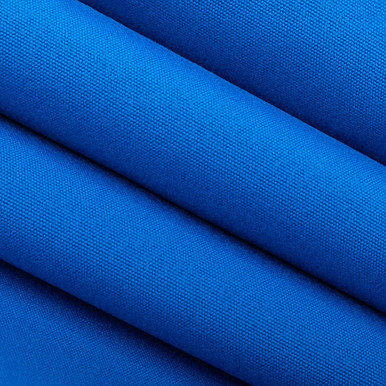
Sailrite Sunbrella Marine Fabric (60" by the yard)
Best DIY canvas fabric for a dodger, bimini, or full enclosure
Sunbrella acrylic is the default recommendation for dodgers and biminis because the color is woven into the fiber rather than coated on top, so it doesn't crack, peel, or fade to a blotchy version of itself the way cheaper polyester tops often do after a few seasons. In a hot, high-UV climate expect 8–12 years of good service from a well-installed Sunbrella top before the fabric itself (not just the coating) starts to weaken; in a temperate climate with winter storage that stretches meaningfully further. It's not the cheapest option, but it's the fabric most canvas shops will push back if you ask them to substitute something else.
- Material
- 100% solution-dyed acrylic, color runs all the way through the fiber
- Width
- 60" standard marine width; also sold in 46"
- Warranty
- Manufacturer 9–10 year fade warranty depending on line
- Weight
- Approx. 9.25 oz/sq yd, breathable woven acrylic
Pros
- Solution-dyed color resists fading far longer than printed or piece-dyed fabrics — the color doesn't just sit on the surface
- Breathable weave sheds surface water while letting moisture vapor escape, which cuts down on mildew under a closed enclosure
- Wide color and pattern selection lets a DIY canvas job match an existing dodger or the boat's overall look
Cons
- Not waterproof on its own the way a vinyl-coated fabric is — it's water-repellent, and that repellency fades over years without reapplying a fabric guard
- Acrylic is the priciest of the three common fabric choices per yard, which adds up fast on a full dodger-bimini-enclosure package
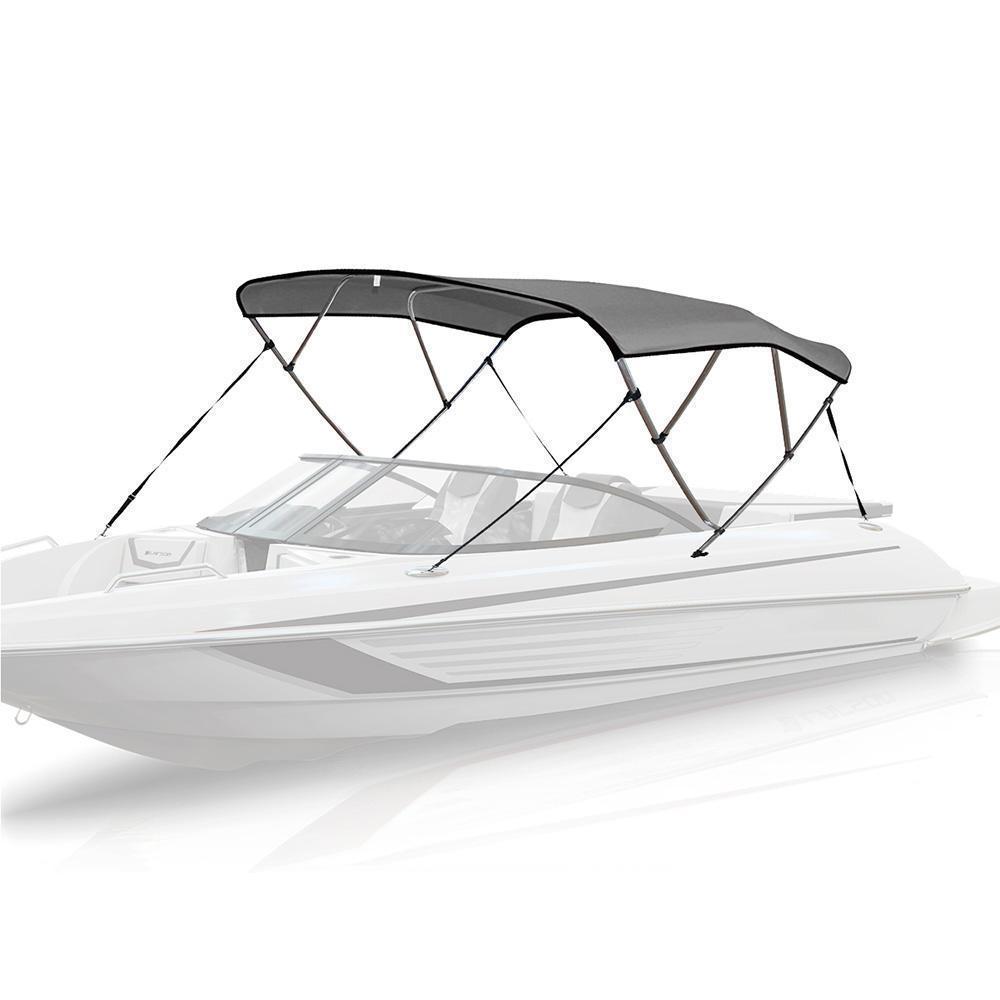
Leader Accessories 4-Bow Bimini Top Kit
Best universal frame-and-fabric kit for a straightforward bimini replacement
This is the pragmatic choice for a sailor who wants sun and light-rain coverage now without commissioning a custom canvas job. The aluminum tube frame and coated polyester top won't hold up to the same UV and salt exposure as a 316 stainless frame with acrylic fabric, but at a fraction of the price it's a reasonable stopgap or a fine permanent solution on a boat that's daysailed rather than used for long offshore passages. Budget for replacing the fabric top on its own (sold separately by most of these brands) well before the frame itself gives out.
- Frame
- 1" anodized aluminum tube, 4-bow arch for a flatter, more headroom-friendly profile
- Fabric
- 600D polyester canvas, PU coated for water resistance
- Included hardware
- Straps, rear support poles, deck-mount hardware, and a storage boot
- Sizing
- Sold in multiple width bands from roughly 5–8 ft length, 54"–96" width
Pros
- Complete kit — frame, fabric, hardware, and boot — at a fraction of the cost of a custom-built stainless bimini
- Aluminum frame is lighter and cheaper than stainless, easy for one person to fold down and remount without help
- Reasonable fit range makes it workable on many small-to-midsize cruising sailboats without custom fabrication
Cons
- Aluminum tube and polyester fabric are noticeably less durable long-term than a 316 stainless frame with Sunbrella acrylic — expect years, not decades
- Universal sizing means the fit at the cockpit coaming is rarely as clean as a boat-specific custom bimini
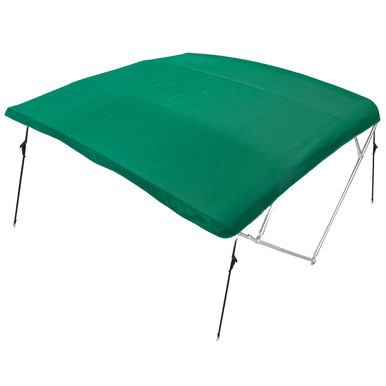
Sailrite Bimini Skin Kit (4-Bow Frame, Sunbrella Fabric)
Best DIY kit for sewing your own boat-specific bimini top
This is the middle path between a cheap universal kit and paying a loft several thousand dollars for a custom dodger-and-bimini package. You're doing the labor, but Sailrite's pre-cut kits remove most of the pattern-making guesswork that makes DIY canvas intimidating. Realistically budget more time than you expect for a first project — measuring, dry-fitting, and re-checking a curved bimini top before committing to a final seam takes patience. For a full enclosure with a dodger and side curtains, Sailrite also sells dodger-specific kits and pattern services.
- Kit contents
- Pre-cut Sunbrella fabric panels, thread, webbing, and detailed instructions sized to your frame
- Fabric
- Genuine Sunbrella marine acrylic in a wide color range
- Sewing requirement
- Needs a walking-foot machine capable of heavy canvas — Sailrite sells machines for this specifically
- Frame compatibility
- Sized to fit a 4-bow bimini frame you already own or buy separately
Pros
- Genuine Sunbrella fabric and hardware at meaningfully less cost than paying a canvas loft for the same materials and labor
- Sailrite's instructional videos walk through every seam, which makes this approachable for a first-time canvas project
- You end up owning the skills and machine to repair or remake canvas yourself for the life of the boat
Cons
- Still requires real sewing time — expect a full weekend or more for a first attempt, plus the cost of a suitable machine if you don't already have one
- You supply and fit the frame separately; this kit is fabric and pattern only, not a complete bimini
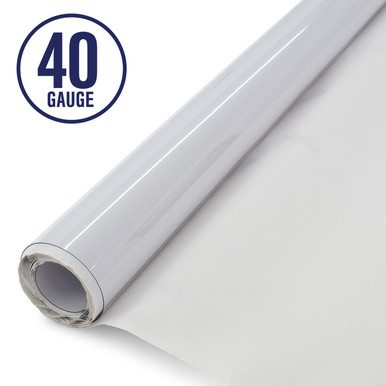
Strataglass Clear Vinyl Window Material
Best clear vinyl for dodger and enclosure windows
Strataglass and similar coated clear vinyls (O'Sea is a common alternative) are the standard for dodger and enclosure windows because the surface coating resists the yellowing and fine surface crazing that plain vinyl develops quickly. That said, no clear vinyl is permanent: expect a genuinely clear window to need replacement every 5–10 years depending on sun exposure and cleaning habits, sooner in the tropics or if it's ever cleaned with ammonia-based glass cleaner or a dry cloth that grinds grit into the coating. Rinse with fresh water, wash with a vinyl-specific cleaner, and always use a soft cloth.
- Gauge options
- 30 and 40 mil, sold by the yard off a 54" wide roll
- Coating
- VueShield scratch-resistant, UV-stabilized coating on both faces
- Clarity
- Higher optical clarity than uncoated vinyl, closer to glass when new and well maintained
- Sewing note
- Requires specific needles, thread spacing, and handling to avoid puckering or cracking at seams
Pros
- Noticeably clearer and more scratch-resistant than uncoated generic clear vinyl when new
- Flexes and rolls for stowage, unlike rigid glass or acrylic panels, which matters for a folding dodger or connector panel
- Available in multiple gauges so a canvas maker can balance clarity against long-term durability
Cons
- All coated clear vinyl — Strataglass included — eventually yellows, crazes, or hazes with UV exposure and improper cleaning; it's a wear item, not a permanent window
- Meaningfully more expensive per yard than uncoated vinyl or Isinglass alternatives
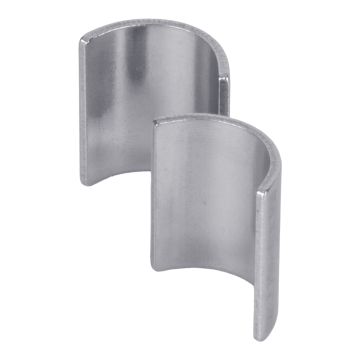
316 Stainless Bimini Top Hardware Kit (Jaw Slides, Deck Hinges, Eye Ends)
Best hardware upgrade for a stainless-tube bimini or dodger frame
The fittings that hold a bimini or dodger frame to the deck take real repeated load from wind and from crew grabbing the frame to steady themselves — they are not a place to save money with generic hardware. Genuine 316 stainless jaw slides, hinges, and eye ends resist saltwater corrosion far better than cheaper alloys, and quick-release deck hinges make it painless to drop the whole structure in a blow. Whatever hardware you use, bed every deck fitting properly and back it with a plate under the deck skin — a bimini frame ripping loose in a gust is a genuine safety hazard, not just a cosmetic problem.
- Material
- 316 stainless steel, the marine-grade alloy resistant to saltwater pitting
- Kit contents
- Jaw slides, deck-mount hinges with quick-release pins, eye end caps, and mounting screws
- Tube fit
- Sized for common 7/8" and 1" OD bimini frame tubing
- Mounting
- Deck hinges intended for through-bolting with a backing plate, not just self-tapping screws
Pros
- 316 stainless resists the surface rust and pitting that lower-grade 304 stainless or chromed hardware develops in saltwater
- Quick-release pins on deck hinges let you drop the frame flat for a squall or a low bridge without removing hardware
- A la carte fittings let you replace only the corroded or cracked piece instead of buying a whole new frame
Cons
- Hardware is only as strong as its backing — screwed into bare fiberglass or balsa-cored deck without a backing plate, these fittings will eventually pull out under load
- Mixing hardware brands or tube diameters can leave slop in the fit; check OD carefully before ordering
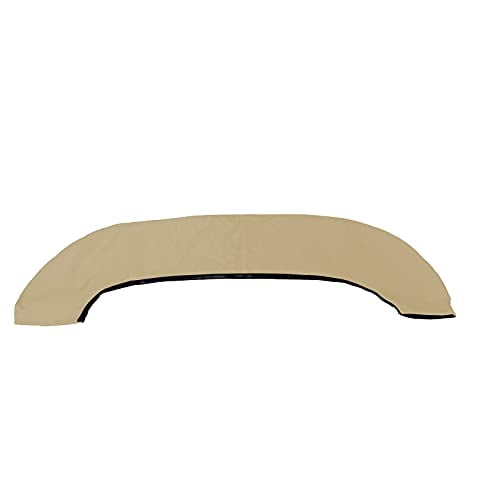
Bimini Top Storage Boot (600D Polyester, Zippered)
Best protective boot for stowing a folded bimini or dodger canvas
A folded bimini or dodger baggy-stowed on deck without a boot spends its life getting UV-cooked from the top and bottom simultaneously — the fold traps heat and moisture against the underside while the top bakes in direct sun. A simple zippered boot roughly doubles the realistic lifespan of a folded top by keeping both UV and grime off the fabric between uses. It is not a substitute for fully removing and storing canvas over a hard winter lay-up in a cold climate, where snow load and freeze-thaw cycling on frozen fabric can crack coatings and stress seams.
- Material
- 600D marine-grade polyester with a waterproof coating
- Closure
- Full-length separating zipper for easy on/off around a folded frame
- Sizing
- Sold in width bands to match folded bimini width, typically 54"–103"
- Fit
- Made for standard 7/8"–1" round tube frames; square-tube frames need a matching variant
Pros
- Protects folded fabric from UV and bird mess when the bimini is down but the boat is still in commission
- Far cheaper than replacing sun-damaged fabric that's been left folded and exposed for a season
- Easy to fit and remove without tools, unlike a full custom-fitted travel cover
Cons
- Universal sizing means a boot that's slightly loose will flap and chafe against the fabric it's meant to protect
- Doesn't replace a proper winter storage cover for a boat hauled out for months — it's meant for folded-down daily use, not long-term lay-up
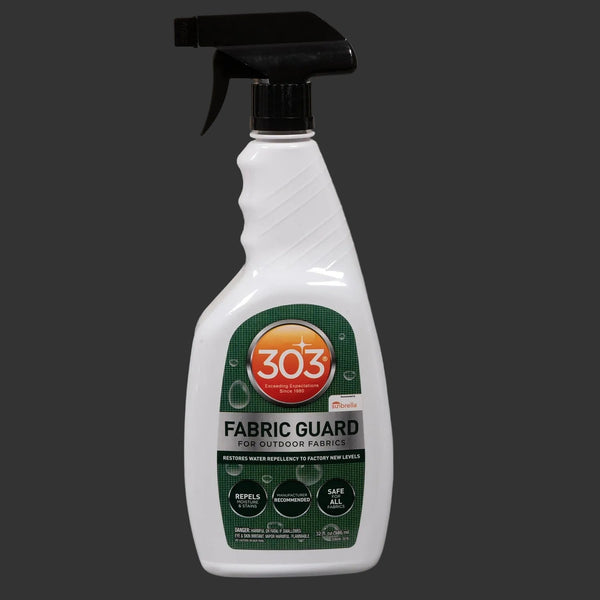
303 Aerospace Fabric Guard
Best maintenance product for restoring water repellency and UV protection
Sunbrella factory finish loses its water repellency well before the fabric itself wears out, which is why a several-year-old top that used to shed rain starts soaking through even though the color still looks fine. 303 Fabric Guard is the product Sunbrella itself points owners to for restoring that repellency, and it works across the whole enclosure — acrylic canvas, clear vinyl windows, and most vinyl-coated fabrics. Clean the fabric thoroughly first; spraying protectant over embedded dirt or mildew just seals the problem in rather than fixing it.
- Use
- Sunbrella and other acrylic/polyester canvas, plus clear vinyl and coated fabrics
- Recommended by
- Sunbrella itself as the manufacturer-endorsed refresher product
- Application
- Spray-on, wipe or let air dry; reapply roughly every 1–2 seasons depending on exposure
- Sizes
- 16 oz and 32 oz trigger-spray bottles
Pros
- Restores water beading and stain resistance to acrylic canvas that's lost its factory-applied finish over a few seasons
- Also usable on clear vinyl windows and other UV-exposed plastics and coated fabrics on the same enclosure
- Doesn't noticeably change fabric color, hand feel, or breathability the way some cheaper silicone-based sprays can
Cons
- It restores repellency and adds UV protection — it does not repair existing UV degradation, mildew staining, or fabric that's already thinning
- Needs reapplication on a schedule; skipping a season or two lets water repellency lapse and mildew risk climb
How to choose
| Option | Price range | Best for | Key spec |
|---|---|---|---|
| Sunbrella Marine Fabric (by the yard) | $25–$45/yard | DIY or loft-built canvas | Solution-dyed acrylic, 9–10 yr fade warranty |
| Leader Accessories 4-Bow Bimini Kit | $150–$250 | Budget universal bimini replacement | Aluminum frame, 600D coated polyester |
| Sailrite Bimini Skin Kit (Sunbrella) | $300–$700 | DIY boat-specific bimini | Pre-cut genuine Sunbrella fabric + pattern |
| Strataglass Clear Vinyl (by the yard) | $30–$60/yard | Dodger and enclosure windows | 30/40 mil, VueShield UV/scratch coating |
| 316 Stainless Bimini Hardware Kit | $40–$90/kit | Frame hardware upgrade or repair | Jaw slides, quick-release deck hinges, eye ends |
| Bimini Top Storage Boot | $40–$90 | Protecting a folded-down top | 600D polyester, full-length zipper |
| 303 Aerospace Fabric Guard | $20–$35/bottle | Ongoing fabric and vinyl maintenance | Sunbrella-recommended repellency restorer |
Budget tiers
Under $300: a universal bimini kit or basic maintenance products — good for a budget-limited replacement or keeping an existing enclosure going another season or two.
$300–$1,500: a DIY Sailrite-style dodger or bimini project with genuine Sunbrella fabric and Strataglass windows, or hardware upgrades on an existing custom frame.
$2,000 and up: a full custom dodger, bimini, connector, and side/aft curtain enclosure built by a canvas loft — the realistic cost for a complete, boat-specific system on a cruising sailboat.
Related guides
 Maintenance
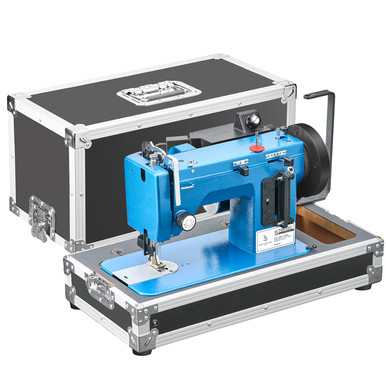
Sewing Your Own Marine Canvas: A DIY Guide
How to sew your own sailboat canvas: the right machine, fabric, needle and thread, patterning and hardware — plus a realistic first-project ladder.
 Comfort
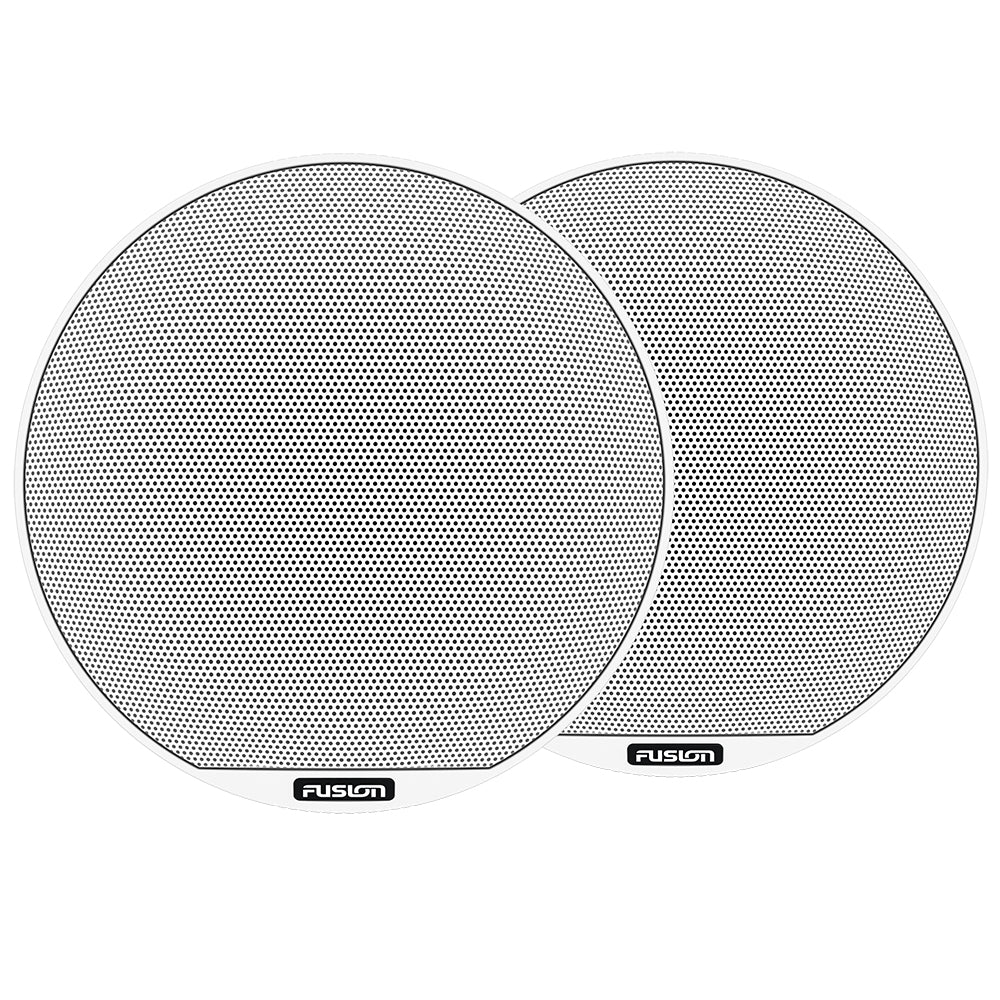
Best Marine Speakers and Stereos for Sailboats
Waterproof marine speakers and stereo head units compared — power draw, NMEA 2000, mounting and wiring.
 Comfort
Best Marine Watermakers for Sailboats
Spectra, Rainman, Katadyn and more — which watermakers match cruising energy budgets and boat sizes.
 Comfort
Marine Diesel Heaters: Webasto vs Espar vs Refleks
Forced-air and radiant diesel heaters for cruising sailboats — how to choose, install, and avoid the top failure modes.
Looking for more gear guides? Browse all our gear recommendations or the full guides index.