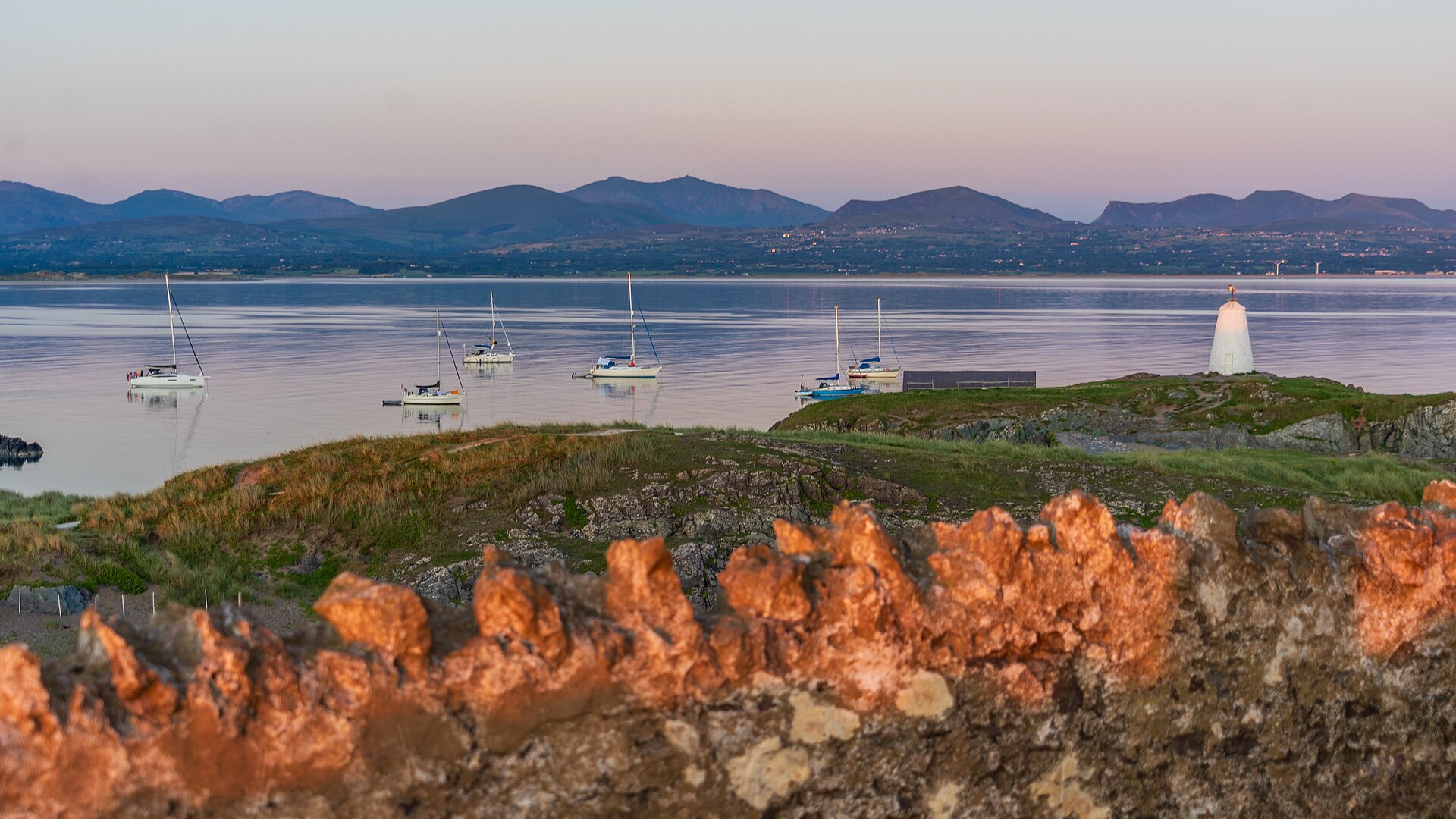
Best Anchor Lights and LED All-Round Lights for Boats
For most sailboats, a fixed-mount LED all-round white light such as the Hella NaviLED 360 Compact is the best anchor light: rated for 2 nautical miles, very low power draw and fully sealed. Small powerboats and dinghies that need a removable light are better served by a pole light such as the Attwood LightArmor telescoping pole or the Perko Inland-series pole light.
The rules matter here. Under COLREGs Rule 30, a vessel at anchor shorter than 50 metres must show an all-round white light where it can best be seen, and boats under 12 metres need lights visible for at least 2 nautical miles. This guide explains what the rules require, where to mount the light, and how LED lights save your batteries.
Sailboat Atlas may earn a commission from qualifying purchases made through links on this page, at no extra cost to you.
What the rules say: COLREGs Rule 30 anchor light requirements
Rule 30 of the International Regulations for Preventing Collisions at Sea (COLREGs), mirrored in the US Inland Rules, says a vessel at anchor under 50 metres long shall exhibit an all-round white light where it can best be seen. Larger vessels show two anchor lights, one forward and one aft. Vessels under 7 metres are exempt when not anchored in or near a narrow channel, fairway or anchorage, or where other vessels normally navigate.
Annex I sets the minimum visibility. For vessels under 12 metres, an all-round light must be visible for at least 2 nautical miles. For vessels from 12 to 50 metres, the requirement for all-round lights is 3 nautical miles. A 40 foot sailboat is about 12.2 metres, so check your boat's length overall carefully before buying a 2 nm light.
Local rules can add more. Some harbors and mooring fields require anchor lights on moored boats, and some anchorages expect additional lights. Check local regulations for where you sail.
Masthead or deck level: where to mount a sailboat anchor light
The traditional position is the top of the mast, where the light is above all obstructions and visible from all directions. The downside is that a masthead light is far above the eye level of an approaching dinghy or small boat, whose crew is looking at the water rather than the sky. In a crowded anchorage, many sailors add a second, lower light in the cockpit or on the boom so that small craft can see the boat clearly.
Whatever the height, the light must be visible all the way around. A light that is hidden behind the mast, a radar dome or a wind instrument from some directions does not meet the all-round requirement. Lights mounted at the masthead must be fixed securely because replacing one means a trip up the mast.
Tricolor vs anchor light: why you need both on a sailboat
Many sailboats carry a masthead tricolor light, which combines red, green and white sectors in one fixture. Under the rules, sailing vessels under 20 metres may use a tricolor instead of separate sidelights and sternlight, but only when sailing. A tricolor must not be used when motoring, and it is not an anchor light.
That is why masthead fixtures that combine a tricolor and an all-round white anchor light are popular: the two functions are switched separately. If you buy a tricolor-only fixture, you still need a separate all-round white light for anchoring.
LED anchor lights and power draw
An anchor light runs from dusk to dawn, often 10 to 12 hours a night. A traditional incandescent anchor light typically draws around 0.8 to 1 amp at 12 volts, which can add up to roughly 10 to 12 amp-hours a night. Quality LED anchor lights usually draw a small fraction of that, often well under a quarter of an amp. Check the manufacturer's figure for the exact model.
For boats on anchor for weeks, that difference decides whether you need to run the engine or generator to recharge. It also makes small solar setups much more practical; see our solar sizing guide for how to fit lighting loads into your energy budget.
Pole lights for small boats and dinghies
Small powerboats often use a removable pole light that plugs into a socket on the stern. On a powerboat under 12 metres, a single all-round white light can serve as the combined masthead and sternlight when underway, used together with sidelights, and as the anchor light when at anchor. Check that the pole height raises the light above the windscreen and passengers so it is visible all around.
Telescoping poles adjust to clear bimini tops and consoles. Fixed-length poles are simpler and have fewer parts to corrode. Both need a matching base; most brands use proprietary plug designs, so buy a pole that fits your existing base or replace both.
How to install and maintain an anchor light
Use tinned marine wire of the correct size for the length of the run, especially for masthead lights where the wire runs the full height of the mast. Seal connections with adhesive-lined heat shrink and use a dedicated, labelled breaker or switch so the light can be checked easily.
Check that the light works before you need it each season. Clean salt and grime from the lens, and inspect the base seal and plug contacts on pole lights for corrosion. A small amount of dielectric grease on pole-light contacts helps prevent green corrosion.
Our picks
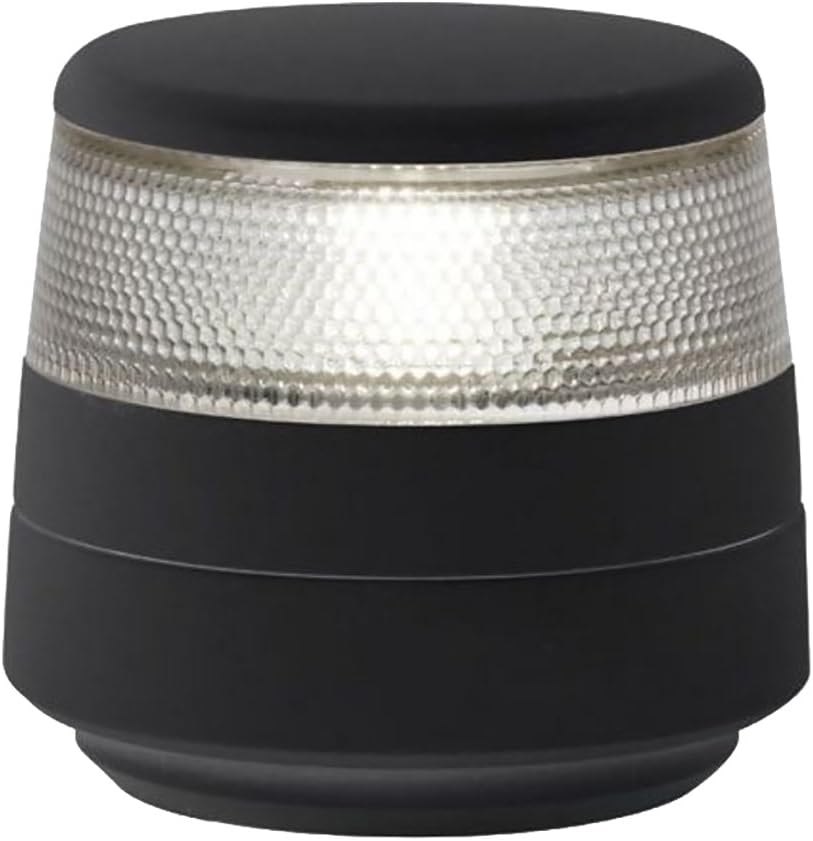
Hella NaviLED 360 Compact All-Round White
Sailboat mastheads and fixed mounts on boats under 12 m
The NaviLED 360 Compact is a strong choice for sailboats under 12 metres that need a reliable masthead or deck-level anchor light. Hella's LED design draws very little power, so you can leave it on all night without worrying about the batteries. Boats 12 metres and longer need a 3 nm all-round light, so measure your length overall before buying. Choose fixed, fold-down or pole versions to suit where you mount it.
- Function
- All-round white (anchor or masthead/stern use)
- Visibility rating
- 2 nm
- Mount
- Fixed mount; black or white base (e.g. 980960011)
- Other versions
- Fold-down and pole bases in several heights
Pros
- Compact, sealed LED unit from a long-established lighting brand
- Low power draw compared with incandescent lights
- Several mounting options in the same family
Cons
- 2 nm rating meets the requirement only for vessels under 12 m
- Costs more than generic LED anchor lights
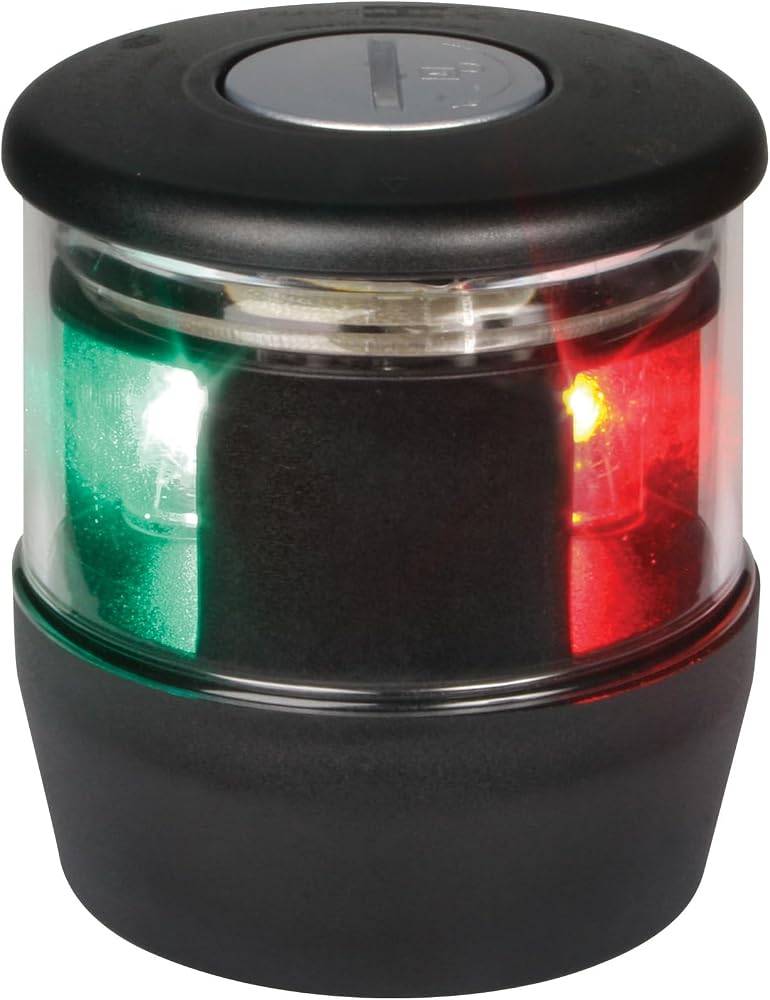
Hella NaviLED Trio Tricolor (980650001)
Sailboats replacing an old masthead tricolor with LED
If you are rewiring the masthead, the NaviLED Trio replaces an old incandescent tricolor with LED. It is listed here because masthead tricolor and anchor lights are usually planned together. Confirm the exact product version before ordering: if it does not include a separately switched all-round white, you still need a dedicated anchor light such as the NaviLED 360 Compact.
- Model
- 980650001
- Function
- Red/green/white tricolor masthead
- Voltage
- Multivolt 8–28 V DC (per listing)
- Visibility rating
- 2 nm
Pros
- One fixture replaces sidelights and sternlight when sailing
- Wide voltage range suits 12 V and 24 V boats
- LED reduces power use on overnight passages
Cons
- A tricolor is not an anchor light; confirm whether your version includes an all-round white
- Masthead installation requires going up the mast
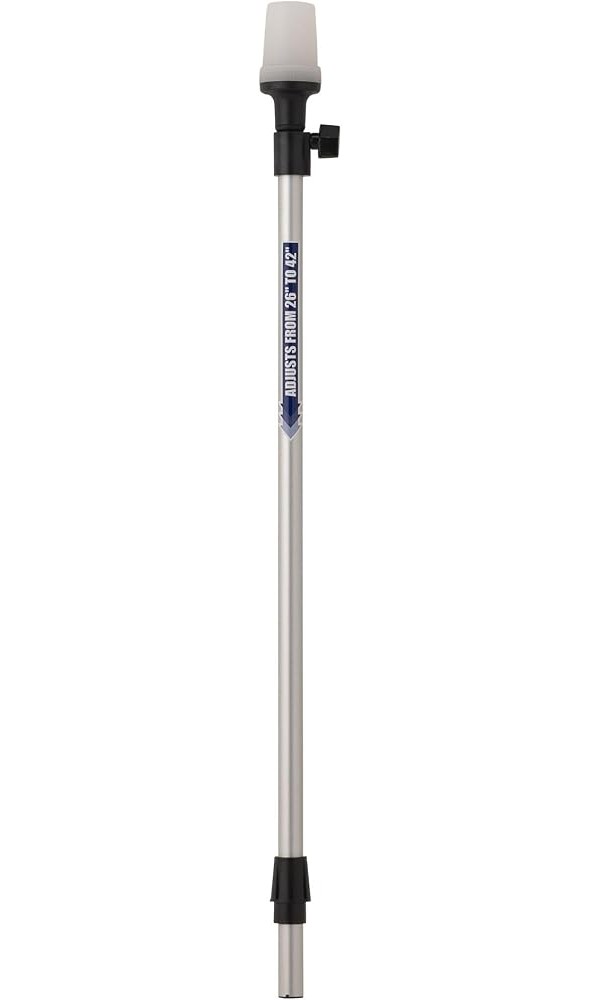
Attwood LightArmor LED All-Round Telescoping Pole Light
Small powerboats with a bimini or console to clear
For runabouts, bowriders and pontoons with a bimini, a telescoping pole lets you raise the light high enough to be seen all around. The LightArmor pole adjusts from 30 to 48 inches and pulls out for trailering. Check the plug style before buying: most pole lights only fit their own maker's base.
- Function
- All-round white LED pole light
- Height
- Telescoping 30–48 in
- Mount
- Plugs into a matching LightArmor base
- Visibility rating
- Check listing; LightArmor range rated 2 nm
Pros
- Adjustable height clears biminis and passengers
- Removable for trailering and storage
- LED head with low power draw
Cons
- Needs a compatible Attwood base
- Telescoping joints add a part that can corrode or slip
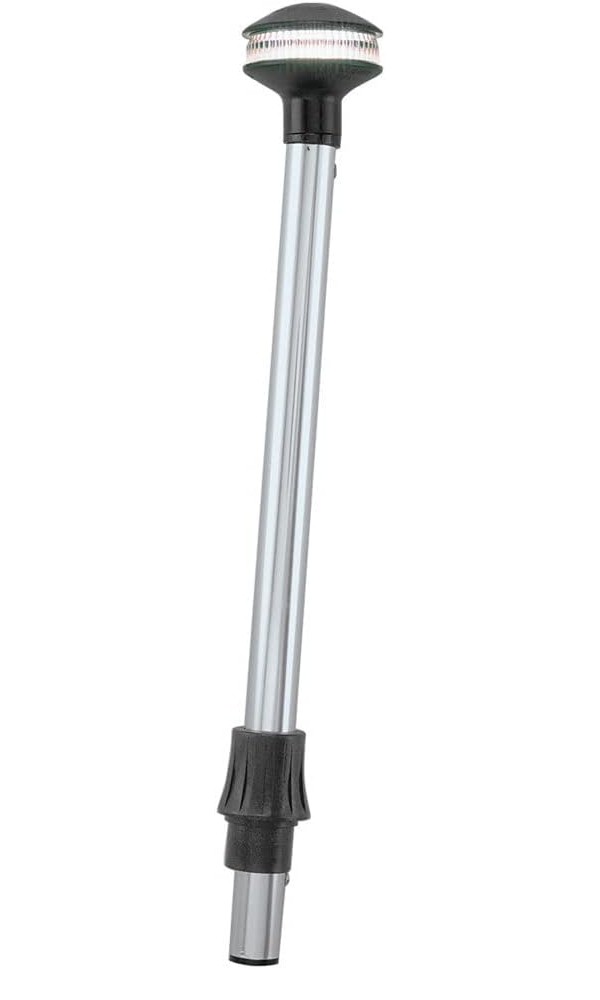
Perko Inland-Series Reduced Glare Pole Light (1440DP5CHR)
Owners who want reduced glare at the helm
Perko's Inland-series reduced-glare pole light is designed to limit the light that shines back into the helmsman's eyes, which matters when driving at night. The 42 inch straight version suits many small boats, and other heights and rake angles are available. Check the series name and markings against the waters you use, and choose a height that clears your windscreen and passengers.
- Model
- 1440DP5CHR
- Height
- 42 in, 0° rake
- Feature
- Reduced glare design
- Other heights
- 24 in (1440DP2CHR), 36 and 48 in raked versions
Pros
- Reduced glare helps the helmsman's night vision
- Perko is a long-standing US marine lighting maker
- Several heights and rake angles
Cons
- Named Inland series, so confirm suitability for coastal or international waters
- Fixed height cannot adjust to clear a bimini
How to choose
| Product | Typical price | Best for | Key detail |
|---|---|---|---|
| Hella NaviLED 360 Compact All-Round White | Typically $90–$160 | Sailboat mastheads and fixed mounts on boats under 12 m | 2 nm sealed LED all-round light |
| Hella NaviLED Trio Tricolor (980650001) | Typically $200–$350 | Sailboats replacing an old masthead tricolor with LED | LED masthead tricolor, multivolt |
| Attwood LightArmor LED All-Round Telescoping Pole Light | Typically $50–$100 | Small powerboats with a bimini or console to clear | Telescoping 30–48 in pole |
| Perko Inland-Series Reduced Glare Pole Light (1440DP5CHR) | Typically $60–$110 | Owners who want reduced glare at the helm | Reduced-glare 42 in pole light |
Prices vary by size, color and seller. Some Amazon links open a model search; others lead to an identified listing. Confirm the exact size, part number, seller and checkout total before buying.
Budget tiers: what is worth paying for?
Budget: generic LED anchor and pole lights are cheap, but check for a stated visibility rating and USCG or COLREGs compliance marking before relying on one.
Mid-range: Attwood and Perko pole lights are the standard choice for small powerboats, with matching bases and replacement parts widely available.
Premium: Hella's NaviLED range costs more but is sealed, low-draw and well suited to masthead mounting, where replacing a failed light is expensive.
Related Sailboat Atlas guides
- Sailboat solar sizing for overnight loads
- Best lithium batteries for boats
- Anchors and anchor windlasses
- Best marine battery chargers
Specification-led editorial shortlist based on manufacturer and listing information, not hands-on testing. Reviewed October 2026.
Frequently asked questions
Do I need an anchor light on my boat?
Under COLREGs Rule 30, vessels at anchor must show an all-round white light between sunset and sunrise. Vessels under 7 m are exempt only when not anchored in or near a channel, fairway, anchorage or where other vessels normally navigate.
How far must an anchor light be visible?
For vessels under 12 m, all-round lights must be visible for at least 2 nautical miles. For vessels from 12 to 50 m, the requirement is 3 nautical miles.
Can I use my tricolor as an anchor light?
No. A tricolor may be used only by sailing vessels under 20 m when sailing. At anchor you need an all-round white light.
Should the anchor light be at the masthead?
The rule says where it can best be seen. A masthead light is visible from far away, but many sailors add a lower light so small boats nearby can see them too.
How much power does an LED anchor light use?
Quality LED anchor lights usually draw a small fraction of an amp, while older incandescent lights often draw close to 1 amp. Check the manufacturer's figure for the exact model.
Do solar anchor lights meet the rules?
Some portable solar lights are convenient backups, but many do not carry a visibility rating or compliance marking. Use a properly rated, permanently wired light as your main anchor light.
Related guides
 Navigation
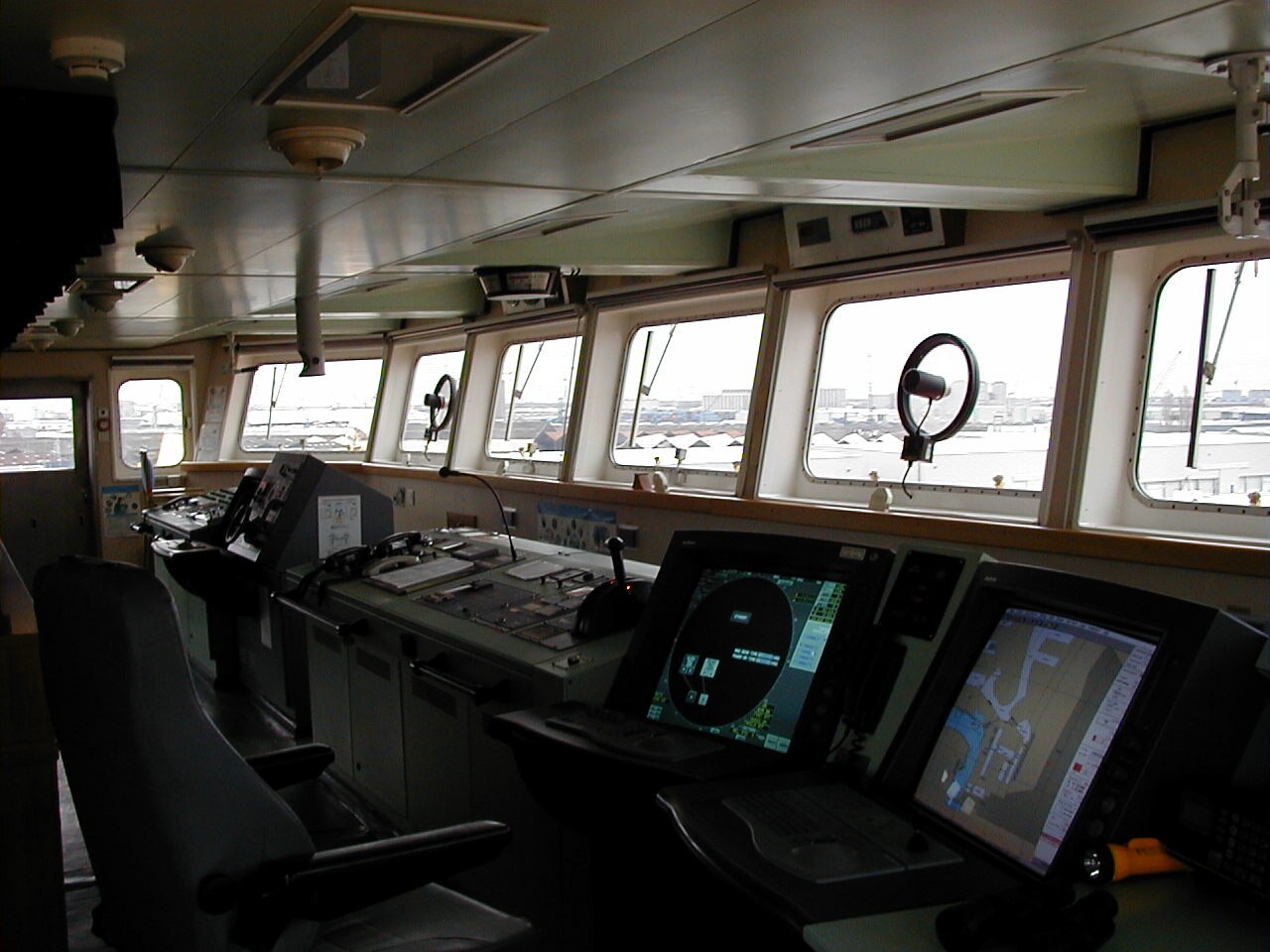
Radar vs AIS vs Thermal: Avoiding Collisions
What radar, AIS and thermal cameras each see and miss at sea, and how to combine them for a real watchkeeping system.
 Navigation
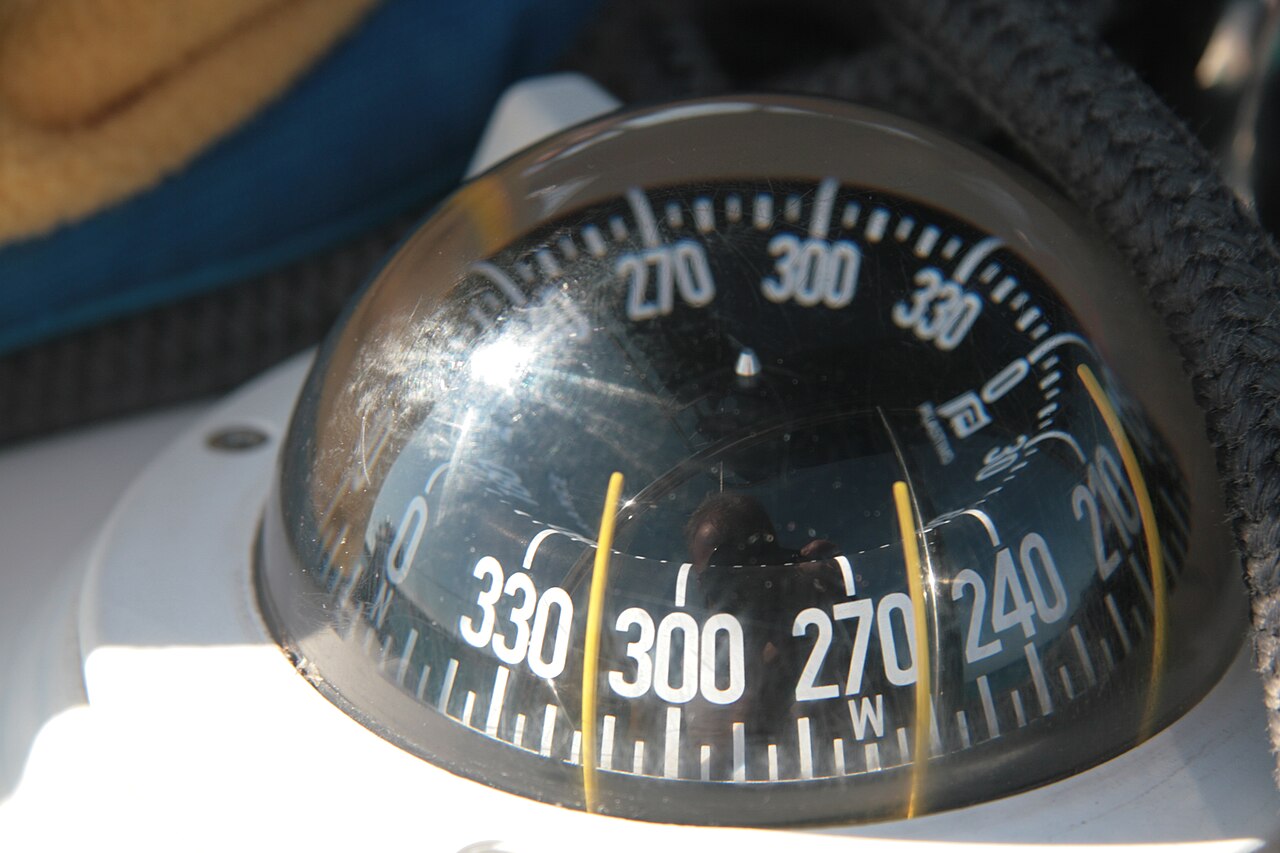
Best Boat Compasses: Steering and Handheld Picks
Card size, heel, mounting, lighting and deviation: choosing a magnetic compass for a sailboat.
 Navigation
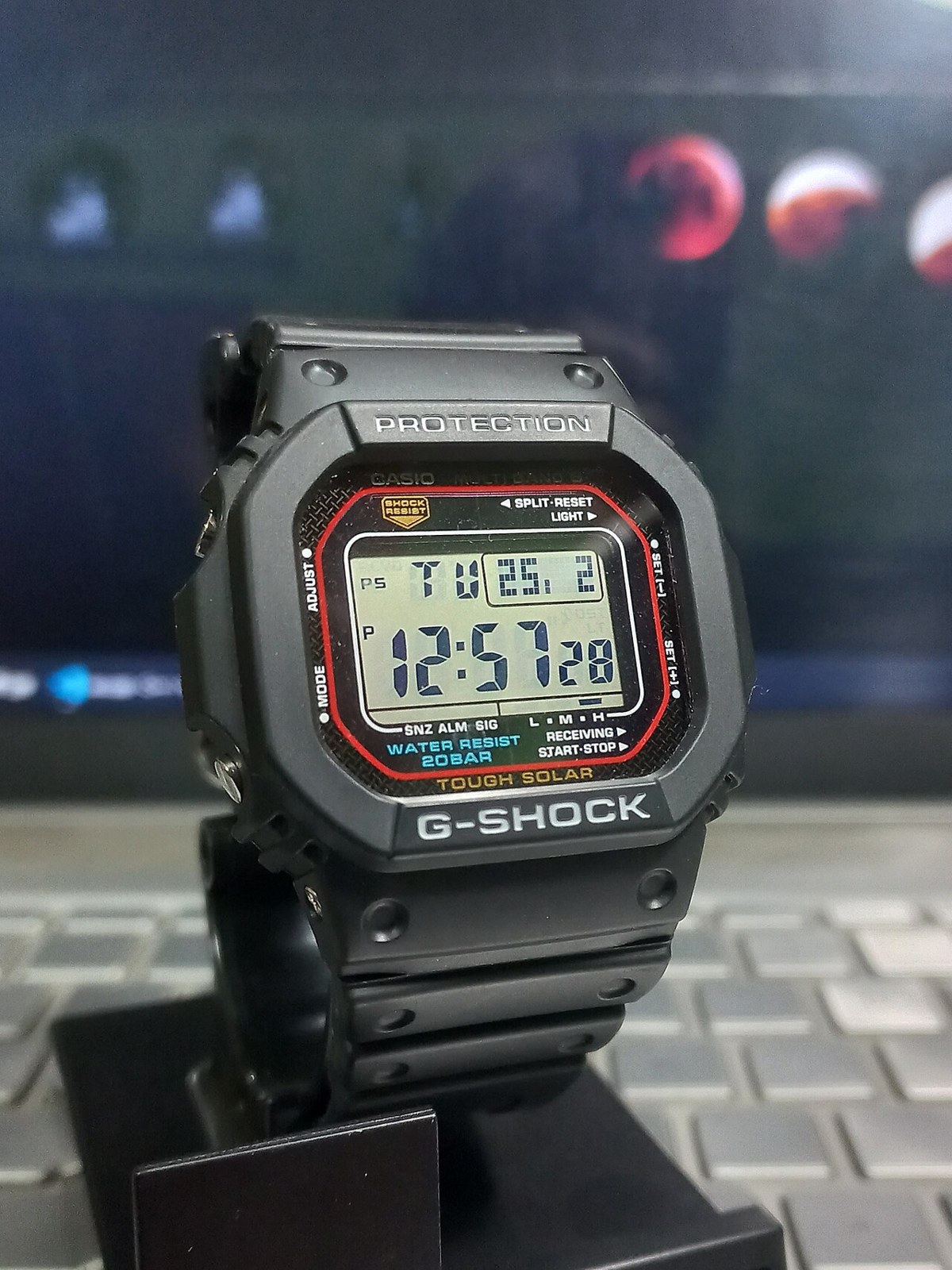
Sailing Watches: Race Timers and Cruising Choices
Countdown controls, water resistance, readability and battery care: choosing a practical watch for racing and cruising.
 Navigation
Best Marine Binoculars for Sailing
Why 7x50 is the sailing standard, compass and stabilized binoculars, and our top picks at every budget.
Looking for more gear guides? Browse all our gear recommendations or the full guides index.